
Salads
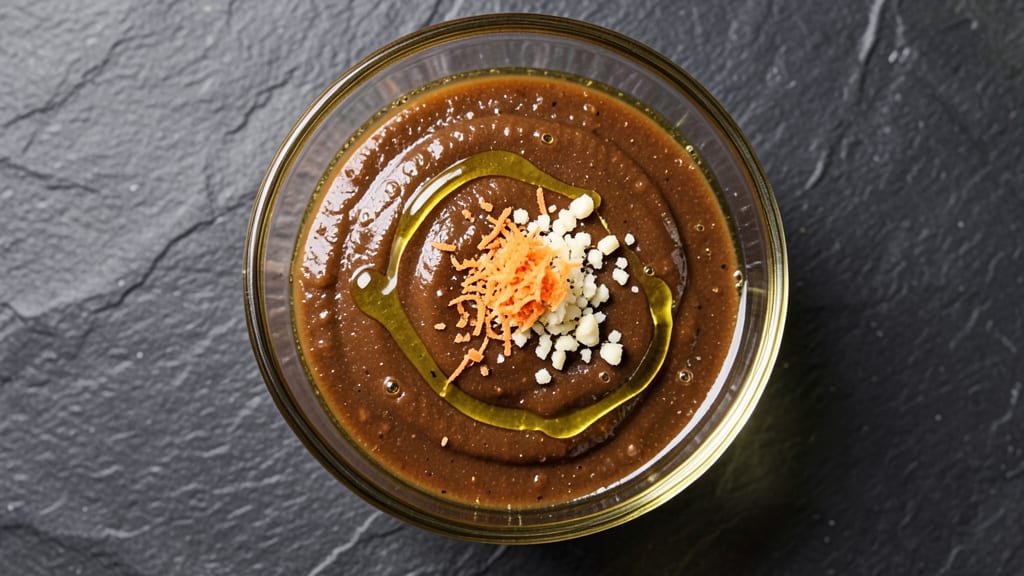
This A1 Japanese steakhouse salad dressing delivers the same bold, umami-packed flavor that makes restaurant salads unforgettable. The secret lies in balancing salty soy sauce with bright ginger and a touch of sweetness, creating a dressing that enhances every bite without overpowering.
I developed this recipe after years of perfecting the ratio—just 10 minutes of whisking transforms simple ingredients into something restaurant-quality.
The foundation is a classic vinaigrette base, but with Japanese flair: rich soy sauce for depth, toasted sesame oil for aroma, and fresh ginger for that signature zing. A splash of rice vinegar adds acidity, while a hint of honey or mirin creates the perfect sweet-savory contrast.
This dressing works equally well on crisp greens, grilled proteins, or even as a marinade for extra flavor.
What sets this apart is the umami intensity—deep, complex, and satisfying in every pour. The ingredients come together effortlessly, requiring just a whisk and a few minutes of your time.
Once mixed, it keeps beautifully in the fridge for up to a week, making it perfect for meal prep or gifting.
Use it to elevate simple salads, drizzle over sushi bowls, or toss with cold noodles for an instant upgrade. The balance of flavors is precise but flexible—adjust to your taste by adding more ginger for heat or extra honey for sweetness.
This is the dressing that turns ordinary meals into something extraordinary.
Ingredients for a1 japanese steakhouse salad dressing
Ten ingredients blend effortlessly for restaurant-quality umami depth in every pour.
| Ingredient | Amount | Notes |
|---|---|---|
| Soy Sauce 🍶 | ½ cup | High-quality, reduced for depth |
| Toasted Sesame Oil 🫒 | 1 ½ tbsp | For authentic aroma |
| Fresh Ginger 🧄 | 1 tbsp | Finely grated, vibrant color |
| Rice Vinegar 🍶 | ¼ cup | Mild acidity preferred |
| Honey 🍯 | 1 tbsp | Pure, light variety |
| Extra-Virgin Olive Oil 🫒 | ¼ cup | High-quality for balance |
| Garlic Cloves 🧄 | 2 cloves | Minced for subtle flavor |
| Sesame Seeds 🌾 | 1 tsp | Toasted for garnish |
| Diamond Crystal Kosher Salt 🧂 | ½ tsp | Fine grain preferred |
| Black Pepper 🌶️ | ¼ tsp | Freshly ground |
The soy sauce is non-negotiable—Kikkoman or Japanese market brands deliver that signature depth. Look for reduced soy sauce if available, as it intensifies the flavor. Fresh ginger matters too; bright, firm rhizomes work best. Toast your sesame seeds in a dry pan for 30 seconds—they add crunch and aroma. For the oil, California extra-virgin balances the richness without overpowering, while rice vinegar should be mild to let the soy shine. Garlic cloves can be peeled ahead and stored in the fridge for convenience.
No soy sauce? Coconut aminos at half the amount mimics the umami, though it lacks depth. Swap honey for mirin or agave nectar if preferred—mirin adds a subtle sweetness, while agave keeps it neutral. Substitute olive oil with avocado oil for a lighter profile. For a spicier kick, add 1/4 tsp of sriracha or chili crisp after whisking. If you're short on ginger, 1/2 tsp of ground ginger works in a pinch, though fresh is ideal. Toasted sesame oil can be replaced with neutral oil plus 1/4 tsp sesame seed paste for aroma.
This dressing keeps beautifully for 1 week in an airtight jar in the fridge. For longer storage, divide into ice cube trays and freeze—thaw as needed. Shake well before use, as separation is normal. Garnish with toasted sesame seeds just before serving to maintain freshness. The flavor actually improves over time as components meld, making it perfect for meal prep. Store the sesame oil separately if you prefer to add it fresh each time for maximum aroma.
Why You'll Love This Recipe
- I’ll be real: this isn’t just for salads. Drizzle it over grilled chicken, noodles, or even fries for that instant Japanese steakhouse flavor. My kids ask for it on their chicken nuggets—yes, really—and it turns a boring meal into something special without extra work.
- Here’s what sold me: this dressing lasts forever in the fridge, and it doesn’t separate or turn weird. I’ve had a jar sit for weeks, and a quick shake brings it back to life. Plus, it’s cheap to make—soy sauce and rice vinegar stretch far, and you’re using pantry staples. Budget win.
Step-by-step instructions for umami-packed soy-ginger vinaigrette
This dressing delivers authentic Japanese steakhouse flavor with a perfect balance of savory, sweet, and tangy notes.
Grate and Mince the Aromatics
Use a fine grater to produce 1 tablespoon of fresh ginger—this ensures maximum surface area for flavor extraction. The ginger should resemble fine sandpaper texture when complete. In a separate small bowl, finely mince the 2 cloves garlic using a sharp chef's knife. You want the garlic to be almost paste-like rather than chunky, as this prevents any harsh texture in the final dressing.
Set both the grated ginger and minced garlic aside—they'll develop more flavor as they sit at room temperature while you prepare the other components. I always let them rest for 5 minutes before combining, as this allows their natural oils to soften slightly and mingle with the other ingredients more effectively.
Whisk Together the Acidic and Sweet Components
In a medium bowl, combine the 0.5 cup soy sauce, 0.25 cup rice vinegar, and 1 tablespoon honey. Use a whisk to blend these ingredients until the honey dissolves completely and the mixture becomes uniformly smooth. This combination creates the dressing's foundational balance—savory from the soy, bright acidity from the vinegar, and subtle sweetness to round out the flavors.
Taste the mixture at this stage—it should be noticeably salty and tangy with a touch of sweetness. If you find it too acidic, you can add a tiny pinch of the 0.5 teaspoon kosher salt to balance it. Remember, we'll be adding more salt later, so adjust conservatively now.
Incorporate the Oil and Toasted Sesame Oil
Slowly drizzle in the 0.25 cup extra-virgin olive oil while whisking continuously. Start with a few drops at a time to emulsify the dressing properly—this prevents the oil from separating. Once you've added about 2 tablespoons, pause and whisk vigorously for 10 seconds to create a temporary emulsion before continuing. The dressing should begin to thicken slightly as the oil binds with the other ingredients.
After adding all the olive oil, incorporate the 1.5 tablespoons toasted sesame oil using the same slow-drizzling technique. The sesame oil carries the authentic aroma of Japanese cuisine, so don't skip this step. The dressing should now have a rich, glossy appearance with a smooth, velvety texture. If it looks too thin, whisk in 1 teaspoon water at a time until you reach the desired consistency.
Combine All Ingredients and Season
Add the grated ginger, minced garlic, and 0.5 teaspoon kosher salt to the bowl. Whisk everything together until fully incorporated, scraping the bottom and sides of the bowl to ensure no ingredients remain clinging to the surface. The dressing should now have a vibrant, golden hue with visible flecks of ginger and garlic throughout.
Finally, add the 0.25 teaspoon freshly ground black pepper and give one final whisk to distribute it evenly. Taste the dressing again and make any final adjustments—you might want to add a touch more rice vinegar for acidity or a pinch more salt for balance. The dressing should coat the back of a spoon with a silky, velvety texture and deliver a perfect harmony of umami, sweetness, and acidity.
Rest and Garnish for Maximum Flavor
Transfer the dressing to a clean jar or airtight container and let it rest at room temperature for at least 30 minutes before using. This resting period allows all the flavors to fully meld together, creating a more cohesive and complex taste profile. The dressing will thicken slightly as it sits, which is perfect for tossing with salads.
Before serving, give the dressing a final stir and sprinkle with 1 teaspoon toasted sesame seeds for garnish. These seeds add both visual appeal and a subtle nutty crunch that contrasts beautifully with the smooth texture of the dressing. Store any unused dressing in the refrigerator for up to 1 week, shaking well before each use to redistribute the ingredients.
Pro Tips For Making A1 Japanese Steakhouse Salad Dressing
- Grate Ginger Fine: Use a microplane or the smallest holes on a box grater—no need for a food processor here. I learned this the hard way when I ended up with a chunky paste that didn’t blend smoothly, leaving gritty bits in every bite. A teaspoon of freshly grated ginger will infuse the dressing with bright, zesty punch without overpowering the soy and honey.
- Whisk in Stages: Start with the soy sauce and rice vinegar, then slowly drizzle in the honey while whisking constantly. The sesame oil goes last—just a few drops—because adding it too soon will separate the dressing. Think of it like making vinaigrette: patience here keeps everything emulsified and silky.
- Skip the Cheap Sesame Oil: That $3 bottle of sesame oil from the discount bin? It’ll taste like paint thinner. Invest in a small bottle of toasted sesame oil—even the mid-range ones—because the nutty aroma is what elevates this dressing from "meh" to "wow." A little goes a long way, but it’s the thing that matters most.
- Balance the Sweet-Salty Ratio: If your dressing tastes too sharp or cloying, adjust the honey-to-soy ratio. Start with a 1:1 ratio (1 tbsp honey to 1 tbsp soy), then tweak by the ¼ teaspoon. I was skeptical until I tried it—now I keep a small jar of pre-mixed "base" dressing in the fridge to speed up future batches.
Health benefits of these flavors
Umami Powerhouse
This dressing packs a serious umami punch thanks to the combination of soy sauce and toasted sesame oil—two ingredients that deliver deep, savory satisfaction. The soy sauce provides that signature Japanese umami depth, while the sesame oil adds nutty aroma that elevates every bite.
Together, they create a flavor profile that's both complex and addictive, making this dressing perfect for those who love bold, restaurant-quality taste in their meals. 💪
Digestive Benefits
The fresh ginger in this dressing isn't just for flavor—it also supports digestion by stimulating stomach acids and reducing bloating. A 1 tablespoon serving provides about 10% of your daily vitamin C, which boosts immunity and helps your body absorb iron from plant-based foods.
Plus, ginger has natural anti-inflammatory properties that can help soothe occasional digestive discomfort after rich meals. 🌱
Balanced Flavors
The perfect harmony of sweet honey, tangy rice vinegar, and salty soy sauce creates a dressing that's gentle on digestion while still delivering big flavor. This balance helps prevent blood sugar spikes compared to overly sweet dressings, making it a better choice for those watching their sugar intake.
The extra-virgin olive oil adds healthy fats that support heart health and keep you feeling satisfied longer. ✨
Antioxidant Boost
Both toasted sesame seeds and extra-virgin olive oil contribute valuable antioxidants to this dressing. Sesame seeds are rich in sesamin, a compound that helps lower cholesterol, while olive oil provides polyphenols that combat oxidative stress.
The black pepper adds a touch of piperine, which enhances nutrient absorption—so your body gets even more benefits from every bite. 💛
Low-Calorie Option
Compared to many creamy dressings, this soy-ginger vinaigrette is surprisingly light—about 120 calories per 2-tablespoon serving. The olive oil provides healthy fats without the heaviness of mayo or sour cream, while the rice vinegar keeps it refreshing.
It's a great choice for those watching their calorie intake but still want bold, satisfying flavor. Perfect for meal prep when you need something flavorful without the guilt. 🌟
Gut-Friendly Ingredients
The garlic in this dressing contains allicin, a compound that supports gut health by promoting beneficial bacteria growth. Meanwhile, the honey provides natural prebiotics that feed your gut microbiome.
Together, these ingredients create a dressing that's not just delicious but also supports your digestive system—making it a win-win for your taste buds and your health. 💡
Nutrition facts
Frequently asked questions
Can I make this dressing without sesame oil?
Yes, but you'll miss the authentic aroma! Replace 1.5 tablespoons toasted sesame oil with 1.5 tablespoons neutral oil (like avocado oil) plus 1/4 teaspoon sesame seed paste for flavor. For extra depth, add 1/4 teaspoon toasted sesame seeds directly to the dressing. The texture will be slightly different, but the umami profile remains intact.
How spicy should the ginger be?
Use fresh ginger that's bright and firm—not wrinkled or overly fibrous. For mild heat, use 1 teaspoon grated ginger; for bold flavor, stick with the full 1 tablespoon called for. If you prefer less heat, reduce to 1/2 tablespoon and add 1/4 teaspoon ground ginger instead. The key is balance—ginger should enhance, not overpower, the soy sauce's depth.
Why does my dressing separate after refrigeration?
This is normal! The oils and vinegar naturally separate when chilled. Before using, shake or whisk vigorously for 10-15 seconds until fully emulsified. For a thicker dressing, add 1 teaspoon water at a time. To prevent separation, store the sesame oil separately and add it fresh when ready to use. The flavor won't suffer—just the texture!
Can I use this dressing on hot dishes?
This dressing works beautifully on grilled proteins, noodles, or even ramen. The high heat won't break down the flavors—just drizzle it on after cooking. For extra richness, warm the dressing slightly before serving. It also makes an excellent marinade for chicken or tofu—let it sit for 15-30 minutes before cooking for maximum flavor infusion.
What's the best way to store leftovers?
Transfer to an airtight glass jar and refrigerate for up to 1 week. For longer storage, freeze in ice cube trays (thaw as needed). Keep the sesame oil separate if you prefer to add it fresh—it oxidizes more quickly. Always shake well before using, as separation is normal. The flavor actually improves over time as ingredients meld!