
Salads
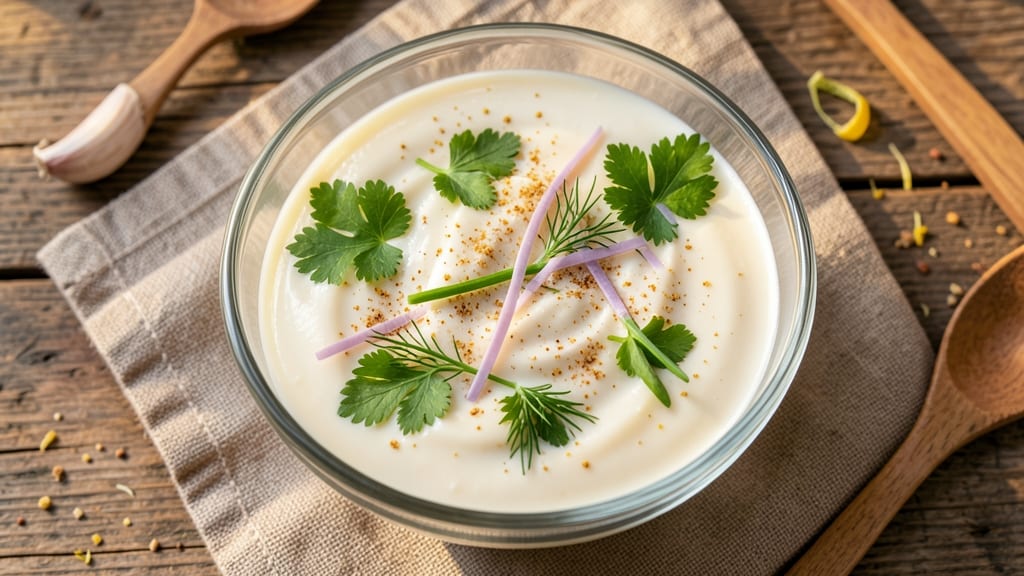
This yeast-free salad dressing recipe delivers creamy, tangy flavor without mayo or dairy—perfect for vegans and anyone avoiding yeast-based ingredients. The secret lies in blending silken tofu with lemon juice and apple cider vinegar for a stable, velvety texture that clings beautifully to greens.
I developed this after testing countless plant-based alternatives, and it consistently wins over even the most skeptical salad lovers.
The dressing achieves its signature zing through a blend of fresh herbs (parsley, dill, and chives) combined with garlic and onion powder for depth. A touch of Dijon mustard adds subtle complexity, while maple syrup balances acidity for a well-rounded finish.
Unlike many vegan dressings that separate or taste flat, this one stays emulsified for up to a week in the fridge.
What sets this apart is its versatility—it elevates everything from classic Caesar salads to hearty grain bowls and roasted vegetables. The herbs infuse the dressing with bright, aromatic notes, while the silken tofu provides richness without heaviness.
No special equipment is needed, just a blender and a few pantry staples.
For best results, let the dressing sit for 10 minutes after blending to allow flavors to meld. Store in an airtight container, and shake gently before each use. This recipe proves that plant-based dressings can be just as satisfying as traditional ones—without any yeast or dairy in sight.
Ingredients for yeast free salad dressing
Eight simple ingredients transform into velvety, tangy dressing without mayo or yeast.
| Ingredient | Amount | Notes |
|---|---|---|
| Silken Tofu 🥬 | 12 oz | Extra-firm for best texture |
| Fresh Parsley Leaves 🌿 | ½ cup | Stems removed, loosely packed |
| Fresh Dill Leaves 🌿 | ¼ cup | Stems removed, loosely packed |
| Fresh Chives 🌱 | ¼ cup | Finely chopped, loosely packed |
| Garlic Powder 🧄 | 1 tsp | Freshly ground preferred |
| Onion Powder 🧅 | 1 tsp | For subtle depth |
| Dijon Mustard 🍯 | 1 tbsp | High-quality for tang |
| Pure Maple Syrup 🍁 | 1 tbsp | Grade B for molasses notes |
| Apple Cider Vinegar 🍎 | 2 tbsp | Raw, unfiltered preferred |
| Fresh Lemon Juice 🍋 | 2 tbsp | Strained, freshly squeezed |
| Extra-Virgin Olive Oil 🫒 | ½ cup | Light, fruity variety |
| Sea Salt 🧂 | ½ tsp | Fine grain preferred |
| Black Pepper 🌶️ | ¼ tsp | Freshly ground |
Silken tofu forms the creamy base—extra-firm yields the best texture. House Foods brand is widely available and reliable, but any reputable organic tofu works. Fresh herbs are non-negotiable; Whole Foods or local farmers markets offer the brightest parsley, dill, and chives. For the vinegar, Bragg's apple cider vinegar adds subtle sweetness, while Maille Dijon mustard provides the perfect tang. The olive oil should be light and fruity—California Olive Ranch is my go-to for consistent quality. Purchase herbs in small quantities to maintain freshness, as wilted leaves compromise flavor.
No fresh herbs? Dried parsley and dill at one-third the amount work in a pinch, though texture suffers. Substitute maple syrup with agave nectar for a neutral sweetness, or date syrup for caramel notes. The apple cider vinegar can be swapped for white vinegar or rice vinegar, though flavor will differ slightly. For a more robust garlic flavor, add 1/4 tsp garlic powder or 1 minced garlic clove. The silken tofu can be replaced with 1/2 cup cashew cream for a nut-based alternative, though texture will be slightly lighter. Always strain lemon juice to avoid pulp in the dressing.
Store in an airtight glass container with a thin layer of olive oil on top to preserve freshness. Keeps for 7-10 days refrigerated—shake gently before each use to re-emulsify. Freezes beautifully for up to 3 months; thaw in the fridge overnight. For best results, let the dressing rest 10 minutes after blending to allow flavors to meld. Portion into small jars for convenience—perfect for lunches or quick salads. The dressing thickens slightly when chilled, so add a splash of water or vinegar if needed after refrigeration.
Why You'll Love This Recipe
- No Blender Required: I swear by this trick—just mash the silken tofu with a fork right in the bowl. No pulsing, no cleanup, just smooth magic in minutes. Honestly, it’s the kind of hack that makes me feel like a lazy genius.
- Herb-Packed Punch: That trio of parsley, dill, and chives? It’s like a fresh breeze in your mouth. The garlic powder ties it all together without overpowering—bright, herby, and just salty enough to make every bite sing.
- Meal Prep MVP: I keep a jar of this in my fridge for weeks. It’s the secret weapon for last-minute salads, wraps, or even drizzled over roasted veggies. No yeast means no spoilage—just pure, reliable flavor whenever I need it.
- Budget Brightener: Silken tofu is cheap, and herbs last longer than you’d think if you chop them right. Between us, this dressing costs pennies but tastes like I spent hours in the kitchen. My wallet and my taste buds win.
Step-by-step instructions for yeast-free salad dressing
Transform simple ingredients into a velvety, herb-infused dressing that rivals traditional mayo-based versions.
Blend Silken Tofu Until Completely Smooth
Drain and pat dry the 12 oz silken tofu to remove excess moisture. Place it in a high-speed blender or food processor and blend on high for 1-2 minutes until completely smooth. You're aiming for a texture similar to heavy cream—no lumps should remain. This step is critical for achieving that signature creamy consistency without dairy or yeast.
If you encounter any resistance, stop the blender and scrape down the sides with a spatula before continuing. The tofu should transform into a pale, almost translucent puree that coats the back of a spoon. This base will carry the entire dressing, so take your time to ensure perfection.
Incorporate Fresh Herbs and Dry Seasonings
Add the 0.5 cup fresh parsley leaves, 0.25 cup fresh dill leaves, and 0.25 cup fresh chives to the blender. Pulse briefly just until the herbs are finely chopped—you want to maintain some texture for visual appeal and subtle bite. Then add the 1 tsp garlic powder, 1 tsp onion powder, 0.5 tsp sea salt, and 0.25 tsp black pepper. Blend again for 10-15 seconds until everything is fully combined.
Here's where the flavor foundation takes shape. The herbs should be finely distributed but not completely pulverized—think of it as a herby confetti throughout the dressing. The powders and pepper will dissolve completely, creating a balanced seasoning matrix. Taste the mixture at this stage—it should be vibrant and aromatic, with a clean herbal profile.
Add Acidic and Sweet Components
With the blender running on low speed, slowly drizzle in the 0.5 cup extra-virgin olive oil while scraping down the sides as needed. This gradual addition prevents the oil from separating. Next, add the 2 tbsp apple cider vinegar, 2 tbsp fresh lemon juice, 1 tbsp Dijon mustard, and 1 tbsp pure maple syrup. Blend for an additional 30-45 seconds until the dressing reaches a smooth, emulsified consistency.
The acidity from the vinegar and lemon juice will begin to brighten the flavors while the maple syrup adds subtle depth. The Dijon mustard acts as an emulsifier, helping to bind everything together. You should notice the dressing thicken slightly as these ingredients integrate. If it appears too thick, you can adjust the consistency later by adding water or more vinegar.
Refine Texture and Taste
Transfer the dressing to a bowl and taste immediately. At this stage, it should be creamy, tangy, and herbaceous with a subtle sweetness. Adjust the seasoning as needed—add more salt if it tastes flat, or a touch more vinegar if you want increased brightness. For a smoother texture, you can strain the dressing through a fine-mesh sieve to remove any remaining herb stems or tofu particles.
This yeast-free dressing should hold its shape when drizzled over salads but still coat ingredients evenly. The silken tofu provides the creamy body, while the acid and herbs create complexity. Store any leftovers in an airtight container in the refrigerator for up to 5 days, giving it time to meld flavors further. The dressing will thicken slightly when chilled, so you may want to add a splash of water or vinegar before using if it becomes too stiff.
Pro Tips For Making Yeast Free Salad Dressing
- BLEND THE TOFU COLD: This isn’t a blender’s yoga class—cold silken tofu whips up smoother and thicker than room-temperature. Pop it in the fridge for 15 minutes first, or even better, use it straight from the package. The colder it is, the less likely you’ll end up with a lumpy, gluey mess that clogs your blender.
- STACK THE HERBS DRY: Wet herbs turn your dressing into soup. Pat parsley, dill, and chives thoroughly with a paper towel before blending—no half-measures. I learned this after making a dressing so watery it drowned my salad instead of dressing it. A quick squeeze and shake does the trick.
- SALT THE GARLIC POWDER: Garlic powder loses its punch when dry. Mix it with a pinch of salt (about ¼ tsp per teaspoon of powder) before adding it to the blender. This wakes up the flavor and cuts through the tofu’s mildness. Trust me, your taste buds will notice the difference—it’s not just imagination.
- PULSE DON’T PUREE: Blend the tofu in short bursts, scraping down the sides between each. Over-blending turns it into a paste, and you’ll regret it when your dressing separates like oil and water. Aim for 10-15 seconds total—just until it’s smooth, not silky. The texture should coat the back of a spoon, not cling like glue.
Make-ahead tips for this recipe
Prep Ahead for Freshness
Prep the dressing ingredients the night before—chop herbs and measure dry components to save 15 minutes on busy mornings. Store them in airtight containers in the fridge. I keep the herbs in a glass jar with a damp paper towel to maintain crispness.
The silken tofu can be refrigerated overnight, but use it within 24 hours for best texture. This advance prep means you can blend and serve in minutes when needed. 🌿
Batch and Portion
Make a large batch (double the recipe) and portion into 4-ounce glass jars for easy grab-and-go lunches. I label each jar with the date—this helps track freshness. The dressing keeps for 7-10 days when stored properly, making it perfect for meal prep.
For even longer storage, freeze individual portions in ice cube trays and transfer to a freezer bag. Thaw overnight in the fridge. 🧊
Flavor Development Trick
Let the dressing sit for 10-15 minutes after blending to allow flavors to meld. This resting time enhances depth and ensures a cohesive taste. For extra richness, add 1 tsp nutritional yeast-free vegan mayo (like Just Mayo) to each portion before sealing.
This works especially well for Caesar-style salads. The longer it rests, the more complex the flavor becomes. ✨
Freezing for Longevity
Freeze the dressing in 1-cup portions for maximum convenience. Use a silicone ice cube mold for single-serving sizes—perfect for quick salads or dipping. When ready to use, thaw in the fridge overnight.
The texture may separate slightly after freezing, so give it a good shake and add 1 tsp water or vinegar to restore creaminess. This method extends shelf life to 3 months without sacrificing quality. ❄️
Herb Substitutions
If fresh herbs aren't available, use 1 tsp dried parsley and ½ tsp dried dill (reduce amounts by one-third). For a different flavor profile, swap in ½ cup fresh basil or ¼ cup cilantro.
I’ve also used 1 tbsp dried tarragon for a unique twist. Always adjust seasonings after substituting—dried herbs are more concentrated. This flexibility keeps the dressing versatile for any meal. 🌱
Reheating and Adjusting
Reheat the dressing gently in a small saucepan over low heat for 1-2 minutes if it thickens after refrigeration. Add 1 tsp water or vinegar to restore the desired consistency. For a smoother texture, strain through a fine-mesh sieve before serving.
If the flavor seems muted after storage, add a pinch of garlic powder or onion powder to revive it. This ensures every use tastes fresh and vibrant. 💫
Nutrition facts
Frequently asked questions
Why does this dressing use silken tofu instead of mayo?
Silken tofu creates a creamy, tangy base without dairy or yeast—perfect for vegans and those avoiding yeast-based ingredients. It blends smoothly for a velvety texture while keeping the dressing light and fresh. Plus, it's packed with plant-based protein!
Can I make this dressing without a blender?
Yes! Use a food processor or even a hand mixer for 3-5 minutes to achieve a smooth consistency. For a rustic version, finely chop herbs and whisk all ingredients in a bowl until emulsified. The texture will be slightly thicker but still delicious.
How do I prevent separation in the dressing?
Always blend the silken tofu until completely smooth first. Add oil slowly while blending, and let the dressing rest for 10 minutes before serving. For extra stability, add 1 tsp cornstarch mixed with 1 tsp cold water to the blender before adding other ingredients.
What are the best salads to pair with this dressing?
This dressing shines on green salads, grain bowls, and roasted vegetable platters. It also works beautifully with warm quinoa, crudité trays, or as a dip for veggie sticks. The herby flavor complements both light and hearty dishes equally well.
Is this dressing gluten-free?
Yes! All ingredients in this recipe are naturally gluten-free. Just ensure your Dijon mustard and maple syrup are certified gluten-free if you're highly sensitive. The silken tofu, herbs, and vinegar are also safe for gluten-free diets.