
Salads
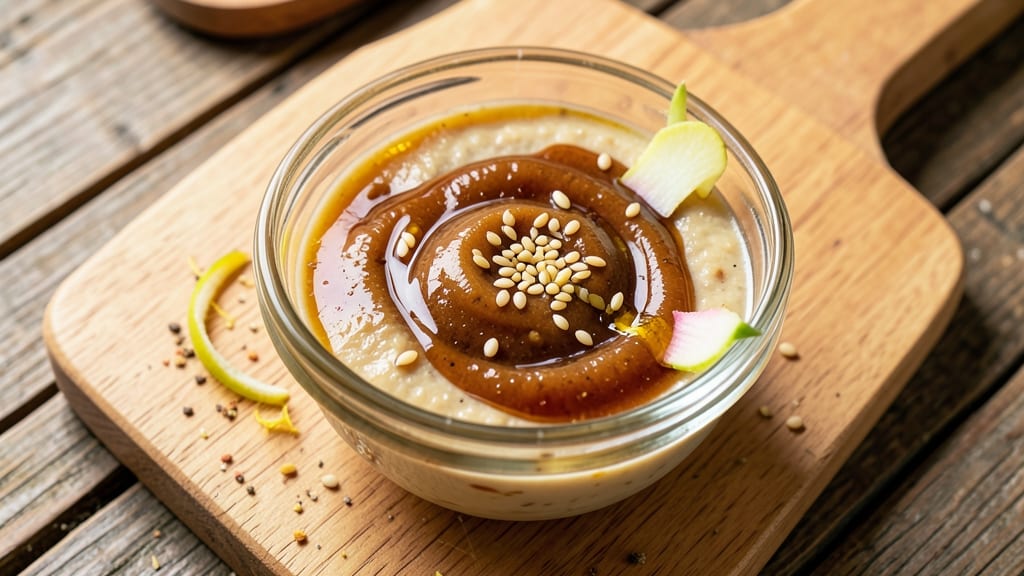
This vegan Asian salad dressing delivers restaurant-quality umami zing in just 5 minutes with simple pantry staples. The secret lies in balancing tangy rice vinegar, savory soy sauce, and toasted sesame oil for that signature Asian-inspired depth.
I developed this recipe after struggling to find a vegan dressing that didn't rely on fish sauce or dairy—now it's my go-to for everything from grain bowls to fresh greens.
The magic happens in the emulsification process, where a touch of maple syrup and cornstarch creates a silky, clingy texture that coats every bite. Unlike store-bought versions, this dressing stays vibrant for up to 10 days in the fridge and intensifies in flavor as it sits.
The ginger and garlic add subtle warmth, while a hint of chili brings just enough heat to wake up your taste buds.
What makes this dressing truly special is its versatility—drizzle it over steamed jasmine rice bowls, toss with cold soba noodles, or use as a marinade for tofu.
The soy-sesame base ensures deep umami flavor without any animal products, and the citrus notes keep it bright and refreshing. One batch becomes your new pantry essential.
For an extra boost, toast your own sesame seeds for added crunch and aroma. This dressing transforms simple salads into flavor-packed meals that feel indulgent yet guilt-free. Ready to elevate your plant-based dishes?
Ingredients for vegan asian salad dressing
Nine simple pantry staples transform into restaurant-quality Asian dressing with zero fish sauce.
| Ingredient | Amount | Notes |
|---|---|---|
| Rice Vinegar 🍶 | ½ cup | Unseasoned, white variety preferred |
| Tamari or Soy Sauce 🥢 | ⅓ cup | Tamari for gluten-free option |
| Toasted Sesame Oil 🫒 | 2 tbsp | For authentic aroma |
| Pure Maple Syrup 🍯 | 2 tbsp | Grade B for richer flavor |
| Cornstarch 🌾 | 1 tsp | For silky texture |
| Fresh Ginger 🧄 | 1 tbsp | Finely grated, peeled |
| Garlic Cloves 🧄 | 2 cloves | Minced, fresh preferred |
| Red Chili Flakes 🌶️ | ½ tsp | Adjust for heat preference |
| Toasted Sesame Seeds 🥜 | 1 tbsp | For garnish and crunch |
| Lemon Juice 🍋 | 1 tbsp | Freshly squeezed |
The tamari or soy sauce is non-negotiable for that signature umami depth. San-J Tamari or Kikkoman Soy Sauce are my go-tos—they're widely available and pack serious flavor. For the sesame oil, La Choy or Kadoya brands deliver that nutty aroma without overpowering. Fresh ginger and garlic? Always buy extra—you'll use them in everything once you start making this dressing. The maple syrup might seem like an odd choice, but it balances the acidity beautifully (and it's vegan-friendly). If you can't find Grade B, regular maple syrup works, but you'll miss that caramel-like richness.
No tamari? Coconut aminos in a pinch, though the flavor profile shifts slightly. Skip the sesame oil? Avocado oil at half the amount works, but you'll lose that signature aroma. The cornstarch is key for that silky texture—don't substitute with flour, or it'll get grainy. Chili flakes giving you pause? Fresh red chili or sriracha at half the amount adds heat without drying out the dressing. And if you're out of lemon juice, lime juice works too, though the flavor will be slightly more tart. Pro tip: Toast your own sesame seeds in a dry pan for 2 minutes—they'll smell amazing and add incredible texture.
This dressing keeps for 10 days in the fridge, and honestly, it tastes even better after a few days as the flavors meld. Store it in a sealed jar with the sesame seeds sprinkled on top to preserve freshness. For extra crunch, add a few more seeds before serving. If you make a big batch (double the recipe), freeze half in ice cube trays—just thaw and shake before using. The cornstarch might thicken it slightly after freezing, so add a splash of water if needed. Trust me, once you go homemade, store-bought will never cut it again.
Why You'll Love This Recipe
- Five-Ingredient Magic: I swear by this combo—just stir, taste, adjust. No measuring cups cluttering my counter, no fancy tools, just a bowl and my trusty spoon. That sesame oil alone? It’s the secret that makes everything taste like a takeout menu.
- Sweet-Savory Balance: The maple syrup cuts through the tangy rice vinegar and salty tamari like a pro, giving it that just-right depth. Honestly, I’ve tried store-bought dressings, but this one actually tastes like it belongs on my plate—not some chemical afterthought.
- Meal Prep MVP: Make a big batch on Sunday, and you’re set for the week. Drizzle it on greens, toss it with noodles, or even use it as a marinade. Between us, I’ve had this dressing last me two weeks—because once it’s gone, I’m making more.
- Pantry Staple Hack: You’re already using these ingredients? Then you’re halfway there. No need to buy specialty dressings—this is cheaper, healthier, and way more customizable. Plus, the cornstarch thickens it just enough to coat every bite, so no soggy salads here.
Step-by-step instructions for vegan Asian salad dressing
Here's how to blend this vibrant dressing with perfect balance and silky texture.
Prep and Toast the Aromatics
In a small dry skillet over medium-low heat, toast the 1 tablespoon toasted sesame seeds for 1-2 minutes until they release their nutty aroma and turn a deeper golden color. Watch closely—they'll darken quickly. Immediately transfer to a small bowl and set aside for garnish.
While the seeds toast, peel and finely grate the 1 tablespoon fresh ginger using a microplane or fine grater. You want a smooth paste with no visible fibers. In the same skillet, add the 2 cloves garlic cloves (minced) and cook for 30 seconds until fragrant but not browned. Remove from heat and transfer to a mortar or small bowl.
Whisk Together the Base Ingredients
In a medium bowl, combine the 0.5 cup rice vinegar, 0.33 cup tamari or soy sauce, and 2 tablespoons pure maple syrup. Whisk vigorously for 30 seconds to fully integrate the flavors. The vinegar should mellow slightly as it mixes with the sweet maple syrup, creating a balanced foundation.
Add the toasted garlic and ginger to the bowl, then whisk again for 20 seconds. This step ensures the aromatic compounds disperse evenly throughout the dressing. Taste the mixture now—it should be tangy, savory, and slightly sweet with a subtle heat from the ginger. If you want more heat, add up to 0.25 teaspoon more red chili flakes now.
Create the Silky Texture
In a separate small bowl, whisk together the 1 teaspoon cornstarch with 1 tablespoon cold water until smooth. This creates a slurry that will act as your thickener. Slowly pour the slurry into the dressing while whisking continuously for 1 minute. The mixture should begin to thicken noticeably as the cornstarch activates.
Finally, drizzle in the 2 tablespoons toasted sesame oil and 1 tablespoon lemon juice while whisking gently. The sesame oil adds depth and richness, while the lemon juice brightens the flavors. The dressing should now coat the back of a spoon with a glossy sheen—this indicates proper emulsification.
Adjust and Store
Taste the dressing and make final adjustments. Need more tang? Add ½ teaspoon more rice vinegar. Too thick? Thin with 1 teaspoon water at a time. The dressing should cling lightly to the back of a spoon but still pour smoothly. Transfer to a clean jar with an airtight lid.
For best flavor development, let the dressing sit at room temperature for 10-15 minutes before using. This allows the ingredients to marry fully. It will keep in the refrigerator for up to 2 weeks, though I find it's most vibrant within the first 5 days. Give it a good shake before each use to redistribute the sesame oil.
Pro Tips For Making Vegan Asian Salad Dressing
- STIR THE CORNSTARCH FIRST: Mix the cornstarch with a splash of cold rice vinegar before adding it to the hot liquid—this prevents clumping like I used to get when just tossing it in dry. A smooth slurry = no grainy texture in your dressing.
- USE TOASTED SESAME OIL LAST: Add the sesame oil after everything else cools slightly—heating it with the other ingredients kills its nutty aroma. Drizzle it in at the end and toss gently; it’s delicate and overmixing can turn it bitter.
- DILUTE THE TAMARI GRADUALLY: Start with half the tamari called for, taste, then add the rest—soy sauce is salty, and this dressing can turn too heavy fast. I’ve ruined batches by dumping it all in and realizing it needed more acid or sweetness to balance.
- WARM THE MAPLE SYRUP: Heat the maple syrup for 10 seconds in the microwave before mixing—it blends more evenly into the vinegar and tamari. Cold syrup sits like syrup in your dressing, no matter how much you stir. (Yes, even if you’re impatient like me.)
Regional styles of vegan asian salad dressing
Japanese-Inspired Sesame Dressing
For a lighter, more delicate flavor profile, swap the tamari for gluten-free tamari and add 1 teaspoon mirin to the base ingredients. This version pairs beautifully with mixed greens, cucumber, and edamame—perfect for a refreshing summer salad.
Use Kikkoman Mirin for authentic sweetness, and garnish with thinly sliced scallions for an extra layer of freshness. 🌿
Thai-Inspired Chili-Lime Zing
Boost the heat and brightness by adding 1 tablespoon lime juice (instead of lemon) and 1 teaspoon fish-free chili crisp (like Sriracha or Cholula). Stir in ½ teaspoon grated lime zest and 1 teaspoon rice wine vinegar for a tangy, spicy kick.
This version works wonders with shredded cabbage, carrots, and crushed peanuts for texture. 🌶️
Korean-Inspired Gochujang Glaze
Replace the tamari with 2 tablespoons gochujang paste (like Maesil Gochujang) and reduce the maple syrup to 1 tablespoon. Add 1 teaspoon toasted sesame oil and ½ teaspoon grated ginger for depth.
This dressing shines on kimchi, bulgogi tofu, or cold soba noodles. The gochujang adds a fermented, slightly sweet heat that’s addictive. 🔥
Vietnamese-Inspired Nuoc Cham Twist
For a brighter, herbaceous dressing, replace the tamari with 2 tablespoons coconut aminos and add 1 tablespoon lime juice and 1 teaspoon minced Thai basil. Swap the sesame oil for 1 teaspoon avocado oil and garnish with fresh cilantro and lime wheels.
This version is perfect for rice paper rolls, summer rolls, or grilled tofu bowls. 🍋
Chinese-Inspired Black Vinegar Dressing
Swap the rice vinegar for 2 tablespoons black vinegar (like Chinkiang vinegar) and reduce the tamari to ¼ cup. Add ½ teaspoon grated ginger and 1 teaspoon toasted sesame oil for a deeper, umami-rich flavor.
This dressing elevates steamed greens, bok choy, or cold sesame noodles with its bold, slightly smoky taste. 🥢
Nutrition facts
Frequently asked questions
Can I make this dressing without sesame oil?
Yes, but you'll lose that signature nutty aroma. Use 1 tablespoon avocado oil instead—it's neutral but still creates a smooth texture. For extra depth, add ½ teaspoon toasted sesame seeds directly to your salad after dressing. The flavor won't be identical, but it'll still taste delicious!
How do I adjust the heat level?
The recipe includes ½ teaspoon red chili flakes, but you can easily customize it. For milder heat, reduce to ¼ teaspoon or omit entirely. For spicier dressing, add ½ teaspoon more or stir in ½ teaspoon sriracha. Pro tip: Let the dressing sit for 10 minutes before tasting—heat often intensifies as flavors meld!
What's the best way to store leftovers?
Transfer to an airtight jar and store in the fridge for up to 2 weeks. The flavors actually improve over time! For longer storage, freeze in ice cube trays—just thaw overnight in the fridge and shake well before using. The cornstarch may thicken slightly after freezing, so add 1 teaspoon water if needed.
Can I use this dressing for non-salad dishes?
This versatile dressing works as a marinade for tofu or tempeh, a dipping sauce for spring rolls, or even a glaze for roasted vegetables. For marinades, use ¼ cup of dressing per pound of protein. The soy-tamari base makes it perfect for adding umami to any dish while keeping it plant-based.
Why did my dressing separate?
Separation usually happens when the cornstarch slurry isn't whisked properly or the sesame oil wasn't incorporated gently. To fix it, whisk vigorously for 1-2 minutes to re-emulsify. For prevention, always add the sesame oil last and whisk slowly. If it still separates, add 1 teaspoon water at a time until smooth again.