Salads
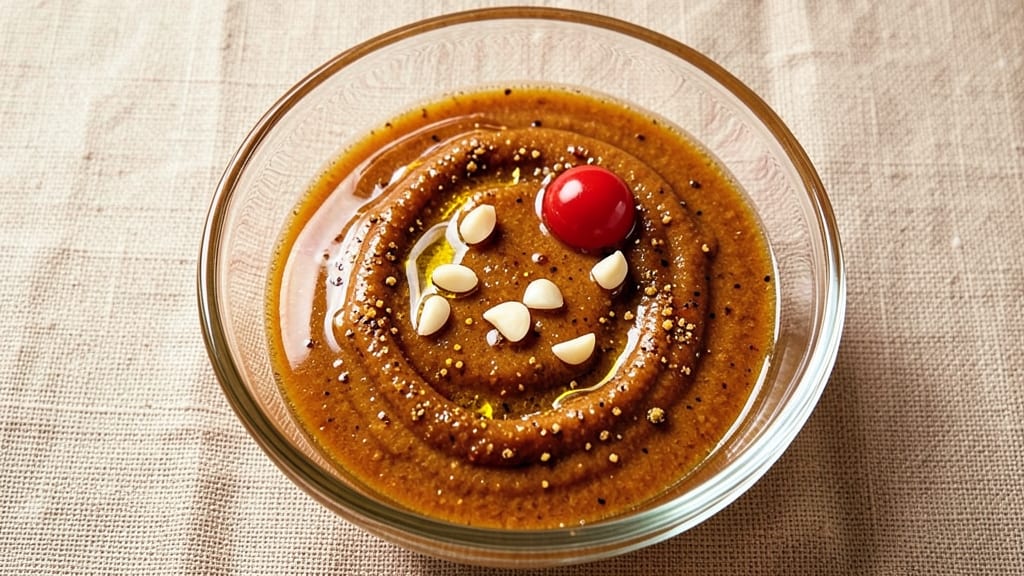
This coconut aminos salad dressing delivers bold umami flavor without the sugar crash, making it perfect for health-conscious eaters. The secret lies in balancing coconut aminos' savory depth with a touch of acidity and natural sweetness—no refined sugar needed.
What sets it apart is its gluten-free, soy-free profile, ideal for those avoiding common allergens or following elimination diets.
The dressing emulsifies effortlessly thanks to a simple mustard-oil base, creating a silky texture that clings beautifully to greens and proteins. Unlike store-bought versions packed with additives, this recipe relies on whole-food ingredients like apple cider vinegar for tang and maple syrup for subtle sweetness.
The result? A dressing that enhances salads, marinades, and even drizzled over roasted vegetables.
What you’ll love most is how versatile yet foolproof this recipe is—just whisk together the ingredients and store for up to a week in the fridge. The umami-rich coconut aminos cut through creamy avocado or hearty kale, while the vinegar keeps flavors bright.
It’s the kind of dressing that transforms simple meals into restaurant-worthy dishes without the guilt.
Whether you’re prepping for meal prep or craving a quick weeknight sauce, this dressing delivers restaurant-quality flavor with minimal effort. The best part? It’s adaptable—add fresh herbs for brightness or a dash of chili for heat. Let’s make it!
Ingredients for coconut aminos salad dressing
Ten whole-food ingredients create a restaurant-quality dressing without refined sugar or additives.
| Ingredient | Amount | Notes |
|---|---|---|
| Coconut Aminos 🥄 | ½ cup | High-quality, gluten-free, soy-free |
| Extra-Virgin Olive Oil 🫒 | ½ cup | Light, fruity variety preferred |
| Apple Cider Vinegar 🍏 | ¼ cup | Raw, unfiltered for tang |
| Pure Maple Syrup 🍁 | 1 tbsp | Grade B for depth of flavor |
| Dijon Mustard 🥬 | 1 tbsp | High-quality, whole-grain |
| Garlic Cloves 🧄 | 2 cloves | Freshly minced for aromatic punch |
| Fresh Ginger 🌿 | 1 tbsp | Finely grated, organic preferred |
| Sea Salt 🧂 | ½ tsp | Diamond Crystal preferred |
| Black Peppercorns 🌶️ | ¼ tsp | Freshly cracked for warmth |
| Sesame Oil 🫒 | ½ tbsp | Toasted, for nutty depth |
The coconut aminos is the star here—look for brands like Coconut Secret or Laotian brands at health food stores or bulk bins. Whole Foods or Sprouts carry reliable options, but check the label for added sugars or fillers. Fresh ginger and garlic elevate the umami profile, so invest in organic when possible. The Dijon mustard acts as an emulsifier, so Maille or whole-grain varieties work best. For the olive oil, California avocado oil or Spanish picual adds neutral balance without overpowering the dressing's bright flavors.
No coconut aminos? Soy sauce or tamari works in a pinch, though the flavor profile shifts slightly. Substitute maple syrup with date syrup or agave nectar for a similar viscosity. The sesame oil can be omitted if you prefer a lighter texture, but it adds incredible depth. For extra tang, lemon juice at half the vinegar amount brightens the dressing. Store-bought mustard too thick? Whisk in 1 tsp water to thin it before combining. The dressing's emulsification relies on proper ratios, so measure carefully—especially the vinegar and oil.
This dressing keeps beautifully for 1 week in the fridge when stored in an airtight jar. Shake well before each use, as separation is normal. For long-term storage, freeze in ice cube trays for 3 months, thawing gently in the fridge. The flavors actually improve over time, deepening as the ingredients meld. To use, whisk vigorously or blend briefly for a smoother texture. Perfect for drizzling over roasted vegetables, grain bowls, or as a marinade base—its versatility makes it a pantry essential.
Why You'll Love This Recipe
- Here’s what sold me: I make a big batch on Sundays, store it in the fridge, and toss it on anything. Cold chicken salad? Check. Wilted greens for work lunches? Done. Even my picky teen asks for seconds now.
- Five-Ingredient Magic: I swear by this combo—just whisk, taste, adjust. No fancy techniques, no stress. The coconut aminos cut through greens like a dream while the maple syrup keeps it from tasting like vinegar punch.
- Umami Sweet Spot: That salty-sweet balance? Chef’s kiss. The coconut aminos bring deep savory notes without overpowering, and the Dijon mustard adds a tangy kick. Drizzle it on kale or a grain bowl—suddenly, everything tastes intentional.
- Meal Prep MVP: Here’s what sold me: I make a big batch on Sundays, store it in the fridge, and toss it on anything. Cold chicken salad? Check. Wilted greens for work lunches? Done. Even my picky teen asks for seconds now.
Step-by-step instructions for crafting coconut aminos dressing
This umami-rich dressing delivers bold flavor without sugar's crash—precision matters at every stage.
Combine Wet Ingredients for Balanced Base
In a medium bowl, whisk together the 0.5 cup Coconut Aminos and 0.25 cup Apple Cider Vinegar until fully emulsified. The coconut aminos should dissolve completely—this prevents graininess in your final dressing. I like to use a fork first to break up any clumps before switching to a whisk for thorough blending.
Next, add the 0.5 cup Extra-Virgin Olive Oil in a slow, steady stream while continuing to whisk vigorously. This gradual incorporation creates a stable emulsion—the oil should blend smoothly without separating. The dressing should now have a glossy sheen and hold its shape when poured. If it looks cloudy, whisk for another 30 seconds to fully integrate the oil.
Incorporate Sweetness and Aromatics
Add the 1 tbsp Pure Maple Syrup, 1 tbsp Dijon Mustard, and freshly minced 2 cloves Garlic Cloves to the bowl. The maple syrup provides subtle sweetness that balances the vinegar's acidity, while the Dijon mustard adds depth and helps emulsify the dressing. Whisk until all ingredients are completely combined—you should see the garlic disperse evenly throughout the mixture.
Grate the 1 tbsp Fresh Ginger directly into the bowl using a fine grater. The fresh ginger adds a bright, zesty note that cuts through the richness of the olive oil. I find using a microplane works best for achieving that fine, even texture. Taste the mixture at this stage—it should be tangy with a developing umami profile, but not yet fully balanced.
Season and Finish with Nutty Depth
Add the 0.5 tsp Sea Salt and freshly cracked 0.25 tsp Black Peppercorns to the bowl. The salt enhances all the flavors while the pepper adds warmth. Give everything one final whisk to distribute the seasonings evenly. The dressing should now have a complex flavor profile with layers of umami, tang, and subtle sweetness.
Drizzle in the 0.5 tbsp Sesame Oil and whisk just until combined. The sesame oil adds a nutty depth that complements the coconut aminos beautifully. This is where the dressing comes together—taste again and adjust any seasoning if needed. The final texture should be silky with a slight cling, perfect for coating greens or drizzling over proteins.
Rest and Adjust for Perfect Consistency
Let the dressing rest at room temperature for 10-15 minutes before using. This resting period allows all the flavors to meld completely. During this time, check the consistency—if it's too thick, thin with 1-2 teaspoons of water at a time until you reach your desired pour. For a thinner dressing suitable for salads, you might need up to 1 tablespoon total. For a thicker glaze ideal for marinades, use the dressing as-is.
The dressing will keep in an airtight container in the refrigerator for up to 1 week. Before each use, give it a good shake and taste—sometimes flavors deepen after resting overnight. This dressing works beautifully on everything from Asian-inspired salads to grilled proteins, delivering that signature umami punch without any sugar crash.
Pro Tips For Making Coconut Aminos Salad Dressing
- Whisk in Stages: Start by mixing the coconut aminos and apple cider vinegar first—they’ll emulsify better before you add the oil. Drizzle in the olive oil slowly while whisking like you’re trying to win a race against separation (because you are).
- Use Warm Maple Syrup: Cold maple syrup can make the dressing clump like a stubborn snowball. Warm it slightly—just a few seconds in the microwave—so it blends smoother into the mustard and oil. Trust me, your dressing will thank you.
- Measure Mustard Precisely: Too much Dijon mustard and your dressing turns into a tangy paste. Too little, and it lacks that sharp backbone. Stick to 1 teaspoon per 3 tablespoons of vinegar—this is the ratio that actually works.
- Shake It Before Pouring: Coconut aminos often settle, leaving a murky layer at the bottom. Give the bottle a good shake before measuring to avoid a dressing that looks like it’s fighting for its life. A quick 10-second shake makes all the difference.
Pro cooking tips for this recipe
Emulsification Secrets
The Dijon mustard is your emulsifier—never skip it! Whisk it into the vinegar and coconut aminos first to create a stable base before adding oil. I use a wire whisk for 30 seconds to break down the mustard's proteins, which bind oil and water.
For extra stability, add the olive oil in a thin stream while whisking continuously—this prevents separation. If your dressing breaks, blend briefly with an immersion blender to restore its silky texture. 🥄
Flavor Balancing
Taste as you go! The apple cider vinegar provides acidity, but if it's too sharp, add ½ tsp more maple syrup. For extra umami depth, stir in 1 tsp nutritional yeast (it dissolves completely).
The sesame oil should be added last—just ½ tbsp—to avoid overpowering the delicate balance. If the dressing tastes flat, a pinch of smoked paprika adds warmth without altering the texture.
Equipment Upgrades
Skip the whisk for a handheld immersion blender—it creates a smoother texture in seconds. For precision, use a digital kitchen scale to measure the coconut aminos (½ cup = 120g).
A fine-mesh strainer catches any garlic or ginger bits if you prefer a silky finish. Store in a glass jar with a tight seal to prevent oxidation—plastic can absorb flavors over time.
Storage Hacks
This dressing thickens in the fridge—shake vigorously before each use. For long-term storage, freeze in 1-tbsp portions in ice cube trays. Thaw overnight in the fridge, then whisk with 1 tsp water to restore consistency.
Label your jar with the date—it peaks at 3-5 days but stays fresh for up to 1 week. The flavors actually improve as the ingredients meld! ❄️
Troubleshooting
If your dressing separates, whisk in 1 tsp water to re-emulsify. Too thick? Thin with ½ tsp water at a time. For a sweeter version, reduce the vinegar to 2 tbsp and add 1 tsp honey.
Need more heat? Swap ½ tsp black pepper for red pepper flakes. The key is patience—let it rest 10 minutes before tasting to let flavors develop fully.
Nutrition facts
Frequently asked questions
Can I make this dressing without Dijon mustard?
The Dijon mustard is key for emulsification, but you can substitute 1 tbsp whole-grain mustard or 1 tsp xanthan gum if needed. For a mustard-free version, blend the wet ingredients with an immersion blender first to create stability. The texture will be slightly thicker but still work well for drizzling.
How does this compare to traditional soy sauce dressings?
Unlike soy-based dressings, this version is gluten-free and soy-free while delivering deeper umami from coconut aminos. It's also lower in sodium (about 30% less than soy sauce) and has natural sweetness from maple syrup instead of refined sugar. The ginger and garlic add fresh complexity you won't find in store-bought versions.
What's the best way to use this dressing beyond salads?
This versatile dressing works as a marinade for tofu or chicken, a dip for spring rolls, or a glaze for roasted vegetables. Try reducing it by 1/3 on the stovetop for a sticky sauce, or mix with 1 tbsp tahini for extra creaminess. It also enhances grain bowls, noodle dishes, and even as a finishing drizzle on soups.
Why does my dressing separate after refrigeration?
Separation is normal—it's an emulsion! Shake vigorously before use, or blend briefly with an immersion blender to restore its silky texture. For extra stability, add 1/2 tsp lecithin powder (found in health stores) when making the dressing. The sesame oil can also contribute to separation, so reduce it to 1/4 tbsp if needed.
Can I adjust the flavor for spicy or sweet preferences?
For heat, add 1/2 tsp chili crisp or 1/4 tsp cayenne. For extra sweetness, increase maple syrup to 2 tbsp or add 1 tsp date syrup. Want more depth? Stir in 1 tsp miso paste (dissolved first) for umami richness. Always taste and adjust gradually—flavors meld after 10 minutes of resting.