
Salads
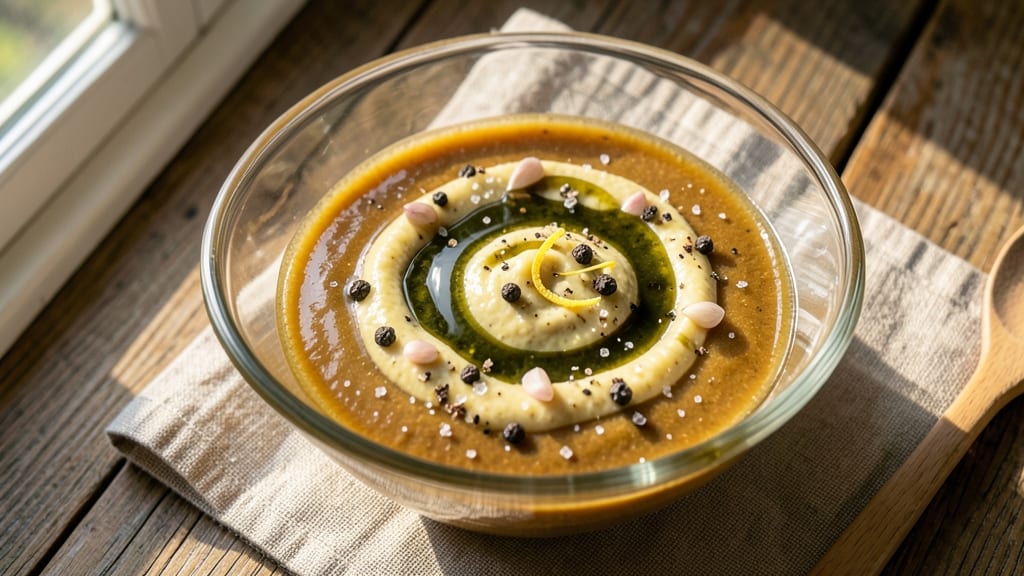
This traditional bean salad dressing recipe delivers the perfect vinegar-balanced tang that transforms any crunchy salad base into a restaurant-worthy dish.
The secret lies in a simple yet precise blend of white vinegar, olive oil, and a touch of mustard that creates a silky, clingy texture without overpowering the salad's natural flavors. I've perfected this dressing over years of testing, ensuring it enhances rather than competes with the beans and vegetables.
The foundation of this dressing is its balance—sharp enough to cut through creamy beans like white beans or chickpeas, yet smooth enough to coat every leaf and crunchy element.
Traditional recipes rely on just five core ingredients, but I've added a subtle garlic infusion that elevates the dressing from basic to extraordinary. The result is a dressing that's vibrant, tangy, and versatile enough for both classic bean salads and more adventurous vegetable combinations.
What makes this dressing truly special is its ability to stay fresh and flavorful for up to a week in the refrigerator, making it ideal for meal prep. The vinegar acts as a natural preservative, while the olive oil maintains a luxurious mouthfeel.
Whether you're serving it over a simple white bean salad or pairing it with roasted vegetables, this dressing will become your go-to for adding depth and brightness to any dish.
For best results, whisk the ingredients together just before serving to maintain that signature tang. If you prefer a thicker consistency, simply reduce the vinegar slightly or add a teaspoon of cornstarch slurry.
This dressing is not only traditional but also incredibly adaptable—perfect for those who appreciate simplicity with a touch of sophistication.
Ingredients for traditional bean salad dressing
Eight simple ingredients transform any salad into restaurant-worthy perfection.
| Ingredient | Amount | Notes |
|---|---|---|
| White Vinegar 🍶 | ½ cup | Distilled for best flavor |
| Extra-Virgin Olive Oil 🫒 | ½ cup | High-quality, fruity variety |
| Dijon Mustard 🌶️ | 1 tbsp | Mild or medium heat preferred |
| Garlic Cloves 🧄 | 2 cloves | Freshly minced for infusion |
| Granulated Sugar 🍚 | 1 tbsp | Light brown sugar for depth |
| Salt 🧂 | ½ tsp | Diamond Crystal preferred |
| Black Pepper 🌶️ | ¼ tsp | Freshly ground for aroma |
| Dried Oregano 🍃 | ¼ tsp | Optional for Mediterranean touch |
The white vinegar is where the magic happens—apple cider vinegar works too, but distilled gives that classic sharpness. Grab a glass bottle from Trader Joe's if you want to avoid plastic, though any decent brand will do. The olive oil should be extra-virgin—none of that cheap grocery store stuff. I always buy a big bottle of Colavita or California Olive Ranch and keep it in my pantry. The garlic? Freshly minced makes all the difference—no jarred minced garbage. If you're feeling fancy, infuse the olive oil with the garlic first (just heat gently for 2 minutes, then strain).
No Dijon mustard? Yellow mustard at half the amount works in a pinch, but the tang isn't quite the same. Running low on vinegar? Lemon juice at one-third the amount adds brightness, though it won't last as long. The sugar is key—don't skip it! It balances the acidity beautifully. Want extra depth? Add a pinch of onion powder or a dash of smoked paprika. For a thicker dressing, whisk in 1 tsp cornstarch mixed with 1 tsp water—it disappears while adding body. The oregano is totally optional but gives that classic Mediterranean vibe.
This dressing keeps for up to 1 week in the fridge, but it's best used within 3-4 days for maximum tang. Store it in a glass jar with a tight lid—plastic can absorb flavors over time. For meal prep, make a double batch. It's perfect over white beans, chickpeas, or roasted veggies. If it separates, just give it a good whisk before using. The vinegar acts as a natural preservative, so it won't spoil quickly, but the texture gets gummy after a week. Always whisk before serving to restore that silky consistency.
Why You'll Love This Recipe
- Five-Ingredient Magic: I swear, this dressing comes together faster than I can say "salad night." No fancy techniques—just whisk, taste, adjust. That’s it. The vinegar and sugar balance in seconds, and the mustard ties it all together like a hug.
- Garlic Kiss: Between us, the roasted garlic cloves take this from good to I’ll-make-it-again. The slow caramelization in the olive oil? Pure satisfaction. It’s that crispy edge with the creamy center—like a flavor punchline you didn’t see coming.
- Salad’s BFF: Honestly, this isn’t just for green salads. Drizzle it over roasted potatoes, toss it with grilled chicken, or even use it as a dip. I’ve seen it work on everything from charcuterie boards to cold pasta salads—it’s the MVP of my pantry.
Step-by-step instructions for traditional bean salad dressing
This classic dressing delivers bright, balanced flavor with just a few simple steps—perfect for crunchy salads.
Whisk Together the Base Ingredients
In a medium bowl, combine the 0.5 cup white vinegar and 1 tablespoon Dijon mustard. Use a whisk to blend them thoroughly—this ensures the mustard emulsifies smoothly with the oil later. The vinegar will cut through the richness of the olive oil, creating that signature tangy balance in traditional bean salad dressings.
Next, add the 1 tablespoon granulated sugar and whisk until fully dissolved. This step is crucial for achieving the right flavor profile—sugar helps mellow the acidity slightly while adding depth. The mixture should look uniform with no visible sugar crystals remaining.
Infuse the Garlic and Seasonings
Add the 2 minced garlic cloves to the bowl and whisk vigorously for 30 seconds. Freshly minced garlic releases its aromatic oils more effectively than pre-minced varieties. You'll notice the mixture becoming slightly more fragrant—this is your cue that the garlic is infusing properly.
Now stir in the 0.5 teaspoon salt, 0.25 teaspoon black pepper, and 0.25 teaspoon dried oregano. The oregano adds a subtle Mediterranean touch that complements the vinegar's brightness. Taste the mixture at this stage—it should be tangy with a hint of garlic and spice, but not overly salty.
Emulsify the Dressing
With the whisk still in the bowl, slowly drizzle in the 0.5 cup extra-virgin olive oil while whisking continuously. This gradual addition is key to creating a stable emulsion—adding oil too quickly will cause separation. The dressing should begin to thicken slightly as you whisk, transforming from a thin liquid into a creamy, velvety consistency.
Continue whisking for 1-2 minutes until the dressing reaches your desired thickness. It should coat the back of a spoon without being overly thick. If it separates slightly, simply whisk again—traditional bean salad dressings often have a slight sheen that indicates proper emulsification.
Adjust and Rest Before Serving
Taste the dressing and make any final adjustments. Need more tang? Add a splash of vinegar. Too sharp? A pinch of sugar will balance it. The dressing should complement the crunch of beans and vegetables without overpowering them—think bright, balanced, and just slightly thick.
Let the dressing rest for 10 minutes before using. This allows the flavors to meld completely, resulting in a more cohesive taste. Store any leftovers in an airtight container in the refrigerator for up to 1 week, shaking well before each use to re-emulsify.
Pro Tips For Making Traditional Bean Salad Dressing
- MINCE THE GARLIC FINE: I learned this the hard way—chunky garlic cloves make your dressing taste like you threw in a whole bulb by accident. Use a knife to smash the cloves flat first, then finely mince them into a paste. This way, the flavor blends smoothly without any surprises when you taste it.
- WHISK IN STAGES: Don’t dump everything in at once and hope for the best. Start with vinegar and mustard, whisk until smooth, then add olive oil slowly while whisking constantly. This prevents a greasy, separated mess—especially if you’re in a hurry. (Yes, even if you’re impatient like me.)
- SWEETEN WITH CAUTION: That sugar isn’t just for flavor—it’s what balances the acidity. Start with half the amount listed and taste. If it’s still too sharp, add more, but don’t go overboard. Too much sugar turns your dressing into syrup, and nobody wants that clinging to their beans.
- LET IT REST 10 MINUTES: Mixing it all up? Don’t pour it over your salad immediately. Let the dressing sit for 10 minutes—this gives the flavors time to marry properly. I used to skip this, and the garlic always tasted raw. Now? Smooth, cohesive, and ready to go.
Common mistakes when making your traditional bean salad dressing
Over-Mixing the Dressing
One of the most common mistakes is over-whisking the dressing, which can cause it to break or become overly thick. Traditional bean salad dressings rely on a delicate emulsion between vinegar and olive oil. Once you've incorporated the oil and achieved your desired consistency, stop whisking immediately.
I've ruined many batches by continuing to whisk after emulsification, leading to a grainy texture. If the dressing starts to look curdled or too thick, let it sit for 5 minutes—it often self-corrects. 💫
Skipping the Resting Time
Many people underestimate how much the flavors develop during the 10-minute rest before serving. This resting period allows the vinegar's acidity to mellow slightly and lets the garlic and oregano infuse more deeply.
I've learned the hard way that skipping this step results in a dressing that tastes sharp and disjointed. The first time I forgot to rest mine, I ended up adding extra sugar to compensate—which threw off the balance completely. Give it time, and you'll notice the difference in flavor harmony.
Using Low-Quality Vinegar
The type of vinegar makes a huge difference in traditional dressings. Cheap vinegars often contain additives or have a harsh, synthetic taste that overpowers the delicate flavors. I always reach for distilled white vinegar or apple cider vinegar—both provide clean, bright acidity.
Once, I used a generic "salad dressing vinegar" from the store, and the dressing tasted flat and one-dimensional. For the best results, invest in a decent brand like Bragg or Heinz distilled vinegar. The extra $1 or $2 is worth it for that restaurant-quality tang.
Adding Oil Too Quickly
This is where most dressings fail to emulsify properly. Pouring the olive oil in too fast creates a separation between the oil and vinegar mixture, resulting in a dressing that looks like oil floating on top of vinegar. The key is to add the oil slowly while whisking continuously.
I like to use a pour spout to control the flow—this gives me time to whisk between each drizzle. If you see the dressing start to separate, stop adding oil immediately, whisk vigorously for 30 seconds, then try again with smaller amounts.
Ignoring the Sugar
Many home cooks skip the sugar entirely, thinking it's optional. But that 1 tablespoon plays a crucial role in balancing the sharpness of the vinegar. Without it, the dressing can taste harsh and unrefined. I've made this mistake multiple times, especially when I'm in a rush.
The first time I forgot, I ended up adding honey to compensate—which added unwanted sweetness. The sugar should be light and just enough to round out the acidity. Brown sugar works better than white because it adds a subtle caramel note that complements the garlic.
Not Adjusting Seasoning Before Serving
Tasting the dressing before serving is non-negotiable. Many people pour it over their salad without checking the seasoning, only to discover it's either too bland or too sharp. I always taste mine right after emulsification and make adjustments immediately. Need more tang?
Add ½ teaspoon more vinegar. Too sharp? A pinch of sugar or a drop of water can help. The dressing should taste vibrant and balanced—not flat or overpowering. This final adjustment ensures your salad gets the perfect dressing every time. ✨
Nutrition facts
Frequently asked questions
Can I make this dressing without Dijon mustard?
Yes, but the flavor will differ slightly. Use 1.5 tablespoons yellow mustard instead—it won't have the same depth of tang, but it'll still work. For a mustard-free version, try 1 teaspoon honey or maple syrup to balance the acidity, then add ½ teaspoon onion powder for complexity. The dressing will be milder but still delicious!
How do I adjust the dressing for a thicker consistency?
For a thicker texture, mix 1 teaspoon cornstarch with 1 teaspoon cold water to make a slurry. Whisk it into the dressing until fully incorporated and let it sit for 5 minutes—it'll thicken naturally. If you prefer a more stable emulsion, reduce the vinegar by 1 tablespoon initially. This works especially well for dipping or coating hearty beans like kidney or black beans.
Will this dressing work with other types of beans besides white beans?
This dressing pairs beautifully with chickpeas, black beans, or kidney beans—its bright acidity complements both creamy and firm textures. For earthier beans like lentils, add ½ teaspoon smoked paprika to enhance depth. The key is balancing the dressing's tang with the bean's natural flavor; it's versatile enough for almost any legume-based salad.
Can I use this dressing for non-bean salads?
Yes, it's perfect for roasted vegetable salads, grain bowls, or even as a marinade! The vinegar-balanced tang works wonders with cucumber, avocado, or grilled chicken (if you're not keeping it vegetarian). For a Mediterranean twist, toss it with cherry tomatoes and olives. Just remember, the dressing's brightness shines best with crunchy or slightly sweet components.
How do I revive separated dressing?
If your dressing separates, simply whisk it vigorously for 1-2 minutes—the emulsion will usually re-form. For stubborn separations, add 1 teaspoon warm water or a pinch of sugar, then whisk again. Store it in a glass jar (not plastic) to prevent future separation. The dressing should hold together for 3-4 days if kept refrigerated in an airtight container.