Salads
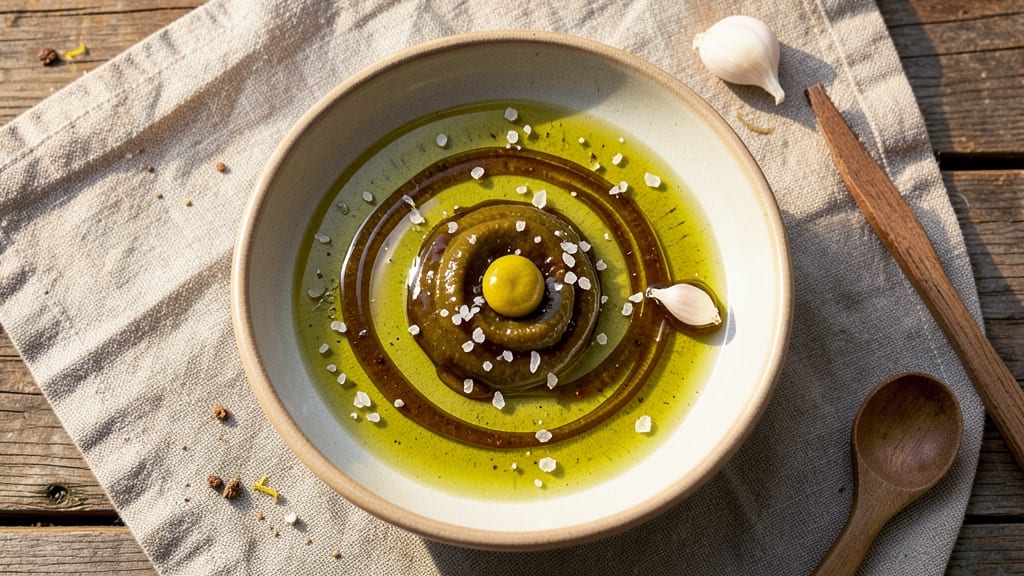
This sweet vinegar salad dressing recipe transforms simple greens into a vibrant, flavor-packed meal with just six ingredients and five minutes of prep. The secret lies in balancing sweet apple cider vinegar with honey, Dijon mustard, and olive oil—creating a dressing that's tangy yet smooth, rich without being heavy.
I developed this after years of struggling with dressings that were either too sharp or cloyingly sweet, and it finally delivers that perfect harmony.
The magic happens when you emulsify the ingredients properly—whisking vigorously until the dressing thickens slightly but remains silky. This technique ensures every bite of your salad gets that perfect balance of sweetness, acidity, and fat.
The dressing works equally well on mixed greens, grain bowls, or even as a marinade for grilled chicken, adding depth without overpowering the main dish.
What makes this recipe stand out is its versatility—use it immediately or store it in the fridge for up to two weeks. The sweet-tangy profile pairs beautifully with bitter greens like arugula, earthy ingredients like roasted squash, or even as a finishing drizzle on avocado toast.
The result? A dressing that elevates any dish while keeping prep effortless.
For an extra layer of flavor, consider adding a pinch of smoked paprika or fresh herbs like basil or tarragon. The dressing is also gluten-free and can be easily adjusted to suit your sweetness preference—just tweak the honey-to-vinegar ratio.
Ready in just five minutes, this recipe is your go-to for effortless, restaurant-quality flavor.
Ingredients for sweet vinegar salad dressing
Six ingredients blend to create this perfectly balanced sweet vinegar dressing—no fancy tools needed.
| Ingredient | Amount | Notes |
|---|---|---|
| Apple Cider Vinegar 🍏 | ½ cup | Raw, unfiltered preferred |
| Extra-Virgin Olive Oil 🫒 | ½ cup | Light or fruity variety |
| Honey 🍯 | ¼ cup | Raw or wildflower preferred |
| Dijon Mustard 🌶️ | 1 tbsp | Mild or classic variety |
| Garlic Cloves 🧄 | 2 cloves | Fresh, minced or pressed |
| Sea Salt 🧂 | ½ tsp | Fine grain preferred |
The apple cider vinegar is the heart of this dressing—Bragg or Texas Pete are my go-tos for that authentic tang. Look for raw, unfiltered varieties at Whole Foods or your local health food store; they've got more flavor complexity. Honey should be raw or wildflower—it adds floral notes that regular grocery store honey can't match. If you're using store-bought honey, make sure it hasn't crystallized. The Dijon mustard? Maille or Whole Foods brand are my favorites—they've got that perfect balance of sharpness without being overpowering. Fresh garlic matters here—roasted garlic works too if you prefer a milder flavor.
No apple cider vinegar? White vinegar or balsamic vinegar work in a pinch, though the flavor will be different. Short on honey? Maple syrup or agave nectar are great substitutes, though they'll shift the flavor slightly. The mustard can be swapped for whole-grain mustard if you prefer a nuttier profile. If you're avoiding garlic, garlic powder at half the amount gets you close. For a smoother dressing, blend the garlic with the vinegar first—immersion blender works perfectly. The olive oil should be light or fruity—avoid extra-virgin if you're sensitive to strong flavors.
This dressing keeps beautifully—2 weeks in the fridge in a sealed jar. The flavors actually meld better over time, so make extra. If it separates, just give it a good whisk before using. For meal prep, portion into small jars so you can grab exactly what you need. The dressing works best at room temperature, so let it sit for 5 minutes before tossing with your salad. If you're using it as a marinade, use within 3 days for best results.
Why You'll Love This Recipe
- Five-Ingredient Magic: That’s all it takes—no fancy techniques, no measuring cups that confuse me. I just toss apple cider vinegar, olive oil, honey, mustard, and minced garlic into a jar, shake, and boom—done. No straining, no peeling, no stress.
- Sweet-Tangy Balance: Honestly, the honey and vinegar combo is chef’s kiss. The sharpness of the apple cider vinegar cuts through the richness of olive oil, while the honey rounds it out—like a hug for your taste buds. The Dijon mustard? That’s the secret—it adds depth without overpowering.
- Weeknight Workhorse: This dressing is my go-to for everything: a quick chicken salad, a tossed green salad, or even drizzled over roasted veggies. (Yes, even on a Tuesday night.) It’s the kind of thing that makes me look like a meal-prep pro, even when I’m just throwing things together.
- Lasts All Week: Between us, I make a big batch on Sunday and it’s still bright and tangy by Friday. No sad, watery dressings here—the vinegar and oil keep it fresh, and the honey prevents separation. Plus, it’s cheaper than buying fancy bottles, and I control the sweetness.
Step-by-step instructions for sweet vinegar salad dressing
This dressing balances sweetness and tang perfectly—simple steps for a creamy, flavorful finish.
Whisk Vinegar and Honey Until Fully Combined
In a medium bowl, combine the 0.5 cup apple cider vinegar and 0.25 cup honey. Whisk vigorously for 30 seconds until the honey dissolves completely. You'll notice the mixture will become slightly cloudy as the honey integrates—this is normal and indicates proper emulsification. If you prefer a smoother texture, warm the honey slightly before adding it to the vinegar.
This step is critical for achieving balance. The honey's viscosity helps create a stable emulsion later, while the vinegar's acidity cuts through the sweetness. Taste the mixture now—it should be noticeably tangy with a strong sweet undertone. If the flavor seems too sharp, add an extra ½ teaspoon honey; if it's too cloying, increase the vinegar by 1 tablespoon.
Gradually Add Olive Oil While Whisking Constantly
With the whisk still in the bowl, slowly drizzle in the 0.5 cup extra-virgin olive oil while whisking continuously. Start with a slow stream to prevent the oil from separating, and maintain a steady pace. After about half the oil is incorporated, the mixture will begin to thicken noticeably. Keep whisking for another 1-2 minutes until the dressing reaches a smooth, creamy consistency.
This gradual addition is key—adding oil too quickly causes the dressing to break. You'll know it's properly emulsified when the mixture holds its shape when drizzled from the whisk. If it separates, simply whisk vigorously for another 30 seconds to re-emulsify. The olive oil provides richness and helps balance the dressing's acidity, so don't skip this step.
Incorporate Mustard and Garlic for Depth of Flavor
Add the 1 tablespoon Dijon mustard and 2 minced garlic cloves to the bowl. Whisk for 30 seconds until the mustard is fully dissolved and the garlic is evenly distributed. The mustard acts as a natural emulsifier, helping to stabilize the dressing further. At this point, the mixture should be thick, glossy, and well-blended.
Taste the dressing again—you should detect a subtle tang from the mustard and a mild garlic aroma. If the flavor feels flat, add an extra ¼ teaspoon sea salt or a pinch of black pepper. The mustard and garlic add complexity that elevates the dressing beyond simple sweet-and-sour. If you're sensitive to garlic's intensity, reduce the amount to 1 clove or use garlic powder instead.
Finish with Salt and Adjust to Taste
Add the 0.5 teaspoon sea salt and whisk for 10 seconds to fully incorporate. Taste the dressing again and make any final adjustments. If it needs more sweetness, add 1 teaspoon honey; if it's too sweet, add ½ teaspoon vinegar. The dressing should coat the back of a spoon with a smooth, velvety texture and have a balanced flavor profile—bright, tangy, and slightly sweet with a hint of garlic.
Let the dressing sit for 5 minutes at room temperature to allow the flavors to meld. This resting period enhances the garlic's aroma and ensures the honey fully integrates. Store any unused dressing in an airtight container in the refrigerator for up to 1 week, shaking well before each use. The dressing will thicken slightly when chilled—thin with a splash of water or vinegar if needed.
Pro Tips For Making Sweet Vinegar Salad Dressing
- Whisk in Stages: Start by mixing the vinegar, honey, and Dijon—this keeps the honey from clumping when you add the oil later. Then drizzle in the olive oil slowly while whisking constantly, or you’ll end up with a greasy, unemulsified mess. (I learned this after making a salad dressing that looked like a science experiment gone wrong.)
- Mince That Garlic: Skip the press—it releases too much juice and makes the dressing watery. Instead, finely mince the garlic cloves with the flat of your knife before adding it to the mix. You’ll get way more flavor without the slimy texture. (Yes, it takes 30 seconds extra, but your dressing will taste like it.)
- Balance the Sweetness: Taste before adding all the honey—vinegar and honey are a team, but too much honey turns this dressing into syrup. Start with 1 tablespoon less than the recipe calls for, then adjust. You can always add more honey, but you can’t take it out. (Trust me, I’ve cried over ruined dressings.)
- Use Room-Temp Ingredients: Cold honey thickens and separates when mixed with oil, and chilled vinegar won’t emulsify properly. Let your honey sit out for 10 minutes before measuring, and take the vinegar and mustard out of the fridge 5 minutes early. Your dressing will come together smoother, and you’ll avoid that weird grainy texture. (I know, I know—patience isn’t your strong suit either.)
Wine and beer pairings for these flavors
White Wine Pairings
A crisp, dry Sauvignon Blanc from New Zealand or Loire Valley is my go-to pairing for this dressing—its bright citrus and herbal notes complement the apple cider vinegar and honey beautifully. Look for wines with 12-13% ABV and moderate acidity to match the dressing's tang.
The Marlborough region in New Zealand produces excellent options like Cloudy Bay Sauvignon Blanc, which has a zesty finish that cuts through the richness of greens like arugula or spinach. 🍷
For a slightly sweeter touch, try a German Riesling with off-dry characteristics—wines from the Mosel region often have that perfect balance between sweetness and acidity.
The Dr. Loosen Blue Slate Riesling is a fantastic choice, as its honeyed apple and peach notes mirror the dressing's sweetness while the wine's acidity keeps the palate refreshed. Serve chilled at 45-48°F for the best experience.
Rosé Wine Pairings
A dry Provence rosé is an unexpected but perfect match for this dressing, especially when paired with grilled chicken or roasted vegetables. The whisper-thin style from Provence, like Château d'Esclans Whispering Angel, has delicate strawberry and citrus notes that harmonize with the dressing's sweet-tangy profile.
Opt for rosés with 12-13.5% ABV and high acidity to balance the richness of the olive oil in the dressing. Serve slightly chilled at 50-52°F to enhance the wine's freshness.
Beer Pairings
A Belgian Witbier like Hoegaarden or Stella Artois is my favorite beer pairing—its corianander and orange peel notes complement the dressing's sweetness while the effervescence cleanses the palate. The light, crisp body of these beers ensures they don’t overpower the dressing but instead enhance its flavors.
For a bolder option, try a German Helles Lager, such as Weihenstephaner Original, which has a malt-forward profile that pairs beautifully with the honey and olive oil in the dressing. Serve at 40-45°F for the best balance of flavor and refreshment. 🍺
Cider Pairings
If you prefer a non-alcoholic or lower-alcohol option, a dry hard cider like Strongbow Original or Angry Orchard Crisp Apple works wonderfully. The tart apple notes in these ciders mirror the apple cider vinegar in the dressing, creating a cohesive flavor experience.
For a sweeter cider, try Woodchuck Hard Cider—its honeyed apple and caramel undertones enhance the dressing's sweetness without overpowering it. Serve chilled at 40-45°F to highlight the cider's crispness.
Seasonal Adaptations
In summer, when the dressing's bright flavors shine, pair it with a sparkling wine like Prosecco or Cava for a festive touch. The effervescence and fruity notes of these wines elevate the dressing's sweetness, making it perfect for outdoor gatherings.
For winter, a dry sparkling wine such as Champagne or a German Sekt adds a luxurious contrast to the dressing's warmth, especially when paired with roasted root vegetables or hearty grain bowls. 🍇
Nutrition facts
Frequently asked questions
Can I substitute apple cider vinegar with another type of vinegar?
Yes! For a similar sweet-tangy balance, try balsamic vinegar (use ¼ cup and add 1 extra tablespoon honey) or white wine vinegar (add ½ teaspoon extra salt to enhance flavor). Avoid apple vinegar—it's too mild and lacks the fruity depth. For a sharper kick, rice vinegar works but may need 1 extra teaspoon honey to balance the acidity.
How do I fix a dressing that separated after storing?
Simply whisk vigorously for 30-60 seconds until smooth. If it still separates, add 1 teaspoon Dijon mustard (it's a natural emulsifier) and whisk again. For a quick fix, blend with an immersion blender for 10 seconds. The dressing should re-emulsify—if not, it's time to make a fresh batch. This happens when oil and vinegar separate over time, especially in cold temperatures.
What are the best salads to pair with this dressing?
This dressing shines on bitter greens like arugula, radicchio, or endive, where the sweetness balances their sharpness. It also works beautifully with roasted squash salads, grain bowls (quinoa or farro), or even as a marinade for grilled chicken. For a dessert twist, drizzle over fresh fruit salads with berries or peaches. The honey and vinegar create a perfect balance with both savory and sweet dishes.
Can I make this dressing without honey?
Swap honey for maple syrup (use ¼ cup) or agave nectar (same amount) for a vegan option. For a lower-sugar version, try date syrup (reduce to 2 tablespoons) or even light brown sugar dissolved in warm water (use 2 tablespoons sugar + 1 tablespoon water). The texture may be slightly thinner, so add ½ teaspoon xanthan gum if needed to thicken.
Why does my dressing taste too sharp or too sweet?
Too sharp? Add 1-2 teaspoons honey or 1 teaspoon maple syrup and whisk until dissolved. Too sweet? Balance it with ½ teaspoon extra vinegar or a pinch of lemon juice. Taste as you go—adjust in ¼-teaspoon increments until you hit that perfect sweet-tangy harmony. The key is to let the dressing sit for 5 minutes after mixing so flavors meld properly before tasting.