
Salads
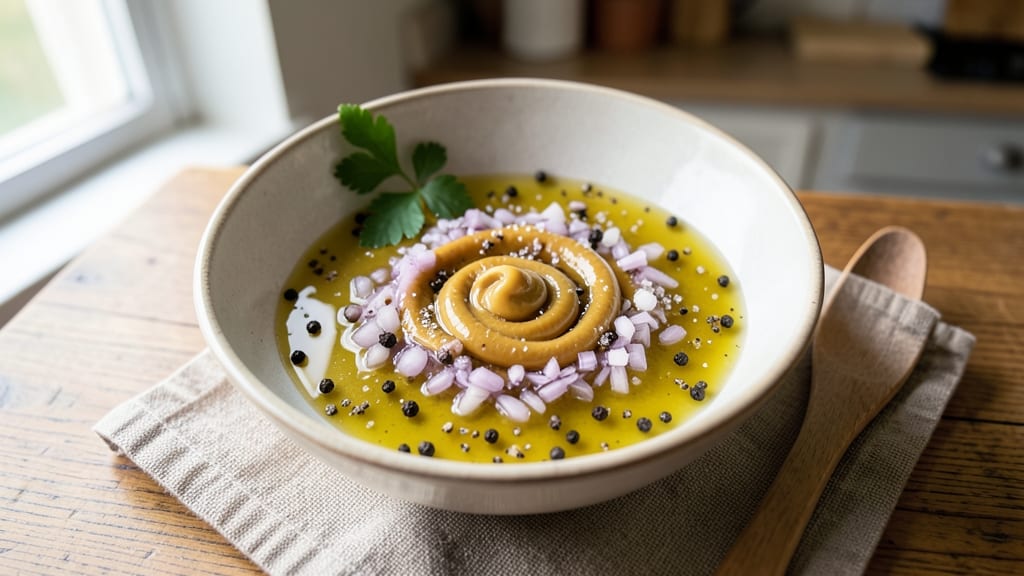
A classic vinaigrette salad dressing recipe transforms any salad from ordinary to extraordinary with its bright, balanced flavor profile. This timeless dressing combines simple ingredients—oil, vinegar, and emulsifiers like Dijon mustard—to create a versatile sauce that elevates everything from simple greens to hearty grain bowls.
The key lies in achieving the perfect ratio of acidity and richness, ensuring every drizzle delivers that signature tangy crunch.
The beauty of this recipe is its adaptability—use it as a salad dressing, marinade, or finishing drizzle for roasted vegetables and proteins. With just five ingredients and a few minutes of whisking, you’ll have a dressing that’s far superior to store-bought versions.
The secret to a smooth, stable emulsion is patience: slowly drizzle the oil while continuously whisking to prevent separation.
What sets this vinaigrette apart is its ability to brighten any dish without overpowering it. The acidity of vinegar cuts through rich ingredients, while the oil adds a luxurious mouthfeel.
Whether you prefer a bold red wine flavor or a milder apple cider base, this dressing adapts effortlessly to your taste preferences.
Store it in an airtight container in the refrigerator for up to a week, shaking well before each use. For extra versatility, experiment with herbs, garlic, or citrus zest to customize the flavor to your liking. This is the dressing that will become your go-to for years to come.
Ingredients for classic vinaigrette salad dressing
Eight essential ingredients create the perfect vinaigrette balance of acidity and richness.
| Ingredient | Amount | Notes |
|---|---|---|
| Extra-Virgin Olive Oil 🫒 | ¾ cup | High-quality, fruity variety preferred |
| Red Wine Vinegar 🍷 | ¼ cup | Bold, dry vinegar for authentic flavor |
| Dijon Mustard 🌶️ | 1 tbsp | For smooth emulsion and tang |
| Granulated Sugar 🍚 | 1 tsp | Balances acidity, adjust to taste |
| Diamond Crystal Kosher Salt 🧂 | ½ tsp | Fine grain for even distribution |
| Freshly Ground Black Pepper 🌶️ | ¼ tsp | Freshly cracked for maximum aroma |
| Shallot Cloves 🧅 | 1 whole | Minced for subtle sweetness |
| Garlic Cloves 🧄 | 1 whole | Peeled and minced for depth |
The olive oil is non-negotiable—California Avocado or Colavita brands deliver the best fruity notes. Red wine vinegar should be bold and dry; Bartles & Jaymes or Bragg are reliable choices. For Dijon mustard, Maille is the gold standard, though any high-quality brand works. The shallots and garlic should be fresh—organic produce sections at Whole Foods or Trader Joe's are ideal for vibrant flavor. Salt and pepper matter too: Diamond Crystal kosher salt dissolves smoothly, while freshly cracked pepper adds aromatic complexity.
No red wine vinegar? Apple cider vinegar or balsamic vinegar work in a pinch, though flavor shifts slightly. Substitute Dijon mustard with whole-grain mustard at half the amount for a grainier texture. Sugar can be swapped for honey or maple syrup, but taste first—vinegar is acidic enough. For a sharper flavor, add lemon juice at 1:1 ratio with vinegar. The shallot and garlic can be omitted if you prefer a cleaner profile, but they add depth that's hard to replicate.
Store in a clean, glass jar with an airtight seal in the fridge for up to 1 week. Shake vigorously before each use to re-emulsify. For longer storage, transfer to a sterilized container and freeze for 3 months. Thaw in the fridge overnight, shaking well. This dressing holds its balance beautifully—perfect for batch prep when hosting or meal prepping.
Why You'll Love This Recipe
- I swear by this combo: just whisk olive oil, vinegar, and mustard—no blender, no straining, no stress. The sugar and salt dissolve in seconds, and boom, you’re done. (Yes, even when I’m scrolling through my phone at the same time.)
- No-Fuss Magic: I swear by this combo: just whisk olive oil, vinegar, and mustard—no blender, no straining, no stress. The sugar and salt dissolve in seconds, and boom, you’re done. (Yes, even when I’m scrolling through my phone at the same time.)
- Tangy Crunch Factor: That first bite of crisp greens with this dressing? The red wine vinegar cuts through the richness of the oil while the Dijon mustard adds a sharp, velvety kick. Honestly, it’s the kind of balance that makes me reach for seconds—no matter what’s on my plate.
- Pantry Staple Power: Between us, this dressing is my secret weapon for lazy Sundays, last-minute lunches, or when I’m prepping meals for the week. Drizzle it over roasted veggies, toss it with pasta, or even use it as a marinade. (I’ve even drizzled it on grilled chicken—don’t judge.)
Step-by-step instructions for crafting classic vinaigrette
This timeless dressing delivers perfect balance—bright acidity, rich oil, and aromatic depth every time.
Prepare the Aromatic Base
In a small mixing bowl, finely mince the 1 whole shallot cloves and 1 whole garlic cloves using a sharp chef's knife. The shallot should yield about 1 teaspoon of minced pieces—this subtle sweetness prevents bitterness. I like to press the garlic cloves with the flat of my knife first to soften them slightly before mincing, which makes them easier to control and prevents over-chopping.
Set aside the minced shallot and garlic immediately after chopping. Freshly minced aromatics release their volatile oils most aggressively in the first few minutes, so we'll incorporate them when the emulsion begins to form. This timing preserves their bright, fresh character rather than letting them mellow into the background.
Whisk Vinegar and Seasonings
In a separate small bowl, combine the 0.25 cup red wine vinegar, 1 tbsp Dijon mustard, 1 tsp granulated sugar, 0.5 tsp Diamond Crystal kosher salt, and 0.25 tsp freshly ground black pepper. Whisk vigorously for 30 seconds until the sugar and salt fully dissolve. The Dijon mustard acts as both an emulsifier and flavor anchor—its tang cuts through the vinegar's sharpness while its smooth texture prevents graininess in the final dressing.
This mixture should look homogeneous with no visible sugar crystals. Taste it now—you'll notice the vinegar's acidity is balanced by the sugar's sweetness and the mustard's depth. If you find it too sharp, add another pinch of sugar. If it lacks brightness, a splash more vinegar would help. Remember, we're building flavor layers here, not just combining ingredients.
Gradually Incorporate the Olive Oil
With the vinegar mixture still in the bowl, slowly drizzle in the 0.75 cup extra-virgin olive oil while whisking continuously. Start with a slow stream, then gradually increase to a thin, steady drizzle. The key is maintaining constant motion—this prevents the oil from separating and creates a stable emulsion. After adding about half the oil, you'll notice the mixture begin to thicken slightly and take on a creamy, satiny appearance.
Continue whisking until all the oil is incorporated and the dressing reaches your desired consistency. It should coat the back of a spoon but still flow smoothly when poured. If it's too thick, add 1 teaspoon of water or vinegar to loosen it. If too thin, whisk in another ½ teaspoon of Dijon mustard. The emulsion will hold for several hours in the refrigerator, though I prefer using it fresh for maximum brightness.
Finish with Aromatics and Rest
Stir in the reserved minced shallot and garlic using a small fork or whisk. Fold gently just until combined—overmixing at this stage can break the emulsion. The aromatics should be evenly distributed but still visible as tiny specks throughout the dressing. This is where the magic happens: the garlic's heat and shallot's sweetness mingle with the vinegar's acidity and olive oil's richness to create a complex, layered flavor profile.
Let the vinaigrette rest for 10 minutes at room temperature before using. This brief resting period allows all the flavors to meld together more completely. The dressing will develop a slightly thicker body and deeper aroma during this time. Taste again after resting—you'll notice how the individual components have come together into something greater than the sum of its parts. Store any unused dressing in an airtight container in the refrigerator for up to 1 week, though I find it's at its peak within the first 3 days.
Pro Tips For Making Classic Vinaigrette Salad Dressing
- Mix Mustard First: Whisk the Dijon mustard into the vinegar before adding oil—this emulsifies the mustard’s tang and prevents clumping later. I learned this the hard way after scraping gummy mustard out of my jar.
- Use Cold Ingredients: Measure vinegar, mustard, and sugar straight from the fridge—cold liquids blend smoother and won’t separate as easily. Warm oil is fine, but cold vinegar keeps the emulsion stable longer.
- Salt in Stages: Add half the salt with the mustard-vinegar mix, then finish with the rest after emulsifying. This balances flavor without overpowering the oil’s natural bitterness.
- Emulsify with a Fork: After whisking, give the dressing a quick pulse in a blender or shake it in a sealed jar—just 10 seconds breaks up any stubborn streaks. No blender? A sturdy fork works in a pinch.
Serving suggestions for leftovers
Salad Pairings
This classic vinaigrette shines with mixed greens like arugula, spinach, or butter lettuce—its bright acidity cuts through delicate leaves beautifully. I like to toss 4 cups baby spinach with ½ cup cherry tomatoes and ¼ cup shaved fennel for a refreshing contrast.
For heartier salads, add ½ cup roasted chickpeas or ¼ cup crumbled feta to balance the dressing’s tang. 🥗
Protein Pairings
Use this vinaigrette as a marinade for grilled chicken breast or salmon fillets—the acid tenderizes while adding flavor. I marinate 2 chicken breasts for 30 minutes before grilling, then drizzle extra dressing on top.
For vegetarian options, toss grilled halloumi cheese or seared tofu with the vinaigrette for a protein-packed bite.
Vegetable Drizzles
Drizzle this dressing over roasted Brussels sprouts or blistered shishito peppers—the acidity enhances their natural sweetness. I roast 1 lb Brussels sprouts at 425°F for 20 minutes, then toss with 2 tbsp vinaigrette and 1 tbsp toasted almonds.
The dressing also elevates grilled asparagus or sautéed zucchini as a light, flavorful finish.
Grain Bowls
Transform grain bowls with this vinaigrette—it brightens quinoa, farro, or couscous while complementing roasted veggies and proteins. I assemble bowls with ½ cup cooked quinoa, ¼ cup roasted sweet potatoes, 2 tbsp chickpeas, and a drizzle of vinaigrette.
For extra richness, top with crumbled goat cheese or toasted pepitas.
Sandwich Spread
Use a thinner version (reduce oil to ½ cup) as a sandwich spread for grilled cheese or panini. I spread it on sourdough bread with sharp cheddar and caramelized onions for a tangy, savory bite.
It also works as a dip for crudités like cucumber slices, bell pepper strips, and endive leaves.
Dessert Twist
For a sweet-savory surprise, drizzle this vinaigrette over warm fruit salads like peaches, berries, or grilled pineapple. I balance the acidity with 1 tsp honey per ¼ cup dressing, then drizzle over sliced peaches with crumbled goat cheese and toasted walnuts.
The dressing’s brightness makes fruit taste even fresher! ✨
Nutrition facts
Frequently asked questions
Why does my vinaigrette separate after a few hours?
Vinaigrettes are delicate emulsions, and separation happens when oil and vinegar aren't properly combined. The key is whisking continuously while slowly adding oil, then resting the dressing for 10 minutes before using. For extra stability, add ½ teaspoon of honey or 1 egg yolk to the original recipe. Always store it in an airtight container and shake vigorously before each use.
Can I make this dressing without Dijon mustard?
Yes! For a smoother texture, use whole-grain mustard at half the amount (½ tbsp). For a grain-free option, replace it with 1 teaspoon of honey or 1 tablespoon of mayonnaise—both help emulsify the oil. Just remember, mustard adds depth that's hard to replicate. If you're avoiding mustard entirely, whisk the vinegar and oil together more vigorously to create a temporary emulsion.
How much dressing should I use per salad?
Start with 1-2 tablespoons per serving for delicate greens like arugula or spinach, and increase to 2-3 tablespoons for heartier salads with grains or proteins. The dressing should coat the ingredients lightly without making them soggy. Taste as you go—you can always add more, but you can't take it away! For extra flavor, drizzle a little more just before serving.
What's the best way to customize this vinaigrette?
Experiment with herbs like fresh tarragon, thyme, or basil (add 1 tablespoon of chopped leaves at the end), or boost umami with 1 teaspoon of soy sauce or ½ teaspoon of miso paste. For sweet variations, swap sugar for honey or maple syrup. Want more garlic? Add an extra ½ clove (but taste first—garlic can overpower!). Always adjust vinegar or oil to maintain the 3:1 ratio.
Can I make this dressing ahead of time?
This vinaigrette actually tastes better after 24 hours as flavors meld. Store it in an airtight container in the fridge for up to 1 week. Before using, shake vigorously to re-emulsify. For longer storage, freeze in ice cube trays—thaw overnight in the fridge and use immediately. The dressing may thicken slightly when cold, so add 1 teaspoon of water or vinegar to loosen if needed.