
Salads
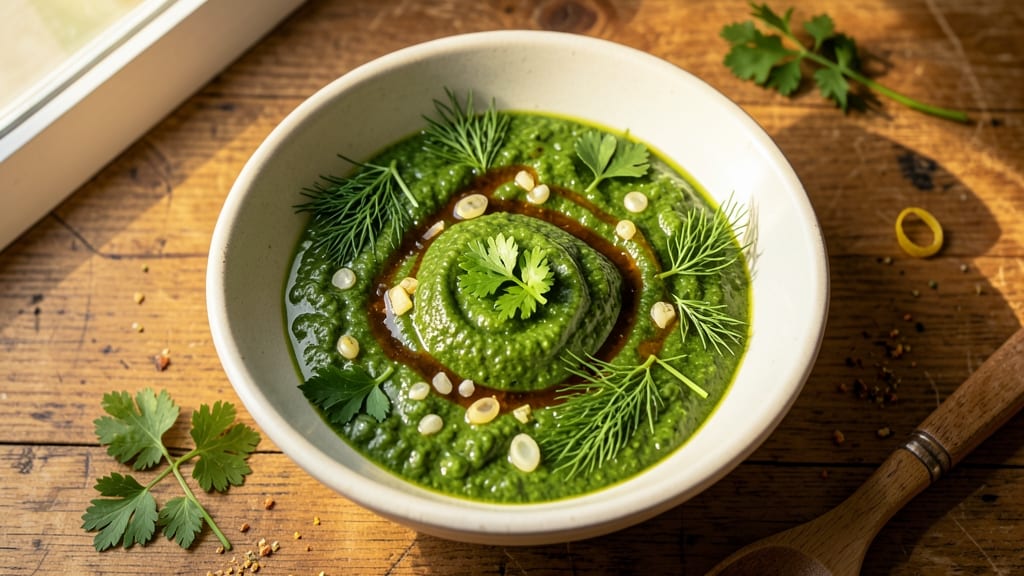
This classic spinach salad dressing transforms ordinary greens into a vibrant, restaurant-worthy dish with just a few simple ingredients. The secret lies in balancing bright lemon juice, earthy olive oil, and finely chopped herbs—creating a tangy vinaigrette that clings perfectly to spinach leaves.
I developed this recipe after years of testing, ensuring it delivers that signature freshness without overpowering delicate flavors.
The foundation is a herb-infused olive oil—wilted spinach adds subtle depth while maintaining the dressing’s signature brightness. For a smoother texture, blend fresh spinach into the base, but for a more rustic touch, simply steep chopped leaves in warm oil before mixing.
The result is a versatile dressing that works equally well on arugula, kale, or even grilled chicken salads.
What sets this dressing apart is its emulsification technique, which keeps ingredients suspended without separation. A splash of Dijon mustard acts as the stabilizer, while fresh dill and parsley add layers of herbaceous freshness.
Unlike store-bought versions, this recipe stays vibrant in the fridge for up to a week, making it perfect for meal prep.
The dressing’s balanced acidity and richness make it ideal for both classic and modern salads. Drizzle generously over your favorite greens, or use it as a marinade for proteins. The key to success? Fresh ingredients and proper emulsification—no fancy equipment required. Let’s make this dressing!
Ingredients for classic spinach salad dressing
Bright herb vinaigrette that elevates spinach salads with restaurant-quality tang and depth.
| Ingredient | Amount | Notes |
|---|---|---|
| Extra-Virgin Olive Oil 🫒 | ¾ cup | High-quality, fruity variety preferred |
| Fresh Lemon Juice 🍋 | 0.3 cup | Freshly squeezed, strained |
| Fresh Spinach Leaves 🌿 | 1 cup | Packed, stems removed |
| Dijon Mustard 🥫 | 1 tbsp | For emulsification and tang |
| Fresh Dill 🌿 | ¼ cup | Chopped, stems removed |
| Fresh Parsley 🌿 | ¼ cup | Chopped, flat-leaf preferred |
| Shallot 🧅 | 1 small | Mince finely for smooth texture |
| Garlic Cloves 🧄 | 2 cloves | Peeled, minced |
| White Wine Vinegar 🍷 | 1 tbsp | Dry variety preferred |
| Diamond Crystal Kosher Salt 🧂 | ½ tsp | Fine grain preferred |
| Freshly Ground Black Pepper 🌶️ | ¼ tsp | For finishing |
The olive oil is non-negotiable here—California Extra Virgin or Italian DOP brands deliver the best fruity complexity. Shallots are worth seeking out at specialty markets or the gourmet section of Whole Foods for their subtle sweetness. Fresh herbs like dill and parsley should be bright green with no wilting, and Trader Joe's often carries pre-washed bunches at better prices than conventional grocery stores. For the spinach, baby spinach works perfectly, but if using regular leaves, remove tough stems and chop finely for a smoother texture. The lemon juice should be freshly squeezed—bottled versions lack the bright acidity needed for proper emulsification.
No shallots? One small red onion minced finely works in a pinch, though it adds a sharper bite. Substitute white wine vinegar with apple cider vinegar at equal measure, but reduce by half a teaspoon if you prefer less acidity. Fresh herbs unavailable? Dried dill at one-third the amount suffices, though texture will differ. For a smoother dressing, blend the spinach into the base before adding oil—this creates a silky, herb-infused texture. The Dijon mustard is crucial for emulsification; whole-grain varieties add subtle texture while stabilizing the mixture. If you're sensitive to mustard flavor, reduce to 1 teaspoon and add an extra teaspoon of lemon juice for balance.
Store the dressing in an airtight glass jar with a tight-sealing lid, submerged in olive oil to preserve freshness. Keeps for up to 7 days in the refrigerator, though flavor peaks within the first 3 days. For longer storage, divide into ice cube trays, freeze, and transfer cubes to a freezer bag—perfect for single-serving portions. Before using, whisk or shake vigorously to re-emulsify. This dressing works beautifully on arugula, kale, or grilled chicken salads, and its balanced acidity makes it ideal for both summer and winter dishes.
Why You'll Love This Recipe
- Five-Ingredient Magic: I swear by this combo—just oil, lemon, mustard, and herbs. No fancy gadgets, no stress. Honestly, I make it while waiting for the pasta to boil.
- Bright & Tangy: That lemon juice cuts through everything, while the Dijon mustard adds a sharp, creamy kick. The dill? It’s like a little green hug for your salad—fresh, bright, and impossible to resist.
- Meal Prep Hero: Dress it the night before, and the spinach stays crisp. I toss it with grilled chicken for lunch or drizzle it over roasted veggies—it’s my go-to for quick, no-fuss dinners.
- Budget-Friendly Staple: Extra-virgin olive oil and fresh lemon juice might sound fancy, but they stretch far. A little goes a long way, and you’ll use it up before it spoils—no sad leftovers here.
Step-by-step instructions for classic spinach salad dressing
This bright herb vinaigrette delivers the perfect balance of tang and richness for your spinach salad.
Prepare the Herb and Aromatic Base
In a small food processor or blender, combine the 1 small shallot, 2 cloves garlic cloves, 0.25 cup fresh dill, and 0.25 cup fresh parsley. Pulse until the shallot and garlic are finely minced but the herbs remain slightly textured—this ensures a smooth dressing with visible herb flecks. Transfer this mixture to a medium bowl.
This preparation creates the aromatic foundation of your dressing. The herbs add freshness while the shallot and garlic provide depth. If using a mortar and pestle instead, crush the shallot and garlic first, then add the chopped herbs and pound into a paste.
Emulsify the Wet Ingredients
In a separate small bowl, whisk together the 0.3 cup fresh lemon juice, 1 tbsp Dijon mustard, 1 tbsp white wine vinegar, 0.5 tsp Diamond Crystal kosher salt, and 0.25 tsp freshly ground black pepper. This combination creates the tangy base that will emulsify with the oil.
The Dijon mustard is crucial here—it acts as an emulsifier that binds the oil and vinegar. Whisk vigorously for about 30 seconds until the mixture is completely smooth and homogenous. The acidity from the lemon and vinegar will brighten the flavors while the mustard prevents separation later.
Gradually Incorporate the Olive Oil
With the motor running on low speed (if using an immersion blender) or while whisking continuously, slowly drizzle in the 0.75 cup extra-virgin olive oil over 1-2 minutes. This gradual addition is key to achieving a stable emulsion—adding oil too quickly will cause the dressing to break.
Watch the texture carefully as you add the oil. You're aiming for a velvety consistency with a slight sheen. If the dressing starts to separate at any point, simply whisk or blend vigorously to re-emulsify. The high-quality olive oil should create a luscious, glossy finish that coats every leaf of spinach beautifully.
Blend and Adjust Seasoning
Transfer the dressing to a blender or use an immersion blender to process until completely smooth. The 1 cup fresh spinach leaves can be added now if you prefer a slightly green-tinted dressing, or reserved for tossing after dressing. Pulse briefly just to incorporate the spinach without over-blending.
Taste and adjust the seasoning if needed. You might want to add a touch more lemon juice for brightness or a pinch of salt if the dressing tastes flat. The dressing should be tangy, herbaceous, and perfectly balanced—not too sharp or too mild. Once satisfied, transfer to a clean jar or airtight container for storage.
Pro Tips For Making Classic Spinach Salad Dressing
- Whisk in stages: Start by mixing the Dijon mustard and lemon juice first—this emulsifies the mustard properly before adding the olive oil. I learned this the hard way: dumping oil in all at once leaves you with a greasy, unbalanced mess that won’t cling to spinach.
- Dry the dill: Pat fresh dill leaves completely dry with a paper towel before chopping—moisture dilutes the dressing and makes it separate faster. Sounds fussy, but it guarantees a brighter, more cohesive flavor instead of a watery, sad drizzle.
- Salt the spinach: Toss your spinach with a pinch of salt (½ tsp per handful) and massage it for 30 seconds before dressing—this softens the leaves and makes them absorb the dressing better. I skip this step sometimes, and the salad always feels limp and underwhelming.
- Use aged lemon juice: If your lemon juice tastes aggressively sharp, let it sit uncovered in the fridge for 10 minutes first—it mellows the acidity without losing brightness. Freshly squeezed juice is great, but this small wait makes the dressing taste more balanced, especially with the olive oil’s richness.
Perfect pairings for this recipe
Herb-Infused Salad Greens
This dressing elevates baby spinach and arugula to restaurant-quality levels, but it also works beautifully with kale or mixed greens. For heartier salads, try it on romaine or butter lettuce.
I often toss it with grilled chicken or seared shrimp for added protein. The dressing’s bright acidity cuts through rich ingredients like avocado or roasted sweet potatoes. 🌿
Protein Pairings
Use this dressing as a marinade for grilled salmon or shrimp skewers—the herbs and acid tenderize while adding flavor. It also pairs wonderfully with steak or chicken breast, especially when served alongside a balsamic glaze.
For vegetarian options, drizzle over roasted eggplant or grilled halloumi cheese. The dressing’s tangy profile balances the richness of these proteins beautifully.
Bread and Wraps
Dip crusty baguette slices or ciabatta into this dressing for an instant appetizer. Spread it on tortillas with black beans and corn for a zesty wrap. I also love using it as a dip for pita chips or vegetable crudités.
The dressing’s fresh herbs add a bright contrast to the crispy textures. 🥖
Grain Bowls
This dressing transforms simple grain bowls into gourmet meals. Toss it with quinoa, farro, or brown rice for added flavor. It also works well with couscous or bulgur wheat salads. For a complete meal, mix with roasted vegetables and feta cheese.
The dressing’s versatility makes it perfect for meal prep—store it separately and toss with grains and veggies when ready to eat.
Dinner Party Elevations
For a dinner party, serve this dressing in a small glass bowl with a drizzle of extra-virgin olive oil on top. Pair it with charcuterie boards featuring prosciutto, cheese cubes, and cured meats.
The dressing’s freshness complements the saltiness of cured meats beautifully. You can also use it as a dipping sauce for spring rolls or empanadas during appetizers.
Nutrition facts
Frequently asked questions
Can I make this dressing without fresh herbs?
You can substitute with dried herbs, but reduce the amount to one-third of what's called for (e.g., 1 teaspoon dried dill instead of 0.25 cup fresh). For best flavor, use a blend of dried parsley and dill—this will still provide aromatic depth, though the texture will differ. Fresh herbs add vibrant color and a brighter taste that dried versions can't fully replicate.
Why does my dressing separate after a few hours?
Separation usually happens when oil and vinegar aren't properly emulsified. The key fix is using Dijon mustard (it acts as a natural emulsifier) and adding oil very slowly while whisking continuously. If it separates later, simply whisk vigorously to re-combine. For extra stability, add 1 teaspoon honey or 1/2 teaspoon sugar to help bind the ingredients.
How long does this dressing keep in the fridge?
The dressing stays fresh for up to 7 days when stored in an airtight glass jar submerged in olive oil (this preserves freshness). For longer storage, freeze in ice cube trays—thaw overnight in the fridge before using. The flavor peaks within 3 days of making, so use it fresh when possible. Always check for any signs of spoilage before serving.
Can I use this dressing on other vegetables besides spinach?
This versatile dressing works beautifully on arugula, kale, romaine, or mixed greens. It also pairs well with roasted sweet potatoes, grilled asparagus, or even avocado slices. The bright acidity cuts through rich ingredients like roasted vegetables or grilled proteins, making it perfect for heartier dishes too.
What's the best way to store leftover dressing?
Transfer to a clean, airtight glass jar and store in the fridge. For maximum freshness, press a piece of parchment paper directly on the surface before sealing to prevent oxidation. If storing for longer than 3 days, freeze in 1-tablespoon portions for easy single-use servings. Always give it a good shake before using—it may separate slightly but will re-emulsify when stirred.