
Salads
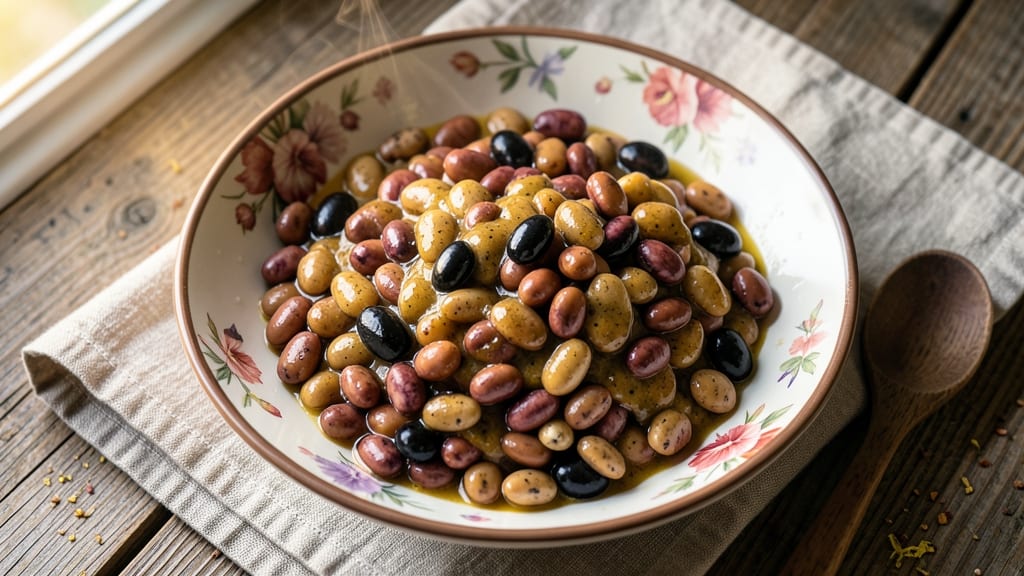
This classic 3 bean salad dressing recipe transforms ordinary salads into vibrant, protein-packed meals with every drizzle. The secret lies in blending kidney, black, and pinto beans with a bright herb-infused vinaigrette, creating a dressing that's creamy yet light, savory yet fresh.
I developed this recipe after realizing how often store-bought dressings fell short of adding real substance to salads.
The magic happens when you purée cooked beans with garlic, Dijon mustard, and a tangy vinegar base, then finish with fresh herbs and olive oil. This dressing isn't just flavorful—it's packed with plant-based protein and fiber, making salads feel like a complete meal.
The texture is surprisingly smooth yet maintains just enough body to coat greens perfectly without sogginess.
What makes this dressing truly special is its versatility. Use it as a bold topping for mixed greens, a zesty accompaniment to grilled vegetables, or even a dip for fresh bread. The herby, slightly smoky flavors from the beans elevate simple salads into restaurant-quality dishes.
Best of all, it keeps well in the refrigerator for up to five days, ready to transform your next meal.
For maximum flavor, let the dressing sit for at least 30 minutes before serving—this allows the ingredients to meld and develop depth. Whether you're prepping for a week of lunches or adding excitement to a summer dinner, this dressing delivers consistent, professional results with minimal effort. Let's create it together.
Ingredients for classic 3 bean salad dressing
Nine simple ingredients transform salads into hearty, protein-packed meals with every drizzle.
| Ingredient | Amount | Notes |
|---|---|---|
| Canned Kidney Beans 🌽 | 1 cup | Drained and rinsed well |
| Canned Black Beans 🌽 | 1 cup | Drained and rinsed well |
| Canned Pinto Beans 🌽 | 1 cup | Drained and rinsed well |
| Extra-Virgin Olive Oil 🫒 | ½ cup | High quality, fruity |
| Red Wine Vinegar 🍷 | ¼ cup | Dry variety preferred |
| Dijon Mustard 🌶️ | 1 tbsp | For tangy depth |
| Garlic Cloves 🧄 | 3 cloves | Peeled and roughly chopped |
| Fresh Parsley 🌿 | ¼ cup | Chopped, stems removed |
| Fresh Dill 🌿 | 2 tbsp | Chopped, for freshness |
| Sea Salt 🧂 | 1 tsp | Fine grain preferred |
| Black Pepper 🌶️ | ½ tsp | Freshly ground |
| Lemon Juice 🍋 | 1 tbsp | Freshly squeezed |
The beans are the star here, so grab no-salt-added brands—Libby's or Bush's work perfectly. Drain and rinse them well to avoid any gummy texture. Fresh herbs make all the difference, so Trader Joe's or Whole Foods usually have the brightest parsley and dill. If you're short on time, dried herbs work in a pinch (use half the amount), but fresh gives that restaurant-quality flavor. The olive oil should be extra-virgin—California Olive Ranch or Bertolli are solid choices that won’t break the bank.
No red wine vinegar? Apple cider vinegar or balsamic vinegar both work well—just add a pinch of sugar to balance the flavor. Short on fresh herbs? Dried parsley or dill at one-third the amount keeps the dressing flavorful. Want extra creaminess? Blend in 2 tbsp of silken tofu or avocado after puréeing. The garlic can be roasted for a sweeter, deeper flavor—just wrap the whole cloves in foil and toss them in a 400°F oven for 10 minutes before chopping. No garlic at all? A pinch of garlic powder still adds depth.
This dressing keeps beautifully in the fridge for up to 5 days, though it tastes best after sitting for at least 30 minutes. Store it in a glass jar with a tight lid to preserve freshness. I like to make a big batch on Sundays so I can drizzle it over salads all week. It also freezes well for up to 3 months—just thaw it in the fridge overnight before using. The texture might thicken slightly when cold, so give it a quick stir before serving.
Why You'll Love This Recipe
- Pantry Magic: I swear by this one—open three cans, dump them in a bowl, and boom. No soaking, no chopping, no waiting for beans to soften. The red wine vinegar cuts through the richness of the olive oil like a dream, and honestly? Most nights, that’s all I need.
- No-Brainer Flavor: The beans hold their shape but still break down just enough to release that deep, earthy taste. Drizzle in that extra-virgin olive oil, and suddenly your dressing has body, brightness, and a little je ne sais quoi that makes it taste like you actually put effort in. (Spoiler: you didn’t have to.)
- Picnic to Potluck: This dressing is my go-to for everything—toss it on grilled chicken for a quick weeknight dinner, pack it in a jar for sandwiches, or bring it to a BBQ where it disappears faster than the chips. It’s the kind of thing that works just as well cold as it does at room temp, so you’re never stuck guessing.
- Budget Boss Move: Three cans of beans, a splash of vinegar, and a drizzle of olive oil—that’s it. I make a big batch on Sundays, and it lasts me all week for salads, wraps, or even as a side. Leftovers? None. Just empty jars and happy meals. Plus, it’s cheaper than store-bought dressings that taste like they were bottled in a factory.
Step-by-step instructions for herb-infused bean dressing
This dressing turns simple canned beans into a creamy, herby vinaigrette that elevates any salad.
Drain and Rinse the Beans Thoroughly
Start by draining all three types of beans—kidney, black, and pinto—into a colander. Rinse them under cold water to remove any excess sodium or preservatives that might linger from canning. I like to give them a good shake in the colander to remove stubborn bits of liquid. This step is crucial because any remaining canning liquid can make your dressing taste metallic or off-balance.
Transfer the drained beans to a food processor or high-powered blender. The beans should be completely dry—no visible liquid clinging to them. If they're still damp, pat them dry with a paper towel before processing. This ensures your dressing has the perfect, thick consistency without being watery.
Process the Beans Until Smooth
Pulse the beans in the food processor for about 30 seconds to break them down into small chunks. Then, stop and scrape down the sides with a rubber spatula to help everything blend evenly. Continue processing in 10-second bursts, scraping down the sides between each, until the mixture becomes completely smooth and creamy.
Here's the thing—you want it silky, not pasty. If it looks too thick, add 1-2 tablespoons of water and blend again. The texture should be like thick yogurt or hummus, not like wet sand. This is your base, so getting it right now means your dressing will be velvety and not grainy.
Add the Wet Ingredients and Blend
With the processor running, slowly drizzle in the 0.5 cup extra-virgin olive oil and 0.25 cup red wine vinegar. This gradual addition prevents the mixture from splattering all over your kitchen. Next, add the 1 tablespoon Dijon mustard, 1 tablespoon lemon juice, 1 teaspoon sea salt, and 0.5 teaspoon black pepper. Let everything blend together for about 1 minute until fully incorporated.
I always taste at this stage to check the balance. It should be tangy from the vinegar and lemon, with a smooth richness from the olive oil. If it tastes too sharp, add a pinch more salt. If it's too mild, a splash more vinegar or lemon juice will brighten it up. This is where you can adjust the flavor to your liking before adding the herbs.
Incorporate the Herbs and Garlic
Add the 3 cloves roughly chopped garlic, 0.25 cup chopped fresh parsley, and 2 tablespoons chopped fresh dill to the food processor. Pulse just 2-3 times to combine—you don’t want to over-blend the herbs, or they’ll turn to mush and lose their fresh, bright flavor. The mixture should look like a chunky, herby paste with visible flecks of green.
If you're using a blender, you might need to stop and scrape down the sides a few times to ensure everything gets evenly distributed. The herbs should be evenly dispersed but still visible, giving your dressing that fresh, garden-fresh appeal. This is what makes this dressing stand out—it’s not just creamy, it’s packed with herby brightness.
Taste and Adjust for Perfection
Transfer the dressing to a bowl and give it a final taste. It should be creamy, tangy, and herby with a subtle garlic punch. If it needs more acidity, add a little more lemon juice or vinegar. If it’s too thick, thin it with 1-2 tablespoons of water or olive oil until it reaches a pourable consistency—it should coat the back of a spoon but still flow easily.
Let the dressing sit for 10 minutes at room temperature before serving. This gives the flavors time to meld together, making it even more cohesive and delicious. Store any leftovers in an airtight container in the fridge for up to 5 days, stirring before each use. This dressing is perfect for drizzling over salads, tossing with grains, or even using as a dip for crusty bread.
Pro Tips For Making Classic 3 Bean Salad Dressing
- DRAIN AND RINSE BEANS: Drain the canned beans, but don’t skip the rinse—especially if you’re using low-sodium or salt-packed varieties. A quick cold-water rinse cuts excess starch and salt, so your dressing stays bright and balanced instead of turning into a gluey mess.
- USE COLD BEANS: Let the drained beans cool completely before tossing them with dressing. Warm beans release more starch and water, which dilutes the olive oil and makes the texture soggy. Pop them in the fridge for 10 minutes if you’re in a rush—it makes a real difference.
- MEASURE VINEGAR PRECISELY: Red wine vinegar is acidic, and a splash too much will overpower the beans. Use a measuring spoon (about 2–3 tablespoons) and taste as you go—you can always add more olive oil to mellow it out, but you can’t take vinegar back.
- PRESS OUT EXTRA LIQUID: After draining, give the beans a quick press with a paper towel to soak up any lingering moisture. This keeps the dressing from turning watery later, especially if you’re prepping ahead. Just pat them dry—no need to crush them.
Essential equipment for classic 3 bean salad dressing
Food Processor Essentials
A high-powered food processor or blender is your best friend for this dressing. I swear by my Ninja BN601 for its powerful motor that handles beans effortlessly. If you're on a budget, the Cuisinart DFP-14BCNY is a great mid-range option that still delivers smooth results.
Avoid cheap blenders—they struggle with thick bean mixtures and can leave you with a grainy texture. 🌿
Measuring Tools
Precision matters when balancing flavors, so invest in a stainless steel measuring set. I use my OXO Good Grips set for its durable, non-slip design. For liquids, a clear glass measuring cup lets you see the exact amount of olive oil and vinegar.
A microplane for garlic cloves ensures even, fine texture without overpowering the dressing.
Storage Containers
After making your dressing, transfer it to an airtight glass jar with a tight-sealing lid. I recommend Le Parfait glass containers for their leak-proof design and stackable convenience.
For portion control, consider small mason jars—they're perfect for single-serving dressings and look great on your table. Label with the date to track freshness.
Herb Prep Tools
Fresh herbs make all the difference, so keep a sharp chef's knife and cutting board handy. I love my Wüsthof Classic knife for clean herb chopping. For quick prep, a herb scissors like the Victorinox Swiss Classic lets you snip parsley and dill in seconds.
Store fresh herbs in the fridge wrapped in a damp paper towel inside a ziplock bag to preserve their brightness.
Optional Upgrades
Want to take your dressing to the next level? A garlic press speeds up prep and ensures even distribution. For texture control, a fine-mesh sieve helps strain any unwanted pulp if you prefer ultra-smooth results.
If you make this dressing often, consider a small immersion blender for quick adjustments right in the jar. 💡
Nutrition facts
Frequently asked questions
Can I use dried beans instead of canned for this dressing?
While possible, dried beans require significantly more prep time. Soak them overnight (8-12 hours) then cook until tender (1-1.5 hours), which can make the texture less smooth. For best results, stick with canned beans—just choose no-salt-added varieties and rinse thoroughly. The canning process already softens them perfectly for blending.
How do I adjust the thickness of this dressing?
Start by tasting the dressing after blending all ingredients. If too thick, thin with 1 tablespoon water or olive oil at a time. For extra creaminess, blend in 2 tablespoons silken tofu or avocado. If too thin, let it sit 10 minutes—it will thicken naturally. The ideal consistency coats the back of a spoon but flows easily.
What salads pair best with this bean dressing?
This herby dressing shines on mixed greens, quinoa salads, and grilled vegetable platters. It also works beautifully with roasted potatoes, couscous bowls, or as a dip for warm pita. The bean base adds heartiness, so it's perfect for protein-packed lunches or vegetarian meals.
Can I make this dressing without fresh herbs?
Yes! Use 1 teaspoon dried parsley and 0.5 teaspoon dried dill (about one-third the fresh amount). For extra flavor, add 1 teaspoon dried basil or oregano. If you're missing garlic, 0.5 teaspoon garlic powder works in a pinch. The dressing will still taste great, though fresh herbs give that restaurant-quality brightness.
How do I prevent the dressing from separating?
Separation happens when oil and liquid ingredients aren't properly emulsified. Always blend the wet ingredients (oil, vinegar, etc.) with the beans first, then add herbs. Stir before each use, and store in a glass jar (plastic can cause separation). For extra insurance, whisk in 1 teaspoon Dijon mustard before blending. The mustard acts as a natural emulsifier.