
Salads
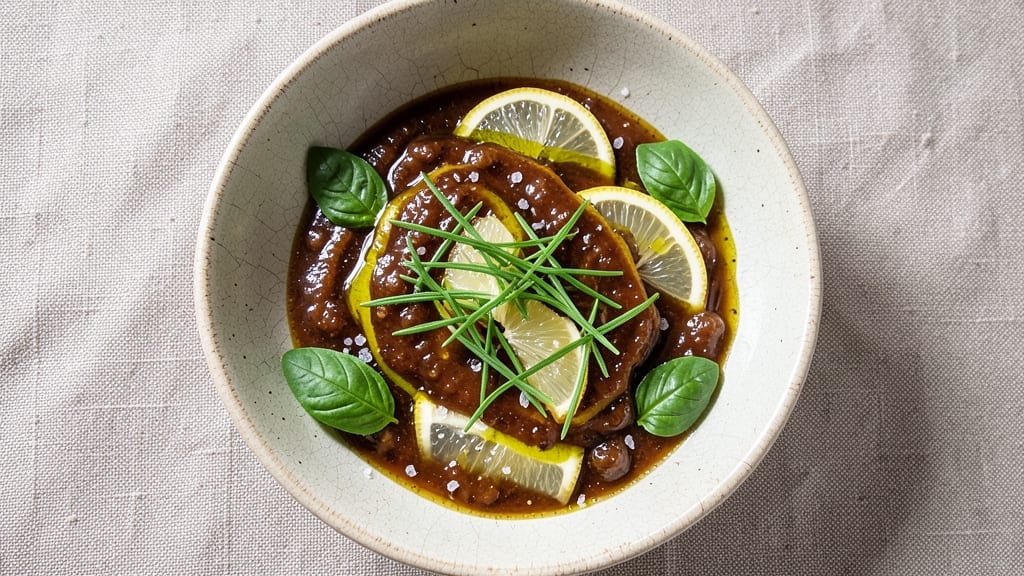
This citrus balsamic vinaigrette salad dressing recipe transforms any salad from ordinary to extraordinary with its bright, tangy zing that lingers on every bite. The secret lies in balancing sweet balsamic reduction with zesty citrus and fresh herbs, creating a dressing that's both bold and refined.
Just 10 minutes of prep yields enough for a week's worth of salads, with flavors that deepen as it sits.
The magic happens when you reduce balsamic vinegar to a glossy syrup, then whisk it with fresh lemon juice, Dijon mustard, and high-quality olive oil. This foolproof method ensures a perfectly emulsified dressing that won't separate—no shaking required.
The addition of fresh herbs like tarragon or basil adds an aromatic complexity that elevates simple greens to gourmet-level dishes.
What makes this dressing truly versatile is its ability to enhance far more than salads—drizzle it over grilled vegetables, use it as a marinade for chicken or fish, or even toss it with roasted potatoes.
The flavors develop beautifully when stored in the refrigerator for up to 10 days, making it perfect for meal prep. Each batch delivers that perfect balance of sweet, tangy, and herby notes that will have you reaching for this dressing again and again.
For best results, always use freshly squeezed citrus juice and high-quality vinegar and oil. The dressing's vibrant color and complex flavor profile make it a standout addition to any meal, proving that simple ingredients can create something truly special when combined thoughtfully.
Ingredients for citrus balsamic vinaigrette salad dressing
Nine simple ingredients create a dressing that turns salads into vibrant masterpieces.
| Ingredient | Amount | Notes |
|---|---|---|
| Balsamic Vinegar 🍷 | ½ cup | High-quality aged balsamic |
| Fresh Lemon Juice 🍋 | ¼ cup | Freshly squeezed, no pulp |
| Extra-Virgin Olive Oil 🫒 | ¾ cup | High-quality, fruity variety |
| Dijon Mustard 🍯 | 1 tbsp | Mild or hot, to taste |
| Fresh Tarragon Leaves 🌿 | ¼ cup | Finely chopped, stems removed |
| Fresh Basil Leaves 🌿 | ¼ cup | Finely chopped, stems removed |
| Granulated Sugar 🍬 | 1 tbsp | Or maple syrup for vegan option |
| Sea Salt 🧂 | ½ tsp | Fine grain preferred |
| Black Pepper 🌶️ | ¼ tsp | Freshly ground preferred |
| Fresh Orange Zest 🍊 | 1 tsp | From organic orange peel |
The balsamic vinegar is the star—aged balsamic from Trader Joe's or Whole Foods gives that rich, syrupy depth. Fresh lemon juice is non-negotiable; bottled won't cut it. For the olive oil, California extra-virgin (like Corto or Otto) adds fruity complexity. Tarragon and basil? Grab the freshest bunch you can find—farmers markets are ideal, but grocery store herb sections work too. If you can't find tarragon, dried basil at half the amount works in a pinch.
No fresh tarragon? Fresh thyme or dill add a different but equally bright note. Short on time? Dried herbs at one-third the amount work, but fresh is always better. The sugar balances the acidity—maple syrup or agave are great vegan swaps. For extra zing, add a splash of orange juice if you're feeling fancy. The orange zest? Organic peel is best—just scrape the colorful part with a grater. And if you're making a big batch, double the herbs and zest for that extra pop.
This dressing keeps beautifully—10 days in the fridge, sealed tight. The flavors actually improve over time, so make a big batch. Store in a glass jar to preserve freshness. Need to use it up fast? Drizzle over roasted veggies or grilled chicken—it's that versatile. For extra richness, whisk in 1 tbsp tahini before serving. And if it separates? Just give it a quick whisk—it'll come back together like magic.
Why You'll Love This Recipe
- Five-Ingredient Magic: I swear by this combo—just shake, taste, adjust. No fancy tools, no stress. That first tangy splash of lemon and balsamic? It’s the kind of bright punch that makes me want to make it every week.
- Bright & Balanced: The tarragon gives it this herbal lift—like a fancy restaurant bite at home. Dijon mustard ties it all together so it’s not too sharp, not too sweet. Honestly, it’s the dressing I reach for when I need something that actually tastes good, not just "salad-y."
- Meal Prep Hero: Make a big batch on Sunday, and you’ve got lunch sorted. It keeps for days in the fridge, and I’ve drizzled it on everything from grilled chicken to roasted veggies—no one ever guesses it’s the same dressing. (Yes, even on a Tuesday night.)
- Budget-Friendly Luxury: Extra-virgin olive oil and fresh tarragon might sound fancy, but this costs next to nothing to make. A little goes a long way, and I’ve stretched one jar of balsamic for months. Feels like a splurge, but it’s really just smart shopping.
Step-by-step instructions for citrus balsamic vinaigrette salad dressing
This bright, herb-infused dressing comes together in minutes with simple ingredients.
Whisk Together the Acidic Base
In a medium bowl, combine the 0.5 cup balsamic vinegar, 0.25 cup fresh lemon juice, 1 tbsp granulated sugar, 0.5 tsp sea salt, and 0.25 tsp black pepper. I like to use a whisk for this step—it incorporates air and helps dissolve the sugar quickly. Stir until the sugar fully dissolves and the mixture is smooth and glossy.
Here's the thing—this combination of vinegar and lemon juice creates the perfect balance of tangy and sweet. The sugar isn't just for sweetness; it also helps emulsify the dressing later. Taste the mixture now—it should be pleasantly sharp with a bright citrus punch. If you prefer it sweeter, add a pinch more sugar, but I've found this amount works beautifully with the other ingredients.
Add the Mustard and Orange Zest
Next, stir in the 1 tbsp Dijon mustard and 1 tsp fresh orange zest. The mustard acts as a natural emulsifier, helping to bind the oil later, while the orange zest adds a vibrant, floral note that brightens the entire dressing. I use a small rubber spatula for this step—it helps scrape up any ingredients sticking to the bottom of the bowl.
Give it a taste now. You should notice the dressing becoming slightly thicker and more complex. The orange zest adds a subtle bitterness that cuts through the sweetness of the sugar and balances the acidity. If you're using maple syrup instead of granulated sugar, this is where you'd add it—just 1 tbsp to maintain the same sweetness level.
Incorporate the Fresh Herbs
Add the 0.25 cup finely chopped fresh tarragon leaves and 0.25 cup finely chopped fresh basil leaves to the bowl. Gently fold them in with a spoon to preserve their texture and vibrant color. The herbs should be evenly distributed throughout the mixture, but you don't want to pulverize them—their freshness is what makes this dressing special.
Take a moment to smell the mixture. That aromatic burst of tarragon and basil is what transforms this from a simple vinaigrette to something truly special. These herbs add layers of flavor that complement the citrus and balsamic beautifully. If you're using dried herbs, I'd recommend reducing the amount to about 1 tablespoon each—they're more concentrated, so you don't want to overpower the dressing.
Slowly Emulsify the Olive Oil
With the motor running on low speed, very slowly drizzle in the 0.75 cup extra-virgin olive oil. This is the most critical step—adding the oil too quickly will cause the dressing to separate. I like to use an immersion blender for this, but a whisk or fork works too if you're patient. Keep stirring until the dressing thickens and becomes creamy.
You'll know you've succeeded when the dressing takes on a glossy, velvety texture with no visible oil separation. This emulsification process creates a stable dressing that won't break when tossed with salad greens. If the dressing starts to look too thick, add 1-2 teaspoons of water to loosen it. The final consistency should be like heavy cream—thick enough to coat the back of a spoon but still pourable.
Taste and Adjust for Perfection
Taste the dressing and adjust the seasoning if needed. You might want to add a touch more salt, a splash of lemon juice, or even a pinch of sugar to achieve perfect balance. I often find that the dressing needs just a tiny bit more salt to really make the flavors pop. Give it a final whisk to ensure everything is well combined.
This dressing is best used immediately, but it will keep in the refrigerator for up to 5 days in an airtight container. Before using, give it a good stir and taste—sometimes the flavors meld even better after a day or two. The citrus balsamic vinaigrette works wonderfully with mixed greens, roasted vegetables, grilled chicken, or even as a marinade for fish. Its bright, herbaceous notes elevate any dish it touches.
Pro Tips For Making Citrus Balsamic Vinaigrette Salad Dressing
- STIR IN STAGES: Mix the balsamic and lemon juice first—this lets the acidity bloom before adding oil. I used to dump everything in at once, and the dressing always tasted flat until I realized the vinegar and citrus need a 30-second head start to wake up the tarragon’s flavor.
- USE COLD MUSTARD: Chill the Dijon mustard in the fridge for 10 minutes before measuring—it thickens noticeably when cold. I learned this after making dressing that separated within an hour; cold mustard binds better and keeps the emulsion smooth longer.
- LEMON ZEST FIRST: Grind the zest of half the lemon into the mustard before adding juice—it adds bright, aromatic depth without overpowering. I skipped this once and the dressing tasted one-dimensional; the zest’s oils are the unsung hero here.
- EMULSIFY WITH A WHISK: Pour the olive oil in a slow, steady stream while whisking vigorously—this prevents clumping and gives you a silky texture. I tried shaking it in a jar once, and it broke into greasy globs; patience here makes all the difference.
Dietary considerations for these flavors
Vegan-Friendly Adaptations
This dressing is already naturally vegan since it contains no animal products. The Dijon mustard and maple syrup (instead of granulated sugar) make it fully plant-based. For extra richness, I sometimes stir in 1 tablespoon tahini—it adds a nutty depth that complements the citrus perfectly. 🌱
Gluten-Free Considerations
Always check your Dijon mustard label for gluten content, as some brands contain wheat. I recommend Annie's Organic Dijon Mustard, which is certified gluten-free. The rest of the ingredients are naturally gluten-free, so this dressing is safe for most gluten-sensitive diets when using the right mustard. 🌾
Allergen Awareness
This recipe contains citrus and herbs, which are common allergens for some individuals. If you're making this for someone with citrus allergies, omit the lemon juice and orange zest, but keep the flavor profile balanced with an extra splash of apple cider vinegar instead.
Always ask about specific allergies before serving.
Low-Sugar Options
For a lower-sugar version, reduce the granulated sugar to ½ tablespoon or use ½ teaspoon maple syrup. The natural sweetness from the balsamic vinegar and citrus will still shine through. If you're watching your sugar intake, this adjustment keeps the dressing vibrant without sacrificing flavor. 🍊
Storage for Dietary Needs
Store your dressing in a clean, airtight glass jar in the refrigerator for up to 10 days. The glass preserves freshness better than plastic and is safer for those with plastic sensitivity.
Label it clearly if you're sharing with others who have dietary restrictions. This dressing's long shelf life makes it perfect for meal prep! ❄️
Nutrition facts
Frequently asked questions
Can I substitute orange juice for lemon juice in this citrus dressing?
You can absolutely try it, but the flavor will shift noticeably. Orange juice adds a sweeter, more floral note that works well with the balsamic, but it lacks lemon's bright acidity. For best results, use a 50/50 blend of orange and lemon juice. If you're using only orange juice, reduce the sugar to ½ tablespoon since it's naturally sweeter.
Why does my dressing separate after making it?
Separation usually happens when oil is added too quickly or the emulsifiers (mustard, herbs) aren't properly incorporated. The fix is simple: just whisk vigorously for 30-60 seconds before using. For a more stable dressing, add 1 teaspoon of honey or maple syrup as an extra emulsifier. Always add oil slowly while continuously whisking.
What's the best way to store this dressing for maximum flavor?
Store in an airtight glass jar in the refrigerator for up to 10 days. The flavors actually improve as they meld! For longer storage (up to 3 months), transfer to a sterilized jar and freeze. Thaw overnight in the fridge—never at room temperature. The dressing may thicken slightly when cold; just whisk before using.
Can I use this dressing on cooked proteins like chicken or fish?
This dressing works beautifully as a marinade for 1-4 hours before cooking. For chicken, use ½ cup of dressing per pound of meat. For fish, the bright citrus flavors pair perfectly with delicate white fish like cod or halibut. Just pat the protein dry before marinating to help it absorb the flavors better.
How can I make this dressing thicker or thinner?
To thicken: reduce the olive oil by 1-2 tablespoons or add ½ teaspoon of cornstarch mixed with 1 teaspoon water. To thin: add 1-2 teaspoons of water or citrus juice. The ideal consistency should coat the back of a spoon but still be pourable. Always adjust gradually and taste as you go.