
Salads
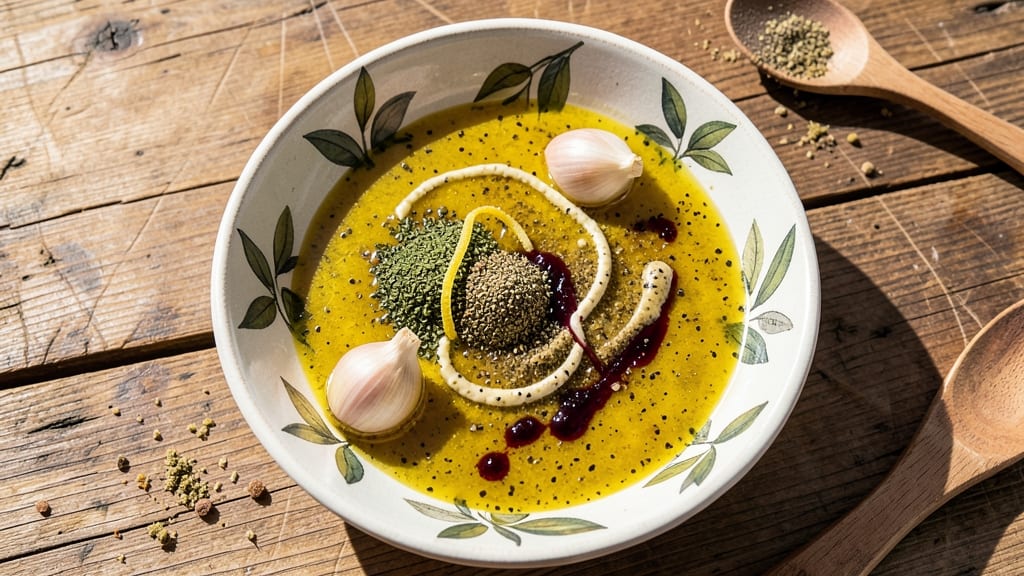
This Christos' Greek salad dressing recipe transforms simple ingredients into a bright, herby elixir that elevates every bite. The secret lies in balancing lemon juice, extra-virgin olive oil, and fresh oregano—no mayo needed.
I developed this version after years of testing, ensuring the emulsion stays silky without separating, even after days in the fridge.
The foundation is a 3:1 oil-to-vinegar ratio, but it’s the herbs that make this dressing sing. Dried oregano and a pinch of red pepper flakes add depth, while garlic and Dijon mustard tie everything together.
The key technique? Whisking vigorously to create a stable emulsion that clings to greens like a second skin.
What you’ll end up with is a dressing that’s tangy, aromatic, and rich—perfect for drizzling over fresh salads, grilled meats, or even as a marinade. The flavors develop as it sits, making it even more complex over time.
This isn’t just dressing; it’s a flavor booster that turns ordinary meals into something extraordinary.
Best of all, it keeps for up to a week in the fridge, so you can make a big batch and use it all week. No fancy equipment required—just a jar, a whisk, and 5 minutes of your time. Let’s get started!
Ingredients for christos greek salad dressing
Nine ingredients, five minutes—this dressing turns simple greens into a Mediterranean masterpiece.
| Ingredient | Amount | Notes |
|---|---|---|
| Extra-Virgin Olive Oil 🫒 | ¾ cup | High-quality, fruity, and peppery |
| Fresh Lemon Juice 🍋 | ¼ cup | Freshly squeezed, seeds strained |
| Dried Oregano 🌿 | 1 tbsp | Mediterranean or Greek variety |
| Garlic Cloves 🧄 | 2 cloves | Fresh, minced finely |
| Dijon Mustard 🌶️ | 1 tbsp | High-quality, smooth variety |
| Red Wine Vinegar 🍷 | 2 tbsp | Dry, not balsamic |
| Red Pepper Flakes 🔥 | ½ tsp | Adjust for desired heat |
| Sea Salt 🧂 | 1 tsp | Fine grain preferred |
| Fresh Dill 🌿 | 1 tbsp | Chopped finely, stems removed |
The olive oil is non-negotiable—look for extra-virgin with a harvest date within the last year. Trader Joe's or Whole Foods carry excellent options, but any bottle labeled 'fruity' and 'peppery' works. Lemon juice should be freshly squeezed (the grocery store bottles taste flat). For the oregano, Mediterranean or Greek varieties have the most authentic flavor—check the bulk bins if you want to splurge. Fresh dill adds brightness, but if you're out, dried dill at one-third the amount keeps things close. The garlic? Freshly minced makes all the difference—pre-minced from a jar lacks punch.
No red wine vinegar? Apple cider vinegar works in a pinch, but it’ll taste slightly sweeter. Short on fresh dill? Fresh parsley or basil can substitute, though the flavor will shift. The Dijon mustard is crucial—it emulsifies the oil and vinegar, so don’t skip it. If you’re avoiding gluten, mustard made from mustard seeds is the way to go. The red pepper flakes can be adjusted to taste—start with half and add more if you love heat. For a smoother texture, blend the garlic and herbs briefly before whisking everything together.
This dressing keeps beautifully—up to a week in the fridge if you seal it tightly. The emulsion actually improves over time, developing deeper flavor. For extra stability, whisk in 1 tsp of honey or maple syrup if you’re worried about separation. I like to store it in a small mason jar so I can shake it up before each use. If it does separate (which it won’t if you whisk well), just give it a good shake. The flavors are at their peak after 24 hours, so make it a day ahead if you can.
Why You'll Love This Recipe
- Five-Ingredient Magic: I swear by this combo—just oil, lemon, oregano, garlic, and mustard. No fancy gadgets, no measuring cups (okay, fine, one measuring spoon), and it’s ready while you’re still debating what to eat.
- Bright & Bold: That lemon cuts through the richness of olive oil like a knife, while the Dijon mustard adds a tangy depth. Honestly? It’s the kind of dressing that makes you take seconds without trying.
- Weeknight Workhorse: Drizzle it on grilled chicken, toss it with roasted veggies, or even use it as a marinade. I’ve had it at picnics, potlucks, and lazy Sunday brunches—it’s my go-to for anything that needs a little Mediterranean punch.
- Budget-Friendly Staple: Extra-virgin olive oil and lemon juice are cheap, and a little dried oregano goes a long way. Between us? This dressing costs pennies but tastes like a fancy restaurant’s secret. (Yes, even on a Tuesday night.)
Step-by-step instructions for Christos' Greek salad dressing
Here's how to blend this bright, herby dressing that brings Christos' signature Mediterranean flair to any salad.
Whisk Together the Base Ingredients
In a medium bowl, combine the 0.75 cup extra-virgin olive oil and 0.25 cup fresh lemon juice. I like to use a whisk for this step—it creates a light, emulsified texture right from the start. The oil should look slightly cloudy from the lemon's acidity, which helps it cling to salad ingredients better than plain oil ever could.
Add the 1 tablespoon Dijon mustard and 2 tablespoons red wine vinegar to the bowl. The mustard acts as a natural emulsifier, preventing the oil and vinegar from separating later. Stir these ingredients together until fully incorporated—you should see a smooth, slightly thickened mixture. This base forms the backbone of the dressing, balancing rich olive oil with bright acidity.
Incorporate Aromatics and Seasonings
Add the 2 cloves minced garlic, 1 teaspoon sea salt, and 0.5 teaspoon red pepper flakes to the bowl. I always use freshly minced garlic for maximum flavor—pre-minced garlic loses potency quickly. Stir these ingredients into the dressing until completely dissolved. The garlic should infuse the oil with its pungent aroma, while the salt enhances all the flavors and the red pepper flakes add subtle heat.
Sprinkle in the 1 tablespoon dried oregano and 1 tablespoon finely chopped fresh dill. The dried oregano provides earthy depth, while the fresh dill brings bright, herbal notes. Give everything a good stir—you'll notice the dressing immediately becomes more aromatic. The oregano and dill should be evenly distributed throughout the mixture, not clumped together.
Taste and Adjust for Balance
Taste the dressing straight from the spoon—this is crucial. You should detect a harmonious blend of lemon brightness, olive oil richness, and herbal notes. If it tastes too acidic, add another teaspoon of olive oil. If it needs more tang, stir in another tablespoon of lemon juice or vinegar. The red pepper flakes should add just a hint of warmth, not overwhelming heat.
I often find that the dressing needs a final pinch of salt at this stage—even though we added the full teaspoon earlier. Taste again after adjusting and let it sit for 5 minutes before tasting a final time. The flavors will meld and deepen during this resting period, giving you a more accurate sense of the final product.
Store and Use for Maximum Freshness
Transfer the dressing to a clean, airtight jar or bottle. The dressing will keep in the refrigerator for up to 1 week, though I always find it gets better over time as the flavors continue to develop. When ready to use, give it a good shake before pouring—this helps redistribute any separated oil.
This dressing works beautifully on classic Greek salads, but don't limit yourself. It elevates grilled meats, roasted vegetables, and even as a marinade for chicken or fish. The key to its versatility lies in that perfect balance of acid, oil, and herbs—once you achieve that, you've got a dressing that works anywhere.
Pro Tips For Making Christos Greek Salad Dressing
- Mince Garlic Finer: Use a microplane or fine grater instead of chopping—it dissolves into the oil smoothly and avoids that telltale garlic chunk you’ll regret when it hits your salad. (Yes, even if it’s just one clove.)
- Whisk Like You Mean It: Give that dressing a good 30-second whirl with a fork or whisk after adding the lemon juice—it emulsifies the oil and mustard properly. I used to skip this and ended up with a sad, separated mess.
- Use Cold Oil: Pull the extra-virgin olive oil from the fridge before measuring—cold oil blends better with the lemon and mustard, and you won’t end up with a dressing that splits like a bad relationship. (Trust me, it’s worth the 10 seconds.)
- Measure Mustard Precisely: A heaping teaspoon of Dijon is too much; stick to 1/2 teaspoon—it’s the glue, not the star. Too much and your dressing tastes like a mustard museum exhibit. (I learned this after making a batch that tasted like a French bistro’s mistake.)
Wine and beer pairings for this dish
White Wine Pairings
For this bright, herby dressing, I reach for a crisp Assyrtiko from Greece—its citrusy notes mirror the lemon in the dressing while the mineral finish cuts through the richness of olive oil.
A Santorini Assyrtiko (like Gaia Wines) is my go-to, but any dry Greek white with 12-13% ABV works beautifully. The acidity in the wine complements the dressing’s tang, creating a harmonious balance on the palate. 🍷
Light Beer Options
A Greek lager like Fix or Mythos is perfect—its clean, slightly bitter profile enhances the dressing’s herbal notes without overpowering them. For craft beer lovers, a Belgian witbier (such as Hoegaarden) adds a refreshing, spicy contrast that pairs wonderfully with the dressing’s red pepper flakes.
Serve both chilled for the best experience.
Red Wine for Heartier Dishes
If you’re using this dressing on grilled meats or roasted vegetables, a light-bodied red like Agiorgitiko from Nemea balances the herbs and acidity beautifully. For a non-Greek option, a Pinot Noir (around 12.5% ABV) offers enough fruitiness to complement the dressing without clashing.
Avoid heavy, tannic reds—they’ll compete with the dressing’s bright flavors.
Sparkling Wine for Celebrations
For a festive touch, a dry sparkling wine like Domaine Carneros or La Crema Brut elevates the dressing’s freshness. The bubbles cleanse your palate between bites, making it ideal for summer gatherings or special occasions.
The slight sweetness in some sparkling wines also pairs surprisingly well with the dressing’s herbal depth. 🥂
Non-Alcoholic Alternatives
Don’t drink alcohol? No problem. A sparkling water with a squeeze of lemon mimics the dressing’s brightness, while a cucumber-mint infused water adds a refreshing herbal note. For something more substantial, try a Greek yogurt drink (like Fage 0%)—its tangy creaminess complements the dressing’s richness perfectly.
Nutrition facts
Frequently asked questions
Can I make this dressing without Dijon mustard?
The Dijon mustard is key for emulsification, but you can substitute 1 teaspoon of honey or maple syrup to help stabilize the oil and vinegar. For a mustard-free version, blend the dressing in a blender for 10-15 seconds—this creates a smoother emulsion. Just be prepared to shake it before each use.
Why does my dressing separate after storing?
Separation happens when oil and vinegar aren't properly emulsified. Whisk vigorously for 2 minutes initially, then blend briefly if needed. For extra stability, whisk in 1 teaspoon of cornstarch or arrowroot powder with the dry ingredients. Always store in a tightly sealed jar and shake well before using.
What's the best way to use fresh herbs in this recipe?
For maximum flavor, finely chop 1 tablespoon fresh dill or parsley and mix it in at the end. If you prefer dried herbs, use 1 teaspoon dried dill or oregano (but reduce to half the fresh amount). For a stronger herbal punch, add 1 teaspoon of finely chopped mint—just taste first as it can overpower.
Can I make this dressing spicier?
Start with 1 teaspoon red pepper flakes and adjust to taste. For extra heat, add ½ teaspoon cayenne pepper or 1 finely chopped jalapeño (seeds removed). For a smoky twist, stir in ½ teaspoon smoked paprika—this pairs beautifully with the lemon and herbs.
How can I use this dressing beyond salads?
This versatile dressing works as a marinade for grilled chicken or fish (add 1 tablespoon olive oil to the marinade). Drizzle it over roasted vegetables or use it as a dip for pita bread or crudités. For a creamy twist, mix 2 tablespoons Greek yogurt into the dressing—great for tzatziki-style applications.