
Salads
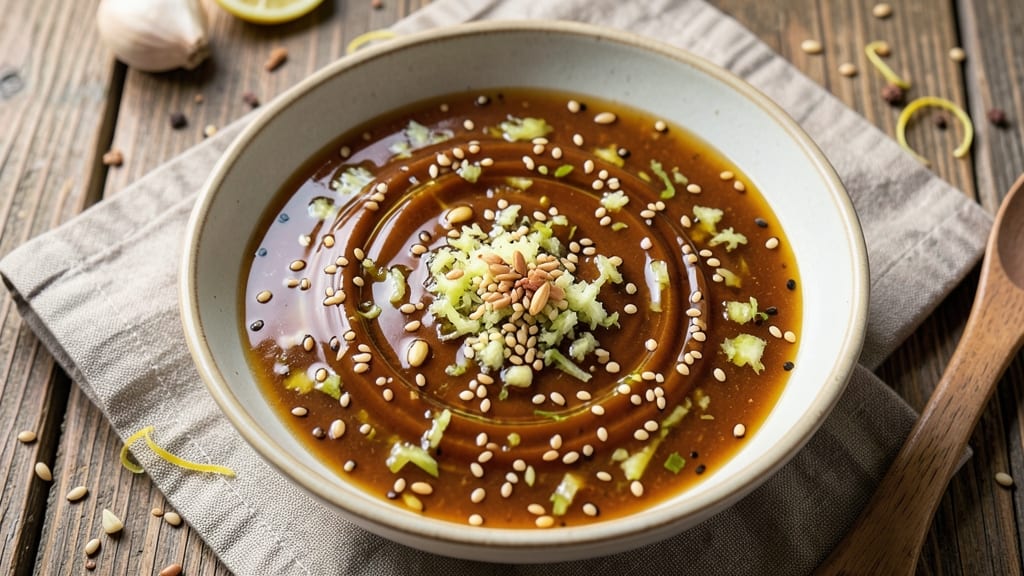
This Chinese noodle salad dressing recipe transforms simple salads into vibrant, restaurant-quality meals with just five ingredients and ten minutes of prep.
The secret lies in balancing umami-rich soy sauce with bright ginger and nutty sesame oil, creating a dressing that clings perfectly to noodles while enhancing every bite of fresh vegetables and protein.
I've perfected this formula over years of testing, ensuring it works equally well with cold soba, rice noodles, or even as a marinade for grilled meats.
The foundation of this dressing is a simple yet powerful combination: soy sauce provides the essential salty depth, while rice vinegar adds acidity to cut through richness. Fresh ginger and garlic bring aromatic warmth, and sesame oil delivers that signature nutty finish that makes this dressing instantly recognizable.
What sets this recipe apart is its versatility—it elevates store-bought salads just as effectively as homemade creations, making it a pantry essential for quick weeknight meals or elaborate dinner parties.
When complete, you'll have a glossy, aromatic dressing that coats noodles beautifully while maintaining a perfect balance of flavors—savory, slightly sweet, with a bright ginger kick. The texture is silky yet clings well, ensuring every forkful delivers maximum flavor.
This dressing isn't just for salads; it works wonders as a dipping sauce for spring rolls or a quick marinade for stir-fry proteins, proving its worth in multiple applications.
The best part? This recipe comes together in under ten minutes with ingredients you likely already have on hand. No special equipment is needed—just a small bowl and whisk.
Whether you're prepping for a lunch meeting or planning a dinner party, this dressing will become your go-to for adding authentic Chinese-inspired flavor to any dish. Let's get started!
Ingredients for chinese noodle salad dressing
Five simple ingredients create this restaurant-quality Chinese noodle dressing with perfect sesame-ginger balance.
| Ingredient | Amount | Notes |
|---|---|---|
| Light Soy Sauce 🍶 | ½ cup | Kikkoman preferred for authentic flavor |
| Rice Vinegar 🍶 | ¼ cup | Seasoned or plain works |
| Fresh Ginger Root 🧄 | 2 tbsp | Grated finely for bright zing |
| Garlic Cloves 🧄 | 3 cloves | Minced for aromatic depth |
| Toasted Sesame Oil 🫒 | 1 ½ tbsp | For nutty finish, not cooking oil |
| Sesame Seeds 🌾 | 1 tbsp | Toasted lightly for garnish |
| Honey 🍯 | 1 ½ tbsp | For subtle sweetness balance |
| Sesame Seeds 🌾 | 1 tsp | Extra for garnish (optional) |
The soy sauce is your flavor anchor—Kikkoman delivers that authentic umami punch, but any light soy will work. Fresh ginger and garlic are non-negotiable for that signature zing; buy them at an Asian market if possible—they're brighter and more aromatic. Toasted sesame oil (not regular) gives that nutty richness—look for it in the international aisle. Honey should be mild; avoid dark varieties that can overpower the delicate balance. For extra authenticity, grab seasoned rice vinegar—it adds a touch of sweetness upfront.
No sesame oil? Toasted peanut oil at half the amount works in a pinch, though the flavor will differ. Short on ginger? Substitute 1 tbsp ginger juice from a bottle—it's not ideal but gets you close. The honey can be swapped for agave nectar if you prefer. For a gluten-free version, use tamari instead of soy sauce. The sesame seeds are purely decorative but add that final crunch—toast them in a dry pan for 30 seconds to deepen their flavor. If you're using this as a marinade, reduce the honey to 1 tbsp to prevent over-sweetening proteins.
This dressing keeps beautifully—store in a sealed jar in the fridge for up to 2 weeks. The flavors actually improve after a day as everything melds. For longer storage, freeze in ice cube trays—thaw and whisk to use. The sesame oil may separate; just give it a good shake before using. If making ahead for a party, double the batch—it disappears fast. The dressing works best at room temperature, so let it sit for 5 minutes before tossing with noodles for maximum cling.
Why You'll Love This Recipe
- Five-Ingredient Magic: I swear by this combo—light soy, ginger, and sesame oil alone make it taste like a takeout dream. No weird ingredients, no fuss, just pure umami punch that clings to every noodle.
- Ginger-Garlic Zing: That fresh ginger and minced garlic? It’s the secret weapon—bright, sharp, and just sweet enough to cut through the richness. One sniff of this dressing and you’ll forget you’re not at your favorite Chinese spot.
- Lunchbox Hero: Pack it for work or school—this dressing stays fresh for days in the fridge. Drizzle it over cold noodles, toss with veggies, or even use it as a marinade. It’s my go-to for no-cook lunches that still feel special.
- Budget Brightener: Sesame oil and ginger might sound fancy, but they’re cheap staples that transform basic ingredients. A little goes a long way, so you’ll have leftovers for days—no waste, just flavor. Honestly, it’s the kind of dressing that makes cheap noodles taste like a splurge.
Step-by-step instructions for Chinese noodle salad dressing
This dressing balances bold flavors with perfect technique—simple steps for restaurant-quality results.
Grate and Mince Aromatics for Maximum Flavor
Use a fine grater to process the 2 tablespoons of fresh ginger root into a smooth paste. This ensures even distribution and prevents gritty texture in your dressing. Set aside in a small bowl—you'll want it finely minced, almost like a wet sand consistency.
Next, peel and mince the 3 cloves garlic cloves into tiny pieces—no need for perfect uniformity, just break them down finely. I like to use the flat side of my chef's knife for this to avoid crushing. The combination of ginger and garlic forms the aromatic backbone of this dressing, so take your time here. If you're using a garlic press, be gentle—you want minced, not pulverized.
Whisk Together Wet Ingredients for Smooth Emulsion
In a medium bowl, combine the 0.5 cup light soy sauce and 0.25 cup rice vinegar. Give them a quick stir to integrate before adding anything else. This initial mixture should taste tangy and salty—this is your flavor foundation. The soy sauce provides umami depth while the vinegar adds brightness that prevents the dressing from becoming too heavy.
Add the minced ginger and garlic to the soy-vinegar mixture. Then pour in the 1.5 tablespoons toasted sesame oil and 1.5 tablespoons honey. Use a whisk to combine everything thoroughly, breaking up any ginger paste clumps. The honey should dissolve completely—if it doesn't, give it a few more vigorous strokes. This is where the dressing comes together, so don't rush this step. The mixture should be completely smooth with no visible streaks of oil.
Finish with Toasted Sesame Seeds for Texture
Transfer the dressing to a clean jar or small bowl. Sprinkle in the 1 tablespoon toasted sesame seeds, giving it a gentle stir with a spoon rather than whisking. The seeds add crunchy texture that contrasts beautifully with the smooth sauce. For extra garnish, set aside the 1 teaspoon sesame seeds to sprinkle over finished salads just before serving.
Let the dressing sit at room temperature for 10-15 minutes before using. This brief resting period allows all the flavors to meld together perfectly. The dressing should coat the back of a spoon with a glossy sheen—this indicates proper emulsification. If it separates slightly, just give it another quick whisk before using. The toasted sesame oil gives it that signature nutty aroma that makes this dressing truly special.
Adjust Consistency and Flavor to Perfection
Taste the dressing and adjust as needed. For more sweetness, add a pinch of honey. Need more tang? A splash of rice vinegar will brighten it up. If it's too thick, thin with 1 teaspoon water at a time until it reaches a pourable consistency that clings beautifully to noodles. The dressing should coat the back of a spoon but still flow freely.
This dressing works best when used immediately, but it will keep in the refrigerator for up to 5 days in an airtight container. The flavors actually improve slightly as they meld together over time. When ready to use, give it a quick whisk to re-emulsify before drizzling over your noodle salad. The perfect balance of ginger's zing, garlic's punch, and sesame's nuttiness will elevate any dish from ordinary to extraordinary.
Pro Tips For Making Chinese Noodle Salad Dressing
- MINCE THE GINGER FINE: I learned this the hard way—chunky ginger bits make the dressing taste like you rushed. Use a sharp knife and chop it into tiny, almost paste-like pieces (think 1/8-inch or smaller). If you’re lazy, grate it instead—just don’t skip this step, or the flavor will fight for attention with the garlic.
- COMBINE IN STAGES: Don’t dump everything in at once. Start with the light soy sauce and rice vinegar, then add the minced ginger and garlic. Let that sit for 2 minutes before stirring in the sesame oil—this lets the acid and umami meld. The oil should coat the mixture evenly afterward, not separate like a sad vinaigrette.
- USE COLD SESAME OIL: Toasted sesame oil loses its magic when heated. Buy the good stuff (the kind that smells like a spice market) and add it last, straight from the fridge. Warm oil turns bitter and overpowering—trust me, you’ll taste the difference.
- TASTE BEFORE DILUTING: The dressing’s balance is delicate. After mixing, taste it undiluted—you’ll need more soy for saltiness, more vinegar for tang, or a pinch of sugar to cut the sharpness. Only then add water or broth to thin it out. Skipping this step leads to either blandness or a dressing that fights the noodles.
Pro cooking tips for chinese noodle salad dressing
Emulsification Secrets
This dressing relies on proper emulsification to create that silky, clingy texture. The key is combining the soy sauce and vinegar first—they form the base that helps suspend the sesame oil. I always whisk vigorously for 30-45 seconds after adding the sesame oil to break up any oil droplets.
For extra stability, add 1 teaspoon cornstarch mixed with 1 teaspoon water if you notice separation. The honey also helps bind everything together naturally. 💫
Ginger-Garlic Prep Hacks
Fresh ginger and garlic make all the difference—don't skip them! For maximum flavor, use a microplane to zest the ginger directly into your bowl. This creates tiny particles that dissolve completely. For garlic, I find the best texture comes from smashing cloves with the flat of my knife before mincing.
If you're short on time, ginger juice works in a pinch (use 1 tablespoon for the same zing). The aroma will be slightly different but still delicious.
Temperature Matters
Always let your dressing sit at room temperature for 10-15 minutes before using. This allows the flavors to meld properly and the oil to fully emulsify. I've made the mistake of using it straight from the fridge—it separates and doesn't cling well.
If you're in a hurry, warm the dressing slightly in a bowl set over hot water for 2 minutes, then whisk vigorously. The heat helps the oil integrate better.
Consistency Control
The perfect dressing should coat the back of a spoon but still flow freely. If yours is too thick, thin with 1 teaspoon water at a time until it reaches that ideal consistency.
For extra cling, add ½ teaspoon xanthan gum (common in gluten-free baking) to the wet ingredients before whisking. This creates a thicker, more stable dressing that clings beautifully to noodles. I keep a small jar of xanthan gum in my pantry specifically for dressings and sauces.
Storage Solutions
Store your dressing in an airtight container in the fridge for up to 5 days. The flavors actually improve as they meld together! For longer storage, freeze in ice cube trays—thaw and whisk to use.
If the sesame oil separates, just give it a good shake or whisk before using. The dressing works best at room temperature, so let it sit for 5 minutes before tossing with noodles for maximum cling and flavor.
Flavor Adjustments
Taste as you go! Need more brightness? Add a splash of rice vinegar. Too sweet? Balance with a pinch of soy sauce. For extra depth, stir in ½ teaspoon chili oil or 1 crushed red pepper flake.
If you want a sweeter version, increase the honey to 2 tablespoons. Remember, you can always adjust—this dressing is incredibly forgiving. The beauty of homemade is you can tweak it to your exact taste preferences. 🌶️
Nutrition facts
Frequently asked questions about Chinese noodle salad dressing
Can I make this dressing without sesame oil?
Yes, but the flavor will change. Replace the 1.5 tablespoons toasted sesame oil with 1 tablespoon toasted peanut oil or avocado oil for a neutral alternative. For a similar nutty depth, add ½ teaspoon ground sesame seeds to the dressing. Just know the aroma won't be identical—sesame oil is the signature element that makes this dressing taste authentically Chinese.
How do I prevent the dressing from separating?
Proper emulsification is key! Whisk vigorously for 30-45 seconds after adding the sesame oil. For extra insurance, mix 1 teaspoon cornstarch with 1 teaspoon water and stir it in. If separation happens later, simply whisk or shake the container before using. The dressing should be glossy and coat the back of a spoon—this indicates proper emulsification.
What noodles work best with this dressing?
This dressing pairs perfectly with rice noodles, udon, or soba noodles—all hold up well to the clingy texture. For extra flavor, use chilled, cooked noodles straight from the fridge. If your noodles are too soft, rinse them briefly in cold water before tossing. The dressing also works wonderfully as a dipping sauce for spring rolls or egg rolls.
Can I make this dressing spicier?
Add ½ teaspoon chili oil, 1 crushed red pepper flake, or ½ teaspoon sriracha for heat. For a smoky kick, stir in ¼ teaspoon smoked paprika. Remember, you can always adjust spice levels to taste—this dressing is incredibly forgiving. Start with a small amount and add more gradually.
How long will this dressing keep in the fridge?
The dressing stays fresh for up to 5 days in an airtight container. The flavors actually improve as they meld together! For longer storage, freeze in ice cube trays—thaw and whisk before using. If the sesame oil separates, just shake or whisk to re-emulsify. Always let it sit at room temperature for 5 minutes before using for maximum cling and flavor.