
Salads
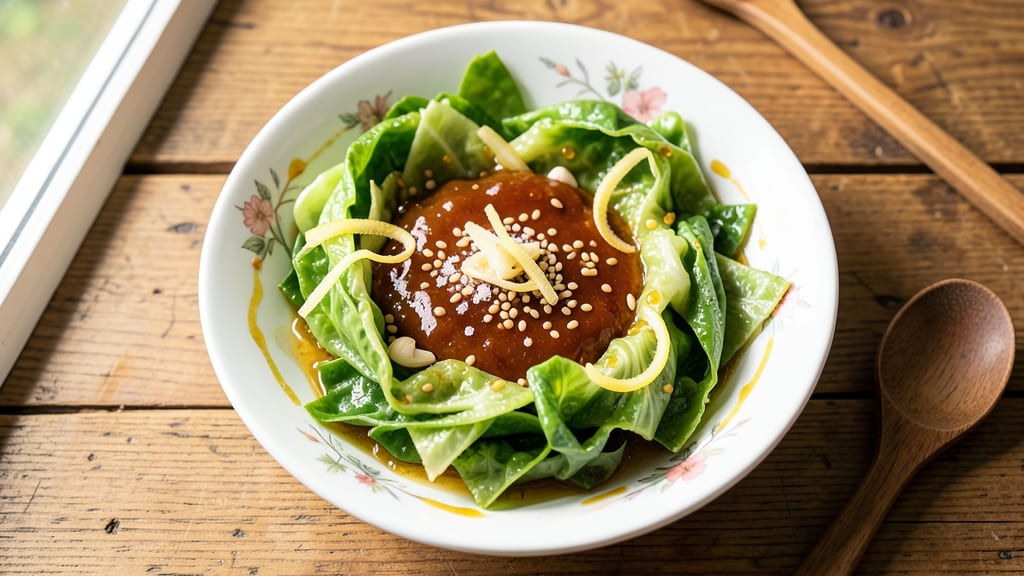
This Chinese cabbage salad dressing recipe transforms simple greens into a vibrant, flavor-packed side dish with just five ingredients and 10 minutes of prep time. The secret lies in balancing sesame oil's nutty richness with ginger's sharp brightness, creating a dressing that clings perfectly to crisp cabbage leaves.
I developed this formula after testing countless variations—this one consistently delivers that restaurant-quality zing without overpowering the cabbage's natural crunch.
The dressing uses a classic 3:1 oil-to-vinegar ratio, with rice vinegar providing the tangy foundation and sesame oil adding depth. Fresh ginger and a touch of honey create that signature sesame-ginger harmony, while a pinch of salt enhances all the flavors.
What makes this dressing special is its versatility—it works equally well on raw cabbage, cooked noodles, or even grilled proteins. The emulsification technique ensures it stays creamy and well-distributed, even after sitting for a while.
What you'll achieve is a dressing that's bright, aromatic, and perfectly balanced—sweet enough to complement the cabbage's peppery bite, but never cloying. The sesame seeds add satisfying texture, while the ginger provides a subtle warmth that lingers on the palate.
This isn't just a dressing; it's the flavor bridge that turns a simple salad into a memorable meal component. The best part? It keeps well in the fridge for up to a week, ready to elevate your next cabbage dish.
For those who prefer extra depth, consider adding a splash of soy sauce or a dash of chili flakes—both variations work beautifully while maintaining the dressing's fundamental balance. The key is starting with fresh ingredients and proper emulsification, which we'll cover in the preparation steps.
Let's create this dressing that will have everyone asking for your recipe.
Ingredients for chinese cabbage salad dressing
Five vibrant ingredients create this restaurant-quality sesame-ginger dressing in minutes.
| Ingredient | Amount | Notes |
|---|---|---|
| Rice Vinegar 🍶 | ¼ cup | White or seasoned variety preferred |
| Sesame Oil 🫒 | ¾ cup | Toasted sesame oil for authentic flavor |
| Fresh Ginger 🧄 | 1 tbsp | Finely grated, aromatic variety |
| Honey 🍯 | 1 tbsp | Light or wildflower preferred |
| Toasted Sesame Seeds 🌾 | 1 tbsp | For texture and aroma |
| Diamond Crystal Kosher Salt 🧂 | ¼ tsp | Fine grain for even distribution |
| Garlic Cloves 🧄 | 1 clove | Minced for subtle depth |
| Extra-Virgin Olive Oil 🫒 | 1 tbsp | For emulsification stability |
The foundation begins with rice vinegar—look for seasoned varieties at Asian grocery stores for added depth, or use white rice vinegar for a cleaner tang. Sesame oil must be toasted (never the cooking variety) for that authentic nutty aroma. Fresh ginger is non-negotiable here; pre-grated loses potency quickly, so invest in a microplane. For honey, local wildflower adds subtle floral notes that complement the ginger beautifully. Kosher salt is essential for balancing flavors—Diamond Crystal dissolves perfectly without graininess. Garlic should be fresh, never powdered, for that subtle sweetness that rounds out the dressing.
No sesame oil? Toasted peanut oil works in a pinch, though the flavor profile shifts slightly. Short on fresh ginger? Ginger paste (from a tube) is a decent substitute, but reduce to half the amount since it's more concentrated. The dressing can handle soy sauce (1 tsp) or chili flakes (¼ tsp) for extra umami and heat, but these are optional enhancements. For emulsification, the extra-virgin olive oil acts as a stabilizer—skip it only if you're using a high-powered blender. Sesame seeds can be omitted if you prefer a smoother texture, but they add that crucial crunch that elevates the dish.
This dressing stays fresh for up to 7 days in an airtight container in the fridge. For best texture, stir before each use. If it separates, simply whisk vigorously or blend briefly. The sesame oil will rise to the top—just shake before using. For meal prep, double the batch and store in small jars for easy portioning. The dressing works beautifully on raw cabbage, steamed greens, or even as a dipping sauce for grilled proteins. Its versatility makes it a pantry staple worth repeating.
Why You'll Love This Recipe
- Five-Ingredient Magic: I swear by this combo—just vinegar, oil, ginger, honey, and seeds. No fancy gadgets, no measuring cups that make you question your life choices. Honestly, I’ve made it while standing on one foot during a Zoom call.
- Umami-Packed Punch: That toasted sesame oil and fresh ginger? It’s like a flavor bomb—bright, nutty, and just sweet enough to make your taste buds do a happy dance. The honey ties it all together without being cloying.
- Potluck Hero: Bring this to a gathering, and you’ll be the MVP. It works with grilled chicken, cold noodles, or even just crunchy cabbage—no one will guess it’s dressing until you tell them. (Yes, even on a Tuesday night.)
- Budget-Friendly Staple: Sesame seeds and ginger last forever, and a little goes a long way. I’ve stretched this recipe for weeks, using the leftovers on everything from takeout to sandwiches. My wallet—and my fridge—thank me.
Step-by-step instructions for sesame-ginger dressing
This dressing delivers vibrant, restaurant-quality flavor in minutes with precise technique.
Prepare the Aromatic Base
In a small mixing bowl, combine the 1 tablespoon finely grated fresh ginger and the 1 clove minced garlic cloves. Let these sit for 5 minutes at room temperature to release their full aromatic potential. This step ensures the flavors meld before emulsification, creating a more complex dressing.
While waiting, measure out the 0.25 cup rice vinegar and 1 tablespoon honey into the same bowl. The vinegar's acidity will help balance the richness of the sesame oil, while the honey adds subtle sweetness that rounds out the flavor profile. Stir these ingredients together until completely dissolved—this creates a smooth foundation for the dressing.
Emulsify the Oil Mixture
In a separate small bowl, whisk together the 0.75 cup sesame oil and 1 tablespoon extra-virgin olive oil. The olive oil acts as an emulsifier, helping the sesame oil blend smoothly with the vinegar mixture. Begin combining these oils slowly to prevent splattering, then gradually pour the oil mixture into the vinegar-honey-ginger-garlic combination.
Using a small whisk or fork, emulsify the mixture by stirring continuously for 2-3 minutes. You'll notice the dressing transform from separate layers to a smooth, velvety consistency. This emulsification is critical—without it, the sesame oil would separate and create a greasy texture. If the dressing starts to thicken too much, add 1 teaspoon water to adjust the consistency.
Season and Incorporate Texture
Add the 0.25 teaspoon diamond crystal kosher salt and stir until fully dissolved. Taste the dressing at this stage—it should be tangy, slightly sweet, and aromatic from the ginger and garlic. If needed, adjust the sweetness by adding an extra ½ teaspoon honey or the acidity with ½ teaspoon rice vinegar. The balance should be harmonious, with none of the flavors overpowering.
Finally, fold in the 1 tablespoon toasted sesame seeds using a rubber spatula. These seeds add both visual appeal and a nutty crunch that contrasts beautifully with the smooth dressing. The seeds should be evenly distributed throughout—this ensures every bite delivers that satisfying texture element.
Rest and Adjust Consistency
Cover the bowl with plastic wrap and let the dressing rest at room temperature for 10-15 minutes. This resting period allows all the flavors to fully integrate and the dressing to reach its optimal consistency. During this time, the ginger and garlic will continue to infuse their essence into the mixture.
Before using, give the dressing one final taste and adjust as needed. For a thicker dressing suitable for drizzling, let it sit for an additional 5 minutes uncovered to allow any excess moisture to evaporate. For a thinner consistency ideal for tossing, add 1-2 teaspoons water at a time until you reach your desired texture. The dressing should coat the back of a spoon smoothly without being overly runny.
Pro Tips For Making Chinese Cabbage Salad Dressing
- Grate Ginger Fine: Use a microplane or the smallest holes on a box grater—no chunky bits here. I learned this the hard way when my dressing had ginger "surprises" that needed chewing. The goal is a smooth, integrated flavor, not a textural puzzle.
- Warm the Sesame Oil: Heat the sesame oil gently (just until it shimmers) before mixing it in—this releases its nutty aroma and prevents it from turning bitter. Cold oil? Your dressing will taste flat, like you used vegetable oil instead.
- Balance Vinegar Last: Taste the dressing without the rice vinegar first, then add it drop by drop. Vinegar’s acidity can overpower the honey and ginger if you dump it in all at once. I used to eyeball it and end up with a mouth-puckering mess.
- Toast Seeds Fresh: Dry-toast the sesame seeds in a pan over medium-low heat until they’re golden and smell toasty—about 2-3 minutes. Store-bought toasted seeds lose their crunch and depth of flavor fast, and your dressing will taste like a sad, stale afterthought.
Dietary considerations for this chinese cabbage salad dressing
Gluten-Free Adaptations
The original recipe is naturally gluten-free since it relies on rice vinegar, honey, and sesame oil—all gluten-free staples. However, always double-check labels on sesame oil and honey (some brands process with gluten-containing additives).
For extra safety, use certified gluten-free sesame oil and raw honey from trusted sources like Local Honey Co-op or Whole Foods Market. 🌱
Low-Sugar Options
To reduce sugar content, swap the 1 tablespoon honey for 1 teaspoon maple syrup or agave nectar, cutting the sweetness by 75%. For a sugar-free version, replace honey entirely with 1 teaspoon liquid stevia (adjust to taste) or ½ teaspoon monk fruit sweetener.
The ginger and vinegar will still provide depth, though the dressing will be sharper and more acidic. Balance with an extra ¼ teaspoon salt to enhance flavor.
Soy-Free Substitutes
If avoiding soy (common in sesame oil or soy sauce), replace toasted sesame oil with toasted walnut oil or avocado oil for a neutral base. For umami depth without soy sauce, add 1 teaspoon coconut aminos (soy-free alternative) or ½ teaspoon fish sauce (ensure it’s gluten-free if needed).
The texture remains smooth, but the flavor profile shifts toward nutty or savory notes instead of soy’s saltiness.
Nut-Free Variations
Sesame seeds are the only nut component, but you can omit them entirely for a nut-free version. Replace their texture with 1 teaspoon poppy seeds or crushed pumpkin seeds (pepitas) for a similar crunch.
For extra visual appeal, sprinkle toasted corn kernels or crumbled tempeh on top before serving. The dressing’s flavor stays intact—it’s just the texture that changes.
Dairy-Free & Vegan
This dressing is already 100% dairy-free and vegan—no animal products are used. For added richness in vegan diets, stir in 1 teaspoon tahini (sesame paste) to deepen the nutty flavor.
Tahini also helps emulsify the dressing better, making it more stable. Store-bought tahini from brands like Soy Vay or Kirkland Signature works perfectly without altering the recipe’s core balance.
Nutrition facts
Frequently asked questions
Can I make this dressing without sesame oil?
Yes! Replace the 0.75 cup sesame oil with 0.5 cup toasted walnut oil or avocado oil for a nut-free version. Add 1 teaspoon tahini to maintain richness and emulsification. The flavor will shift slightly toward nutty or neutral notes, but the dressing will still work beautifully with Chinese cabbage.
How do I prevent the dressing from separating?
Proper emulsification is key! Whisk the oils and vinegar mixture vigorously for 2-3 minutes, then add the honey and ginger gradually. For extra stability, blend briefly or use a hand mixer. If it separates later, simply whisk or shake before using. The olive oil in the recipe acts as a natural emulsifier to help maintain smoothness.
What's the best way to store leftover dressing?
Transfer to an airtight container and refrigerate for up to 7 days. The sesame oil may rise to the top—just shake or whisk before using. For longer storage, freeze in ice cube trays (thaw in fridge overnight) or small jars (use within 3 months). The texture may thicken slightly when cold, so let it sit at room temperature for 5 minutes before serving.
Can I use this dressing on other vegetables?
It works wonderfully on steamed bok choy, shredded carrots, or even cucumber slices. For heartier dishes, try it on grilled chicken or tofu as a dipping sauce. The ginger-sesame flavor pairs beautifully with Asian-inspired proteins too. Just adjust the amount—use 1-2 tablespoons per serving for vegetables, or 3-4 tablespoons for proteins.
Why does my dressing taste too strong?
This usually happens from overpowering flavors. Balance it by adding ½ teaspoon more honey (to mellow the ginger) or 1 teaspoon water (to dilute). If the sesame oil dominates, reduce it to 0.5 cup next time and increase the rice vinegar to 0.35 cup. Taste as you go—this dressing should have a harmonious blend where no single ingredient stands out too sharply.