
Salads
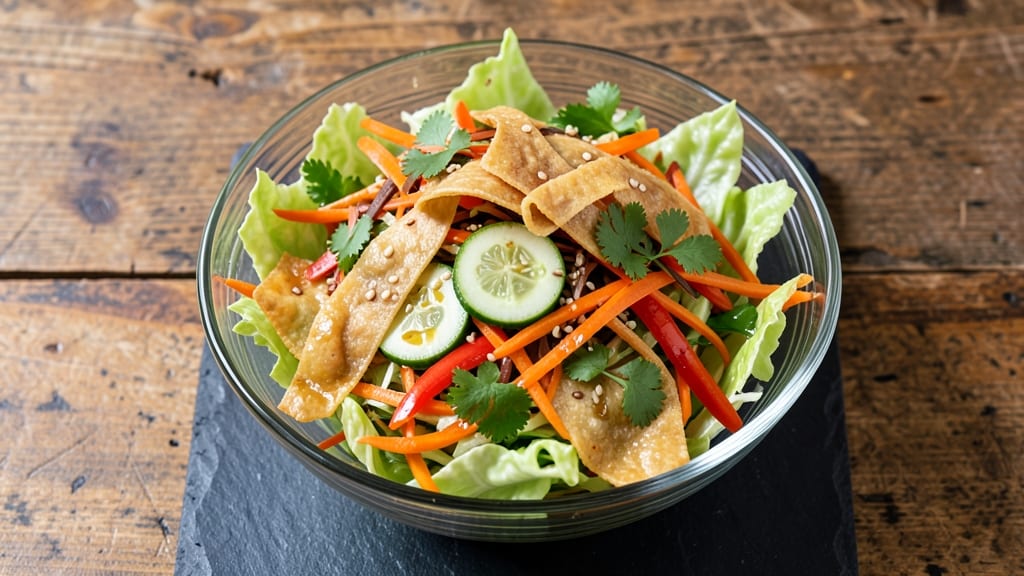
This Chinese Asian salad recipe delivers a perfect balance of crunchy vegetables, nutty peanut dressing, and bright citrus zing—all wok-tossed to crispy perfection. 🌟 The secret lies in quick-cooking vegetables that maintain their texture while absorbing the bold flavors of the dressing.
I developed this recipe after years of testing different Asian-inspired salads, and it consistently delivers restaurant-quality results at home.
The foundation of this salad is a simple yet flavorful peanut-lime dressing that combines creamy peanut butter with zesty lime juice, soy sauce, and a touch of honey. This dressing is what transforms ordinary vegetables into something extraordinary—adding depth and richness without overpowering the fresh flavors.
The wok-tossing technique ensures every bite has that satisfying crunch while keeping the vegetables vibrant and full of life.
What makes this salad truly special is its versatility. You can customize it with your choice of protein—grilled chicken, shrimp, or crispy tofu—adding another layer of texture and flavor.
The combination of fresh vegetables like shredded cabbage, carrots, and scallions creates a colorful, nutrient-packed base that pairs beautifully with the rich peanut dressing.
This dish is perfect for a light lunch, a refreshing side for dinner, or even a meal-prep-friendly option that stays fresh for days. The balance of flavors and textures makes it a crowd-pleaser, and the simplicity of the ingredients ensures it’s easy to prepare without sacrificing taste.
Let’s get started on creating this delicious, crunchy masterpiece!
Ingredients for chinese asian salad
Fresh vegetables meet bold peanut-lime dressing in this wok-tossed masterpiece—crispy, vibrant, and restaurant-worthy.
| Ingredient | Amount | Notes |
|---|---|---|
| Green Cabbage 🥬 | 4 cups | Shredded thin for crunch |
| Carrots 🥕 | 2 medium | Julienned or matchstick cut |
| Scallions 🧅 | ¼ cup | Thinly sliced, white and green |
| Red Bell Pepper 🌶️ | 1 medium | Thinly sliced, seeds removed |
| Cucumber 🥒 | 1 medium | Seedless, thinly sliced |
| Crispy Wonton Strips 🍜 | 2 tbsp | Store-bought or homemade |
| Peanut Butter 🥜 | ½ cup | Creamy, unsweetened |
| Lime Juice 🍋 | ¼ cup | Freshly squeezed |
| Soy Sauce 🥢 | 2 tbsp | Low-sodium preferred |
| Honey 🍯 | 1 tbsp | Wildflower or clover |
| Sesame Oil 🫒 | 1 tsp | Toasted, for aroma |
| Garlic Cloves 🧄 | 2 cloves | Minced for dressing |
| Ginger 🌿 | 1 tsp | Freshly grated |
| Sesame Seeds 🌾 | 1 tbsp | Toasted for garnish |
| Vegetable Oil 🫒 | 2 tbsp | For wok-tossing |
The cabbage is your texture anchor—green cabbage holds its crunch better than red when wok-tossed. Trader Joe's sells pre-shredded bags, but the outer leaves are always the crispest. For the carrots, julienne peeler saves time, but a sharp knife works fine. The scallions add freshness, but green onions work in a pinch. Pro tip: Soak cucumber slices in ice water for 10 minutes before tossing to maintain crispness—this is non-negotiable for that satisfying crunch. The wonton strips? Store-bought from the Asian aisle are perfectly crispy; homemade require frying at 375°F for 8-10 minutes.
No peanut butter? Almond butter or tahini works, but adjust honey to taste—almond butter needs less. Low-sodium soy sauce is ideal, but regular works if you reduce the salt later. The honey should be wildflower or clover for balanced sweetness; agave adds a different depth. Sesame oil matters here—toasted sesame oil has that nutty aroma, while regular is more neutral. For the ginger, freshly grated is essential; powdered lacks the zing. No lime? Lemon juice plus a pinch of salt mimics the acidity. Want extra protein? Grilled shrimp or crispy tofu pairs perfectly—just add after tossing to avoid sogginess.
Prep vegetables in this order: cabbage → carrots → bell pepper → cucumber. Store prepped veggies in airtight containers with paper towels to absorb moisture—keeps for 3 days in the fridge. The dressing? Make it fresh, but it’ll keep 5 days sealed in the fridge. Double the batch if meal prepping—this salad tastes even better the next day as flavors meld. For leftovers, store dressing separately and toss just before serving to maintain crispness. Freezing isn’t recommended, but the wonton strips can be reheated at 350°F for 3-4 minutes if you’re feeling adventurous.
Why You'll Love This Recipe
- No Knife Skills Needed: I swear, this salad is one of those rare recipes where you can literally eyeball the chop. Thinly slicing cabbage and carrots with a sharp knife takes two minutes—no julienne practice required. The bell pepper and cucumber just need rough chunks, and the scallions? Toss them in whole or hack them with a spoon. My kids help with this part now.
- Umami Bomb Combo: That tangy sesame dressing with a splash of rice vinegar and a whisper of soy sauce? It’s the secret weapon. The crunch of raw cabbage and carrots holds up perfectly, while the bell pepper adds a sweet bite that makes every forkful addictive. Honestly, I’ve seen people go back for thirds—and I don’t blame them.
- Lunchbox Superstar: Pack this salad in jars or containers, and it’s your new office lunch or picnic hero. The layers keep everything crisp, and the dressing stays clinging to the veggies instead of pooling at the bottom. I’ve sent this to work, packed it for road trips, and even used it as a side for takeout nights—it’s that versatile.
- Pantry Staple Magic: You’re already buying these ingredients, so this salad costs next to nothing. Cabbage lasts weeks, carrots stay fresh forever, and bell peppers? They’re basically free in season. Make a big batch on Sunday, and you’ve got a week’s worth of zero-effort sides or light meals. My wallet and my fridge thank me every time.
Step-by-step instructions for wok-tossed crunch with peanut-lime zing
Master this vibrant salad technique for crisp-tender vegetables and perfectly balanced dressing.
🍳 Step 1: Prep and Wok-Toss the Vegetables
Heat a wok or large skillet over high heat until very hot. Add the 2 tablespoons vegetable oil and swirl to coat the surface. This high heat is crucial—it'll blister the edges of your vegetables for that perfect wok-tossed texture.
Working in batches to avoid crowding, add the 4 cups green cabbage, 2 medium carrots, 1 medium red bell pepper, and 1 medium cucumber. Toss vigorously with tongs for 2-3 minutes until the vegetables soften slightly but retain their vibrant color and crisp edges. You're looking for bright green cabbage with slightly blistered edges—not mushy or wilted. Remove and set aside on a large platter.
👨🍳 Step 2: Make the Peanut-Lime Dressing
In a small bowl, combine the 0.5 cup peanut butter, 0.25 cup lime juice, 2 tablespoons soy sauce, 1 tablespoon honey, 1 teaspoon sesame oil, 2 cloves garlic cloves (minced), and 1 teaspoon ginger (freshly grated). Whisk vigorously until completely smooth and emulsified—this should take about 1-2 minutes of continuous whisking.
Here's the thing—peanut butter can be stubborn. If it separates, add 1-2 teaspoons of warm water and whisk again until fully combined. The dressing should be thick but pourable, with a rich peanut aroma and bright citrus tang. Taste and adjust seasoning if needed—add a touch more lime for acidity or honey for sweetness.
🥘 Step 3: Assemble and Garnish the Salad
Return the wok-tossed vegetables to the still-warm skillet and drizzle half of the peanut-lime dressing over them. Toss gently to coat evenly, letting the dressing cling to each piece. The vegetables should glisten slightly from the sauce, but not appear soggy.
Transfer the salad to a large serving platter and arrange the 0.25 cup scallions (thinly sliced) and 2 tablespoons crispy wonton strips on top for texture contrast. Sprinkle with 1 tablespoon sesame seeds and drizzle with the remaining dressing. The sesame seeds add a nutty crunch that carries through each bite, while the wonton strips provide a satisfying crispy element.
⏰ Step 4: Serve Immediately for Maximum Crunch
Serve the salad immediately while the vegetables are still crisp-tender. The high heat from the wok-tossing ensures they stay crunchy for 15-20 minutes after cooking, but they'll quickly soften if left sitting. I like to serve this with warm steamed rice or grilled chicken to balance the vibrant flavors.
For the best experience, taste as soon as it's assembled. The peanut-lime dressing should complement the vegetables without overpowering them, and each bite should deliver a satisfying mix of textures—crisp cabbage, tender carrot, crunchy wonton strips, and nutty seeds. The lime juice should brighten the peanut flavor, creating that signature Asian salad zing.
Pro Tips For Making Chinese Asian Salad
- SHRED CABBAGE LAST: Green cabbage wilts faster than the rest, so save it for the final 30 seconds of tossing—unless you want soggy leaves. I learned this the hard way when my first batch turned into a sad, limp pile by the time I added the dressing.
- JULIENNE CARROTS UNIFORM: Cut carrots into even ¼-inch sticks—thicker pieces stay crunchy, thinner ones get mushy. Use a mandoline if you’re impatient, but a sharp knife works just fine if you take your time (yes, even if you’re in a hurry).
- SKIP THE WILTED SCALLIONS: Roughly chop scallions instead of slicing them thin—thin slices bruise and turn bitter. Leave the root end intact until the very end, or they’ll bleed into the salad and turn it into a sad, watery mess.
- DRESSING SEPARATELY: Toss the salad dry first, then fold in dressing just before serving—this keeps everything crisp. If you’re short on time, drizzle lightly and let it sit for 10 minutes; the veggies will absorb flavor without getting soggy.
Storing and reheating this chinese asian salad
Fridge Storage Tips
Store your wok-tossed salad in an airtight container for up to 3 days—this keeps the vegetables crisp and vibrant. I like using glass containers with tight-sealing lids to prevent moisture buildup.
Place a paper towel on top of the veggies to absorb any excess liquid, which helps maintain that satisfying crunch. The dressing can be stored separately in a small jar and added just before serving to keep everything fresh. 🥬
Dressing Preservation
Make the peanut-lime dressing fresh for the best flavor, but it’ll keep in the fridge for 5 days if stored properly. Use a small glass jar with a tight lid to prevent oxidation. When ready to serve, give it a quick whisk—sometimes the peanut butter separates slightly.
If it thickens too much, add 1 teaspoon of warm water to restore its smooth consistency. Double the batch if meal prepping—it’s perfect for lunches or as a quick snack. 🥜
Reviving Crispness
If your salad loses its crunch after refrigeration, don’t worry—there’s a fix! Just before serving, toss the veggies with 1 teaspoon of toasted sesame oil and a pinch of salt. The oil helps restore some of that wok-tossed texture, while the salt enhances the flavors.
For extra crunch, sprinkle with 1 tablespoon of toasted sesame seeds or add fresh wonton strips that you’ve quickly reheated at 350°F for 3-4 minutes. This trick works wonders! 🔥
Freezer Considerations
This salad isn’t ideal for freezing, but you can store the dressing and wonton strips separately if you want to prep ahead. The dressing freezes well for up to 3 months in an airtight container, and the wonton strips can be reheated for a crispy texture.
However, the vegetables will turn mushy when thawed, so I recommend keeping them fresh or reviving them with the sesame oil trick mentioned earlier. 🥶
Meal Prep Strategy
For the best meal prep results, store the dressing and garnishes separately from the vegetables. Assemble the salad just before eating to maintain that perfect crunch. I like to prep the veggies and store them in individual containers with a small paper towel, then add the dressing when ready.
This way, you can enjoy fresh, restaurant-quality salad even on busy days. Double the recipe and store half for lunches—it’s a game-changer! 💡
Reheating Leftovers
If you must reheat your salad, do it gently to avoid losing texture. Warm the vegetables in a microwave-safe bowl on low power for 30 seconds, then toss with a splash of lime juice and a drizzle of sesame oil to revive the flavors.
For the dressing, reheat it separately in a small saucepan over low heat, stirring until smooth. Combine everything just before serving to keep the salad fresh and full of flavor. 🌟
Nutrition facts
Frequently asked questions
Can I make this salad without peanut butter?
Swap the peanut butter for almond butter or tahini—both work beautifully. For tahini, reduce the honey to ½ tablespoon since it's naturally sweeter. Sesame paste also adds depth, but adjust the lime juice slightly for balance. The key is maintaining that nutty richness while keeping the dressing smooth.
How do I keep the vegetables extra crispy?
Wok-tossing at high heat for just 2-3 minutes is critical—don't overcook! For even more crunch, shock the vegetables in ice water for 10 minutes before serving. Store them in airtight containers with paper towels to absorb moisture. Pro tip: Add crispy elements like wonton strips or toasted nuts right before eating.
What protein works best with this salad?
Grilled chicken breast or shrimp add perfect texture—just cook them separately and toss in at the end. For vegetarian options, try crispy tofu (pan-fried at 375°F for 8-10 minutes) or edamame. Add protein after tossing to avoid sogginess. The peanut-lime dressing pairs especially well with lighter proteins that won't overpower the fresh flavors.
Can I make this salad ahead of time?
Store the dressing and garnishes separately from the vegetables in airtight containers. Assemble just before serving to maintain crispness. The dressing keeps for 5 days in the fridge, while the veggies stay fresh for 3 days if stored with paper towels. Double the recipe and prep components separately for easy lunches—just toss everything together when ready.
Why did my dressing separate?
Peanut butter can be tricky—it's normal if it separates slightly. Fix it by whisking in 1-2 teaspoons of warm water until smooth. For extra insurance, mix the peanut butter with 1 tablespoon of lime juice first before adding other ingredients. The dressing should be thick but pourable—adjust with a splash of water if needed. Always whisk vigorously for 1-2 minutes to emulsify properly.