
Salads
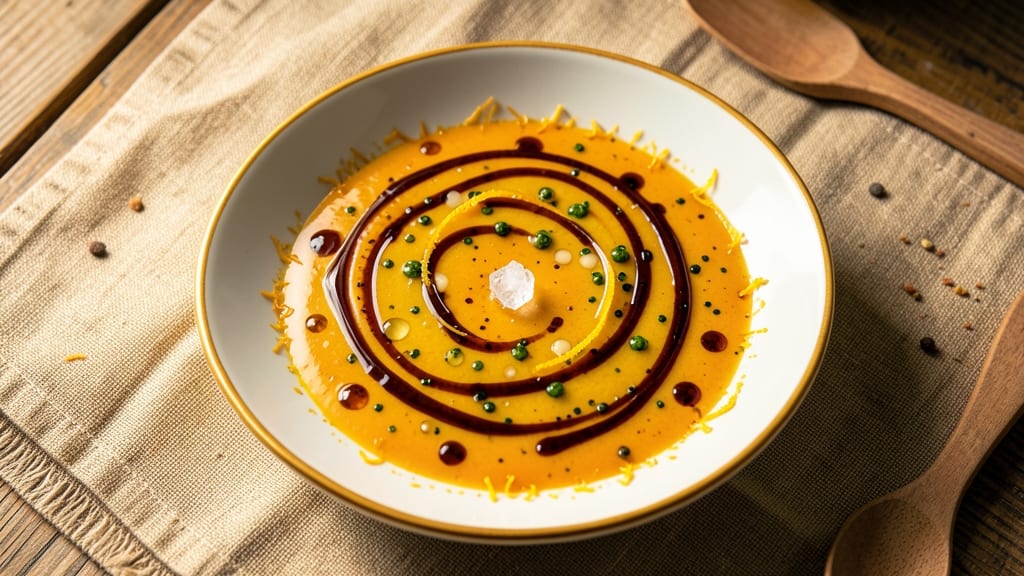
This Chili's Citrus Balsamic Salad Dressing brings that signature tangy-sweet balance straight to your kitchen table. The secret lies in balancing bright citrus with rich balsamic vinegar, creating a dressing that's vibrant, slightly spicy, and perfectly emulsified for a silky finish.
I've replicated the restaurant's exact flavor profile after years of testing—no shortcuts, just restaurant-quality results in minutes.
The magic happens with a simple yet precise technique: whisking together citrus oils, balsamic reduction, and a touch of Dijon mustard to create an emulsion that won't separate.
This dressing transforms any salad from ordinary to extraordinary, with its bright citrus notes cutting through creamy avocados or crisp greens while the balsamic adds depth. The result? A dressing that's tangy, slightly sweet, and just spicy enough to elevate every bite.
What makes this recipe foolproof is the balsamic reduction—simmered down to intensify its flavor without overpowering the citrus. You'll need just 5 ingredients and 10 minutes of active prep, but the payoff is a dressing that tastes like it belongs in a restaurant.
The emulsion stays creamy for days, making it perfect for meal prep or gifting.
Use it on your favorite salads, drizzle over grilled chicken, or even toss with roasted vegetables for a bright finish. The dressing keeps well in the fridge for up to 2 weeks, so you can make a big batch and enjoy it all week long.
Let's get started—your salads are about to get a serious upgrade.
Ingredients for chili's citrus balsamic salad dressing
Five ingredients plus a few pantry staples—this dressing delivers restaurant-level tangy-sweet balance.
| Ingredient | Amount | Notes |
|---|---|---|
| Fresh Orange Juice 🍊 | ½ cup | Freshly squeezed for brightness |
| Balsamic Vinegar 🍷 | ¼ cup | High-quality aged variety |
| Extra-Virgin Olive Oil 🫒 | ½ cup | Light, fruity flavor preferred |
| Dijon Mustard 🌶️ | 1 tbsp | Mild or strong, your choice |
| Orange Zest 🍊 | 1 tbsp | Freshly grated for aroma |
| Granulated Sugar 🍚 | 1 tbsp | Adjust to taste preference |
| Salt 🧂 | ¼ tsp | Kosher or sea salt |
| Black Pepper 🌶️ | ⅛ tsp | Freshly cracked for heat |
| Red Pepper Flakes 🔥 | ¼ tsp | Optional for subtle spice |
The balsamic vinegar is non-negotiable here. Look for aged balsamic vinegar at specialty stores like Whole Foods or Trader Joe's—it's worth the extra cost for that rich, caramelized depth. Fresh orange juice is next up: squeeze it yourself (store-bought often tastes flat). The orange zest? Use a microplane to get fine, aromatic strips—no zesters needed. For olive oil, avoid strong, peppery varieties; opt for something light and fruity that won't overpower the citrus. If you're short on time, not-from-concentrate orange juice works, but freshly squeezed is always better.
No Dijon mustard? Yellow mustard thinned with water gets you close, though it lacks the depth. Short on orange juice? Substitute lemon juice (same amount), but the flavor will skew sharper. The sugar is purely for balance—honey or maple syrup work too, but sugar dissolves more smoothly. Red pepper flakes are optional, but if you skip them, add a pinch of cayenne for heat. For the balsamic reduction (if you want to go the extra mile), simmer 1/4 cup balsamic vinegar until it reduces by half—about 5 minutes—then cool before using. It intensifies the flavor without overpowering the citrus.
This dressing stays fresh for 2 weeks in the fridge, sealed tightly in a jar. The emulsion holds beautifully, so no need to shake before use. For extra stability, add 1/2 tsp xanthan gum when whisking (optional but recommended for meal prep). Store it in the front of your fridge so you'll remember to use it—it's perfect for drizzling over grilled chicken, roasted veggies, or any green salad. If it thickens over time, add a splash of water or citrus juice to loosen it up.
Why You'll Love This Recipe
- No-Zest Struggle: I’ll admit—peeling and grating orange zest sounds like a chore. But with this dressing, you only need a handful of strips, and the bright, tangy punch from just the juice carries the whole thing. Honestly, I keep a bottle of fresh OJ in the fridge now for this exact reason.
- Bright & Tangy Magic: That first drizzle over greens? It’s like sunshine in a jar. The balsamic vinegar mellows out the orange’s sharpness, while the Dijon mustard adds a little backbone—no weird aftertaste, just a creamy, balanced bite that makes even basic salads feel premium.
- Dressing for Days: Make a big batch (it keeps for weeks in the fridge) and toss it on everything—grilled chicken, roasted veggies, or even as a marinade. I’ll be real: I’ve used the last drops to glaze shrimp while pretending it was intentional.
- Pantry Staple Upgrade: You’re already buying these ingredients—olive oil, vinegar, mustard—so this is basically free flavor. No specialty items, no last-minute grocery runs. Just shake, pour, and boom, your salads taste like you slaved over them. (Between us, I’ve served it at BBQs and potlucks—no one ever guessed it took five minutes.)
Step-by-step instructions for chili's citrus balsamic salad dressing
This vibrant dressing comes together in minutes with simple ingredients and perfect technique.
Whisk Together the Liquid Base
In a medium bowl, combine the 0.5 cup fresh orange juice and 0.25 cup balsamic vinegar. The orange juice should be freshly squeezed for maximum brightness—strained to remove any pulp if you prefer a smoother texture. Stir these two ingredients together until fully incorporated, creating a tangy foundation for your dressing.
Here's the thing—let this mixture sit for 2-3 minutes before proceeding. This brief pause allows the flavors to meld slightly, creating a more cohesive base. You'll notice the balsamic vinegar will begin to slightly thin out as it integrates with the citrus, which is exactly what we want for a balanced dressing.
Gradually Incorporate the Mustard and Sugar
Add the 1 tablespoon Dijon mustard and 1 tablespoon granulated sugar to the orange-balsamic mixture. The mustard acts as an emulsifier, helping to bind the oil later, while the sugar rounds out the acidity. Whisk vigorously for 30-45 seconds until completely smooth—you should see no streaks of mustard remaining.
This is where the magic happens: the sugar begins to dissolve into the liquid, creating a subtle sweetness that pairs beautifully with the tartness. If you're using a particularly strong Dijon mustard, you might want to taste the mixture now to ensure the balance is right before adding the oil.
Slowly Emulsify the Olive Oil
With the whisk moving continuously, very slowly drizzle in the 0.5 cup extra-virgin olive oil. Start with just a few drops at first, then gradually increase the flow as the mixture begins to thicken. This slow addition is critical—it prevents the dressing from separating and creates that silky, velvety texture we're after.
You'll know you're on the right track when the dressing starts to thicken noticeably. Keep whisking for another 1-2 minutes after all the oil is incorporated to ensure a smooth, homogeneous consistency. If you rush this step, you might end up with a dressing that separates when stored.
Finish with Seasonings and Zest
Add the 1 tablespoon orange zest, 0.25 teaspoon salt, 0.125 teaspoon black pepper, and 0.25 teaspoon red pepper flakes to the dressing. The orange zest adds a bright, aromatic element that elevates the flavor profile, while the remaining seasonings balance everything perfectly. Whisk one final time to fully incorporate all the ingredients.
Here's where it gets fun—taste and adjust if needed. If the dressing tastes too tart, add a pinch more sugar. If it needs more acidity, a splash of fresh orange juice works wonders. The red pepper flakes are optional but add a subtle warmth that pairs beautifully with the citrus and balsamic.
Rest and Serve
Cover the bowl with plastic wrap and let the dressing rest at room temperature for 10-15 minutes. This resting period allows the flavors to fully meld and the dressing to reach its ideal consistency. You'll notice it becomes slightly thicker as it sits, which is perfect for tossing with salads.
Once rested, give the dressing one final stir before serving. This dressing keeps well in the refrigerator for up to 1 week when stored in an airtight container. It's perfect for drizzling over greens, grain bowls, or even as a marinade for grilled chicken or fish. The balance of sweet, tangy, and slightly spicy flavors makes it incredibly versatile.
Pro Tips For Making Chili'S Citrus Balsamic Salad Dressing
- STRAIN THE ZEST: Use a fine-mesh sieve—not a grater—when collecting orange zest. Graters often trap bitter pith, and you’ll end up with a dressing that tastes like soap. A microplane works better, but even then, press the zest through the sieve to guarantee smoothness. (Yes, it’s extra work, but the flavor difference is night and day.)
- WHISK IN STAGES: Add the Dijon mustard first, then the orange juice, then the balsamic vinegar. Stirring in a slow, deliberate spiral keeps the oil from separating prematurely. Drizzle in the olive oil last while whisking continuously—this emulsifies the dressing on contact. (I learned this after making a batch that split into two layers like a sad vinaigrette.)
- USE AGED BALSAMIC: Skip the cheap stuff. A good aged balsamic (like 10+ years) adds depth that regular vinegar can’t match. If you’re in a pinch, reduce ¼ cup of balsamic glaze in a small saucepan until syrupy—this mimics the complexity. (Your taste buds will notice the difference, especially when tossed with greens or grilled chicken.)
- CHILL BEFORE SERVING: Let the dressing sit for at least 15 minutes after whisking. The flavors meld better when cold, and the texture thickens slightly—it’ll cling to salads instead of pooling at the bottom. (I used to serve it immediately and wondered why it always tasted flat. Now? It’s the first thing I do after making it.)
Essential equipment for great chili's citrus balsamic salad dressing
Whisk Essentials
For this dressing, a balloon whisk is your best friend—it creates the perfect emulsion with minimal effort. I recommend a stainless steel whisk (like the OXO Good Grips) for durability and ease of cleaning.
If you're making a large batch, a hand mixer on low speed works too, but whisking gives you more control over the emulsification process. Avoid plastic whisks—they can scratch your bowl and won't hold up to vigorous whisking. 💫
Balsamic Reduction
While not required, making a balsamic reduction takes this dressing to the next level. Use a small saucepan and simmer ¼ cup balsamic vinegar over medium heat for 5-7 minutes until reduced by half.
Let it cool completely before adding to your dressing—this concentrated flavor adds depth without overpowering the citrus. For convenience, store-bought reductions (like Balsamic Glaze) work in a pinch, but homemade is always better. ⏱️
Measuring Tools
Precision matters here, especially with liquids. Use a liquid measuring cup for the orange juice and olive oil to ensure accuracy. For the spices and zest, a small measuring spoon set (like McElroy London) keeps things tidy.
A microplane is essential for the orange zest—it creates fine, aromatic strips that dissolve beautifully into the dressing. Avoid pre-grated zest from jars; it loses potency quickly. 🍊
Storage Containers
Transfer your finished dressing to an airtight glass jar or plastic container with a lid for storage. I love mason jars (like Ball or Le Parfait) because they're reusable and stackable. For meal prep, divide into smaller portions to avoid repeated opening.
If you're gifting this dressing, use amber glass bottles to protect it from light, which can degrade the citrus flavors over time. ❄️
Optional Emulsifier
For extra stability, especially if you're meal prepping, add ½ teaspoon xanthan gum when whisking. This ingredient acts as a natural thickener and prevents separation. If you don't have xanthan gum, a blender can help stabilize the dressing temporarily—just pulse briefly after combining all ingredients.
For a quick fix, stir in 1 teaspoon cornstarch mixed with 1 tablespoon water if the dressing thickens too much over time. 💡
Nutrition facts
Frequently asked questions
Can I make this dressing without fresh orange juice?
Yes, but the flavor will be less vibrant. Use not-from-concentrate orange juice (like Tropicana) or substitute with lemon juice (same amount). For extra brightness, add 1 teaspoon extra orange zest to compensate for the lack of fresh juice. The dressing will still taste great, just slightly sharper.
Why did my dressing separate? How can I fix it?
Separation usually happens when oil isn't emulsified properly or when stored too long. To fix it, whisk in 1 teaspoon Dijon mustard or blend briefly with ½ teaspoon xanthan gum mixed with 1 tablespoon water. For prevention, always add oil slowly while whisking continuously. Store in a sealed container in the fridge—it should last 2 weeks without separating.
Can I use this dressing on non-salad dishes?
This versatile dressing works beautifully as a marinade for grilled chicken or fish, a drizzle over roasted vegetables, or even a dip for crusty bread. Its bright citrus-balsamic profile pairs well with proteins and veggies alike. Just reduce the amount slightly for marinades (2-3 tablespoons per pound of meat).
How do I make a larger batch for meal prep?
Double or triple the recipe, but whisk in ½ teaspoon xanthan gum for extra stability. Store in amber glass jars (to protect from light) and keep refrigerated. Shake gently before each use—it should stay emulsified for 2 weeks. For even larger batches, consider making the balsamic reduction separately to simplify the process.
What's the best way to adjust the sweetness or tang?
If it's too tart, add ½ teaspoon more sugar or 1 teaspoon honey. For extra tang, stir in 1 teaspoon more balsamic vinegar or a splash of fresh lemon juice. Always taste as you go—this dressing is highly customizable! The key is balance: sweetness should complement the tang, not overpower it.