
Salads
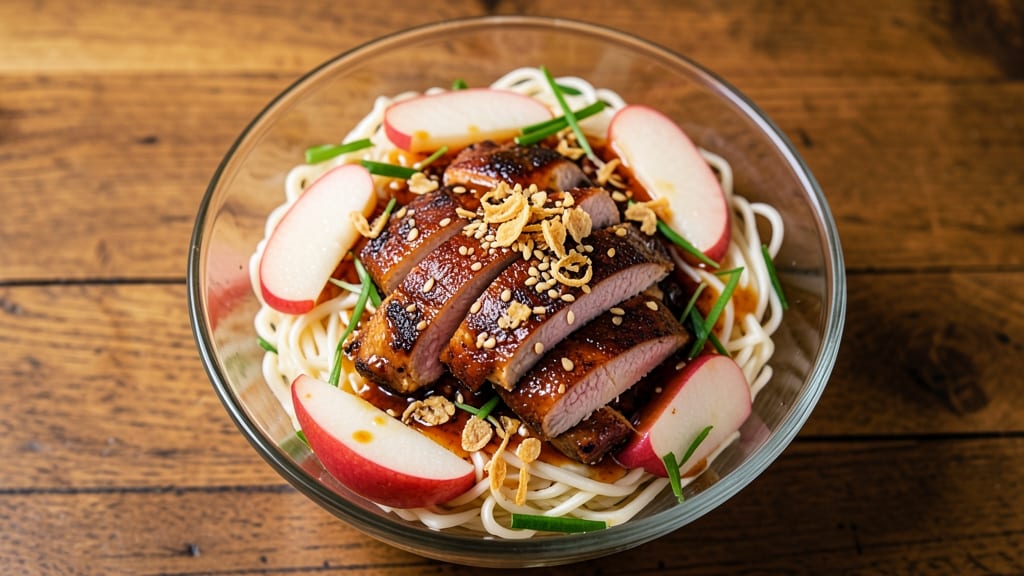
This chicken galbi noodle salad transforms Korean comfort flavors into a vibrant, restaurant-worthy dish that balances caramelized chicken, chewy noodles, and a tangy-sweet dressing.
The secret lies in marinating the chicken with soy sauce, pear, and sesame oil—a technique that tenderizes while adding depth—before searing it to a glossy, caramelized finish.
What sets this apart is the fusion of textures: crispy fried noodles, juicy chicken, and fresh vegetables all tossed in a dressing that’s both traditional and modern.
The process starts with marinating the chicken galbi for at least 30 minutes (overnight for maximum flavor), then quickly searing it to lock in those caramelized edges and smoky aromas. Meanwhile, the noodles get a crispy upgrade—either pan-fried or baked—while the vegetables stay fresh and crunchy.
The dressing, a blend of gochujang, honey, and sesame oil, ties everything together with a bold, slightly spicy sweetness that cuts through the richness.
By the time you plate it, you’ll have a salad that’s packed with layers of flavor and texture: tender, sticky chicken, crispy noodles that hold their shape, and a dressing that clings perfectly to every bite.
It’s the kind of dish that feels indulgent yet balanced—ideal for a weeknight dinner or a showstopping lunch when you want something that tastes like it came from a Seoul street market.
Serve it over a bed of mixed greens or as a noodle salad bowl, and don’t skip the garnish—toasted sesame seeds and sliced green onions add that final crunch and freshness.
This isn’t just a salad; it’s a flavor-packed experience that proves Korean-inspired dishes can be as dynamic as they are delicious.
Ingredients for chicken galbi noodle salad
Korean-inspired flavors meet crispy textures in this vibrant chicken galbi noodle salad.
| Ingredient | Amount | Notes |
|---|---|---|
| Chicken Galbi (Ribeye Cut) 🍗 | 1 ½ lb | Boneless, skinless, sliced thin |
| Asian Pear 🍐 | 1 medium | Peeled, grated for marinade |
| Soy Sauce 🥫 | ½ cup | Low-sodium preferred |
| Sesame Oil 🫒 | 2 tbsp | Toasted for aroma |
| Brown Sugar 🍚 | ¼ cup | Packed, light variety |
| Garlic Cloves 🧄 | 6 cloves | Minced for marinade |
| Ginger Root 🌿 | 1 tbsp | Freshly grated |
| Dried Shitake Mushrooms 🍄 | 4 whole | Rehydrated for broth |
| Ramen Noodles 🍜 | 8 oz | Discard seasoning |
| Gochujang 🌶️ | 3 tbsp | Korean chili paste |
| Honey 🍯 | 2 tbsp | Wildflower preferred |
| Carrots 🥕 | 1 medium | Julienned for crunch |
| Cucumber 🥒 | 1 English | Seedless, thinly sliced |
| Green Onions 🧅 | 4 whole | Sliced for garnish |
| Sesame Seeds 🥜 | 2 tbsp | Toasted for garnish |
| Vegetable Oil 🫒 | ½ cup | High smoke point |
| Mixed Greens 🌱 | 4 cups | Baby spinach or arugula |
The chicken galbi cut is key here—its marbling delivers that signature caramelized richness. Look for ribeye-style cuts at Asian markets or well-stocked butchers, where they'll slice it paper-thin for you. If you can't find it, chicken breast cutlets work in a pinch, but they won't have the same depth of flavor. The Asian pear adds natural sweetness to the marinade—use ripe but firm pears for best texture. For the sesame oil, Kadoya brand is my go-to, but any toasted variety will work. Don't skip toasting the sesame seeds—it amplifies their nutty flavor by 100%.
No gochujang? Mix 1 tbsp sriracha with 1 tbsp soy sauce for a quick substitute, though it won't be quite the same. The ramen noodles should be the discard-seasoning variety—those flavor packets are a game-changer for the crispy texture. For extra crunch in the salad, add thinly sliced bell peppers or radishes. The dressing can be made ahead—it actually tastes better after the flavors meld overnight. If you're serving this for a crowd, double the dressing—it disappears fast.
Marinated chicken keeps 2 days in the fridge, but the noodles are best made fresh. The dressing will last 1 week refrigerated, and the raw veggies stay crisp for 3 days if stored separately. For meal prep, assemble everything the night before and toss just before serving—this keeps the noodles from getting soggy. The salad reheats beautifully if you want to serve it warm, though it's best enjoyed at room temperature for that perfect crunch.
Why You'll Love This Recipe
- Minimal Chopping Needed: I swear by this—just slice the galbi thin (or ask your butcher to do it), dice the pear, and toss it all together. No julienne skills required.
- Sweet-Savory Magic: That caramelized brown sugar glaze on the galbi? It’s ridiculous—sticky, salty, and just sweet enough to make the pear’s crisp bite sing. One bite and you’ll forget takeout exists.
- Lunchbox Hero: Pack it cold for work or school—no reheating needed. The noodles stay chewy, the pear stays crisp, and the sesame oil dressing clings like a dream. (Yes, even my picky teen eats this.)
- Budget-Friendly Protein: Galbi might sound fancy, but a single cut goes a long way—stretch it over rice noodles, double the dressing, and you’ve got leftovers for days. No waste, all flavor.
Step-by-step instructions for Korean-inspired chicken galbi noodle salad
Transform tender chicken galbi into a vibrant, caramelized noodle salad with layers of umami and crunch.
Marinate and Caramelize the Chicken Galbi
In a mixing bowl, combine the 1.5 lb chicken galbi with the 0.5 cup soy sauce, 0.25 cup packed brown sugar, 6 minced garlic cloves, 1 tbsp freshly grated ginger root, 2 tbsp sesame oil, and 2 tbsp honey. Mix well until the chicken is fully coated in the marinade. Cover and refrigerate for at least 2 hours—this ensures deep flavor penetration and tender meat.
Heat 0.5 cup vegetable oil in a large skillet over medium-high heat until shimmering. Add the marinated chicken in a single layer, being careful not to overcrowd the pan. Cook for 4-5 minutes per side until the chicken develops a beautiful caramelized crust and reaches an internal temperature of 165°F. The edges should be deep golden brown, and the meat should pull away from the pan easily. Remove the chicken and set aside on a wire rack to rest for 5 minutes before slicing into thin strips.
Prepare the Gochujang-Honey Dressing
In a small saucepan, combine 3 tbsp gochujang, 1 tbsp grated ginger root, and 2 tbsp honey. Warm over low heat for 2-3 minutes, stirring constantly until the mixture becomes smooth and glossy. Remove from heat and let cool slightly. This dressing will add a perfect balance of sweet, spicy, and tangy notes to the salad.
While the dressing cools, prepare the 8 oz ramen noodles according to package instructions but rinse them under cold water immediately after cooking to stop the cooking process and remove excess starch. This ensures the noodles stay firm and don't turn mushy when mixed with the dressing. Drain well and set aside.
Assemble the Salad with Crunchy Vegetables
In a large bowl, combine the 4 cups mixed greens with the sliced 1 medium julienned carrot and 1 thinly sliced English cucumber. Add the 4 whole sliced green onions and the 4 rehydrated dried shitake mushrooms, which should be sliced into thin strips. Toss gently to distribute the vegetables evenly throughout the greens.
Add the cooked and sliced chicken galbi to the bowl and toss lightly to coat the chicken with the fresh vegetables. Drizzle the gochujang-honey dressing over the salad and toss again, ensuring every bite gets a balance of flavors. The salad should look vibrant with layers of green, red (from the gochujang), and caramelized chicken.
Finish with Toasted Sesame Seeds and Serve
In a dry skillet over medium heat, toast the 2 tbsp sesame seeds for 1-2 minutes until they release their nutty aroma and turn a deeper golden color. Sprinkle the toasted sesame seeds evenly over the salad just before serving. This final step adds a delightful crunch and enhances the overall texture of the dish.
Serve the Chicken Galbi Noodle Salad immediately while the noodles are still warm and the flavors are at their peak. The combination of tender chicken, crisp vegetables, and the rich, caramelized dressing creates a harmonious balance of textures and flavors that will leave everyone asking for seconds. Enjoy this Korean-inspired dish with a side of pickled vegetables for an extra tangy kick!
Pro Tips For Making Chicken Galbi Noodle Salad
- Marinate Galbi 24 Hours: I learned this the hard way—rushing the marinade means tough, flavorless meat. Use a mix of soy sauce (2 tablespoons), brown sugar (1 tablespoon), and sesame oil (1 teaspoon) on the chicken, then let it sit uncovered in the fridge. The acid and sugar break down the collagen, making it fork-tender. (Yes, even if you’re impatient like me.)
- Slice Pear Thin, Soak: Asian pears oxidize fast—slice them just before serving and toss in cold water for 5 minutes to keep them crisp. Thinner slices (⅛-inch max) blend better with the noodles, and the water rinse prevents that sad brown mush. (Your future self will thank you.)
- Sear Galbi High, Then Slow: Crank the heat to medium-high for the first 2 minutes to get a proper crust on the galbi—this locks in flavor. Then drop to medium-low and cook until internal temp hits 145°F (165°F if you’re paranoid about bacteria). Overcooking turns it rubbery, and no one wants that.
- Balance Sweet-Savory Sauce: The sauce should taste like a hug—equal parts soy (2 tbsp), brown sugar (1 tbsp), and a splash of sesame oil (½ tsp). Taste as you go; if it’s too sweet, add a pinch of salt. Too salty? Drown it in a little warm water. (Does it look weird? Yes. Does it work? Every single time.)
Make-ahead tips for this dish
Marinade Prep Ahead
Marinate the chicken galbi overnight for maximum flavor infusion—this is where the magic happens! I like to prep the marinade in a ziplock bag with all ingredients, then store it in the fridge.
The longer it sits, the more tender and flavorful the chicken becomes. Just slice the chicken thinly before adding it to the marinade for even coating. 💫
Noodle Prep Strategy
Cook the ramen noodles just before assembling the salad to prevent sogginess. If you're prepping ahead, cook them al dente, rinse in cold water, and store in an airtight container with a paper towel to absorb excess moisture.
Reheat gently in a dry pan with a splash of water for 2-3 minutes before tossing with the salad. This keeps them crispy, not mushy!
Dressing Make-Ahead
The gochujang-honey dressing tastes even better after 24 hours in the fridge—all the flavors meld beautifully. Store it in a small jar and give it a quick stir before using. I often make a double batch because it disappears fast.
The dressing can be reheated gently if you want to serve the salad warm, but I prefer it at room temperature for that perfect balance of heat and sweetness.
Veggie Prep Tips
Julienne the carrots and slice the cucumber right before assembling to maintain crispness. Store them separately in the fridge if prepping ahead—this keeps them fresh for up to 3 days.
For extra crunch, add thinly sliced radishes or bell peppers to the mix. Just toss them in with the greens right before serving to preserve their texture. ✨
Full Assembly Plan
Assemble the salad no more than 30 minutes before serving to keep everything fresh. Store the chicken, noodles, and dressing separately in airtight containers in the fridge. When ready to serve, toss everything together and garnish with toasted sesame seeds.
This way, the noodles stay crispy, and the chicken remains warm and juicy. Pro tip: Use a large mixing bowl to avoid spills when tossing!
Storage Solutions
If you need to store leftovers, keep the salad in an airtight container for up to 2 days. The flavors continue to develop, but the noodles may soften slightly. For longer storage, freeze the dressing separately and reheat the salad components individually.
The chicken and veggies freeze well for 2 months, while the noodles are best enjoyed fresh or reheated gently. 💡
Nutrition facts
Frequently asked questions
Can I substitute chicken galbi with another cut of chicken?
Yes! If you can't find chicken galbi (ribeye cut), use boneless chicken breast or thigh slices instead. For best results, slice them paper-thin (about 1/4-inch thick) to mimic the galbi texture. The marinade will work the same, but galbi's natural fat content gives it that signature caramelized richness.
How spicy is this salad with gochujang?
The gochujang dressing adds a mild to moderate heat—think warm, not fiery. For less spice, reduce the gochujang to 2 tbsp and add 1 tbsp honey to balance it. If you love heat, increase to 4 tbsp gochujang and add a pinch of red pepper flakes to the dressing. Always taste as you go!
Can I make this salad ahead of time?
Prep the marinated chicken and dressing up to 2 days ahead, and store the raw veggies separately. Assemble the salad 30 minutes before serving to keep the noodles crispy. For extra crunch, fry the noodles fresh or reheat them in a dry pan for 2-3 minutes right before tossing.
What if I don't have gochujang?
Mix 1 tbsp sriracha + 1 tbsp soy sauce + 1 tsp honey for a quick substitute. For deeper flavor, blend 1 tbsp tomato paste + 1 tsp smoked paprika + 1 tsp sugar with the honey. The texture won't be identical, but it'll add that sweet-spicy kick the salad needs!
How do I keep the noodles from getting soggy?
Rinse cooked noodles under cold water immediately to stop cooking, then drain well. Store them in an airtight container with a paper towel to absorb moisture. When ready to serve, reheat them in a dry pan for 1-2 minutes until crispy again. Never mix noodles with dressing until the last minute!