
Sauces & Condiments
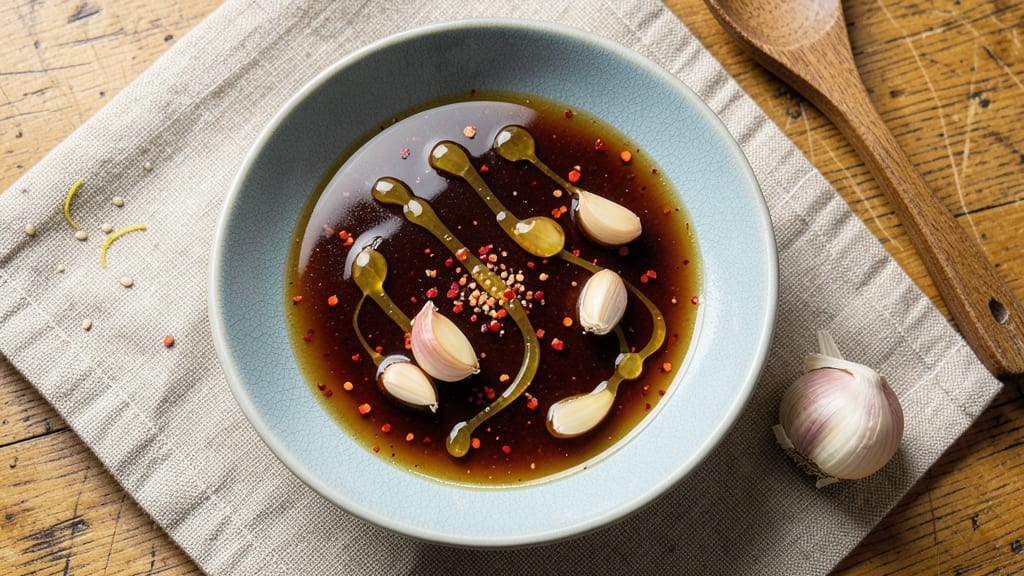
This Chinese soy sauce salad dressing recipe transforms ordinary salads into vibrant, umami-rich dishes with just five simple ingredients. 🌟 The perfect balance of tangy rice vinegar, rich soy sauce, and aromatic sesame oil creates a dressing that elevates everything from simple greens to hearty noodle bowls.
I developed this recipe after years of experimenting with Asian-inspired flavors, and it consistently delivers restaurant-quality results at home.
The foundation of this dressing lies in its bold yet balanced flavor profile. A touch of honey or sugar rounds out the acidity, while a pinch of red pepper flakes adds subtle heat that lingers.
What makes this recipe truly special is its versatility—it works equally well as a dipping sauce, marinade, or finishing touch for stir-fries. The ingredients are all pantry staples, so you can whip up a batch in minutes without any special equipment.
What you'll end up with is a glossy, aromatic dressing that clings beautifully to greens and vegetables, enhancing their natural flavors while adding depth.
The soy sauce provides that signature umami punch, the vinegar brightens everything up, and the sesame oil adds a nutty richness that makes this dressing impossible to resist. This is the kind of sauce that transforms simple meals into something extraordinary.
Store any leftovers in an airtight container in the refrigerator for up to two weeks, where the flavors will continue to develop and deepen.
Whether you're dressing up a fresh salad, tossing with cold noodles, or drizzling over grilled meats, this dressing brings a little bit of Chinese restaurant magic to your kitchen. Let's make it!
Ingredients for chinese salad dressing recipe with soy sauce
Five essential ingredients create this restaurant-quality Chinese soy sauce dressing.
| Ingredient | Amount | Notes |
|---|---|---|
| Rice Vinegar 🍶 | ⅓ cup | White or seasoned variety |
| Light Soy Sauce 🥢 | ⅓ cup | Kikkoman preferred for balance |
| Sesame Oil 🫒 | 2 tbsp | Toasted, not flavored |
| Honey 🍯 | 2 tbsp | Wildflower or clover preferred |
| Red Pepper Flakes 🌶️ | ½ tsp | Adjust for heat preference |
| Garlic Cloves 🧄 | 2 cloves | Minced, for depth |
| Fresh Ginger 🌿 | 1 tsp | Finely grated, aromatic |
| Toasted Sesame Seeds 🥜 | 1 tbsp | For garnish and texture |
The soy sauce and rice vinegar form the dressing's core, so pick high-quality brands. Kikkoman soy sauce delivers that classic umami balance, while white rice vinegar keeps the dressing bright. Sesame oil adds depth—toasted, not flavored, for that authentic nutty aroma. Fresh ginger and garlic elevate the dressing from basic to extraordinary, so don't skip them. For the best results, grab these at your local Asian grocery store—they'll have the freshest ginger and proper sesame oil options. If you're short on time, jarred minced garlic works fine, but fresh is always better.
No sesame oil? Avocado oil or walnut oil works in a pinch, though the flavor won't be identical. Short on vinegar? Apple cider vinegar at half the amount keeps things tangy. The honey can be swapped for agave nectar or maple syrup if you prefer. For extra heat, add a pinch of chili crisp or more red pepper flakes. The garlic and ginger can be pre-minced from a jar if needed, but fresh is ideal. If you're making this ahead, store the dressing without the sesame seeds—add them fresh before serving for maximum crunch.
This dressing keeps beautifully in the fridge for up to 2 weeks, with flavors deepening over time. For best texture, shake well before each use. The sesame seeds should be added fresh when serving to maintain their crunch. If you're prepping for a crowd, double or triple the batch—it's that good. Store in a clean, airtight container, and keep the sesame oil separate until ready to use to preserve its rich flavor.
Why You'll Love This Recipe
- Five-Ingredient Magic: I swear by this combo—just stir, taste, adjust. No peeling garlic, no mincing herbs, and definitely no fancy tools. Honestly, I’ve made it in a tiny travel mug while waiting for takeout.
- Umami-Packed Punch: That light soy sauce and sesame oil? Chef’s kiss. It’s salty, nutty, and just a little sweet—like a flavor party in your mouth. The red pepper flakes add a sneaky kick without overpowering, and the honey ties it all together.
- Dresses Everything: Slather it on greens, toss it with noodles, or drizzle it over grilled chicken. I’ve even used it in marinades and stir-fry sauces. Between us, it’s my pantry’s Swiss Army knife—always there when I need it.
- Lasts All Week: Make a big batch and store it in the fridge. The flavors deepen over time, and it’s way cheaper than buying dressings. Plus, it’s the only thing I can trust to not go bad in my chaotic fridge.
Step-by-step instructions for Chinese soy sauce salad dressing
This umami-rich dressing comes together in minutes with simple technique.
👨🍳 Step 1: Prepare the Aromatics
In a small bowl, finely grate the 1 teaspoon fresh ginger using a microplane or the smallest holes on a box grater. The goal is to create a paste-like consistency that will infuse maximum flavor into the dressing. Transfer the grated ginger to a measuring spoon and set aside.
Next, mince the 2 cloves garlic as finely as possible. I like to use the flat side of my chef's knife to gently crush the cloves first, then make tiny, precise cuts. The smaller the pieces, the more evenly they'll distribute throughout the dressing. Place the minced garlic in the same bowl with the ginger.
🍳 Step 2: Combine Wet Ingredients
In a medium bowl, whisk together the 0.33 cup rice vinegar and 0.33 cup light soy sauce until fully combined. This base creates the perfect balance of tangy and savory that defines Asian dressings. The mixture should be completely homogeneous with no streaks of vinegar remaining.
Add the 2 tablespoons honey and whisk vigorously for 30 seconds until the honey dissolves completely. You're looking for a smooth, glossy consistency—if you see any undissolved honey, whisk for another 10 seconds. This step is crucial for achieving that signature sweet-savory balance without any graininess in your final dressing.
🥘 Step 3: Incorporate Aromatics and Oil
Add the ginger-garlic mixture and 2 tablespoons sesame oil to the wet ingredients. Stir with a fork or small whisk until everything is fully incorporated. The sesame oil will immediately begin to emulsify the dressing, creating that signature silky texture. You'll notice the color deepen slightly as the oil combines with the other ingredients.
Taste the mixture at this stage. It should be noticeably tangy from the vinegar, salty from the soy sauce, and slightly sweet from the honey. If you want more heat, add the 0.5 teaspoon red pepper flakes now and stir well. The dressing should coat the back of a spoon with a smooth, velvety consistency.
⏰ Step 4: Rest and Adjust
Let the dressing sit at room temperature for 5 minutes before using. This resting period allows all the flavors to meld together and the ingredients to fully integrate. After resting, give it one final taste and adjust the seasoning if needed—you might want to add a splash more rice vinegar for tang or a touch of soy sauce for saltiness.
The dressing should be perfectly balanced with bright acidity, rich umami, subtle sweetness, and just a hint of heat. For best results, use it within 24 hours to maintain maximum freshness. Store any leftovers in an airtight container in the refrigerator, though I rarely have any leftovers—this dressing disappears fast!
Pro Tips For Making Chinese Salad Dressing Recipe With Soy Sauce
- STIR IN ORDER: Add honey last—right before tossing—so it doesn’t crystallize in the vinegar. I learned this the hard way after making dressing that looked like syrup glue.
- CHILL THE VINEGAR: Use cold rice vinegar straight from the fridge. Warm vinegar mellows the acid fast, and you’ll end up with a dressing that tastes flat instead of bright.
- SALT THE SOY FIRST: Mix 1 tsp water into your soy sauce before adding it to the dressing. This thins it slightly and prevents clumping when combined with honey—trust me, you’ll notice the difference.
- DRIZZLE SESAME OIL: Add sesame oil after tossing the salad, then swirl it in gently. Dumping it in early will make the whole dressing taste like a single, oily blob—your greens deserve better.
Essential equipment for great chinese salad dressing recipe with soy sauce
Whisk Essentials
For this dressing, I recommend using a small wire whisk or mini fork to combine ingredients. The whisk creates a smooth, emulsified texture that's perfect for salads. I keep a $5 stainless steel whisk from my local kitchen supply store in my pantry—it's lightweight and does the job beautifully.
If you don't have one, a regular fork works in a pinch, though you'll need to whisk more vigorously. 🥄
Measuring Tools
Precision matters with this dressing, so grab a liquid measuring cup for the rice vinegar and soy sauce, and a standard measuring spoons set for the honey, sesame oil, and spices. I love the OXO Good Grips set—they're durable and easy to read.
For the ginger and garlic, a microplane or small grater makes quick work of creating fine pastes. If you're short on time, pre-minced garlic from a jar works fine, but fresh is always better.
Storage Containers
Once your dressing is made, transfer it to an airtight container for storage. I prefer glass jars with tight-sealing lids—they're easy to clean and keep the dressing fresh for up to 2 weeks in the fridge.
For leftovers, a small mason jar works perfectly, and it's easy to shake before each use. If you're making a larger batch, a 16-ounce glass container with a snap-on lid is ideal. Just leave the sesame seeds out until serving to keep them fresh and crunchy. ❄️
Optional Gadgets
For extra convenience, consider a small immersion blender if you want to blend the dressing for a completely smooth texture. I use my Magic Bullet mini for quick blending when I'm in a hurry. Another handy tool is a garlic press—it makes mincing garlic effortless.
If you're making this dressing often, a sesame seed toaster (like the KitchenAid model) ensures your seeds are perfectly toasted every time. These tools aren't essential, but they do make the process smoother.
Everyday Tools
You don't need anything fancy to make this dressing—I've made it successfully with just a small bowl, a fork, and a spoon. The key is whisking or stirring thoroughly to combine the ingredients.
If you're using fresh ginger, a cheese grater with small holes works well for grating. For the garlic, a sharp knife is all you need. The beauty of this recipe is that it works with whatever you have on hand, making it perfect for weeknight cooking. 💡
Nutrition facts
Frequently asked questions
Can I make this dressing without sesame oil?
Yes, but the flavor will be different. Use 2 tablespoons avocado oil or walnut oil instead—both work well, though avocado oil has a neutral taste. For a closer match to authentic flavor, try 1 tablespoon toasted sesame oil plus 1 tablespoon neutral oil to maintain some of the nutty depth.
How long does this dressing last in the fridge? This dressing stays fresh for up to 2 weeks when stored in an airtight container. The flavors actually improve over time, deepening and becoming more complex. Just
What can I use instead of honey?
You can substitute honey with 2 tablespoons agave nectar or maple syrup for a similar sweetness level. For a more traditional approach, try 1 tablespoon brown sugar dissolved in 1 tablespoon warm water. The dressing will have a slightly different texture but still work beautifully.
Is this dressing spicy enough for Asian cuisine?
The 0.5 teaspoon red pepper flakes provide a mild heat that's perfect for everyday use. For more authentic spice, add 1 teaspoon chili crisp or 1 teaspoon gochujang paste—both will give you that signature Asian kick. Adjust to taste, as preferences vary widely. The dressing works well with both mild and spicy versions.
Can I use this dressing on hot dishes?
Yes, but with caution. The sesame oil has a low smoke point (350°F), so it's best for finishing hot dishes rather than cooking. Drizzle this dressing over stir-fries or grilled meats at the very end of cooking to preserve its delicate flavors. For high-heat cooking, make a separate batch without sesame oil or use it as a finishing touch only.