
Salads
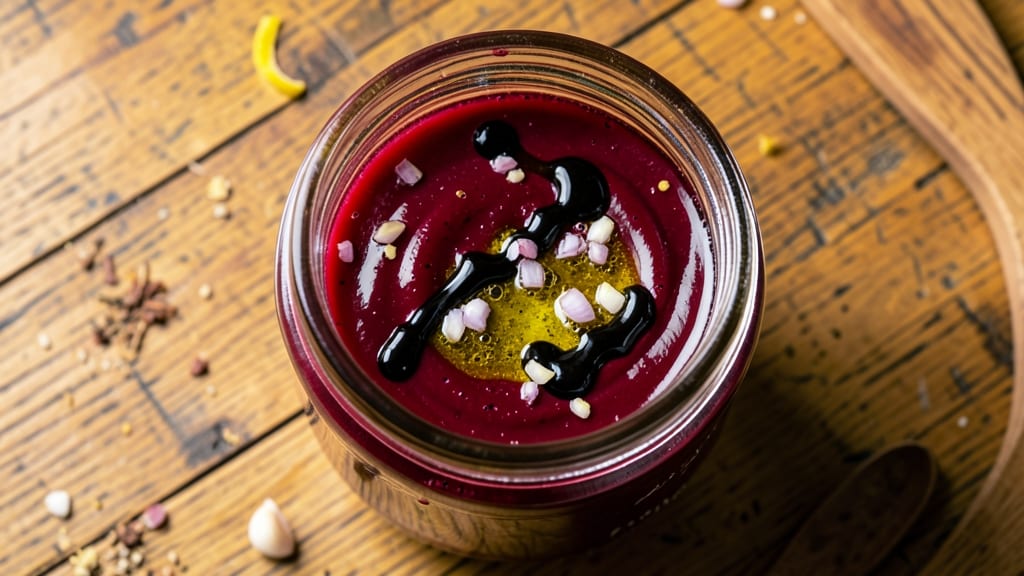
This Chianti salad dressing recipe transforms simple greens into a restaurant-worthy meal with just five ingredients and 10 minutes of prep. The bold flavors of Chianti wine, aged balsamic, and extra-virgin olive oil create a tangy, slightly sweet dressing that elevates any salad, pasta, or grilled dish.
I developed this recipe after craving the rich, complex taste of Italian bistros—without the fuss of store-bought versions that often taste artificial.
The secret lies in balancing the acidity of red wine vinegar with the depth of Chianti, while the Dijon mustard acts as a natural emulsifier, ensuring the dressing stays creamy and cohesive.
Unlike traditional vinaigrettes, this version incorporates a touch of garlic and shallot for aromatic warmth, making it far more sophisticated than basic oil-and-vinegar blends. The result? A dressing that clings beautifully to greens, grains, and proteins while delivering layers of flavor in every bite.
What sets this recipe apart is its versatility—drizzle it over arugula and cherry tomatoes for a classic Tuscan salad, toss it with warm roasted vegetables, or use it as a marinade for grilled chicken.
The dressing keeps well in the fridge for up to a week, allowing you to batch-prep for busy weeks ahead. With no complicated techniques required, this is a foolproof way to bring Italian bistro quality to your home table.
For an extra touch of authenticity, finish with a sprinkle of fresh basil or a pinch of flaky sea salt. The dressing’s bold red hue and vibrant taste make it a standout addition to any meal, proving that homemade can truly outshine store-bought.
Ready to elevate your dishes? Let’s make it.
Ingredients for chianti salad dressing
Five ingredients, bold flavors—this dressing brings Italian bistro quality to your table.
| Ingredient | Amount | Notes |
|---|---|---|
| Chianti Wine 🍷 | ½ cup | Dry red variety preferred |
| Aged Balsamic Vinegar 🍶 | ¼ cup | Minimum 12-year aged for depth |
| Extra-Virgin Olive Oil 🫒 | ½ cup | High-quality, fruity flavor |
| Dijon Mustard 🌶️ | 1 tbsp | Mellow or strong variety |
| Garlic Cloves 🧄 | 2 cloves | Freshly minced for aroma |
| Shallot 🧅 | 1 whole | Finely minced, not chopped |
| Red Wine Vinegar 🍶 | 1 tbsp | Balances Chianti acidity |
| Sea Salt 🧂 | ½ tsp | Fine grain preferred |
| Fresh Basil Leaves 🌿 | ⅛ cup | Chopped for garnish (optional) |
The Chianti wine is non-negotiable here—look for a bold, dry red with good acidity. Trader Joe's and Whole Foods carry excellent options like Sangiovese or Chianti Classico. Aged balsamic vinegar (at least 12 years) adds depth, but if you can only find regular, don't stress—it'll still taste great. The olive oil should be extra-virgin with a fruity, peppery finish—California or Italian varieties work best. Fresh garlic and shallot are key for that aromatic warmth, so don't skip mincing them finely. For the mustard, Maille is my go-to, but any quality Dijon will do.
No Chianti wine? Dry red wine vinegar works in a pinch, though the flavor will be sharper. Short on aged balsamic? Regular balsamic plus a dash of brown sugar mimics the depth. The shallot can be swapped for 1/2 small red onion, but it'll be slightly sharper. Fresh herbs? Dried basil at 1/4 the amount works, but fresh is ideal. For extra richness, add 1 tsp honey (though it'll change the flavor profile). The red wine vinegar balances the sweetness of the balsamic—if you're using a very sweet balsamic, reduce to 1 tsp. Always whisk before using to ensure the mustard emulsifies properly.
Store in an airtight jar in the fridge for up to 1 week, though it often lasts 10 days if the wine holds up. For longer storage, transfer to a sterilized jar and keep for 2 months. The dressing thickens slightly in the fridge—just whisk before using. I make a double batch every time; the extra goes perfectly on grilled chicken or roasted vegetables. If it separates, stir vigorously or add 1 tsp water to re-emulsify. Garnish with fresh basil just before serving for that restaurant touch.
Why You'll Love This Recipe
- Five-Ingredient Magic: I swear by this combo—just wine, vinegar, oil, mustard, and garlic. No fancy gadgets, no last-minute grocery runs. Honestly, I’ve made it blindfolded (okay, fine, not really—but you get the point).
- Rich Without Effort: That aged balsamic and Chianti? They do all the work. The garlic and Dijon mustard add a little kick, but the deep, tangy finish is what makes it taste like you slaved over it—when really, you just stirred.
- Weeknight to Dinner Party: Same jar of dressing for a quick caprese salad or drizzled over grilled steak at a fancy dinner. Between us, it’s the one pantry staple that makes everything feel special, no matter the occasion.
- Leftovers That Last: This keeps for weeks in the fridge—no waste, no stress. I’ve had a jar sitting since last month’s grocery haul, and it’s still bold and bright. Budget win, flavor win.
Step-by-step instructions for Chianti salad dressing
This vibrant dressing comes together in minutes with bold Italian flavors.
Prepare the Aromatic Base
In a small bowl, finely mince the 2 cloves garlic cloves and the 1 whole shallot using a sharp knife. I like to use the rock-chop method for even mincing—this ensures the shallot dissolves completely rather than creating texture. Transfer these to a clean jar with a tight-fitting lid.
Add the 0.5 cup Chianti wine and 1 tbsp red wine vinegar to the jar. The acidity from the vinegar will help balance the wine's richness while adding brightness. Seal the jar and shake vigorously for 30 seconds to fully combine the ingredients. Let this mixture sit at room temperature for 10 minutes—this allows the garlic and shallot to infuse their flavors into the wine.
Whisk in the Emulsifiers
In a separate bowl, whisk together the 0.5 cup extra-virgin olive oil, 1 tbsp Dijon mustard, and 0.5 tsp sea salt until smooth. The Dijon mustard acts as an emulsifier, helping to bind the oil and vinegar components later. I use a balloon whisk for this step—it creates more air and helps achieve a lighter texture.
Add the infused Chianti mixture to the oil and mustard combination. Pour everything back into the jar and shake again for 30 seconds. The dressing should begin to take on a slightly thickened consistency. If you notice any separation at this point, don't worry—we'll fix that in the next step.
Emulsify and Adjust Consistency
Transfer the dressing to a blender or use an immersion blender directly in the jar. Blend on medium speed for 20-30 seconds until completely smooth. This step is crucial for creating a silky texture. If the dressing is too thick for your preference, add 1-2 tablespoons of water while blending. For a thinner consistency, add an additional 1 tablespoon of red wine vinegar.
Taste and adjust seasoning if needed. I often find that another pinch of sea salt enhances the flavors. The dressing should have a perfect balance of tangy, sweet, and slightly peppery notes from the Dijon. If it tastes too acidic, add a small amount of olive oil to mellow it out.
Finish and Store
Pour the dressing through a fine-mesh strainer into a clean bottle or jar to remove any remaining shallot or garlic bits. This step ensures a smooth texture perfect for drizzling. If you're using the 0.125 cup fresh basil leaves, gently press them through the strainer or finely chop and stir them in at the end for a fresh garnish.
The dressing will keep in the refrigerator for up to 1 week. Before using, give it a good shake as the ingredients may separate slightly over time. This dressing shines on mixed greens, caprese salads, or as a marinade for grilled vegetables. The bold Chianti flavor makes it a standout for any dish needing a rich, Italian-inspired touch.
Pro Tips For Making Chianti Salad Dressing
- Reduce the Wine: Simmer the Chianti on medium-low heat for 5-7 minutes before adding anything else—this cuts the alcohol bite and deepens the flavor. I used to skip this, and the dressing always tasted sharp and unfinished.
- Toast the Garlic: Mince the garlic cloves first, then sauté them in a dry pan for 30 seconds until fragrant but not browned—this adds a nutty depth without bitterness. Raw garlic just tastes like garlic; toasted garlic makes the whole dressing sing.
- Whisk in Stages: Start by emulsifying the Dijon mustard with the olive oil first, then slowly drizzle in the reduced wine and vinegar while whisking vigorously. Rushing this step means a separated dressing—trust the process, even if it feels tedious.
- Balance with Salt: Taste the dressing before adding salt, but expect to need about ½ teaspoon—aged balsamic and Chianti are salty, but Dijon mustard pulls for more. Adjust gradually; you can’t fix oversalting, but you can always add a pinch more.
Wine and beer pairings for these flavors
Chianti Wine Pairings
Pair your dressing with the same Chianti wine used in the recipe—its bold, fruity notes complement the dressing beautifully. I recommend a Chianti Classico or Sangiovese from Tuscany, served slightly chilled at 55-60°F.
The wine's acidity mirrors the dressing's tang, creating a harmonious experience. For a lighter option, try a Pinot Noir from Oregon or New Zealand—its earthy undertones balance the dressing's richness. 🍷
Italian White Wine
For a refreshing contrast, pair with a crisp Vermentino from Sardinia or Fiano from Campania. These whites have citrus and mineral notes that cut through the dressing's bold flavors.
Serve at 45-50°F to enhance their brightness. I love this combo with grilled seafood or a caprese salad drizzled with the dressing.
Beer Pairings
A Belgian witbier like Hoegaarden or Stella Artois adds effervescence that cleanses the palate between bites. The coriander and citrus notes in these beers complement the dressing's herbal and fruity elements.
For a darker option, try a Malty Belgian Dubbel—its caramel and spice notes stand up to the Chianti's depth. Serve beers at 40-45°F for optimal flavor. 🍺
Non-Alcoholic Options
For a non-alcoholic pairing, try San Pellegrino Aranciata—its blood orange and bitter orange flavors mirror the dressing's sweet-tart profile. Alternatively, a sparkling grapefruit soda like Jarritos adds a citrusy zing.
Chill these to 38-42°F for the best experience. I often serve these at summer gatherings when alcohol isn't an option.
Dessert Wine Harmony
End the meal with a Vin Santo or Moscato d'Asti—their honeyed sweetness and effervescence balance the dressing's acidity. Serve the dessert wine at 50-55°F to enhance its caramel and floral notes. This pairing transforms a simple meal into a memorable Italian feast. 🍷✨
Nutrition facts
Frequently asked questions
Can I substitute Chianti wine with another red wine?
Yes, but choose carefully! A dry red like Cabernet Sauvignon or Merlot works, but avoid heavy, oaky wines (like Zinfandel) as they'll overpower the dressing. For a sharper flavor, use red wine vinegar instead. The key is acidity—the wine should have bright, fruity notes rather than jammy sweetness.
Why did my dressing separate? How do I fix it?
Separation happens when oil and vinegar aren't properly emulsified. Stir in 1 tsp water or 1 tsp Dijon mustard and whisk vigorously. For a smoother fix, blend with 1 tbsp extra olive oil to restore creaminess. Always store in an airtight jar to prevent future separation.
Is this dressing safe for vegetarians/vegans?
Yes, but check your Dijon mustard—some brands contain anchovies. For vegans, use a plant-based mustard and ensure your olive oil is certified vegan. The wine and balsamic are naturally vegan-friendly, so the rest of the recipe is already compliant!
How can I make this dressing thicker or thinner?
For a thicker dressing, reduce the olive oil by 1 tbsp or add 1 tsp cornstarch mixed with water. For a thinner consistency, whisk in 1-2 tbsp water or red wine vinegar. Adjust gradually—taste as you go to avoid over-diluting.
Can I use this dressing on cooked pasta or proteins?
Toss it with pasta (like penne or farfalle) or use it as a marinade for grilled chicken or steak. The bold Chianti flavor pairs especially well with tomato-based sauces or roasted vegetables. Just reduce the amount by half—it's much more concentrated than store-bought dressings.