
Salads
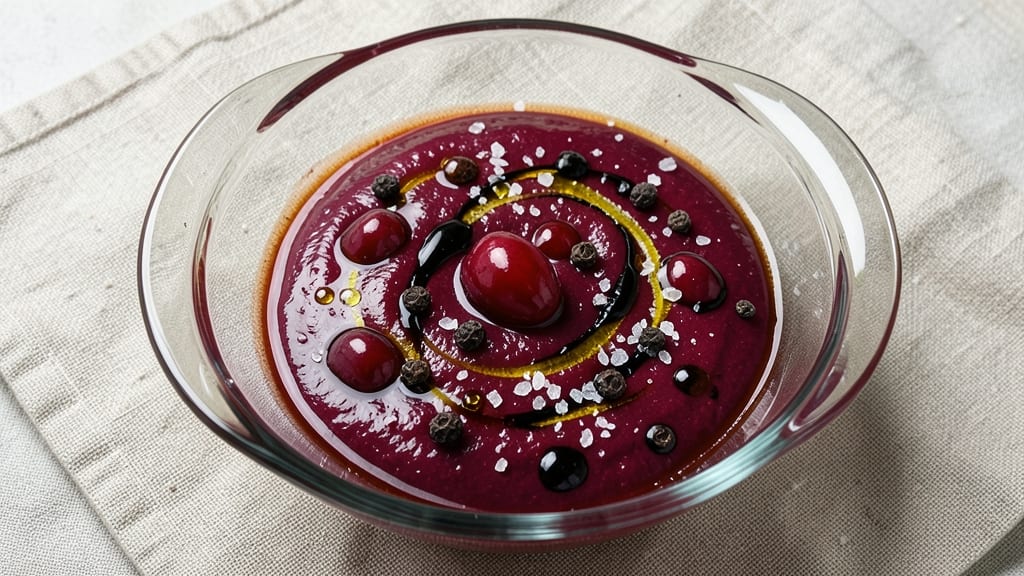
This cherry vinaigrette salad dressing recipe transforms ordinary greens into a vibrant, flavor-packed salad with just five ingredients and 10 minutes of prep.
The secret lies in balancing tart cherry syrup with sharp vinegar and rich olive oil, creating a dressing that clings beautifully to every leaf while adding a touch of summer sweetness.
I developed this recipe after realizing how often store-bought vinaigrettes lacked depth—this version delivers restaurant-quality flavor with simple pantry staples.
The dressing starts with a base of Dijon mustard and red wine vinegar, which cuts through the natural sweetness of the cherries while adding tangy complexity.
A splash of cherry syrup (homemade or store-bought) introduces that signature fruity brightness, while extra-virgin olive oil rounds out the texture for a silky finish. The result? A dressing that's bold enough to stand up to hearty greens like kale or arugula but delicate enough to complement lighter lettuces.
What makes this recipe truly versatile is its adaptability—use it on mixed greens, grain bowls, or even as a marinade for grilled chicken. The flavors develop as it sits, so I recommend shaking the bottle before each use.
Store in an airtight container in the refrigerator for up to two weeks, where the vinegar and mustard will continue to mellow the sweetness into something even more complex.
The best part? This dressing comes together in one bowl with no special equipment, making it perfect for meal prep or last-minute salads. Whether you're dressing a simple lunch or elevating a dinner salad, the tart-sweet balance ensures every bite is memorable. Let’s make it—your greens deserve this upgrade.
Ingredients for cherry vinaigrette salad dressing
Five ingredients, one bowl—this vinaigrette delivers restaurant-quality depth with pantry staples.
| Ingredient | Amount | Notes |
|---|---|---|
| Extra-Virgin Olive Oil 🫒 | ¾ cup | High-quality, fruity variety preferred |
| Red Wine Vinegar 🍷 | ⅓ cup | Dry, aged variety for depth |
| Dijon Mustard 🌶️ | 1 tbsp | Whole-grain preferred for texture |
| Cherry Syrup 🍒 | ¼ cup | Homemade or quality store-bought |
| Diamond Crystal Kosher Salt 🧂 | ½ tsp | Fine grain for even dissolution |
| Freshly Ground Black Pepper 🌶️ | ¼ tsp | Cracked peppercorns preferred |
The olive oil is non-negotiable here—California avocado or Spanish varieties like Picual or Arbequina provide the fruity complexity that cheap oils lack. Whole Foods or specialty grocers carry excellent options, but don't overlook the well-stocked olive oil aisle at Trader Joe's. For vinegar, seek out aged red wine vinegar (look for at least 12 months aging) from brands like Bragg or Balsamic Vinegar Co. The Dijon mustard should be whole-grain—Maille is the gold standard, though Colman's works beautifully too. Cherry syrup quality varies wildly; homemade from pitted cherries or Muir Glen brand delivers consistent tart-sweet balance without artificial additives.
No cherry syrup on hand? Substitute with 2 tbsp tart cherry juice concentrate thinned with 1 tbsp water, or raspberry jam at half the amount (strain out seeds). The red wine vinegar can be swapped for apple cider vinegar (though it'll be slightly milder), or balsamic vinegar for a deeper, sweeter note. Running low on Dijon? Yellow mustard plus 1/4 tsp turmeric mimics the color and some of the complexity. For those avoiding mustard entirely, 1 tsp honey plus 1/2 tsp lemon juice provides comparable tang. The salt and pepper are flexible—Maldon flaky salt adds visual appeal, while smoked paprika at 1/4 tsp introduces warmth.
This dressing develops beautifully over time—shake vigorously before each use to redistribute the oil. Store in a clean glass jar with an airtight lid in the refrigerator for up to two weeks, where the flavors continue to meld. For longer storage, freeze for up to 3 months—thaw at room temperature before shaking. The mustard and vinegar act as natural preservatives, but the olive oil's freshness is key. If the dressing separates, simply shake until emulsified again. I double the recipe and keep one batch on hand—it's the perfect quick dressing for weeknight salads or last-minute meals.
Why You'll Love This Recipe
- Five-Ingredient Magic: I swear by this combo—just whisk together olive oil, vinegar, mustard, cherry syrup, and salt. No fancy tools, no stress, just pure flavor in minutes.
- Sweet-Savory Balance: That cherry syrup isn’t just for dessert—it cuts through the acidity like a bright, fruity hug. Honestly, the tangy-sweet kick makes every bite feel like a little celebration.
- Meal Prep MVP: Double the batch and store it for days. Drizzle it on greens, toss with roasted veggies, or even glaze chicken—it’s my go-to for lunches that don’t taste repetitive.
- Budget Brightener: Cherry syrup is cheap, and a little goes a long way. I’ve turned basic salads into restaurant-worthy dishes without breaking the bank. (Yes, even on a Tuesday night.)
Step-by-step instructions for cherry vinaigrette salad dressing
This recipe delivers a perfect balance of tart and sweet—ideal for elevating any leafy green salad.
Whisk the Base Ingredients Together
In a medium bowl, combine the 0.33 cup red wine vinegar, 1 tablespoon Dijon mustard, and 0.25 cup cherry syrup. Use a whisk to blend these ingredients thoroughly for about 30 seconds until fully incorporated. The mustard helps emulsify the dressing while the vinegar and syrup create the foundational tart-sweet flavor profile.
The mixture should look smooth and homogeneous—no visible streaks of syrup or mustard. This step ensures all components are evenly distributed before adding the olive oil, which prevents separation later. Taste the mixture at this stage; it should be noticeably tart with a hint of sweetness, setting the stage for the rich olive oil to come.
Gradually Incorporate the Olive Oil
With the whisk still in hand, slowly drizzle in the 0.75 cup extra-virgin olive oil while continuing to whisk vigorously. Start with a slow stream, then gradually increase the speed as the mixture begins to thicken. This gradual approach is critical—adding oil too quickly can cause the dressing to break or separate.
Whisk for an additional 1-2 minutes after all the oil is incorporated until the dressing thickens slightly and coats the back of a spoon. The texture should be smooth and velvety, with a slight sheen that indicates proper emulsification. If the dressing appears too thin, whisk in an extra ½ teaspoon of Dijon mustard to help stabilize it.
Season with Salt and Pepper
Add the 0.5 teaspoon Diamond Crystal kosher salt and 0.25 teaspoon freshly ground black pepper to the bowl. Whisk for another 20-30 seconds to ensure the salt and pepper are evenly distributed throughout the dressing. The salt enhances the flavors, while the pepper adds a subtle warmth that complements the tartness.
Taste the dressing again and adjust the seasoning if needed. If it tastes too sweet, add a splash more red wine vinegar. If it needs more depth, a pinch of salt or a crack of extra pepper will elevate it. The dressing should now have a harmonious balance of tart, sweet, and savory notes, ready to transform any salad.
Let It Rest and Emulsify
Transfer the dressing to a clean jar or airtight container and let it rest at room temperature for at least 15 minutes before using. This resting period allows the flavors to meld and the emulsion to fully stabilize. The dressing will thicken slightly as it sits, becoming even more cohesive and ready to cling beautifully to greens.
Give the jar a gentle shake just before using to redistribute any settled ingredients. The final product should be glossy, with a smooth texture that coats the back of a spoon. This dressing is now ready to elevate your salads, adding a vibrant, flavorful contrast to crisp greens and fresh vegetables.
Pro Tips For Making Cherry Vinaigrette Salad Dressing
- Whisk in stages: Start by mixing vinegar, mustard, and cherry syrup—then slowly drizzle in the olive oil while whisking. The syrup’s thickness can clump if you add oil too fast, and you’ll end up with a gloppy mess instead of a silky dressing.
- Salt the mustard: Sprinkle a pinch of kosher salt directly into the Dijon before whisking it into the vinegar. It dissolves better this way and cuts through the sweetness more evenly—no gritty surprises when you taste it.
- Chill before using: Let the dressing sit in the fridge for 10–15 minutes after making it. The flavors meld, and the syrup’s cloying edge softens. I used to skip this and wondered why the dressing tasted one-note—now it’s balanced every time.
- Measure syrup precisely: Use a kitchen scale for the cherry syrup (about 1–1.5 tablespoons). Eyeballing it leads to either a dessert-like glop or a dressing that’s too sharp. A little goes a long way—trust the numbers.
Wine and beer pairings for this recipe
White Wine Pairings
This cherry vinaigrette’s tart-sweet balance pairs beautifully with crisp white wines that mirror its bright acidity. I always reach for a dry Riesling—specifically a German Spätlese like Dr. Loosen Blue Slate—because its mineral notes and slight honeyed fruit complement the cherry syrup without overpowering the dressing’s tang.
The wine’s natural sweetness also echoes the dressing’s fruitiness, creating a harmonious match. 🍷
For a lighter option, try a Sauvignon Blanc from New Zealand (like Oyster Bay) or Loire Valley, France (such as Sancerre). The wine’s citrus and herbal notes cut through the dressing’s richness, making each bite feel fresh and balanced.
Serve both wine and dressing slightly chilled—around 45-50°F—to enhance their refreshing qualities.
Rosé Wine Harmony
Rosé wines bridge the gap between reds and whites, making them a perfect match for this versatile dressing. A dry Provence rosé (like Château d’Esclans) with its crisp acidity and subtle strawberry undertones mirrors the cherry notes beautifully.
The wine’s pale hue also visually complements the dressing’s vibrant pinkish tones when drizzled over salads. 🍓
For a bolder rosé, opt for a Spanish Garnacha Rosado—such as Bodegas Muga Rosado—which adds a touch of spice that pairs wonderfully with the dressing’s Dijon mustard. Both wines should be served slightly chilled (48-52°F) to let their bright flavors shine alongside the dressing.
Beer Pairings
When it comes to beer, I love pairing this dressing with a dry-hopped Belgian witbier, like Hoegaarden or Stella Artois. The beer’s coriander and orange peel notes create a refreshing contrast to the dressing’s tart-sweet profile, while its effervescence cleanses the palate between bites.
Serve the beer well-chilled (38-42°F) to highlight its crispness. 🍺
For a malty option, try a light German Pilsner (such as Weihenstephaner) or a crisp American lager (like Corona Extra). The beer’s subtle hop bitterness balances the dressing’s sweetness, while its clean finish ensures the salad’s flavors remain the star.
Avoid heavy IPAs or stouts—they’ll overpower the delicate dressing.
Sparkling Wine Spark
For a celebratory touch, pair your cherry vinaigrette with a dry sparkling wine, like Prosecco or Cava. The bubbles and acidity in wines such as La Marca Prosecco or Freixenet Cordon Negro mirror the dressing’s liveliness, making each sip and bite feel vibrant.
The wine’s slight sweetness also enhances the cherry notes, creating a delightful harmony. 🥂
For a more luxurious option, try a Champagne like Veuve Clicquot Brut or a Crémant from France—their toasty brioche notes add depth to the dressing’s fruity profile. Serve the sparkling wine well-chilled (40-45°F) to preserve its crispness and let it elevate the salad to a restaurant-worthy experience.
Nutrition facts
Frequently asked questions
Can I make this cherry vinaigrette without cherry syrup?
For a similar tart-sweet balance, substitute 2 tablespoons tart cherry juice concentrate thinned with 1 tablespoon water, or use ½ cup raspberry jam (strain out seeds). If you prefer a more savory profile, swap the syrup for 1 tablespoon honey plus 1 teaspoon lemon juice—this mimics the sweetness while adding brightness.
Why does my vinaigrette separate after a few days?
Separation is normal for vinaigrettes, especially when stored in the fridge. The good news? It’s easily fixable! Just give the jar a vigorous shake for 20-30 seconds before using—this redistributes the oil and emulsifiers like Dijon mustard. For extra stability, whisk in ½ teaspoon of xanthan gum (a pinch) if you notice frequent separation.
What’s the best way to store leftover dressing?
Transfer the dressing to a clean glass jar or airtight container and refrigerate for up to 2 weeks. Always shake well before using, as the flavors meld and thicken over time. For longer storage, freeze for up to 3 months—thaw overnight in the fridge to preserve texture. Avoid metal spoons, which can react with the vinegar.
Can I use this dressing on non-salad dishes?
Yes! This versatile vinaigrette works beautifully as a marinade for grilled chicken or fish, a drizzle for roasted vegetables, or even a sauce for pasta or grain bowls. The tart-sweet balance cuts through rich proteins and complements roasted flavors. For marinades, reduce the oil slightly (¼ cup instead of ¾ cup) to prevent sogginess.
How do I adjust the sweetness level?
If the dressing tastes too sweet, add 1-2 teaspoons more red wine vinegar and whisk to combine. For extra tartness, increase the vinegar by 1 tablespoon total. If it’s not sweet enough, add 1 teaspoon more cherry syrup or honey. Taste as you go—adjustments are easy with this simple recipe!