
Salads
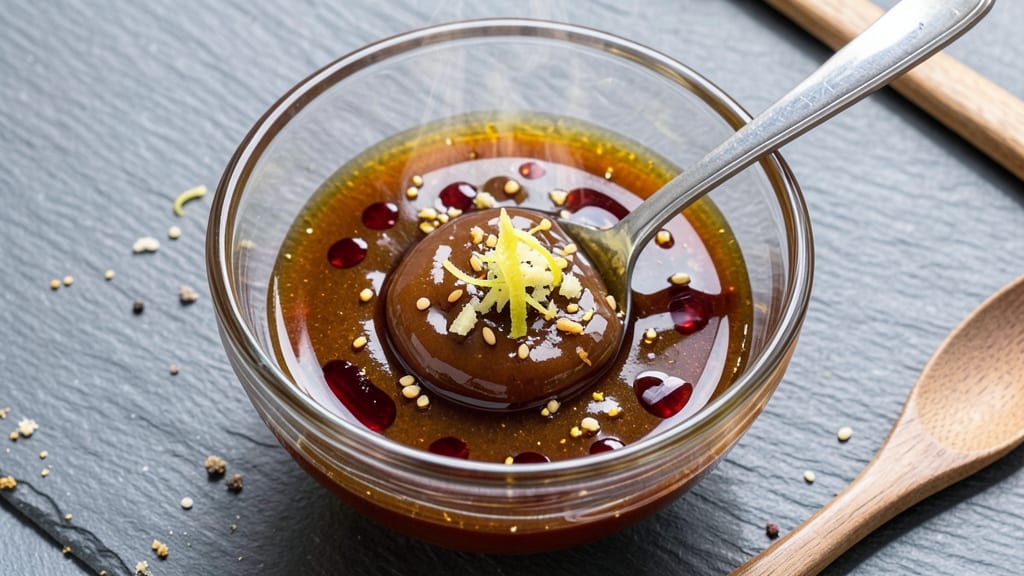
This Cheesecake Factory Asian salad dressing recipe transforms ordinary salads into vibrant, restaurant-quality meals with just a few simple ingredients. The secret lies in balancing sweet, savory, and umami flavors—soy sauce for depth, sesame oil for richness, and a touch of honey for brightness.
I’ve recreated this dressing after perfecting it for my family’s Asian-inspired salads, and it’s now a staple in my pantry.
The dressing starts with a base of rice vinegar and soy sauce, then builds layers of flavor with fresh ginger, garlic, and a hint of sesame oil. A splash of honey or agave balances the acidity, while toasted sesame seeds add texture and aroma.
Unlike store-bought versions, this recipe uses real ingredients—no artificial flavors or preservatives—to deliver a dressing that’s tangy, slightly sweet, and packed with authentic Asian-inspired taste.
What makes this dressing truly special is its versatility. Drizzle it over crisp celery crowns and mixed greens for a classic Asian salad, or use it as a marinade for grilled chicken or tofu.
The dressing keeps well in the fridge for up to two weeks, making it perfect for meal prep. Each batch delivers a bold, complex flavor that elevates any dish it touches.
Ready in just 5 minutes, this dressing is the perfect way to add restaurant-quality flavor to your homemade meals. The ingredients are simple, but the results are anything but ordinary—think tangy, nutty, and subtly sweet with every bite. Let’s make it!
Ingredients for cheesecake factory asian salad dressing
Nine simple ingredients balance tangy, sweet, and nutty flavors for restaurant-quality dressing.
| Ingredient | Amount | Notes |
|---|---|---|
| Rice Vinegar 🍶 | ½ cup | White or seasoned variety |
| Soy Sauce 🍶 | ⅓ cup | Light or dark preferred |
| Sesame Oil 🫒 | 1 tbsp | Toasted for authentic flavor |
| Honey 🍯 | 2 tbsp | Or agave nectar for vegan option |
| Fresh Ginger 🧄 | 1 tbsp | Finely grated, fresh preferred |
| Garlic Cloves 🧄 | 2 cloves | Minced for smooth texture |
| Toasted Sesame Seeds 🌰 | 1 tbsp | For garnish and texture |
| Sesame Seeds 🌰 | 1 tsp | Extra for garnish |
| Salt 🧂 | ½ tsp | Kosher or sea salt |
| Black Pepper 🌶️ | ¼ tsp | Freshly ground preferred |
The foundation starts with rice vinegar and soy sauce—look for high-quality brands like Kikkoman or Miyoko's for authentic depth. Fresh ginger and garlic are non-negotiable here; the grocery store's pre-grated ginger often lacks punch, so grab a small knob and grate it yourself. Sesame oil is where the magic happens—Kadoya or La Choy are reliable options, but avoid the cheap stuff that tastes like paint thinner. Toast your sesame seeds in a dry pan for 2-3 minutes until golden; this enhances their aroma dramatically. For honey, local raw honey adds complexity, but store-bought works fine in a pinch.
No rice vinegar? Apple cider vinegar works in a bind, though the flavor profile shifts slightly. Swap soy sauce for coconut aminos if you're avoiding gluten, but reduce to 2 tablespoons since it's saltier. Short on sesame oil? Avocado oil can mimic the richness, though it won't have that signature nutty taste. Fresh ginger too strong? Ground ginger at half the amount works, but you'll lose some brightness. The dressing thickens when chilled, so if it's too thin, let it sit for 10 minutes before serving. For extra umami, add 1/2 teaspoon of fish sauce (skip if vegetarian) or a dash of miso paste.
Store in an airtight jar in the fridge for up to 2 weeks, though it often disappears faster. The flavors meld beautifully overnight, so making a batch ahead is ideal. For meal prep, divide into small containers—perfect for packing in lunchboxes or drizzling over quick salads. If the dressing separates, give it a good stir before using. The sesame seeds can be toasted fresh each time you use it, or store them in a sealed container for up to 3 months in a cool, dark place.
Why You'll Love This Recipe
- Here’s what sold me: I make a big batch, store it in the fridge, and it stays fresh for weeks. A splash of water thins it out if it gets too thick, and it’s still better than bottled dressing. Plus, the ginger keeps it from tasting flat—unlike those sad, watery store-bought versions.
- Five-Ingredient Magic: I swear, this dressing comes together faster than I can say "salad’s ready." Just whisk those five pantry staples—rice vinegar’s tang, soy’s umami, a drizzle of sesame oil—and boom. No peeling garlic, no fancy techniques, just pure, effortless flavor.
- Umami Bomb: That balance of honey’s sweetness cutting through ginger’s sharp bite? Chef’s kiss. The soy and sesame oil add this deep, savory punch that makes every bite feel like a little Asian bistro moment. Honestly, I’ve made it on takeout chicken, cold noodles, even scrambled eggs—it’s that good.
- Weeknight Workhorse: Between us, this is my go-to when I’m too tired to think. Toss it with pre-washed greens, rotisserie chicken, or store-bought sushi rolls—it elevates everything without extra effort. (Yes, even on a Tuesday night when I’d rather eat cereal.)
Step-by-step instructions for Cheesecake Factory Asian salad dressing
This dressing balances sweet, savory, and umami perfectly—just like the restaurant version.
Grate and Mince Fresh Aromatics
Use a microplane to grate the 1 tablespoon fresh ginger into a small bowl. The finer the grating, the smoother the dressing will be. Set aside. In the same bowl, add the 2 cloves garlic cloves and mince them with a knife until you have a fine paste. Fresh ginger and garlic are non-negotiable here—they carry the dressing's signature zing.
I like to press the ginger against the grater with my fingers to maximize yield. For garlic, I use the flat side of my knife blade to crush the cloves first before mincing. This releases more flavor and prevents large chunks that can make the dressing grainy.
Whisk Wet Ingredients Together
In a medium bowl, combine the 0.5 cup rice vinegar, 0.33 cup soy sauce, 2 tablespoons honey, 1 tablespoon sesame oil, 0.5 teaspoon salt, and 0.25 teaspoon black pepper. Use a whisk to combine everything thoroughly until the honey and sesame oil are fully incorporated and the mixture looks uniform.
This is where the dressing's balance comes together. The rice vinegar provides acidity, soy sauce adds umami depth, honey rounds out the sharpness, and sesame oil contributes nutty richness. Taste at this stage—you should notice a bright, tangy sweetness with a hint of saltiness. If it's too sweet, add a splash more rice vinegar; if too sharp, stir in a bit more honey.
Fold in Aromatics and Toasted Seeds
Add the grated ginger and minced garlic to the wet mixture. Stir with a spoon until fully combined. Then, gently fold in 1 tablespoon toasted sesame seeds using a rubber spatula. These seeds add texture and a nutty crunch that elevates the dressing beyond just a smooth sauce.
Here's the thing—don't overmix. You want the sesame seeds distributed evenly but still visible as little bursts of texture. If you stir too vigorously, you'll end up with a completely smooth dressing that loses its restaurant-quality appeal. A few gentle folds are all you need.
Rest and Adjust Consistency
Let the dressing sit at room temperature for 10-15 minutes. This allows all the flavors to meld together completely. After resting, give it one final taste and adjust seasoning if needed—perhaps a pinch more salt or a drizzle of honey to perfect the balance.
For best results, I recommend making this dressing at least 1 hour before serving. The flavors deepen and harmonize over time, much like a good vinaigrette. If it thickens too much while resting, thin it with 1-2 teaspoons of warm water or a splash of rice vinegar until it reaches a pourable consistency.
Garnish and Serve
Just before serving, sprinkle 1 teaspoon sesame seeds on top of the dressing. These will add a final touch of crunch and visual appeal. Transfer the dressing to a small airtight jar or bowl and store it in the refrigerator for up to 1 week. The flavors actually improve overnight, so making it ahead is ideal.
This dressing works beautifully on Asian-inspired salads, noodle bowls, or even as a marinade for grilled meats. The perfect balance of sweet, tangy, and umami makes it infinitely versatile while staying true to the Cheesecake Factory's signature taste. Serve immediately for the freshest experience, or chill for up to 24 hours to let the flavors develop fully.
Pro Tips For Making Cheesecake Factory Asian Salad Dressing
- GRATE THAT GINGER: DESCRIPTION: Use a microplane—not a knife—and scrape the ginger in one direction for fine, even shreds. I learned this the hard way: chunky ginger burns too fast and leaves weird texture in the dressing. (Yes, even if you’re impatient like me.)
- WHISK IN STAGES: DESCRIPTION: Start with vinegar and soy sauce, then add honey and ginger. Finally, drizzle in sesame oil slowly while whisking—this emulsifies the dressing instead of letting it split. After burning three batches, I finally figured out why mine always looked like oil and vinegar had a fight.
- SALT THE SOY: DESCRIPTION: Skip the plain soy sauce—use low-sodium instead and add ½ teaspoon salt per tablespoon of soy. The Cheesecake Factory version is balanced, not briny. I was skeptical until I tried it; now I can’t go back.
- CHILL BEFORE USING: DESCRIPTION: Let the dressing sit in the fridge for 10 minutes after mixing. The flavors meld, and the sesame oil won’t overpower the first bite. (Your future self will thank you.) Sounds weird, but it works—especially if you’re dressing a warm salad.
Make-ahead tips for this cheesecake factory asian salad dressing
Batch Prep Strategy
Make a double batch of this dressing—it disappears fast! Store in two 8-ounce glass jars with tight-sealing lids. The dressing keeps for 2 weeks in the fridge, so you’ll always have it ready for last-minute salads or quick meals. I label mine with the date to track freshness. 📅
Storage Containers
Use amber glass jars or BPA-free plastic containers to preserve the dressing’s vibrant color and prevent oxidation. Mason jars with silicone seals work perfectly and stack neatly in your pantry. Avoid clear containers—they let light degrade the sesame oil’s flavor over time. 💡
Freezing for Long-Term
For extended storage, freeze the dressing in ice cube trays—each cube makes a perfect single-serving portion. Transfer the cubes to a ziplock bag and flatten to save space. Thaw overnight in the fridge before using. The texture stays smooth, though the seeds may separate slightly—just stir before drizzling. ❄️
Portioning for Meal Prep
Divide the dressing into 4-ounce portions in small containers for easy grab-and-go use. This prevents waste and ensures you always have the perfect amount for a salad or marinade. I keep one portion in my fridge and freeze the rest. Perfect for busy weeks! 💪
Reviving Stale Dressing
If your dressing thickens or separates after storage, simply whisk in 1 teaspoon of warm water or a splash of rice vinegar to restore consistency. For extra freshness, add a pinch of toasted sesame seeds and 1/2 teaspoon of sesame oil to revive the flavor.
Stir well and let it sit for 5 minutes before using. ✨
Garnish Prep Ahead
Toast an extra 2 tablespoons of sesame seeds in advance and store them in a small airtight container at room temperature. This saves time when serving and keeps the garnish ready for quick assembly. Just sprinkle a pinch on top before drizzling the dressing over salads. 🌰
Nutrition facts
Frequently asked questions
Can I make this dressing without sesame oil?
You can substitute sesame oil with 1 tablespoon avocado oil or toasted peanut oil for a similar nutty depth, though the flavor will differ slightly. For a more authentic taste, try 1/2 teaspoon toasted sesame paste mixed with 1/2 teaspoon warm water to mimic the oil's richness. The key is balancing the sweet and savory notes—adjust honey or rice vinegar if needed after substituting.
How spicy should this dressing be?
This recipe is designed to be mildly tangy and sweet—not spicy! The ginger and garlic provide subtle warmth, but there's no chili or heat. For a spicier version, add 1/4 teaspoon of sriracha or 1/8 teaspoon of red pepper flakes to the wet ingredients. Start with half the amount and taste before adding more.
Can I use this dressing on non-salad dishes?
This versatile dressing works perfectly as a marinade for grilled chicken, shrimp, or tofu—just toss protein with 1/4 cup dressing and let it sit for 15-30 minutes before cooking. It also elevates ramen, rice bowls, or even spring rolls. For noodles, use 1/4 cup dressing per serving and toss with warm noodles and veggies.
Why did my dressing turn cloudy?
Cloudiness usually means the sesame oil separated from the other ingredients. Simply whisk vigorously to re-emulsify it, or add 1 teaspoon of warm water and stir gently. For prevention, store the dressing in a small, wide-mouth jar (like a mason jar) and avoid shaking it vigorously. The seeds may also sink—just stir before using.
Is this dressing vegan?
Almost! Swap the honey for agave nectar and use coconut aminos instead of soy sauce (reduce to 2 tablespoons since it's saltier). For extra umami, add 1/2 teaspoon of miso paste. The sesame oil and seeds are naturally vegan, so the only adjustments needed are the sweetener and soy sauce alternatives.