
Salads
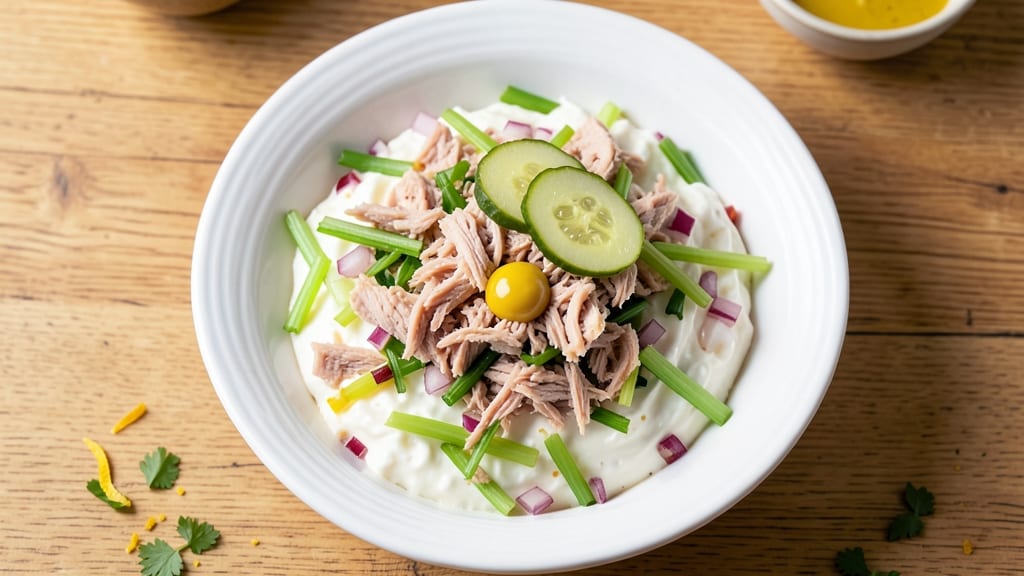
This cheap tuna salad recipe proves you don’t need fancy ingredients to make a satisfying, flavorful dish that costs less than $2 per serving. The secret lies in simple swaps—like Greek yogurt for mayo—that keep the texture creamy without breaking the bank. I developed this version after realizing how often canned tuna gets overlooked as a budget-friendly protein source, especially when paired with affordable pantry staples.
What makes this recipe work is the balance of textures and flavors: tender canned tuna, crisp celery, and a touch of tang from pickles or mustard. The Greek yogurt substitute cuts costs while adding a lighter, protein-rich twist that still holds up in sandwiches or as a side.
No fancy techniques required—just chop, mix, and serve. It’s the kind of dish that transforms basic ingredients into something restaurant-worthy without the price tag.
The result is a tuna salad that’s crunchy, slightly tangy, and packed with protein—perfect for sandwiches, crackers, or even as a filling for lettuce wraps. The best part? You can make a big batch and store it for up to 5 days, making it ideal for meal prep.
Whether you’re stretching your grocery budget or just looking for a quick, no-fuss lunch, this recipe delivers every time.
For extra savings, skip the bread and serve with rice or pasta, or use this as a topping for baked potatoes. The possibilities are endless, and the cost per serving stays impressively low. Let’s get started—your wallet (and taste buds) will thank you.
Ingredients for cheap tuna salad
Budget-friendly staples that pack restaurant-worthy flavor without the price tag.
| Ingredient | Amount | Notes |
|---|---|---|
| Canned Tuna in Water 🐟 | 2 cans | Drained, not oil-packed |
| Plain Greek Yogurt 🥛 | ¾ cup | Full-fat for creaminess |
| Celery Stems 🧅 | 1 ½ cups | Finely chopped, crisp |
| Red Onion 🧅 | ¼ cup | Finely diced, sharp bite |
| Dill Pickle 🥒 | 1 whole | Chopped, tangy crunch |
| Yellow Mustard 🍯 | 1 tbsp | For tangy depth |
| Lemon Juice 🍋 | 1 tbsp | Freshly squeezed |
| Salt 🧂 | ½ tsp | Kosher or sea salt |
| Black Pepper 🌶️ | ¼ tsp | Freshly ground |
| Dried Dill 🌿 | 1 tsp | Or 1 tbsp fresh chopped |
| Olive Oil 🫒 | 1 tbsp | For moisture balance |
| Whole Grain Mustard 🍯 | 1 tsp | Optional, extra texture |
The tuna is the star here—store-brand canned tuna in water works perfectly (no need to splurge on fancy brands). Walmart or Aldi usually have the best prices, and the water-packed version is lighter than oil-packed. Celery is your crunch source, so grab a bunch and chop the stems—they're just as crisp as the stalks. Red onion adds sharpness without overpowering, and I always grab the smaller bags from Trader Joe's since they stay fresh longer. For pickles, Heinz Sweet Gherkins are my go-to—they're cheap and consistent.
No Greek yogurt? Plain cottage cheese blended smooth works in a pinch (though it's thicker). Skip the mustard? Extra lemon juice or a dash of hot sauce adds tang. Fresh dill is ideal but dried works at one-third the amount. The olive oil is key for moisture—Trader Joe's or store-brand is plenty good. For extra savings, swap the whole grain mustard for more yellow mustard or a pinch of smoked paprika. The ratio here is flexible—if you love crunch, add more celery; if you want tang, boost the lemon or pickle.
This keeps beautifully for 5 days in the fridge sealed tight, or 3 months frozen in a sealed container. I always make a double batch—one for sandwiches, one for crackers. The flavors meld overnight, so it tastes even better the next day. For serving, grab cheap whole wheat bread or serve with rice or pasta to stretch it further. The leftovers reheat well too—just add a splash of water or lemon juice to loosen it up.
Why You'll Love This Recipe
- Here’s what sold me: Greek yogurt replaces mayo, but it’s better. No greasy aftertaste, just tangy richness that pairs perfectly with the tuna’s clean flavor. The pickle’s briny punch cuts through the richness—like a little flavor reset in every bite.
- No Pantry Fuss: I swear by this recipe because it uses stuff I already have. Open a can, scoop yogurt, chop one stalk of celery—done. The red onion adds a sharp bite without requiring fancy prep, and that dill pickle? Just slice it straight from the jar.
- Creamy Without Mayo: Here’s what sold me: Greek yogurt replaces mayo, but it’s better. No greasy aftertaste, just tangy richness that pairs perfectly with the tuna’s clean flavor. The pickle’s briny punch cuts through the richness—like a little flavor reset in every bite.
- Lunch for Days: Between us, this salad keeps for ages in the fridge. I pack it in wraps for work, slather it on crackers for snacks, or even mix it into pasta for a quick dinner. Honestly, it’s my go-to when I’m too tired to think but still need protein.
Step-by-step instructions for budget-friendly tuna salad
Here's how to create a creamy, crunchy tuna salad that won't break the bank.
Drain and Flake the Tuna
Open the 2 cans of canned tuna in water and drain them thoroughly, pressing gently on the tuna to remove any excess liquid. I like to use a fork to break the tuna into small, even flakes—this ensures the salad has a consistent texture without any large chunks. The flakes should be about the size of small peas, not big chunks that would make each bite uneven.
Transfer the flaked tuna to a large mixing bowl. This step is quick but important—if you leave the tuna in large pieces, you'll end up with an uneven texture in your salad. The flakes should look like tiny, delicate pieces that will blend seamlessly with the other ingredients.
Chop and Prepare the Vegetables
Finely chop the 1.5 cups of celery stems into small pieces—about 1/8-inch dice. The celery should be crisp and bright, not limp or watery. Next, finely dice the 0.25 cup of red onion, aiming for tiny pieces that will distribute evenly throughout the salad. The onion should be so finely chopped that you can barely see individual pieces when mixed in.
Chop the 1 whole dill pickle into tiny cubes, about the size of the celery and onion. This ensures all the crunchy elements have the same texture. I like to use a sharp chef's knife for this step—it gives you more control and makes the chopping faster. Keep these chopped vegetables in a separate bowl until you're ready to mix them in.
Mix the Wet Ingredients
In a separate small bowl, combine the 0.75 cup of plain Greek yogurt, 1 tbsp of yellow mustard, 1 tbsp of lemon juice, 1 tbsp of olive oil, 0.5 tsp of salt, 0.25 tsp of black pepper, and 1 tsp of dried dill. Whisk these ingredients together until smooth and fully combined. The mixture should be thick but pourable, with a tangy, slightly sweet flavor from the lemon and mustard.
If you're using the 1 tsp of whole grain mustard, add it to this mixture as well. The whole grain mustard adds a nice texture contrast and a subtle depth of flavor. Stir well to incorporate it completely. This wet mixture is the base that will bind all the other ingredients together, so make sure it's perfectly smooth.
Combine Everything for Perfect Texture
Add the chopped celery, red onion, and dill pickle to the bowl with the flaked tuna. Pour the wet ingredient mixture over the vegetables and tuna, then gently fold everything together using a spatula. Be careful not to overmix—just combine until everything is evenly distributed. You want to preserve the crunch of the celery and pickle while still creating a cohesive salad.
Taste the mixture and adjust the seasoning if needed. If it needs more tang, add a little more lemon juice. If it needs more salt, add a pinch more. The salad should be creamy from the yogurt, crunchy from the vegetables, and have a nice balance of flavors. Let it sit for 5 minutes before serving to allow the flavors to meld together.
Pro Tips For Making Cheap Tuna Salad
- Drain and Pat Dry: Drain the tuna thoroughly, then press it between two paper towels for 30 seconds—this keeps your salad from turning into a soggy mess. I learned this the hard way after making a batch that looked like a sad, watery puddle instead of a creamy salad.
- Soak the Onion: Slice the red onion thin and toss it in ice water for 5 minutes before draining. This cuts the sharpness and keeps it from overpowering the tuna with bitterness. (Yes, even if you’re impatient like me.)
- Mix the Pickle Juice: Don’t just chop the pickle—save 1 tablespoon of that tangy juice and fold it into the yogurt first. It brightens the whole dish without making it taste like a full dill spear. I skip this sometimes, and the salad just feels flat.
- Chill Before Serving: Let the salad sit in the fridge for at least 20 minutes after mixing. The flavors meld better, and the yogurt firms up just enough to hold its shape on bread or crackers. I know, I know—waiting is hard, but trust the process.
Common mistakes when making this recipe
Over-Mixing the Tuna
I’ve ruined more tuna salads than I’d like to admit by overmixing after adding the wet ingredients. Once you fold in the Greek yogurt mixture, stop stirring as soon as everything is evenly distributed—no need to mash it into submission.
Overmixing breaks down the celery and pickle, turning your crunchy salad into a mushy mess. Think of it like folding in cookie dough: just until combined, not until it’s a smooth paste. 🥗
Skipping the Rest Time
If you eat your tuna salad immediately after mixing, you’re missing out on flavor magic. Let it sit for at least 5 minutes before serving—this gives the lemon juice time to brighten, the mustard to mellow slightly, and the flavors to meld.
I’ve learned this the hard way: fresh-mixed salad tastes flat compared to its rested self. Pro tip: If you’re short on time, chill it in the fridge for 15-20 minutes for even better results.
Using Oil-Packed Tuna
Oil-packed tuna might sound fancy, but it’s a budget killer—those cans cost 2-3x more than water-packed. Plus, the extra oil makes your salad greasy and heavy. Stick with water-packed tuna (even the store brand) and add your own olive oil separately for moisture control.
The flavor difference is minimal, but your wallet will thank you. Trust me, I’ve tried both ways!
Ignoring the Celery Prep
Celery stems are just as crisp as the stalks, but they’re often overlooked because people think they’re too tough. Don’t skip them! Finely chop both stems and stalks (about 1.5 cups total) for maximum crunch without wasting money.
If your celery is limp, soak it in ice water for 10 minutes before chopping—it’ll perk right up. 🧅
Forgetting to Adjust Seasoning
Canned tuna varies in saltiness, and store-brand mayo substitutes (like Greek yogurt) can be less tangy.
Always taste your salad before serving and adjust with: - More lemon juice if it’s bland - Extra salt if the tuna tastes mild - A pinch of sugar if the mustard is too sharp I keep a small bowl of each nearby while mixing—it’s easier than measuring tiny adjustments later.
Storing Improperly
Tuna salad left uncovered in the fridge develops a film of oil on top (thanks to the yogurt) and can dry out. Always store it in an airtight container with a splash of lemon juice on top to keep it fresh.
For longer storage (up to 5 days), press plastic wrap directly on the surface before sealing the lid. If it looks dry after refrigerating, stir in 1 tsp olive oil or lemon juice to revive it.
Nutrition facts
Frequently asked questions
Can I use mayo instead of Greek yogurt?
Yes, but it won't be as budget-friendly! Regular mayo works fine, but it'll cost more per serving. For a true cheap version, stick with Greek yogurt (or cottage cheese) - it's lighter, cheaper, and still creamy. If you must use mayo, opt for store-brand to save money.
How can I make this even cheaper?
Skip the pickles and red onion if they're expensive in your area. Use 1 cup celery total instead of 1.5, and swap Greek yogurt for plain cottage cheese blended smooth. The tuna is already the most cost-effective part - store brands work perfectly.
Can I make this without celery?
Replace the celery with 1/4 cup finely chopped red bell pepper or 1/4 cup diced cucumber for crunch. If you want to skip crunch entirely, add 1 extra tablespoon of mustard or lemon juice to compensate for the missing texture. The salad will still taste great!
How long will this keep in the fridge?
This tuna salad stays fresh for 4-5 days when stored properly in an airtight container. For best quality, press plastic wrap directly on the surface before sealing the lid. If it starts to dry out, stir in 1 teaspoon olive oil or lemon juice to revive it.
What's the best way to serve this?
Try it in whole wheat toast sandwiches, on rice cakes or crackers, or as a filling for lettuce wraps. For extra savings, serve it over pasta or rice to stretch it further. It's also great as a side dish for baked potatoes or grilled chicken.