
Salads
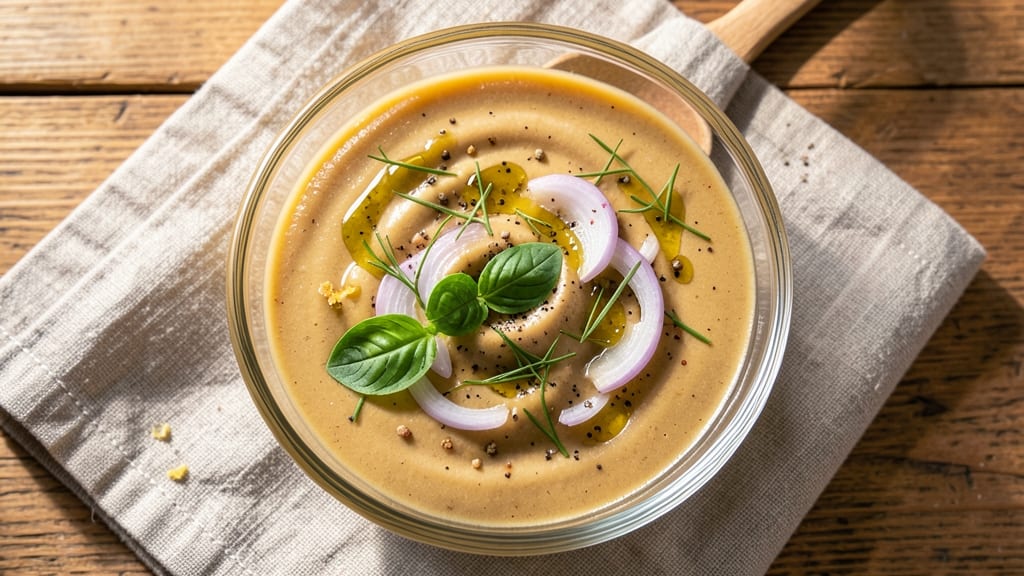
This chardonnay salad dressing recipe transforms simple greens into a gourmet experience with its buttery richness and herbal complexity. 💛 The secret lies in chardonnay wine's subtle fruit notes and smooth acidity, which blend seamlessly with Dijon mustard and fresh herbs to create a dressing that elevates any salad from ordinary to extraordinary.
Unlike traditional vinaigrettes, this version delivers depth without overpowering the natural flavors of your ingredients.
The recipe builds on a classic emulsified base—olive oil, vinegar, and mustard—but replaces sharp white wine vinegar with chardonnay, creating a dressing that's smooth yet tangy, with hints of apple and vanilla.
A touch of cream or crumbled goat cheese adds luxurious body, while fresh tarragon and basil infuse layers of aromatic freshness. Perfect for spring salads, grilled chicken dishes, or even as a marinade, this dressing bridges the gap between simple and sophisticated.
What sets this apart is how versatile yet refined it is—restaurant-quality results with minimal effort. The dressing keeps well in the fridge for up to a week, making it ideal for meal prep, and its balanced flavors work equally well with delicate arugula or hearty kale.
The key is whisking the ingredients thoroughly to achieve that signature silky texture, ensuring every bite is cohesive and flavorful.
Pair it with goat cheese, grilled vegetables, or roasted chicken for a dish that feels elevated yet approachable. Here's how to make it—simple steps for a dressing that will become your new go-to for any salad occasion.
Ingredients for chardonnay salad dressing
Nine ingredients blend chardonnay's elegance with herbal freshness for a dressing that feels restaurant-worthy.
| Ingredient | Amount | Notes |
|---|---|---|
| Dry Chardonnay Wine 🍷 | ½ cup | Unsulfured if possible for purity |
| Extra-Virgin Olive Oil 🫒 | ½ cup | Light fruity variety preferred |
| Dijon Mustard 🍯 | 1 tbsp | High-quality, smooth texture |
| Fresh Tarragon Leaves 🌿 | ¼ cup | Chopped finely, stems removed |
| Fresh Basil Leaves 🌿 | ¼ cup | Packed, stems removed |
| Shallots 🧅 | 2 whole | Minced finely, about 2 tbsp |
| Heavy Cream 🥛 | 2 tbsp | Full-fat for richness |
| Granulated Sugar 🍚 | 1 tsp | Balances acidity |
| Kosher Salt 🧂 | ½ tsp | Diamond Crystal preferred |
| Freshly Ground Black Pepper 🌶️ | ¼ tsp | Freshly cracked |
The chardonnay makes this dressing special—look for a dry, unoaked variety (like Kendall-Jackson or Chateau Ste. Michelle) to avoid bitterness. Trader Joe's and Total Wine carry excellent affordable options. Fresh tarragon is ideal but dried works at one-fifth the amount if you're in a pinch. The shallots add depth without overpowering; if you don't have them, extra-fine onion powder at half the volume substitutes well. For the olive oil, California-grown brands like Corto or Bertolli have the perfect balance of fruitiness and mildness that won't compete with the wine's flavor.
No heavy cream? Greek yogurt thinned with water works beautifully—just use half the amount. Fresh herbs wilt fast, so buy them the day you plan to make the dressing or store them wrapped in damp paper towels. The Dijon mustard should be smooth, not grainy—Maille is the gold standard, but any good-quality brand works. Want to make this vegan? Swap the heavy cream for silken tofu blended with 1 tbsp lemon juice. The sugar is crucial for balancing the wine's acidity; honey or maple syrup can replace it at a 1:1 ratio if you prefer. For a lighter version, reduce the olive oil to 3 tbsp and add 1 tbsp lemon juice instead.
This dressing emulsifies beautifully and keeps for 7-10 days in the fridge, though the flavors deepen after 24 hours. Store it in a glass jar with a tight seal—the wine's alcohol helps preserve it longer than typical vinaigrettes. For meal prep, portion into small containers so you only take out what you need. If it separates, just whisk vigorously before using. The dressing works equally well on spring greens, grilled chicken, or roasted vegetables, so make a batch and keep it on hand for the week.
Why You'll Love This Recipe
- No Wine Waste: I keep a bottle of Chardonnay in my fridge just for this—no fancy decanting, just a splash. That leftover wine transforms into something bright and tangy, so I’m not tossing perfectly good liquid (or money).
- Herb-Packed Punch: The tarragon and basil? Oh, they’re the stars. That anise-like kick from the tarragon cuts through the richness of the olive oil, while the basil keeps it fresh—like a summer breeze in a jar.
- Picnic Performer: This dressing travels beautifully. I’ve drizzled it on greens for a no-fuss picnic, tossed it with roasted veggies for a charcuterie board, or even used it as a marinade for chicken. It’s the MVP of easy entertaining.
- Fridge-Friendly Magic: Make a big batch—it keeps for weeks in the fridge. Honestly, I’ve had it last longer than my willpower to resist using it. Plus, the mustard and wine preserve it better than store-bought versions.
Step-by-step instructions for chardonnay salad dressing
This buttery wine vinaigrette balances acidity with herbal richness—here's how to make it perfectly.
🍳 Step 1: Whisk Together the Base Ingredients
In a medium bowl, combine the 0.5 cup dry Chardonnay wine and 1 tbsp Dijon mustard. Whisk vigorously for 30 seconds until the mustard is fully incorporated and the mixture is smooth. The wine should be slightly cloudy from the emulsifying mustard—this is normal and essential for the dressing's structure.
Next, add the 1 tsp granulated sugar and 0.5 tsp kosher salt. Whisk again for another 20 seconds until completely dissolved. The sugar helps balance the wine's acidity while the salt enhances all flavors. Taste at this stage—you should detect a clean, bright wine flavor with a hint of tang.
👨🍳 Step 2: Blend in Herbs and Shallots
Add the 0.25 cup finely chopped fresh tarragon leaves and 0.25 cup packed fresh basil leaves to the bowl. Using a fork, gently fold them into the wine mixture just until combined—overmixing will bruise the herbs and release bitterness. The herbs should be evenly distributed but still visible, promising their bright, aromatic flavors in every bite.
Now add the 2 whole minced shallots (about 2 tablespoons) and whisk for 10 seconds to distribute. The shallots add subtle sweetness and depth without overpowering the wine's character. Let the mixture sit for 5 minutes while you prepare the next components—this allows the flavors to begin melding.
🍳 Step 3: Gradually Emulsify the Olive Oil
With the whisk running on medium speed, very slowly drizzle in the 0.5 cup extra-virgin olive oil. I mean very slowly—think about 1 tablespoon every 5 seconds. This gradual addition is critical for creating a stable emulsion. The dressing should begin to thicken slightly as the oil incorporates, forming a creamy, velvety texture.
Continue whisking for 1-2 minutes after all the oil is added until the mixture is completely smooth and glossy. If you see any separation, simply whisk vigorously for another 30 seconds. The result should be a rich, golden dressing with a silky mouthfeel—this is where the magic happens.
🥘 Step 4: Finish with Heavy Cream for Richness
Reduce the whisking speed to low and gently stir in the 2 tbsp heavy cream using a silicone spatula. The cream adds luxurious body and balances the wine's acidity. Stir just until combined—don't overmix or you'll break the emulsion. The dressing should now have a velvety, almost mayonnaise-like consistency.
Finally, add the 0.25 tsp freshly ground black pepper and give one final stir. Taste and adjust seasoning if needed—you might want to add a pinch more salt or sugar to achieve perfect balance. The dressing should be bright, herbal, and slightly tangy with a buttery finish.
⏰ Step 5: Rest and Serve
Transfer the dressing to a clean jar and let it rest at room temperature for at least 30 minutes before using. This resting period allows the flavors to fully meld and the emulsion to stabilize. The dressing will thicken slightly as it sits—if it becomes too thick, simply whisk in 1-2 teaspoons of water to reach your desired consistency.
Store any unused dressing in the refrigerator for up to 1 week. Before serving, give it a quick stir—it may separate slightly when cold, but it will re-emulsify beautifully when whisked. This dressing shines on mixed greens, grilled chicken salads, or as a drizzle over roasted vegetables.
Pro Tips For Making Chardonnay Salad Dressing
- STRAIN THE WINE: That sediment in cheap Chardonnay? It’ll turn your dressing gritty. Pour the wine through a coffee filter or fine-mesh sieve into a clean jar before mixing—takes 30 seconds but saves you from scraping bits off your teeth later.
- WHISK IN STAGES: Start with the wine and mustard, then slowly drizzle in the olive oil while whisking like you’re trying to polish silver. Stopping mid-whisk leaves streaks of oil floating on top—no one wants a dressing that looks like a traffic accident.
- CHOP HERBS FINE: Stack tarragon and basil leaves, roll tightly, and slice into paper-thin ribbons. This releases more flavor and prevents clumps. (Yes, it looks like you’re making confetti, but trust the process.)
- LET IT REST: Mix the dressing, cover it, and wait 10 minutes before using. The flavors meld—Dijon’s sharpness softens, the wine’s acidity mellows. Skipping this step means your dressing tastes like a rushed handshake instead of a proper introduction.
Serving suggestions for this chardonnay salad dressing
Spring Salad Pairings
This dressing is a spring salad superstar—it elevates delicate greens like baby spinach or arugula with its buttery richness. I love tossing it with shaved fennel, radicchio, and edible flowers for a restaurant-worthy dish.
The chardonnay's brightness cuts through the bitterness of arugula while the tarragon adds an anise-like freshness that feels seasonal. 🌿
For a heartier spring salad, add sliced asparagus, peas, and crumbled goat cheese—the dressing's creaminess binds everything together beautifully. The shallots in the dressing complement the natural sweetness of spring vegetables, while the black pepper adds a subtle kick.
Pro tip: Chill the salad for 15 minutes before serving to let the flavors meld perfectly.
Grilled Protein Pairings
This dressing isn't just for salads—it's grilled chicken's new best friend. Brush it onto boneless, skinless chicken breasts or thighs before grilling, then finish with a drizzle. The wine's acidity tenderizes the meat while the herbs infuse flavor directly.
I grill chicken at medium-high heat for 6-7 minutes per side, then rest for 5 minutes before serving with the dressing.
For grilled shrimp, toss them with the dressing after cooking—it adds a luxurious finish. The creaminess balances the shrimp's natural sweetness, while the tarragon and basil complement seafood beautifully.
Serve with grilled zucchini or asparagus for a complete spring meal. The dressing also works wonderfully on grilled salmon, where its buttery notes enhance the fish's natural richness.
Cheese Board Enhancer
Take your cheese board to the next level by drizzling this dressing over soft cheeses like brie or camembert. The wine's acidity cuts through the creaminess, while the herbs add freshness.
I serve it with sliced baguette, cured meats, and fresh figs for a sophisticated appetizer. The dressing's balance makes it versatile enough to pair with both mild and bold cheeses.
For a cheese platter twist, mix the dressing with crumbled blue cheese or goat cheese to create a dipping sauce. The wine's brightness balances the funkiness of blue cheese, while the creaminess complements goat cheese's tang.
This combo is perfect for charcuterie boards or as a topping for roasted vegetables. The dressing's versatility makes it a must-have for any gathering.
Roasted Vegetable Drizzle
After roasting sweet potatoes, carrots, or brussels sprouts, drizzle them with this dressing while still warm. The wine's acidity brightens the vegetables' natural sweetness, while the herbs add an aromatic finish.
Roast vegetables at 400°F for 20-25 minutes until tender, then toss with the dressing. The creaminess clings beautifully to the roasted edges, creating a mouthwatering contrast.
For a winter vegetable twist, roast butternut squash and beets, then drizzle with the dressing. The wine's depth enhances the earthy flavors, while the creaminess adds a luxurious touch.
Serve with toasted pecans or pumpkin seeds for crunch. This dressing transforms simple roasted vegetables into a gourmet side dish that feels special without being overly complicated.
Nutrition facts
Frequently asked questions
Can I substitute regular white wine vinegar for chardonnay?
While you can use white wine vinegar in a pinch, it won't deliver the same elegant flavor. The chardonnay's subtle fruit notes and smooth acidity create a buttery richness that vinegar lacks. For best results, stick with dry chardonnay wine—it's what gives this dressing its signature depth and complexity.
How do I fix a separated dressing?
Simply whisk vigorously for 30-60 seconds until smooth again. The emulsion should re-form beautifully. If it's still stubborn, add 1 tsp water at a time while whisking until you reach your desired consistency. Store it in a clean jar with a tight seal to prevent future separation.
What's the best way to store leftover dressing?
Transfer any unused dressing to a clean glass jar with a tight lid and refrigerate for up to 7-10 days. The wine's alcohol helps preserve it longer than typical vinaigrettes. Before using, give it a quick whisk—it may thicken slightly when cold but will re-emulsify perfectly.
Can I make this dressing without heavy cream?
For a lighter version, replace the heavy cream with 2 tbsp Greek yogurt thinned with 1 tsp water. For a vegan option, blend 2 tbsp silken tofu with 1 tbsp lemon juice instead. The dressing will still have great body, just with slightly less richness.
Which wines work best for this recipe?
Look for a dry, unoaked chardonnay with subtle fruit notes. Popular choices include Kendall-Jackson, Chateau Ste. Michelle, or Trader Joe's varieties. Avoid oaked chardonnays—they can add unwanted bitterness. The wine should be chilled before using to enhance its bright acidity.