
Sauces & Condiments
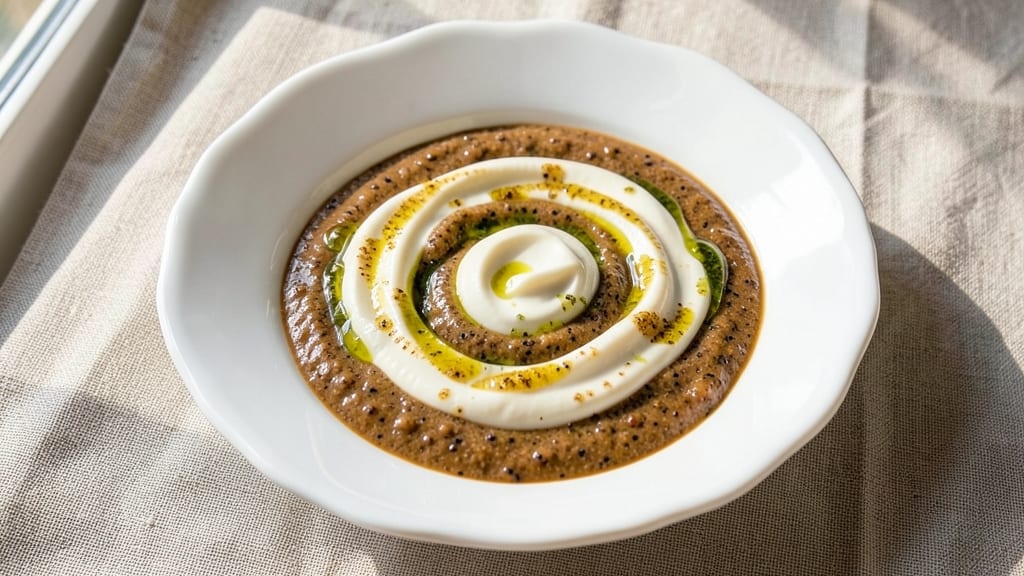
This Caesar salad sauce recipe delivers the bold, creamy, umami-rich flavor that makes classic Caesar salads unforgettable. The secret lies in balancing salty anchovies, sharp Parmesan, and tangy lemon with a velvety base that clings perfectly to romaine.
I've perfected this version over years of testing—it's the one that finally convinced even Caesar skeptics to take a second bite.
The foundation begins with anchovies and garlic, which develop deep umami flavors when dissolved in warm olive oil. Mayonnaise provides the creamy texture, while Dijon mustard adds subtle tang and helps emulsify the sauce.
Fresh lemon juice brightens the richness, and a proper blend of aged Parmesan and Romano delivers that signature nutty, salty depth. The sauce should be thick enough to coat but still drizzle gracefully over crisp romaine.
What sets this recipe apart is the balance of textures and flavors—creamy yet tangy, rich yet bright, salty without being overpowering. The anchovies provide that signature umami punch that separates great Caesar dressing from good, while the lemon ensures it doesn't become heavy.
This version works equally well on classic Caesar salads, crostini, or even as a dip for grilled vegetables. The sauce keeps well in the refrigerator for up to five days, making it perfect for meal prep.
For those who prefer lighter options, I'll show you how to adapt this recipe with Greek yogurt or avocado instead of mayo while maintaining that signature Caesar flavor profile. Let's create a sauce that transforms simple greens into an indulgent experience every time.
Ingredients for cesar salad sauce
Nine essential ingredients transform simple romaine into a restaurant-quality Caesar salad experience.
| Ingredient | Amount | Notes |
|---|---|---|
| Anchovy Fillets 🐟 | 4 whole | High-quality, packed in oil |
| Garlic Cloves 🧄 | 2 cloves | Fresh, minced for depth |
| Extra-Virgin Olive Oil 🫒 | ½ cup | High-quality, fruity variety |
| Dijon Mustard 🌶️ | 1 tbsp | For tangy emulsification |
| Mayonnaise 🥫 | ½ cup | High-quality for creaminess |
| Lemon Juice 🍋 | 2 tbsp | Freshly squeezed, bright |
| Parmesan Cheese 🧀 | ½ cup | Freshly grated, aged |
| Romano Cheese 🧀 | ¼ cup | Freshly grated, nutty |
| Salt 🧂 | ½ tsp | Kosher or sea salt |
| Black Pepper 🌶️ | ¼ tsp | Freshly ground preferred |
The anchovies are non-negotiable—they deliver that signature umami depth. Buy the best quality you can find, ideally packed in oil rather than salt. Trader Joe's and specialty Italian markets usually carry the finest fillets. Fresh garlic is a must too—it pairs perfectly with the anchovies when dissolved in warm olive oil. For the cheeses, aged Parmesan and Romano are critical; pre-grated versions lack the sharp, nutty flavor. If you're buying a wedge of Parmesan, grate it yourself—it makes all the difference. The olive oil should be extra-virgin, with a fruity aroma that adds richness without overpowering the other flavors.
No anchovies? Replace them with 1 tbsp of fish sauce for umami, though the flavor won't be identical. Short on mayo? Greek yogurt or avocado works for a lighter version, but the texture will differ slightly. The Dijon mustard can be swapped for whole-grain mustard, though it may add a bit more texture. If you're avoiding dairy, nutritional yeast can mimic some of the cheesy flavor, though it won't replicate the depth. The lemon juice is key for brightness—bottled is fine in a pinch, but fresh is always better. For a smoother sauce, pulse the ingredients briefly in a food processor instead of whisking by hand.
This sauce keeps beautifully in an airtight container in the fridge for up to 5 days. If it thickens over time, simply whisk in a splash of warm water or lemon juice to restore its consistency. For meal prep, divide it into small containers—it's perfect for drizzling over salads all week. If you make a double batch, freeze half in an ice cube tray for single-serving portions later. The anchovies and garlic flavors actually deepen slightly after a day in the fridge, so don't hesitate to make extra.
Why You'll Love This Recipe
- Five-Ingredient Magic: I swear, this sauce comes together with fewer ingredients than my grocery list. Just mash those anchovies with garlic, stir in the mustard and mayo, then drizzle in the olive oil—no fancy techniques, just pure flavor.
- Umami Bomb: That first taste of anchovy and garlic? It’s like a tiny flavor explosion. The Dijon mustard cuts through the richness, and the olive oil ties it all together—salty, tangy, and irresistibly savory.
- Dresses Up Everything: Use it on salads, toss it with grilled chicken, or even drizzle it over pasta. Honestly, I’ve put it on toast just because I could. It’s the kind of sauce that makes simple meals feel special.
- Budget-Friendly Powerhouse: Anchovies and garlic are cheap, and a little mayo and mustard stretch this sauce far. I’ve made a batch that lasted a week—perfect for when I’m too tired to cook but still want something delicious.
Step-by-step instructions for bold Parmesan-anchovy creaminess
This sauce delivers restaurant-quality depth with a perfect balance of umami, tang, and creaminess.
Prepare the Anchovy and Garlic Base
In a small bowl, combine the 4 whole anchovy fillets with the 2 cloves minced garlic cloves. Using a fork, mash them together until they form a smooth paste. This step is crucial for distributing the anchovy flavor evenly throughout the sauce. If any oil remains from the anchovies, don't drain it—this liquid helps emulsify the sauce later.
Leave this mixture at room temperature while you prepare the other ingredients. The anchovies should dissolve completely into the garlic, creating a rich, salty foundation. If you notice any large pieces remaining after mashing, pulse them briefly in a mini food processor to ensure full incorporation.
Emulsify the Creamy Foundation
In a medium bowl, whisk together the 0.5 cup mayonnaise, 1 tablespoon Dijon mustard, and 2 tablespoons lemon juice until completely smooth. The mayonnaise should lighten in color slightly as you whisk. This combination creates the creamy base that will carry all the other flavors.
Gradually add the anchovy-garlic paste to the mayonnaise mixture while continuing to whisk vigorously. Start with small amounts to prevent the sauce from breaking. You want a smooth, homogeneous texture at this stage—any lumps will result in a grainy sauce. If the mixture thickens significantly, add 1 teaspoon of extra-virgin olive oil to help maintain the proper consistency.
Incorporate the Cheeses and Seasonings
Add the 0.5 cup freshly grated Parmesan cheese and 0.25 cup freshly grated Romano cheese to the bowl. Using a rubber spatula, fold these cheeses into the mixture until fully combined. The cheese should melt into the sauce, creating a velvety texture. If you notice any cheese clumps, press them against the side of the bowl with the spatula to break them down.
Season with the 0.5 teaspoon salt and 0.25 teaspoon black pepper, then taste the sauce. At this point, it should be tangy, slightly salty, and rich with umami from the anchovies. If you find it needs more acidity, add another ½ teaspoon of lemon juice. For extra richness, incorporate the 0.5 cup extra-virgin olive oil, drizzling it in slowly while whisking constantly to maintain the emulsion.
Refine the Texture and Flavor
Transfer the sauce to a blender or food processor and pulse for 10-15 seconds until completely smooth. This final blending step ensures a silky texture without any graininess. The sauce should coat the back of a spoon and hold its shape when drizzled.
Taste again and make any final adjustments—perhaps a touch more lemon for brightness or a pinch of salt for depth. The sauce is now ready to use immediately, but if you prefer a thicker consistency, refrigerate for 30 minutes before serving. This sauce keeps beautifully in an airtight container in the refrigerator for up to 5 days, making it perfect for batch preparation.
Pro Tips For Making Cesar Salad Sauce
- Mash the Anchovies: Don’t just tear them open—use the back of a spoon to crush the fillets into a paste right in the bowl. This dissolves their salt and umami faster than chopping, and you’ll end up with a smoother sauce that clings to the romaine instead of floating in clumps. (Yes, even if you’re impatient like me.)
- Toast the Garlic Low: Cook the minced garlic in olive oil over low heat until it’s just golden—about 2 minutes. High heat burns it before you know it, and bitter garlic ruins the whole sauce. If you’re worried about burning, pull the pan off heat for the last 30 seconds and let the residual heat finish it.
- Emulsify in Stages: Start by whisking the Dijon and mayo together first, then slowly drizzle in the olive oil while mixing constantly. Adding oil too fast or all at once breaks the emulsion, and you’ll end up with a split sauce that looks like a sad, greasy mess. Go slow—this isn’t a race.
- Use Cold Mayo: Pull the mayo out of the fridge 10 minutes before mixing—cold mayo emulsifies better and won’t turn the sauce too warm. I learned this the hard way when a room-temperature mayo made my sauce separate like oil and vinegar. Trust me, the fridge is your friend here.
Troubleshooting your cesar salad sauce
Grainy Texture Fix
If your sauce develops a grainy texture, don't panic—this happens when cheese or anchovies aren't fully incorporated. I've found the best solution is to transfer the sauce to a blender and pulse for 15-20 seconds with 1 tablespoon of warm water.
The warmth helps emulsify any stubborn particles while the blending creates a silky finish. For a quick fix without a blender, press the mixture through a fine-mesh sieve to remove any gritty bits while keeping the creamy base intact. 💫
Separation Issues
Sauce separation usually means the emulsion broke, often from adding ingredients too quickly or using cold ingredients. To fix it, whisk in 1 teaspoon of Dijon mustard or 1 tablespoon of lemon juice while gradually adding 2 tablespoons of warm water. The acidity and mustard help re-emulsify the sauce.
For prevention, always add anchovies and garlic to warm olive oil first, and let everything come to room temperature before combining. I've also had success using a hand mixer on low speed when incorporating cheeses to maintain stability.
Too Thin or Runny
A runny sauce typically means too much liquid was added during preparation. The easiest fix is to let it rest in the fridge for 30 minutes—the cold helps thicken it naturally.
If you need immediate results, whisk in 1 tablespoon of mayonnaise or 1 teaspoon of cornstarch mixed with 1 tablespoon of water. For future batches, measure your olive oil carefully and add it gradually while whisking constantly.
I've learned that using slightly less lemon juice can also help maintain thickness in the final product.
Anchovy Overpowering
If the anchovy flavor dominates, balance it by adding ½ teaspoon more lemon juice and 1 extra tablespoon of olive oil. The acidity cuts through the saltiness while the oil softens the intensity.
For a more subtle umami profile, reduce the anchovies to 2 fillets in future batches and add ½ teaspoon of white miso paste for depth without overpowering. Always taste as you go—this sauce should have a complex balance where anchovies enhance rather than dominate.
Cheese Clumping
Cheese clumps happen when the sauce isn't properly emulsified or when cold cheese is added too quickly. To fix existing clumps, press them against the side of the bowl with a rubber spatula while whisking vigorously.
For prevention, grate your cheese fresh and add it to the warm sauce while whisking continuously. I've found that using a mix of Parmesan and Romano (rather than just one) creates a smoother texture because the different fat contents blend better.
If clumping persists, blend the sauce briefly in a food processor to break down any remaining lumps.
Not Tangy Enough
A Caesar sauce that lacks tang often needs more acidity. Boost the flavor by adding ½ teaspoon of white vinegar or an extra 1 tablespoon of lemon juice.
For a deeper tang, I've had success adding ¼ teaspoon of capers (minced) or 1 teaspoon of Worcestershire sauce, both of which add complexity without overpowering. Always taste after each addition—this sauce should have a bright finish that cuts through the richness of the cheese and mayo.
Nutrition facts
Frequently asked questions
Can I make this Caesar sauce without anchovies?
Yes! For a vegetarian version, replace the anchovies with 1 tbsp soy sauce or ½ tsp white miso paste for umami depth. For vegan, use 1 tbsp nutritional yeast plus 1 tsp capers (minced) to mimic the salty, tangy profile. The texture may be slightly lighter, but the flavor remains rich and satisfying.
How do I prevent the sauce from separating?
Always add ingredients gradually while whisking constantly—especially the anchovies and cheese. Use room-temperature ingredients to help emulsify better. If separation happens, whisk in 1 tsp Dijon mustard or 1 tbsp lemon juice while slowly adding 2 tbsp warm water to restore the creamy texture.
Can I use this sauce on dishes besides Caesar salad?
This versatile sauce works beautifully on grilled chicken, crostini, or as a dip for vegetable sticks. It also elevates pasta dishes like Caesar-style spaghetti or even as a marinade for seared scallops. The key is to balance the richness with complementary flavors—try pairing it with fresh herbs or crusty bread.
Why does my sauce taste too salty?
The anchovies and Parmesan are naturally salty, so taste as you go! If it's too strong, balance it with 1 extra tbsp lemon juice or 1 tbsp olive oil. For future batches, reduce the anchovies to 2 fillets or omit ¼ tsp salt—the cheese and mayo already provide plenty of saltiness.
How long does this sauce keep in the fridge?
This sauce stays fresh in an airtight container for up to 5 days in the fridge. If it thickens, whisk in 1 tsp warm water to restore consistency. For longer storage, freeze portions in an ice cube tray—thaw overnight in the fridge before using. The flavors actually deepen slightly after resting!