
Salads
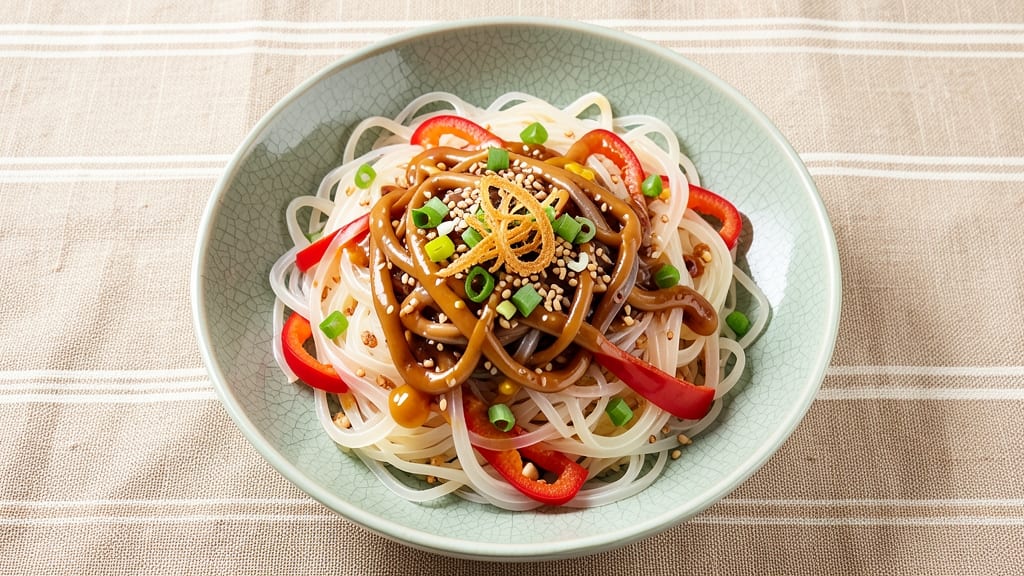
This cellophane noodle salad recipe transforms delicate glass noodles into a vibrant, tangy dish that’s as refreshing as it is satisfying. The secret lies in soaking the noodles just right—too long, and they turn mushy; too short, and they stay chewy.
I’ve perfected a method that guarantees tender, bite-sized strands every time, paired with a tangy peanut dressing that balances sweet, spicy, and umami in one irresistible bite.
The beauty of this salad is its adaptability—whether you’re craving a Vietnamese-inspired version with fresh herbs and grilled tofu or a Chinese-style twist with mushrooms and chili oil, the base technique remains the same.
The dressing, made with peanut butter, lime, and soy sauce, cuts through the noodles while adding depth that lingers on your palate. It’s the kind of dish that feels both nostalgic and modern, perfect for meal prep or a quick weeknight dinner.
What makes this recipe stand out is how it elevates simple ingredients into something extraordinary. Crisp vegetables like cucumber and carrots add crunch, while optional protein like tofu or edamame keeps it hearty.
The dressing ties everything together, creating a harmonious blend of textures and flavors that’s impossible to resist. Once you try this version, you’ll never go back to store-bought glass noodle salads again.
Serve it chilled for a light lunch or at room temperature for a warm-weather feast. The noodles absorb the dressing beautifully, making every bite a perfect balance of tang, crunch, and richness.
Ready in under 30 minutes, this salad is the ultimate no-fuss, high-impact dish that proves healthy eating can be delicious too.
Ingredients for cellophane noodle salad
These vibrant ingredients transform simple glass noodles into a tangy, crunchy masterpiece.
| Ingredient | Amount | Notes |
|---|---|---|
| Cellophane Noodles (Glass Noodles) 🍜 | 8 oz | Dried, Asian variety preferred |
| Natural Peanut Butter 🥜 | ½ cup | Creamy, unsweetened variety |
| Lime Juice 🍋 | ¼ cup | Freshly squeezed, seeds strained |
| Low-Sodium Soy Sauce 🥢 | 3 tbsp | Tamari for gluten-free option |
| Maple Syrup 🍯 | 2 tbsp | Pure grade B for depth |
| Sesame Oil 🫒 | 1 tbsp | Toasted, for aroma |
| Red Chili Flakes 🌶️ | 1 tsp | Adjust for heat preference |
| Fresh Cilantro 🌿 | ½ cup | Stems removed, chopped fine |
| Red Bell Pepper 🍅 | 1 medium | OR 1 cup diced |
| Carrot 🥕 | 1 medium | OR 1 cup julienned |
| Extra-Firm Tofu 🍱 | 8 oz | Pressed, cubed small |
| Garlic Cloves 🧄 | 3 cloves | Minced fine for dressing |
| Fresh Ginger 🌿 | 1 tbsp | Grated, finely |
| Sesame Seeds 🌰 | 1 tbsp | Toasted for garnish |
| Vegetable Oil 🫒 | 2 tbsp | For tofu cooking |
The glass noodles are the star—Asian markets carry the best quality, but any dried cellophane noodles work. Look for 8-ounce packages (about 2 cups dry) and soak them in warm water for exactly 8-10 minutes—no longer or they’ll turn mushy. For the tofu, extra-firm is a must—press it for 20 minutes to remove excess water. I grab mine at Trader Joe's where they’re pre-pressed and ready to go. Fresh ginger and garlic should smell vibrant; if they’re musty, skip them. The peanut butter needs to be natural, unsweetened—the creamy kind blends better into the dressing.
No fresh ginger? Substitute 1 tsp ground ginger—it’s less potent, so double the amount. Out of sesame oil? Avocado oil works in a pinch, but you’ll lose that nutty aroma. For the vegetables, julienned carrots and thinly sliced bell pepper give the best texture—if you’re short on time, a mandoline slicer makes this job effortless. The tofu can be swapped for edamame or chickpeas for a different texture, but keep the portion at 8 oz total. For extra crunch, add crispy fried shallots (find them in the Asian aisle).
Store the dry ingredients—peanut butter, soy sauce, maple syrup—in airtight containers for up to 6 months. Fresh herbs like cilantro and ginger keep best in the fridge wrapped in damp paper towels for 5-7 days. The cooked tofu and vegetables hold up well for 3 days refrigerated, but the noodles are best eaten fresh. For meal prep, assemble the salad just before serving—the dressing soaks into the noodles beautifully, but you’ll lose that perfect crunch if you store it too long.
Why You'll Love This Recipe
- No Boil Required: I swear by this shortcut—just rinse the glass noodles under cold water until they’re pliable, no stovetop drama. The texture stays perfect: chewy without being gummy, and that peanut-lime dressing clings like it’s been marinating for hours.
- Sweet-Savory Magic: That peanut butter isn’t just there to bind—it’s the star. A single tablespoon of maple syrup cuts the saltiness of the soy sauce, while lime juice keeps it bright. Honestly, the first bite makes me question why I ever skipped this combo.
- Packable Anywhere: I take this to work in a mason jar (noodles at the bottom, dressing on top) and it survives lunchboxes, picnics, even my kid’s soccer practice. The noodles hold up for days, and the flavors only get better as the peanut butter softens.
- Pantry Staple Power: Between us, this recipe costs me less than $5 for a week’s worth of servings. Glass noodles last months unopened, peanut butter is a basic, and lime/soy are cheap. It’s my go-to when I’m broke but still want something that feels fancy.
Step-by-step instructions for cellophane noodle salad
Transform simple ingredients into a vibrant, restaurant-worthy salad with this fresh approach.
Prepare the Glass Noodles
Place the 8 oz cellophane noodles in a large bowl and cover them completely with cold water. Let them soak for 10-15 minutes until they soften and expand—you'll see them become translucent and slightly plump. Drain thoroughly in a colander, pressing gently to remove excess water. Rinse with cold water to stop the cooking process and prevent mushiness.
Here's the thing—cellophane noodles cook instantly, so don't over-soak. They should be tender but still hold their shape. If they feel too firm after 15 minutes, give them another minute or two. Once drained, set them aside until ready to assemble.
Create the Tangy Peanut Dressing
In a small bowl, combine the 0.5 cup natural peanut butter, 0.25 cup lime juice, 3 tbsp low-sodium soy sauce, 2 tbsp maple syrup, 1 tbsp sesame oil, and 1 tsp red chili flakes. Whisk vigorously until completely smooth—you want a silky, well-emulsified dressing. The peanut butter should dissolve completely, creating a rich, velvety texture.
Taste and adjust the balance: need more tang? Add a splash of lime juice. Too sweet? A touch more soy sauce. The dressing should coat the back of a spoon with a perfect harmony of nutty, sweet, and spicy flavors. This is your flavor foundation, so don't rush it.
Cook and Prepare the Tofu
Press the 8 oz extra-firm tofu by wrapping it in a clean kitchen towel and placing a heavy object on top for 15 minutes. This removes excess moisture for better texture. Cut the pressed tofu into small cubes—about ½-inch on each side. Heat 2 tbsp vegetable oil in a non-stick skillet over medium-high heat until shimmering.
Add the tofu cubes in a single layer and cook for 4-5 minutes, turning occasionally, until golden brown on all sides. The tofu should develop crispy edges while staying tender inside. Remove from heat and set aside—these will add protein and texture to your salad.
Prepare the Vegetable Medley
Julienne the 1 medium carrot and 1 medium red bell pepper into thin matchsticks using a sharp mandoline or chef's knife. You're aiming for even, bite-sized pieces that will hold their shape in the salad. In a small bowl, combine the julienned vegetables with 3 cloves minced garlic and 1 tbsp finely grated ginger. Toss lightly to distribute the aromatics.
Heat a dry skillet over medium heat and add the vegetable mixture. Stir-fry for 3-4 minutes until the vegetables soften slightly but retain their vibrant color. The garlic and ginger will release their aromatic oils, infusing the vegetables with deep flavor. Remove from heat and let cool slightly before adding to the salad.
Assemble and Garnish
In a large serving bowl, combine the drained cellophane noodles, cooked tofu, and stir-fried vegetable medley. Drizzle the peanut dressing over the mixture and toss gently but thoroughly to coat all components evenly. The noodles should glisten with the dressing, and every bite should promise a perfect balance of textures and flavors.
Garnish with 0.5 cup chopped fresh cilantro and 1 tbsp toasted sesame seeds just before serving. The cilantro adds freshness, while the sesame seeds contribute a nutty crunch that ties everything together. Serve immediately while the tofu is still warm and the noodles maintain their perfect texture.
Pro Tips For Making Cellophane Noodle Salad
- BOIL NOODLES AL DENTE: Cellophane noodles go mushy fast—pull them when they’re still slightly firm to the bite. I learned this the hard way after serving a salad where the noodles had turned to paste; they should hold their shape but yield with gentle pressure. Drain immediately and rinse under cold water to stop cooking.
- TOAST THE PEANUT BUTTER: Skip the raw peanut butter—lightly warm it with a splash of lime juice (just until fragrant) to deepen the flavor. My grandmother swore by this, and it actually changes the outcome: the sauce clings better to the noodles and doesn’t taste like straight peanut butter. Use 2 tablespoons, no more, or the salad gets heavy.
- BALANCE THE SWEET-SOUR: Start with equal parts lime juice and maple syrup (about 1 tablespoon each), then adjust. I was skeptical until I tried it—this prevents the sauce from tasting like dessert. Add soy sauce last and taste as you go; the noodles soak up liquid fast, so err on the side of less.
- DRESS NOODLES IN BATCHES: Toss the sauce with small portions of noodles first—this guarantees even coating without making a soggy mess. I skip this when I’m lazy, but the dish is noticeably better when I don’t. Use a large bowl and work in 2-3 additions, mixing well before adding more.
Essential equipment for great cellophane noodle salad
Soaking Essentials
You’ll need a large bowl and cold water to soak the 8 oz cellophane noodles—no need for fancy equipment. A fine-mesh colander (like the OXO Good Grips brand) is perfect for draining, as it prevents the noodles from slipping through.
For extra convenience, I use a mesh strainer with a handle to rinse them under cold water quickly. The key is precision timing—set a timer for 10-15 minutes to avoid over-soaking. 🕒
Dressing Tools
A small mixing bowl and whisk (preferably a silicon-coated whisk for easy cleanup) are all you need to create the dressing. For measuring, a liquid measuring cup ensures accuracy with the 0.25 cup lime juice and 0.5 cup peanut butter.
I like to use a mini food processor (like the Cuisinart Mini-Prep) if I’m making extra dressing—it emulsifies the peanut butter perfectly without whisking for ages. A small saucepan isn’t necessary unless you’re heating the dressing, which isn’t required here. 🥄
Tofu Prep Gear
Pressing tofu requires a clean kitchen towel and a heavy object—I use a cast-iron skillet or a heavy ceramic bowl placed on top of the wrapped tofu for 15 minutes.
For cooking, a non-stick skillet (like Cuisinart’s MultiClad) prevents sticking, and a spatula (preferably silicone-tipped) helps flip the tofu without breaking it. A sharp chef’s knife and cutting board are essential for cubing the tofu evenly.
For extra crispiness, I sometimes use tongs to press the tofu lightly in the pan. 🍳
Vegetable Prep Tools
A mandoline slicer (like the OXO Good Grips) is a game-changer for julienning the carrot and red bell pepper into even matchsticks. If you don’t have one, a sharp chef’s knife and steady hand work fine—just take your time.
A small mixing bowl holds the vegetables while you toss them with garlic and ginger. For stir-frying, the same non-stick skillet used for tofu works perfectly. A wooden spoon or spatula helps toss the veggies without crushing them. 🥕
Assembling and Serving
A large serving bowl (like a Ceramic Nonstick Skillet from Le Creuset) holds everything together beautifully. For tossing, I use two large forks or tongs to gently mix the noodles, tofu, and vegetables with the dressing.
A small bowl keeps the dressing separate until ready to combine. For garnishing, fresh cilantro and toasted sesame seeds add the final touch—just sprinkle them on top with a fine-mesh strainer if you’re using pre-toasted seeds. 🌿
Nutrition facts
Frequently asked questions
Why do cellophane noodles need to be soaked in cold water?
Cold water prevents the noodles from cooking too quickly, which keeps them firm and prevents mushiness. Hot water would cause them to soften unevenly and potentially break apart. The 10-15 minute soak in cold water ensures they’re tender but still hold their shape for that perfect al dente bite.
Can I use store-bought peanut sauce instead of making the dressing from scratch?
For convenience, use a high-quality store-bought peanut sauce, but check the ingredients—some brands contain added sugar or preservatives that may alter the flavor. Look for ones with minimal ingredients like peanuts, oil, and soy sauce. If using, reduce the maple syrup in the recipe by 1 tbsp to balance sweetness.
What’s the best way to store leftovers?
Store the salad in an airtight container in the fridge for up to 3 days, but keep the dressing separate until ready to eat. The noodles will absorb more liquid over time, so add fresh dressing when serving. For longer storage, freeze the tofu and vegetables separately (up to 3 months) and re-soak the noodles when ready to assemble.
How can I make this salad spicier?
Increase the red chili flakes to 1.5-2 tsp or add a dash of sriracha or chili garlic sauce to the dressing. For extra heat, top with sliced fresh chili or crushed red pepper flakes before serving. Start with small amounts—you can always add more!
Are there gluten-free alternatives for this recipe?
Yes! Use tamari instead of soy sauce for gluten-free certification. For the noodles, ensure they’re certified gluten-free (some brands process in shared facilities). The peanut butter and other ingredients are naturally gluten-free, so no other substitutions are needed. Always double-check labels for cross-contamination warnings.