
Salads
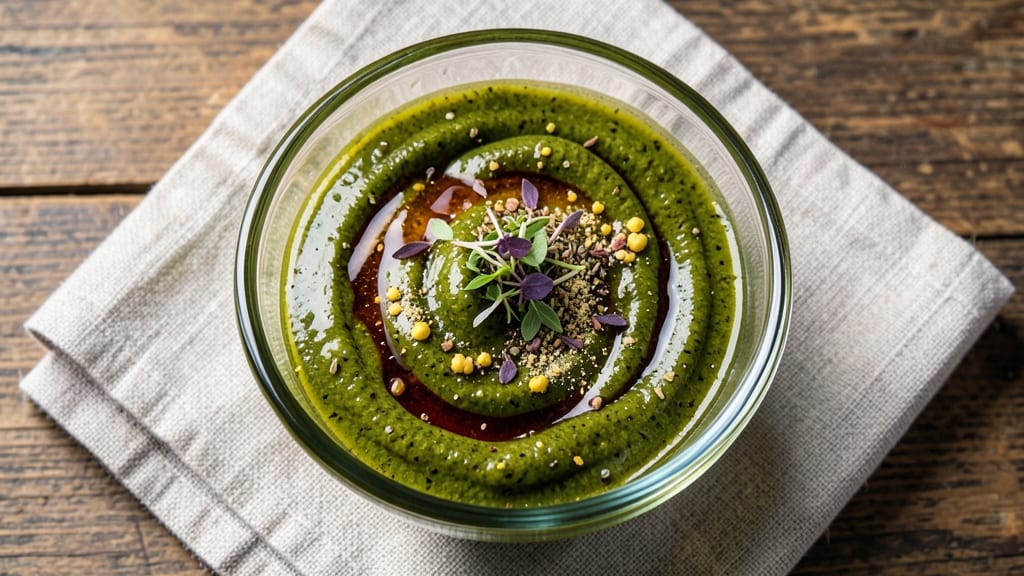
Cavender's Greek seasoning transforms ordinary salad dressing into a bold, herb-packed flavor experience without mayo. This recipe delivers a tangy, zesty dressing that clings perfectly to greens while keeping a light, refreshing texture—ideal for Mediterranean-inspired salads or drizzling over grilled proteins.
The secret lies in balancing olive oil and vinegar with just enough Greek seasoning to amplify oregano, thyme, and savory notes without overpowering.
The dressing comes together in minutes with just five ingredients: high-quality olive oil, red wine vinegar, Dijon mustard (as an emulsifier), honey for subtle sweetness, and of course, Cavender's Greek seasoning for that signature Mediterranean punch.
The Dijon mustard ensures the dressing stays emulsified, while the honey rounds out the acidity for a well-balanced finish. This version works equally well on Greek salads, chicken dishes, or even as a marinade for fish.
What sets this dressing apart is its versatility—use it immediately for fresh salads or store it in the fridge for up to a week.
The Greek seasoning's aromatic blend infuses the dressing with layers of flavor that elevate simple ingredients, making every bite taste like a trip to a Greek taverna. The texture remains silky and light, perfect for those who prefer dressings that don't weigh down their meals.
For extra depth, add a pinch of garlic powder or a splash of lemon juice before serving. This dressing is a game-changer for anyone looking to add authentic Greek flair to their dishes without the heaviness of traditional creamy dressings. Let's make it!
Ingredients for cavender's greek seasoning salad dressing
Five simple ingredients create a Mediterranean-inspired dressing bursting with Greek seasoning flavor.
| Ingredient | Amount | Notes |
|---|---|---|
| Extra-Virgin Olive Oil 🫒 | ¾ cup | High-quality, fruity variety |
| Red Wine Vinegar 🍷 | ⅓ cup | Dry, aged variety preferred |
| Dijon Mustard 🌶️ | 2 tbsp | For emulsification and tang |
| Honey 🍯 | 1 ½ tbsp | Light, mild honey preferred |
| Cavender's Greek Seasoning 🌿 | 1 tbsp | Store-bought blend for authentic flavor |
| Garlic Powder 🧄 | ½ tsp | Optional for extra depth |
| Salt 🧂 | ¼ tsp | Kosher or sea salt |
| Black Pepper 🌶️ | ⅛ tsp | Freshly ground preferred |
The Cavender's Greek seasoning is the heart of this dressing—look for it in the spice aisle at Walmart or Kroger, or order online if your local store doesn't carry it. If you can't find it, a mix of 1 tsp dried oregano, 0.5 tsp dried thyme, 0.25 tsp dried basil, and 0.25 tsp dried savory works as a substitute. For the olive oil, Trader Joe's or Whole Foods carry excellent imported varieties that elevate the dressing. The Dijon mustard should be whole-grain for better emulsification—Maille is a reliable brand, though any quality store-brand works fine.
No red wine vinegar? Apple cider vinegar or balsamic vinegar (use half the amount) will work, though the flavor profile shifts slightly. Short on honey? Maple syrup or agave nectar work in a pinch, but honey's floral notes are ideal here. The garlic powder is truly optional—skip it if you're sensitive to garlic, but it adds a subtle depth that pairs beautifully with the Greek seasoning. For extra tang, add 1 tsp lemon juice before serving. If you prefer a sweeter dressing, increase the honey to 2 tbsp while reducing the vinegar by 0.5 tbsp.
This dressing keeps beautifully in an airtight jar in the fridge for up to 1 week, though the flavors meld even better after 24 hours. For longer storage, transfer to a glass jar with a tight seal and keep it in the fridge. The texture may separate slightly over time—just whisk vigorously before using. Portion into small jars if you plan to use it frequently, as it's perfect for quick salads, marinades, or drizzling over grilled vegetables. Freezing isn't recommended, as the texture may break down.
Why You'll Love This Recipe
- Five-Ingredient Magic: The moment I realized this dressing only needs five things—plus a quick shake—I knew it was my new shortcut. No fancy techniques, no measuring cups that make you question your life choices, just pour, whisk, and go.
- Bright & Tangy: Honestly, the red wine vinegar and Dijon mustard combo is chef’s kiss here. That sharp, herby kick from Cavender’s seasoning? It turns basic salads into something that actually makes you pause mid-bite. (Yes, even on a Tuesday night.)
- Pantry Staple Power: I’ve drizzled this on grilled chicken, tossed it with roasted veggies, and even used it as a marinade. The honey balances the acidity so well that it works for everything from weeknight dinners to picnic spreads—no last-minute shopping required.
- Makes More Than You Think: Between us, this dressing lasts forever in my fridge, and I’m not complaining. A little goes a long way, so you’ll have leftovers for at least two more meals—no wasted ingredients, no guilt. Plus, it’s cheaper than buying pre-made dressings that taste like disappointment.
Step-by-step instructions for Cavender's Greek seasoning salad dressing
Here's how to blend this vibrant dressing with perfect balance and texture every time.
Whisk Together the Vinegar and Honey
In a medium bowl, combine the 0.33 cup red wine vinegar and 1.5 tablespoons honey. Whisk vigorously for 30 seconds until the honey dissolves completely and the mixture becomes smooth and homogeneous. The vinegar should be fully incorporated, with no visible honey granules remaining.
This step creates the base sweet-tart balance that forms the dressing's foundation. The honey not only adds natural sweetness but also helps emulsify the oil later. If you're using a particularly thick honey, you may need to warm the mixture slightly over warm water to encourage dissolution.
Add the Mustard and Seasonings
To the vinegar-honey mixture, add the 2 tablespoons Dijon mustard, 1 tablespoon Cavender's Greek seasoning, 0.5 teaspoon garlic powder, 0.25 teaspoon salt, and 0.125 teaspoon black pepper. Whisk continuously for 1-2 minutes until all ingredients are fully incorporated and the seasonings are evenly distributed.
The Dijon mustard acts as an emulsifier that will help bind the oil and vinegar. The Greek seasoning brings layers of oregano, thyme, basil, and other herbs that make this dressing uniquely flavorful. At this stage, you should notice the mixture becoming thicker and developing a vibrant color from the seasonings.
Gradually Incorporate the Olive Oil
With the whisk still moving, very slowly drizzle in the 0.75 cup extra-virgin olive oil while continuing to whisk vigorously. Add the oil in a thin, steady stream to give the mustard enough time to emulsify properly. The dressing should begin to thicken noticeably as you add the oil.
This gradual addition is crucial for creating a stable emulsion. If you add the oil too quickly, the dressing may separate. You want to reach a point where the dressing coats the back of a spoon and holds its shape for a few seconds before slowly dripping. The final texture should be creamy but still pourable.
Taste and Adjust the Balance
Taste the dressing immediately after combining all ingredients. At this stage, it should have a bright, tangy flavor with herbal notes from the Greek seasoning. If needed, adjust the balance by adding more honey for sweetness, vinegar for acidity, or salt for seasoning. Remember that the flavors will mellow slightly as the dressing sits.
This is also the time to check the consistency. If the dressing is too thick, thin it with 1-2 teaspoons water at a time. If it's too thin, whisk in 1 teaspoon additional Dijon mustard to help thicken it. The perfect dressing should cling lightly to a fork when dipped in, indicating it will coat salads beautifully without being overly heavy.
Pro Tips For Making Cavender'S Greek Seasoning Salad Dressing
- Whisk in stages: Start with the mustard and honey, then slowly drizzle in the vinegar while whisking—this prevents lumps and lets flavors meld faster. I used to dump everything in at once and ended up with a grainy mess every time.
- Use room-temperature oil: Cold olive oil from the fridge will make your dressing separate later. Let the bottle sit out for 10 minutes before measuring—your dressing stays emulsified longer, especially if you’re prepping ahead.
- Taste before adding seasoning: Balance the sweet (honey), tang (vinegar), and richness (oil) first, then adjust with Greek seasoning. I learned this after making a batch that tasted like a spice dumpster—always season the base first.
- Skip the honey if it’s sticky: If your honey’s thick and syrupy, warm it gently (10 seconds in the microwave) to thin it out. Cold honey clumps in the dressing, and nobody wants a gloppy salad sauce. (Yes, I’ve made that mistake.)
Storing and reheating this dish
Fridge Storage Tips
Store your dressing in an airtight glass jar with a tight-sealing lid in the refrigerator for up to 1 week. The glass preserves the flavor better than plastic, and the airtight seal prevents oxidation that can dull the vibrant Greek seasoning notes.
I always use a quart-sized mason jar—it’s the perfect size for daily use and easy to whisk when needed. 🌿
Let the dressing sit at room temperature for 10-15 minutes before using it straight from the fridge. This helps the flavors meld and the texture become more cohesive. If you notice separation, simply give it a good whisk—this is normal and doesn’t affect quality.
For extra freshness, add a splash of lemon juice (about 1 teaspoon) right before serving to brighten the flavors.
Freezing for Later
While this dressing isn’t ideal for long-term freezing (the texture can break down), you can store it in the freezer for up to 1 month if needed. Use a freezer-safe glass jar with a lid, leaving 1 inch of headspace to allow for expansion.
Thaw in the fridge overnight and whisk thoroughly before use. The flavors will still be delicious, though the texture may be slightly thicker.
Portioning for Convenience
Divide the dressing into smaller 4-ounce portions in silicone lidded containers or small mason jars for easy grab-and-go use. This is especially helpful if you use it frequently for quick salads or marinades.
Label each container with the date to keep track of freshness. I keep these in a stackable organizer in my fridge for maximum efficiency. ✨
Reviving Separated Dressing
If your dressing separates over time (common with oil-based dressings), don’t toss it! Simply whisk vigorously for 1-2 minutes until fully emulsified again. For extra insurance, add ½ teaspoon Dijon mustard or 1 teaspoon water to help stabilize it.
The Greek seasoning’s robust flavor will still shine through, making it worth the effort. 💡
Reheating (If Needed)
This dressing isn’t typically reheated, but if you’re using it as a marinade for proteins like chicken or fish, warm it gently to 100°F in a small saucepan over low heat for 2-3 minutes. Stir constantly to prevent separation.
Never heat it above 110°F, as the olive oil can start to degrade and lose its quality. For cold applications, always let it cool completely before using on salads or drizzling over dishes.
Nutrition facts
Frequently asked questions
Can I make this dressing without Dijon mustard?
Yes, but the texture may separate more easily. Use 1 tablespoon plain yogurt or 1 teaspoon honey mustard as a substitute to help emulsify. For a completely mayo-free option, try 1 teaspoon cornstarch mixed with 1 tablespoon water (cooled) as a binder. The flavor won't be identical, but it'll still work for salads.
How can I adjust this for a sweeter or tangier taste?
For extra sweetness, add 0.5 tablespoon more honey or 1 teaspoon maple syrup. For more tang, increase the vinegar by 1 tablespoon or add 1 teaspoon lemon juice. Always adjust gradually—taste after each addition! The Greek seasoning's herbal notes should still shine through.
Will this dressing work for non-salad uses?
This dressing doubles as a marinade for grilled chicken, fish, or shrimp—let it sit for 30 minutes before cooking. It also makes a zesty dip for pita chips or crudités. For extra richness, drizzle over roasted vegetables or use as a finishing sauce for gyro plates. The Greek seasoning adds Mediterranean flair to any dish!
Why did my dressing separate after storing?
Separation is normal with oil-based dressings! The Dijon mustard helps stabilize it, but over time, the oil and vinegar may split. Simply whisk vigorously for 1-2 minutes to re-emulsify. For extra stability, store in a glass jar (plastic can affect texture) and avoid temperature fluctuations. Add ½ teaspoon mustard if it keeps separating.
Can I use this dressing on warm dishes?
Not recommended—this dressing is best served cold. If using on warm dishes (like grilled meats), let it cool completely first. The Greek seasoning's flavors can become muted by heat. For hot applications, try a lighter version with less oil or a splash of lemon juice** to brighten the flavors when drizzled at the end.