
Salads
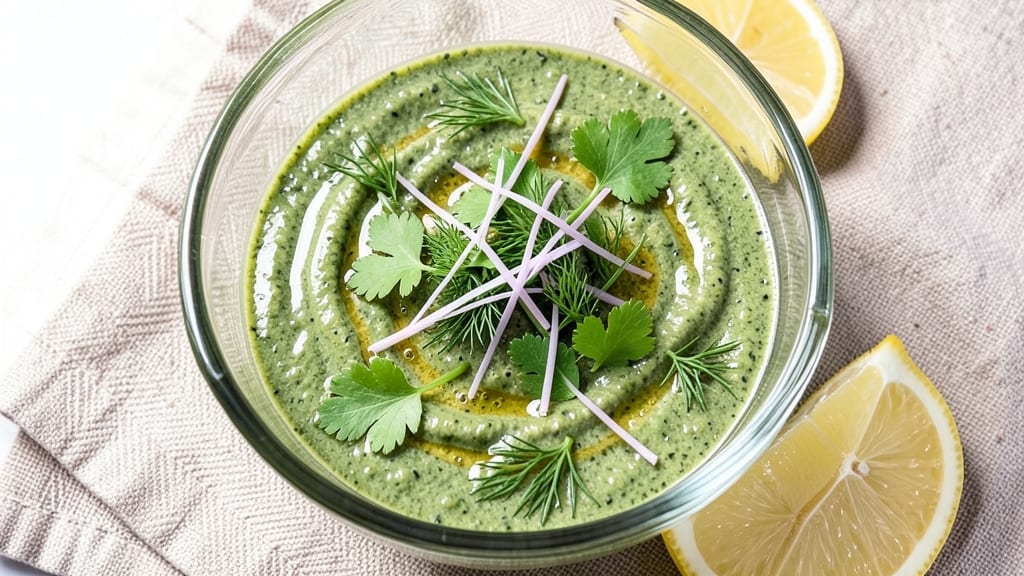
This cauliflower salad dressing recipe transforms simple greens into a vibrant, herb-infused masterpiece without relying on mayo. The secret lies in a bright, emulsified base of lemon juice, olive oil, and Dijon mustard—balanced with fresh herbs and a touch of garlic for depth.
What makes this dressing special is its versatility: it works equally well on raw cauliflower florets, roasted cauliflower, or even as a dip for crispy vegetables.
The dressing comes together in just 5 minutes with simple ingredients you likely already have on hand. A blend of fresh dill, parsley, and chives adds freshness, while a splash of apple cider vinegar keeps the flavor profile sharp and tangy.
The result is a silky, clingy dressing that coats every floret perfectly, enhancing the natural sweetness of cauliflower without overpowering it.
What sets this recipe apart is its ability to elevate any cauliflower dish—whether you're serving it as a light main course, a side salad, or a crunchy snack. The dressing stays fresh in the fridge for up to 3 days, making it ideal for meal prep.
For those watching their fat intake, this version uses a lighter olive oil base while still delivering rich, satisfying flavor.
Pair it with roasted garlic cauliflower, crispy chickpeas, or fresh herbs for a complete salad experience. The dressing’s herbaceous notes complement the earthy flavor of cauliflower beautifully, creating a dish that’s both nutritious and deeply satisfying.
Ingredients for cauliflower salad dressing
Ten simple ingredients create a vibrant, herb-infused dressing perfect for cauliflower dishes without mayo.
| Ingredient | Amount | Notes |
|---|---|---|
| Fresh Dill Leaves 🌿 | ⅓ cup | Finely chopped, stems removed |
| Fresh Parsley Leaves 🌿 | ¼ cup | Flat-leaf preferred, finely chopped |
| Fresh Chives 🌱 | ¼ cup | Finely chopped, mild onion flavor |
| Extra-Virgin Olive Oil 🫒 | ½ cup | Light variety for subtle flavor |
| Fresh Lemon Juice 🍋 | ⅓ cup | Strained, no pulp preferred |
| Apple Cider Vinegar 🍎 | 1 tbsp | Unfiltered for tangy depth |
| Dijon Mustard 🌶️ | 1 tbsp | Mild or medium heat preferred |
| Garlic Cloves 🧄 | 2 cloves | Finely minced, not powdered |
| Honey 🍯 | 1 tsp | Raw preferred for floral notes |
| Sea Salt 🧂 | ½ tsp | Diamond Crystal preferred |
The fresh herbs are the heart of this dressing—look for vibrant, not wilted leaves at the grocery store. Whole Foods or local farmers markets often carry the freshest dill and parsley, but the grocery store's herb section works fine if you're gentle with them. Chives should have a bright green color, not yellowing. Store-bought fresh herbs in plastic containers can get sad quickly, so use them within a few days. For maximum flavor, I always buy more than I need and freeze extras in ice cube trays with a bit of olive oil—just thaw and chop when ready to use. The garlic should be firm with no sprouts, and organic cloves tend to have more robust flavor.
No fresh dill? Fresh cilantro or basil can substitute at the same amount, though the flavor profile shifts slightly. Running out of apple cider vinegar? White wine vinegar or lemon juice work in a pinch, though the tang will be more pronounced. The Dijon mustard is non-negotiable for emulsification—substitute whole-grain mustard if you prefer a stronger texture. For those avoiding honey, maple syrup or agave nectar work at the same ratio. The olive oil matters here—avoid heavily perfumed varieties that can overpower the delicate herbs. If you're watching fat content, you can reduce the olive oil by 2 tablespoons and add an extra splash of vinegar for brightness.
This dressing keeps beautifully in the fridge for up to 3 days when stored in an airtight container. For longer storage, transfer to a clean jar and freeze for up to 3 months. Before using, give it a good shake as the herbs will settle. The dressing works best at room temperature, so let it sit for 5-10 minutes before tossing with cauliflower. I always make a double batch—half goes on fresh roasted cauliflower, and the other half gets tossed with crispy chickpeas for a protein boost. The dressing's emulsified texture means it clings perfectly to both raw and cooked cauliflower, making it ideal for meal prep.
Why You'll Love This Recipe
- No-Chop Needed: I swear by this—just roughly tear those herbs (no knife skills required) and toss them with olive oil and lemon. That’s it. The dill, parsley, and chives blend into a bright, herby oil without any fuss, and honestly? My lazy Sundays thank me.
- Bright & Tangy Magic: The lemon juice cuts through the richness of olive oil like a summer breeze, while the fresh herbs add that just-picked brightness. It’s the kind of dressing that makes even simple greens taste like you slaved over them—no one will guess it took five minutes.
- Meal Prep MVP: This dressing lasts a full week in the fridge, and I use it on everything—grilled fish, roasted veggies, even as a dip for crusty bread. (Yes, even on a Tuesday night.) No last-minute scrambling, just grab-and-go flavor.
- Pocketbook Perk: Extra-virgin olive oil and fresh herbs might sound fancy, but this recipe uses just enough to stretch your budget without sacrificing taste. Between us, I’ve made gallons of this for under $10—proof that good food doesn’t need a grocery haul.
Step-by-step instructions for herb-infused cauliflower dressing
This bright, herb-forward dressing delivers vibrant flavor without mayo—perfect for cauliflower salads.
Finely Chop All Fresh Herbs
Place the 0.33 cup fresh dill leaves, 0.25 cup fresh parsley leaves, and 0.25 cup fresh chives on a cutting board. Using a sharp chef's knife, finely chop each herb separately—you want tiny, even pieces that will blend seamlessly into the dressing. I like to work in batches: chop half the dill, then half the parsley, then all the chives before moving to the next herb. This prevents overcrowding and makes the knife work easier.
Remove and discard any thick stems from the herbs. The leaves should be so finely chopped that you can barely see individual pieces when you're done. This texture ensures the herbs distribute evenly throughout the dressing and won't create a grainy consistency. Taste a pinch of the chopped herbs—they should be fresh, bright, and slightly grassy, with no bitterness.
Mince the Garlic and Combine Wet Ingredients
Peel and finely mince the 2 cloves garlic using a microplane or sharp knife. You want the garlic to be almost paste-like in texture—this prevents any harsh, chewy bits in the final dressing. Transfer the minced garlic to a medium mixing bowl and set aside.
In the same bowl, add the 0.33 cup fresh lemon juice, 1 tablespoon apple cider vinegar, 1 tablespoon Dijon mustard, and 1 teaspoon honey. Whisk these ingredients together until fully combined and smooth. The mixture should be pale yellow with a slight sheen from the honey. This combination creates the perfect balance of tangy, sweet, and umami flavors that will complement the cauliflower's mild taste.
Gradually Emulsify the Dressing
With the motor running on low speed, slowly drizzle in the 0.5 cup extra-virgin olive oil while continuing to whisk. Start with just a few drops, then gradually increase the flow as the mixture begins to emulsify. This slow incorporation prevents the dressing from breaking and ensures a silky, homogeneous texture. I like to use a whisk for this step—it creates more air and gives the dressing a lighter consistency.
Once all the olive oil is incorporated, add the finely chopped herbs and minced garlic. Stir well to distribute everything evenly. The dressing should now have a vibrant green hue from the herbs and a glossy sheen from the emulsified oil. Taste and adjust seasoning with the 0.5 teaspoon sea salt—you may need a bit more or less depending on the saltiness of your ingredients. The final dressing should be bright, tangy, and herbaceous with a subtle sweetness from the honey.
Rest and Adjust Consistency
Cover the bowl with plastic wrap and let the dressing rest at room temperature for at least 15 minutes. This resting period allows the flavors to meld together and the dressing to reach its ideal consistency. After resting, give it one final taste and adjust if needed—perhaps a splash more lemon juice for brightness or a drizzle of olive oil if it's too thick.
The dressing should now be perfectly balanced: bright from the herbs and lemon, tangy from the vinegar, with just enough sweetness to round out the flavors. It should coat the back of a spoon smoothly without being overly thick. This dressing will keep in the refrigerator for up to 5 days, making it ideal for meal prep. Shake or whisk before each use to redistribute any settled ingredients.
Pro Tips For Making Cauliflower Salad Dressing
- STACK THE HERBS: Use a mortar and pestle instead of a knife for the dill, parsley, and chives—this releases more oils and flavor in seconds. (Yes, it’s messier, but your dressing will taste brighter and more complex.)
- PULSE DON’T CHOP: For the herbs, give 3-4 sharp pulses in a food processor rather than mincing by hand—this keeps them finely textured without turning to paste. (I used to over-chop, and the dressing always tasted dull afterward.)
- LEMON FIRST: Add the lemon juice before the olive oil—it emulsifies better and prevents the dressing from separating later. (I learned this after watching my first batch split like a bad smoothie.)
- SALT THE OIL: Toss in a pinch of flaky salt (like Maldon) with the olive oil—it enhances the herbs’ flavor and balances the acidity. (Sounds odd, but it’s the thing that makes this dressing taste restaurant-worthy.)
Pro cooking tips for this dish
Emulsification Mastery
This dressing relies on a perfect emulsion—where oil and vinegar-based liquids blend smoothly. The key is adding the 0.5 cup olive oil gradually while whisking continuously on low speed. I use a hand mixer for this step because it creates a lighter, more stable emulsion than whisking by hand.
If you prefer not to use a mixer, whisk vigorously in small batches, adding just 1 tablespoon of oil at a time until fully incorporated. The Dijon mustard acts as a natural emulsifier, so don't skip it—it's what keeps the dressing from separating. 🌡️
Herb Texture Secrets
For the smoothest dressing, chop the herbs as finely as possible—almost to a paste-like consistency. I like to use the tip of my knife to press down on the herbs while chopping, which helps break them down more thoroughly.
If your herbs are particularly fibrous, pulse them briefly in a food processor before adding to the dressing. The goal is to create a velvety texture where you can barely detect individual herb pieces. This technique works especially well with dill, which can be tough if not chopped finely enough.
Flavor Layering
Build flavors in stages for maximum impact. First, combine the wet ingredients (lemon juice, vinegar, mustard, honey) to create a bright base. Then add the garlic and let it infuse for 5 minutes before emulsifying. This allows the garlic's flavor to develop fully.
Finally, add the herbs at the very end—their freshness should shine through without competing with the other flavors. The honey not only adds sweetness but also helps balance the acidity from the vinegar and lemon.
Temperature Control
Work with ingredients at room temperature for the best results. Cold ingredients can cause the dressing to separate or thicken unevenly. Let your olive oil sit out for 30 minutes before using, and use freshly squeezed lemon juice (strained) for optimal flavor.
If your kitchen is cold, warm the lemon juice slightly by placing the bowl in warm water for 2 minutes
Store your dressing in an airtight glass jar with a tight-fitting lid. The glass helps preserve the freshness of the herbs better than plastic. Before storing, press plastic wrap directly onto the surface to minimize air exposure. Shake or whisk vigorously before each use, as the herbs will settle to the bottom. For longer storage, freeze in 1-tablespoon portions in ice cube trays—just thaw and whisk before using. The dressing's texture may thicken slightly when refrigerated, so add a splash of water or lemon juice to restore consistency. ❄️Storage Hacks
Nutrition facts
Frequently asked questions
Can I make this dressing without fresh herbs?
If you don't have fresh dill, parsley, or chives, try dried herbs at 1/3 the amount (e.g., 1/3 teaspoon dried dill instead of 1 tablespoon fresh). For extra flavor, add 1/2 teaspoon dried basil or oregano as a substitute. The texture won't be as smooth, but it'll still taste delicious.
How much dressing should I make for a standard salad?
This recipe makes about 1 cup of dressing, which is perfect for 4 cups of chopped cauliflower or a hearty side salad. For a main course salad with 6-8 cups of greens, double the recipe. The dressing clings well to roasted or raw cauliflower, so adjust based on how much you're serving.
Why did my dressing separate?
Dressings separate when oil and vinegar aren't properly emulsified. The fix? Whisk in 1 teaspoon Dijon mustard or 1/2 teaspoon xanthan gum (for vegan diets) and whisk vigorously. For future batches, add oil 1 tablespoon at a time while whisking continuously on low speed. Cold ingredients can also cause separation—try warming your lemon juice slightly before mixing.
Can I use this dressing on other vegetables?
Yes! This bright herb dressing works beautifully on roasted Brussels sprouts, grilled asparagus, or even as a dip for crudités. It also elevates grain bowls with quinoa or farro. The lemon and herbs cut through richer ingredients like avocado or roasted potatoes too. Just adjust the amount to your serving size—1/4 cup works well for 2 cups of cooked veggies.
How do I store leftovers?
Transfer any unused dressing to an airtight glass jar and refrigerate for up to 5 days. Before using, shake or whisk vigorously to redistribute the herbs. For longer storage, freeze in 1-tablespoon portions in ice cube trays. Thaw overnight in the fridge and whisk with 1 teaspoon water to restore consistency. The dressing tastes best fresh but keeps well when properly stored.