
Salads
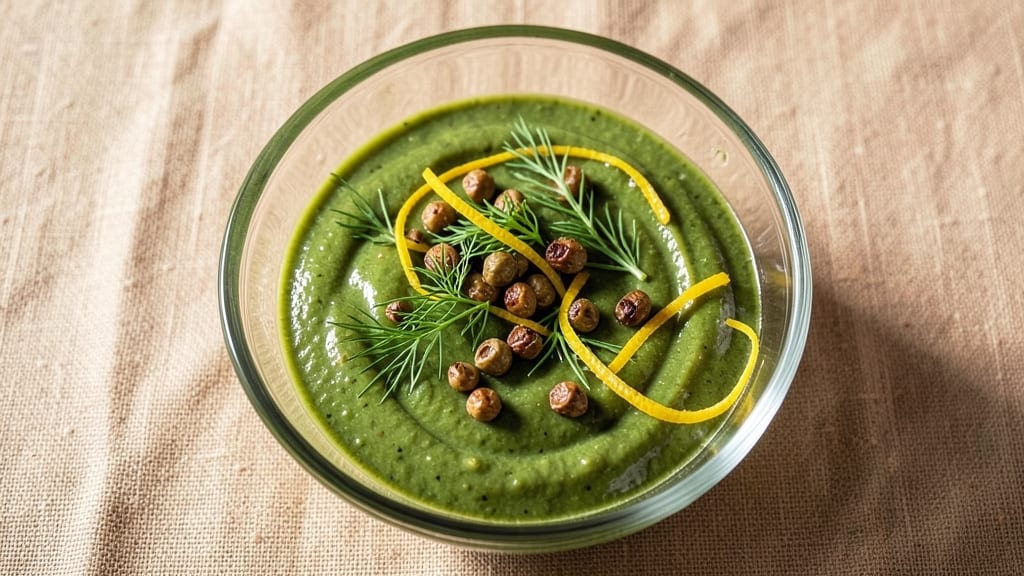
This caper salad dressing recipe transforms simple greens into a briny, herbaceous masterpiece with just five ingredients and 10 minutes of prep time. The secret lies in balancing capers' sharp tang with olive oil's richness, creating a dressing that elevates everything from seafood to roasted vegetables.
I developed this while craving something brighter than store-bought vinaigrettes—something with real depth and texture.
The dressing works like a flavor amplifier, cutting through rich proteins and adding a salty, umami kick that makes every bite taste more vibrant. Mustard acts as the emulsifier, ensuring the dressing clings to leaves and ingredients rather than pooling at the bottom.
Fresh herbs like dill or parsley add freshness, while lemon juice keeps the flavors bright and balanced.
What makes this dressing special is its versatility—it works equally well on warm roasted potatoes, grilled fish, or a simple arugula salad. The capers provide a bold, briny punch that stands up to hearty ingredients, while the olive oil keeps it rich and satisfying.
Once you try this, you'll never go back to bottled dressings again.
Store it in the fridge for up to one week, shaking before each use to redistribute the capers. For extra richness, add a splash of cream or a pinch of smoked paprika. Let's make dressing that actually tastes homemade.
Ingredients for caper salad dressing
Five ingredients balance briny capers with rich olive oil for a dressing that transforms salads into vibrant masterpieces.
| Ingredient | Amount | Notes |
|---|---|---|
| Nonpareils Capers 🫒 | ½ cup | Packed, drained well |
| Extra-Virgin Olive Oil 🫒 | ¾ cup | High-quality, fruity variety |
| Dijon Mustard 🍯 | 2 tbsp | Whole grain preferred |
| Fresh Lemon Juice 🍋 | 3 tbsp | Freshly squeezed, strained |
| Fresh Dill 🌿 | ¼ cup | Finely chopped, stems removed |
| Kosher Salt 🧂 | ½ tsp | Diamond Crystal preferred |
| Black Peppercorns 🌶️ | ¼ tsp | Freshly cracked |
The capers are the heart of this dressing—look for nonpareils (small, whole capers) at specialty stores like Whole Foods or Trader Joe's for the best texture. Maldon sea salt or Diamond Crystal kosher salt enhances the briny depth without overpowering. Fresh dill, not dried, delivers that bright, herbaceous note that makes this dressing sing. For olive oil, California avocado or Italian extra-virgin brands provide the fruity richness needed to balance the sharpness. Always drain capers thoroughly to prevent dilution of the dressing's intensity.
No fresh dill? Fresh parsley or chives work in a pinch, though the flavor profile shifts slightly. Substitute white wine vinegar for lemon juice if needed, but reduce to 2 tbsp to maintain balance. For a smoother texture, blend the capers briefly before mixing, though purists prefer the whole capers for texture. If the dressing separates, whisk vigorously or add a splash of warm water to re-emulsify. For extra depth, a pinch of smoked paprika or 1 tsp anchovy paste (for umami) can elevate the flavor without altering the core concept.
Store in an airtight glass jar in the fridge for up to one week, shaking before each use to redistribute the capers. The dressing thickens slightly when chilled—thin with 1 tsp water if needed before serving. For longer storage, transfer to a sterile bottle and keep for up to 3 months in the freezer. This dressing thrives on freshness, so use within 5 days for peak flavor, especially when paired with delicate ingredients like seafood or tender greens.
Why You'll Love This Recipe
- Five-Ingredient Magic: I swear, this dressing comes together faster than I can say "salad night." Just toss those briny capers, zesty lemon, and fresh dill into a jar with olive oil and mustard—no blender, no fuss. The only measuring I do is eyeballing the dill, and even that’s flexible.
- Bright & Tangy: That first bite of lemon meets caper? It’s like a sunlit sea breeze in your mouth. The Dijon mustard adds just enough bite to cut through rich greens or grilled fish, while the dill keeps it fresh—no heavy cream, no weird aftertaste. Honestly, it’s the kind of dressing that makes you want to eat salad every day.
- Weeknight & Potluck Star: This isn’t just for salads—drizzle it over roasted potatoes, toss it with pasta, or even use it as a marinade for chicken. And here’s the kicker: it keeps for days in the fridge, so I make a big batch on Sundays. By Thursday, it’s still bright, still delicious, and still saving me from takeout.
- Budget Brightener: Capers and fresh dill might sound fancy, but they stretch further than you’d think. A little goes a long way, and the olive oil and lemon are staples I already have. I’ll be real: this dressing costs less than half of those pre-made gourmet bottles, and it actually tastes like something I’d serve to company.
Step-by-step instructions for caper salad dressing
This bright, briny dressing comes together in minutes with precise technique.
Drain and Toast the Capers
Transfer the 0.5 cup Nonpareils Capers to a small bowl and drain any liquid using a fine-mesh strainer. Pat them dry with a paper towel to remove any residual moisture—this ensures your dressing won't separate. Place the drained capers in a dry skillet over medium-low heat and toast for 2-3 minutes, stirring constantly, until they develop a deep golden color and release their aromatic oils. This step intensifies their briny flavor and adds texture to the dressing.
Watch closely as they toast—capers burn quickly. You'll know they're ready when they smell intensely briny and their edges begin to crisp slightly. Immediately transfer them to a clean bowl and let cool for 5 minutes before proceeding. This cooling period prevents the olive oil from immediately seizing up when combined.
Whisk Together Wet Ingredients
In a separate bowl, combine the 0.75 cup Extra-Virgin Olive Oil, 2 tbsp Dijon Mustard, and 3 tbsp Fresh Lemon Juice. Use a whisk to blend these ingredients vigorously for 1-2 minutes until fully emulsified and smooth. The Dijon mustard acts as an emulsifier, helping to bind the oil and lemon juice into a stable base. If you notice any separation during this process, simply whisk more vigorously—this dressing should come together easily with these ingredients.
Taste the mixture at this stage. It should be tangy from the lemon and slightly sharp from the mustard. If it tastes too acidic, add a pinch of the 0.5 tsp Kosher Salt to balance the flavors. This preliminary taste test ensures you'll end up with a dressing that's perfectly balanced before adding the herbs and capers.
Incorporate Herbs and Seasonings
Add the cooled, toasted capers and 0.25 cup Fresh Dill to the oil-lemon mixture. Using the whisk, combine everything until the dill is evenly distributed and the capers are fully incorporated. The dill should be finely chopped and stems removed as specified—this prevents any bitterness from the stems overpowering the delicate flavors. Pulse the 0.25 tsp Black Peppercorns in a mortar and pestle or crush them lightly between your fingers before adding to distribute their flavor more evenly.
Season with the remaining 0.5 tsp Kosher Salt and give the dressing another thorough whisking. At this point, the texture should be smooth with visible caper pieces and herb flecks. If the dressing appears too thick, gradually add 1-2 teaspoons of water while whisking until it reaches a pourable consistency. The ideal texture should coat the back of a spoon without being overly runny.
Rest and Adjust for Perfect Emulsion
Cover the bowl with plastic wrap and let the dressing rest at room temperature for 15-20 minutes. This resting period allows all the flavors to meld together and the emulsion to stabilize. During this time, the capers will release more of their briny essence and the herbs will soften slightly, creating a more cohesive dressing. I've found this step is crucial—rushing this process often leads to separation later.
After resting, give the dressing one final taste and adjust the seasoning if needed. If it needs more brightness, add another ½ teaspoon of Fresh Lemon Juice. For more depth, add a pinch of salt or a few more cracked peppercorns. The dressing should now have a perfect balance of briny, herby, and tangy flavors with a smooth, velvety texture. Transfer to a clean jar and store in the refrigerator for up to 1 week, shaking well before each use.
Pro Tips For Making Caper Salad Dressing
- Rinse Those Capers: Nonpareils capers come packed in brine, and if you don’t rinse them first, your dressing will taste like a salt lick. Toss them in a fine-mesh strainer, give them a quick swirl under cold water, then drain well—this keeps the flavor bright without the harsh salt punch. (Yes, even if the jar says "ready to eat.")
- Whisk in Stages: Dump everything in the bowl at once and you’ll end up with a gloppy mess. Start with the Dijon and lemon juice, whisk until smooth, then slowly drizzle in the olive oil while whisking like you’re trying to win a bet. This emulsifies the dressing properly—no separation, no regret.
- Use Real Dill, Not Dried: Dried dill is fine for cooking, but in this dressing, it turns to dust and ruins the texture. Chop a handful of fresh dill (stems and all) and muddle it lightly with the lemon juice first—this releases the oils and makes the flavor pop. (And yes, you’ll need more than you think.)
- Taste Before the Oil: Add the olive oil last, then taste the mustard-lemon-dill base before adjusting salt or acid. This way, you’re not masking flavors with fat—just fixing what’s already there. Trust me, you’ll save yourself from overcorrecting.
Troubleshooting perfect results
Separation Issues
If your dressing separates, don't panic—this happens when oil and vinegar (or lemon juice) aren't properly emulsified. The Dijon mustard is your secret weapon here: whisk vigorously for 1-2 extra minutes to re-combine the ingredients.
For stubborn separation, add 1 tsp warm water while whisking continuously. I've found that a quick pulse in a blender also works wonders—just blend for 10-15 seconds on low speed. 💡
Capers Too Salty
If your capers taste overly salty, rinse them under cold water for 10 seconds before draining. For a more controlled approach, use ¼ cup capers instead of the full ½ cup and adjust the salt to ¼ tsp.
Remember, capers pack concentrated salt—always taste as you go! I learned this lesson the hard way after making a batch that could've been used for pickling instead of dressing. 🧂
Herb Bitterness
Dill stems contain bitter compounds that can overpower your dressing. Always remove stems before chopping—this is non-negotiable for a smooth flavor. If you accidentally include stems, strain the dressing through a fine-mesh sieve after mixing.
For extra insurance, use ¼ cup fresh parsley instead, though it won't have the same bright, anise-like flavor. 🌿
Oil Too Strong
High-quality olive oil is essential, but if the flavor dominates, balance it with 1 extra tbsp lemon juice or 1 tsp white wine vinegar. For a lighter texture, reduce the oil to ½ cup and add 1 tbsp water to thin it out.
I've found that California avocado oil has a milder flavor than traditional Italian EVOO if you prefer a more neutral base. 🫒
Dressing Too Thick
If your dressing is too thick after resting, thin it with ½ tsp water at a time while whisking continuously. For a more elegant solution, add 1 tsp fresh lemon juice—this maintains acidity while improving flow.
If it's still too thick, let it sit at room temperature for 5 extra minutes—sometimes it just needs time to relax. 💫
Flavor Too Muted
For deeper flavor, add ½ tsp anchovy paste or 1 tsp Worcestershire sauce for umami richness. A pinch of smoked paprika adds warmth, while 1 tsp honey balances the brininess.
I've found that a quick toast of the capers in a dry pan (as mentioned in the recipe) intensifies their flavor—don't skip this step if you want maximum impact! 🔥
Nutrition facts
Frequently asked questions
Can I use jarred capers instead of nonpareils?
Jarred capers work fine, but they're usually larger and saltier than nonpareils. Rinse them thoroughly under cold water for 15 seconds to reduce saltiness, then drain well. For texture, chop them slightly before using. The flavor will be similar, though nonpareils provide a more delicate, uniform bite.
How do I make this dressing thicker or thinner?
For a thicker dressing, let it rest in the fridge for 30 minutes—it naturally thickens when chilled. To thin, add ½ teaspoon water at a time while whisking. For a creamy version, stir in 1 tablespoon sour cream or Greek yogurt. Always adjust gradually to maintain balance.
What are the best salads to pair with this dressing?
This dressing shines on arugula salads with roasted beets, grilled shrimp, or warm potatoes. It also elevates cucumber and tomato salads, avocado dishes, and even works as a marinade for chicken or fish. The briny notes cut through rich ingredients beautifully.
Can I make this dressing ahead of time?
Yes! Store it in an airtight jar in the fridge for up to 1 week. Shake well before using, as the capers may settle. For longer storage, freeze for up to 3 months—thaw overnight in the fridge and whisk to re-emulsify. The flavors actually deepen over time.
What if I don't have Dijon mustard?
Use 1 tablespoon whole-grain mustard or ½ teaspoon xanthan gum (dissolved in the lemon juice) as an emulsifier. Without it, whisk vigorously and add 1 teaspoon honey to help stabilize the dressing. The flavor will be slightly less complex but still delicious.