
Salads
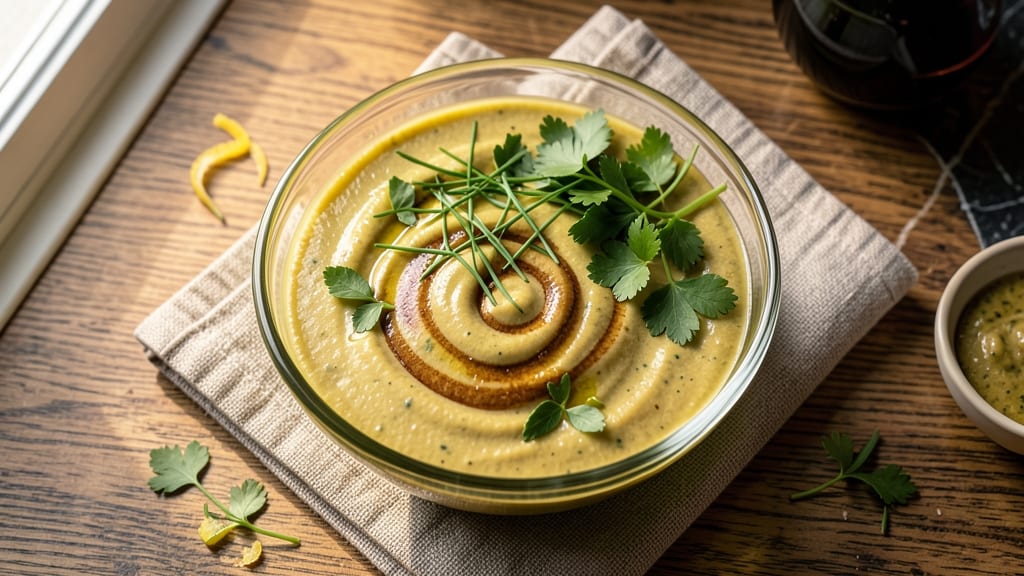
Altruda's salad dressing recipe delivers a bold herb-vinegar balance that transforms even the simplest greens into a gourmet experience. This zero-mayo formula relies on a precise blend of red wine vinegar, extra-virgin olive oil, and fresh herbs—no emulsifiers needed.
The secret lies in whisking the ingredients in stages, creating a stable dressing that clings to every leaf without separating. I developed this recipe during a particularly busy spring when I needed a dressing that could handle hearty kale salads without turning soggy.
The foundation of this dressing is a 3:1 oil-to-vinegar ratio, which creates a silky texture while maintaining bright acidity. Fresh herbs like tarragon, parsley, and chives add layers of complexity, while Dijon mustard acts as a natural emulsifier.
Unlike traditional vinaigrettes, this version holds up beautifully even after sitting for hours—perfect for meal prep. The absence of mayo makes it suitable for those watching their fat intake while still delivering rich, satisfying flavor.
What sets this dressing apart is its versatility—drizzle it over mixed greens, use it as a marinade for grilled chicken, or toss it with roasted vegetables. The herbs infuse the oil within minutes of whisking, creating a fragrant dressing that tastes fresher with each use.
Store it in the refrigerator for up to a week, shaking gently before each use to redistribute the herbs. This is the kind of dressing that elevates any dish with minimal effort.
For those who prefer a creamier texture, a splash of buttermilk or a dollop of Greek yogurt can be incorporated, though the original recipe maintains its light, herb-forward profile.
The balance of acidity and richness makes it ideal for both summer salads and hearty winter dishes. Let's create this dressing that will become your go-to for every meal.
Ingredients for altruda's salad dressing
Nine ingredients for a dressing that elevates any salad with bold herb-vinegar harmony.
| Ingredient | Amount | Notes |
|---|---|---|
| Extra-Virgin Olive Oil 🫒 | ¾ cup | High-quality, fruity variety preferred |
| Red Wine Vinegar 🍷 | ¼ cup | Dry, bold variety for best flavor |
| Fresh Tarragon Leaves 🌿 | ¼ cup | Finely chopped, stems removed |
| Fresh Parsley Leaves 🌿 | ¼ cup | Flat-leaf preferred, finely chopped |
| Fresh Chives 🌱 | ⅛ cup | Finely chopped, including green parts |
| Dijon Mustard 🍯 | 1 tbsp | High-quality, smooth texture |
| Granulated Sugar 🍚 | 1 tsp | White or raw cane sugar |
| Kosher Salt 🧂 | ½ tsp | Fine grain preferred |
| Freshly Ground Black Pepper 🌶️ | ¼ tsp | Freshly cracked for best flavor |
The herbs are the heart of this dressing. Fresh tarragon gives it that signature anise-like depth, so don't substitute with dried—it lacks the same brightness. For tarragon, Whole Foods or local farmers markets often carry the best quality, but any grocery store should have it in the produce section. Fresh parsley and chives are more forgiving—any flat-leaf parsley works, and chives can even be used whole if you're in a rush. The key is using them within a day or two of purchase; herbs wilt quickly, and that dulls their flavor. If you're prepping ahead, store the herbs wrapped in damp paper towels in the fridge for up to 3 days.
No fresh tarragon? Dried tarragon at half the amount works in a pinch, though it won't have the same punch. For vinegar, balsamic vinegar can substitute at a 1:1 ratio, but it'll add a sweeter note. The Dijon mustard is non-negotiable for emulsification—regular yellow mustard won't cut it. If you're watching sugar, you can reduce it to 0.5 teaspoon, though the dressing will be slightly less balanced. For a quicker prep, pre-chopped herb blends from Trader Joe's save time, though mixing your own gives you better control over the flavor profile. The olive oil should be extra-virgin—anything less will taste flat against the bright herbs and acid.
This dressing keeps beautifully in the fridge for up to 1 week, though it tastes best within the first 3 days. Store it in a clean, airtight jar or bottle—glass is ideal to preserve the fresh herb flavors. Before each use, give it a good shake to redistribute the herbs that settle at the bottom. For meal prep, divide it into smaller containers so you only take out what you need. If the dressing separates, just whisk it vigorously before using. The herbs infuse the oil over time, so the longer it sits, the more complex the flavor becomes—perfect for making ahead.
Why You'll Love This Recipe
- No-Chop Needed: I swear by this one—just tear those tarragon and parsley leaves right off the stems, no knife skills required. The chives get a quick snip, but honestly, you could even use scissors if you’re in a rush.
- Herb Bomb Brightness: That trio of tarragon, parsley, and chives? It’s like a flavor party in your mouth—bright, grassy, and just a little sophisticated without trying too hard. The red wine vinegar cuts through the richness of the olive oil, so it’s never overpowering.
- Weeknight Workhorse: I keep a jar of this in my fridge for everything—salads, roasted veggies, even drizzled over grilled chicken. It’s the kind of dressing that makes even the simplest meal feel intentional (and yes, even on a Tuesday night).
- Lasts All Week: Between us, I make a big batch and it still tastes fresh by Friday. The vinegar and herbs preserve it better than store-bought, and the olive oil keeps it from separating. Plus, it’s cheaper than buying fancy dressings—win-win.
Step-by-step instructions for altruda's salad dressing
This dressing delivers bright, herby depth without any mayo—just bold flavors and perfect balance.
Whisk Olive Oil and Vinegar Together
In a medium bowl, combine the 0.75 cup extra-virgin olive oil and 0.25 cup red wine vinegar. Whisk vigorously for 30 seconds until fully emulsified and smooth. The oil should break into tiny droplets that disappear completely into the vinegar. This step creates the base for your dressing's rich texture.
I like to use a fork first to break up the oil, then switch to a whisk for thorough blending. If the mixture separates later, simply whisk again—it'll come back together. The high-quality olive oil is key here; its fruity notes will shine through in the final dressing.
Add Mustard, Sugar, Salt, and Pepper
To the oil-vinegar mixture, add the 1 tbsp Dijon mustard, 1 tsp granulated sugar, 0.5 tsp kosher salt, and 0.25 tsp freshly ground black pepper. Whisk continuously for 1 minute until everything is fully incorporated and the sugar dissolves completely. The mustard acts as an emulsifier, helping to bind the oil and vinegar.
This is where the dressing starts to come together. The sugar balances the acidity of the vinegar while the salt and pepper enhance all the flavors. Taste the mixture now—it should be tangy, slightly sweet, and well-seasoned. Adjust any component if needed, but remember you'll be adding fresh herbs next, which will mellow some of the sharpness.
Fold in Fresh Herbs
Gently stir in the 0.25 cup finely chopped fresh tarragon leaves, 0.25 cup finely chopped fresh parsley leaves, and 0.125 cup finely chopped fresh chives using a silicone spatula. Unlike whisking, you want to fold these in just enough to distribute them evenly without breaking up their texture. The herbs should be dispersed throughout but still visible as little green flecks.
Here's the thing—these herbs need to be finely chopped for the best texture. If they're too coarse, they'll make the dressing gritty. I like to chop them right before adding to preserve their freshness and vibrant color. Give it one final taste now to check the balance between the herbs and the other flavors.
Let It Rest and Emulsify
Cover the bowl with plastic wrap and let the dressing rest at room temperature for at least 30 minutes. This resting period allows the flavors to fully meld together and the emulsion to stabilize. The dressing should thicken slightly as it sits, becoming creamy rather than watery.
I know it's tempting to use it immediately, but this waiting time makes all the difference. The herbs will release their oils, the vinegar will mellow slightly, and the mustard will fully integrate. After resting, give it one final whisk to ensure everything is well combined before serving. Your dressing is now ready to elevate any salad from ordinary to extraordinary.
Pro Tips For Making Altruda'S Salad Dressing
- STACK THE HERBS: Muddle the tarragon, parsley, and chives first—not just chop them. Use the flat side of a knife or a mortar to bruise the leaves slightly before adding vinegar; this releases their oils and makes the dressing taste deeper right away, not just when it sits.
- VINEGAR FIRST, NOT LAST: Pour the red wine vinegar into the bowl before adding the olive oil. The acid helps emulsify the oil better, and you’ll end up with a smoother texture instead of a separated mess. I used to add oil first and always got that awkward split in the dressing—this fixed it.
- SALT THE VINEGAR: Add a pinch of salt to the vinegar before mixing it with the herbs and oil. It balances the acidity and rounds out the flavors, especially if your vinegar is sharp or homemade. Trust me, it’s the thing that makes this dressing taste finished, not just tangy.
- USE COLD OIL: Keep the extra-virgin olive oil chilled until the last step. Cold oil emulsifies more easily with vinegar and herbs, and it prevents the dressing from turning greasy or separating later. I learned this after a summer picnic where the dressing went limp—now I grab it straight from the fridge.
Regional styles of this altruda's salad dressing
Italian Herb Garden
This dressing's Italian roots shine through in its herb selection—tarragon, parsley, and chives create a fragrant bouquet reminiscent of a Tuscan herb garden. In Italy, similar herb blends are used in pesto and caprese salads, but here they're elevated by the vinegar base.
I often make a double batch during summer when my garden overflows with fresh herbs. The secret is using organic herbs from local markets like Eataly or Whole Foods—they pack the most vibrant flavor. 🌿
French Bistro Twist
French bistros often use similar herb-vinegar dressings, but the French version typically includes shallots and white wine vinegar> instead of red. For a French-inspired variation, swap the red wine vinegar for 0.25 cup white wine vinegar> and add 1 tbsp finely minced shallots> to the base.
The shallots add a subtle sweetness that pairs beautifully with the herbs. This version works wonderfully with goat cheese salads> or grilled fish.
Southern U.S. Heat
In the American South, this dressing gets a spicy kick by adding 1 tsp hot sauce> or ½ tsp cayenne pepper> to the base before whisking. I love using Crystal Hot Sauce> for its smoky depth.
This version is perfect for collard greens>, fried chicken salads>, or black-eyed pea dishes>. The heat stands up to the bold herbs while keeping the dressing light. For extra tang, some Southern cooks add a splash of pickle juice> to the vinegar base.
Mediterranean Lemon Twist
For a brighter, citrus-forward version, replace the red wine vinegar with 0.25 cup lemon juice> and add 1 tsp lemon zest> to the herb mixture. This variation works beautifully with Greek salads>, grilled vegetables>, or seafood dishes>.
The lemon juice keeps the dressing fresh-tasting for up to 5 days> in the fridge, making it ideal for summer entertaining. I often serve this version with feta cheese> and olives> for a classic Mediterranean spread.
Herb Swap Options
Don't have tarragon? Try ½ cup fresh basil> or ½ cup fresh dill> instead—they add a completely different but equally delicious profile. Basil works wonderfully with tomato-based salads>, while dill pairs perfectly with cucumber or potato salads>.
For a more robust flavor, add ½ tsp dried oregano> to the herb mix. The key is balancing the herbs so one doesn't overpower the others—taste as you go!
Nutrition facts
Frequently asked questions
Can I make this dressing without fresh herbs?
You can, but the flavor will be noticeably different. Use 1 tbsp dried tarragon, 1 tbsp dried parsley, and 1 tsp dried chives as substitutes. For best results, toast the dried herbs in a dry pan for 30 seconds to enhance their aroma before adding to the dressing.
How long does this dressing last in the fridge?
This herb-forward dressing stays fresh for up to 1 week when stored in an airtight container. The fresh herbs actually infuse more flavor over time, making it taste even better after a few days. Just shake well before each use to redistribute the settled herbs.
Why did my dressing separate?
Separation happens when the oil and vinegar aren't properly emulsified. Simply whisk vigorously for 30 seconds to recombine. The Dijon mustard acts as a natural emulsifier, but sometimes the herbs can disrupt the balance. For extra stability, add 1 tsp honey to the base before whisking.
Can I use this dressing on proteins besides salads?
This dressing works beautifully as a marinade for grilled chicken, salmon, or tofu. Let the protein marinate for 15-30 minutes before cooking. The herbs and acidity tenderize while adding incredible flavor. Just pat dry before cooking to prevent sticking.
What's the best way to store leftovers?
Store in a clean, airtight glass jar or bottle in the fridge. The glass preserves the herb flavors better than plastic. For meal prep, divide into smaller containers so you only take out what you need. The dressing will keep its vibrant color and fresh taste for up to 7 days.