
Salads
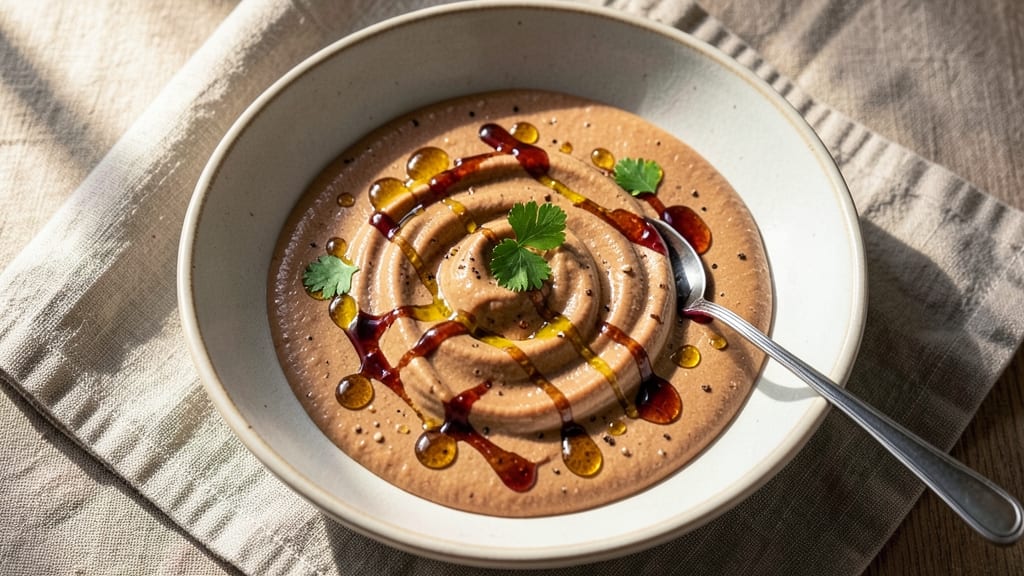
This almond salad dressing recipe transforms simple ingredients into a creamy, nutty emulsion that rivals traditional mayo-based dressings—without any dairy or eggs. The secret lies in blending almond butter with tangy vinegar and citrus, creating a velvety texture that clings beautifully to greens and proteins alike.
I developed this after craving a lighter, plant-based dressing that still delivered rich flavor and staying power.
What sets this dressing apart is its versatility—no mayo means it stays fresh longer and works equally well on hearty kale salads, grilled chicken bowls, or even as a dip for crudités. The blend of lemon juice and Dijon mustard adds brightness, while fresh herbs (like dill or parsley) elevate it to restaurant-quality.
Best of all, it takes just 5 minutes to whip up in a blender or jar.
The result is a dressing that’s rich yet light, with a perfect balance of nutty depth and zesty tang. Unlike store-bought versions, this one avoids preservatives and artificial flavors, making it ideal for meal prep.
Store it in the fridge for up to 5 days, or freeze for longer shelf life. The texture remains smooth when properly emulsified, ensuring every drizzle delivers consistent flavor.
Customize it to suit your taste—add a pinch of garlic powder for savory kick, a drizzle of maple syrup for sweetness, or chili flakes for heat. It pairs beautifully with arugula, roasted vegetables, or grilled fish, and even enhances grain bowls.
Whether you’re hosting a dinner or packing lunches, this dressing is a game-changer for effortless, flavorful meals.
Ingredients for almond salad dressing
Eleven simple ingredients create a velvety almond dressing with restaurant-quality depth and zero dairy.
| Ingredient | Amount | Notes |
|---|---|---|
| Natural Almond Butter 🥜 | ½ cup | Unsweetened, creamy variety preferred |
| Extra-Virgin Olive Oil 🫒 | ¼ cup | High-quality, fruity flavor profile |
| Fresh Lemon Juice 🍋 | 2 tbsp | Freshly squeezed, strained |
| Apple Cider Vinegar 🍶 | 1 tbsp | For tangy depth |
| Dijon Mustard 🌶️ | 1 tsp | Mild or hot variety |
| Pure Maple Syrup 🍁 | 1 tsp | For subtle sweetness |
| Fresh Dill 🌿 | 2 tbsp | Chopped, stems removed |
| Garlic Powder 🧄 | ½ tsp | For savory complexity |
| Sea Salt 🧂 | ½ tsp | Diamond Crystal preferred |
| Black Pepper 🌶️ | ¼ tsp | Freshly ground for aroma |
| Water 💧 | ¼ cup | For thinning if needed |
The almond butter is the foundation—opt for natural, unsweetened varieties from brands like Breyers or 365 Organic to avoid additives. Fresh lemon juice is non-negotiable; bottled versions lack brightness. For the olive oil, California Avocado Ranch or Colavita deliver consistent quality. Dijon mustard adds complexity, but if unavailable, whole-grain mustard thinned with water works as a substitute. The maple syrup balances acidity, so choose Grade A for optimal flavor. Fresh dill elevates the dressing, but dried dill at one-third the amount suffices in a pinch.
No almond butter? Cashew butter or tahini create similar creaminess, though texture may vary slightly. Substitute apple cider vinegar with white wine vinegar or rice vinegar for a milder tang. For a sweeter profile, agave nectar replaces maple syrup equally well. Garlic powder can be omitted if avoiding savory notes, but fresh minced garlic (1/4 tsp) intensifies flavor dramatically. The water ensures proper emulsification—add gradually to achieve desired consistency. For extra richness, avocado oil can replace olive oil in equal measure.
This dressing emulsifies best when blended immediately after combining ingredients. Store in an airtight glass jar in the refrigerator for up to 5 days. Shake vigorously before each use, as separation may occur. For longer storage, freeze in ice cube trays—thaw and shake to restore texture. The dressing thickens when chilled, so thin with 1 tsp water per tablespoon if needed. Portion into small containers for meal prep, ensuring freshness across multiple uses.
Why You'll Love This Recipe
- Five-Ingredient Magic: I swear by this combo—just whisk almond butter, olive oil, lemon juice, vinegar, and mustard until it’s silky. No chopping, no measuring cups to lose, just dump-and-stir. Honestly, I make it while scrolling through emails.
- Nutty Tang Twist: That almond butter adds a rich, toasty depth, while the lemon and vinegar cut through it like a bright summer breeze. The Dijon mustard? It’s the secret—gives it this little kick that makes it ridiculously good on greens or roasted veggies.
- Meal Prep MVP: I keep a jar in my fridge for weeks—it’s my go-to for quick lunches, charcuterie boards, or even drizzled over grilled chicken. Between us, it’s the dressing that actually lasts without turning weird.
- Budget-Friendly Luxury: Extra-virgin olive oil and fresh lemon juice might sound fancy, but almond butter stretches this recipe further than store-bought. Plus, it costs me half as much to dress five salads as it does to buy one pre-made bottle. Win.
Step-by-step instructions for almond salad dressing
This velvety almond dressing comes together in minutes without mayo—rich, tangy, and packed with herbaceous depth.
Whisk the Base Ingredients
In a medium bowl, combine the 0.5 cup Natural Almond Butter with the 0.25 cup Extra-Virgin Olive Oil. Use a whisk to blend them together until completely smooth—this ensures no graininess in the final dressing. The almond butter should dissolve into the oil, creating a creamy foundation. I like to work in a bowl large enough to accommodate all ingredients without spilling, especially since we'll be adding liquid next.
Next, add the 2 tbsp Fresh Lemon Juice and 1 tbsp Apple Cider Vinegar. Whisk vigorously for 30 seconds until fully incorporated. The acidity from the lemon and vinegar will help emulsify the almond butter, preventing separation later. If you notice any streaks of almond butter remaining, keep whisking—this is the critical step for a silky texture.
Incorporate Seasonings and Sweeteners
Add the 1 tsp Dijon Mustard, 1 tsp Pure Maple Syrup, 0.5 tsp Garlic Powder, 0.5 tsp Sea Salt, and 0.25 tsp Black Pepper to the bowl. Whisk again for 20-30 seconds until everything is evenly distributed. The Dijon mustard acts as a natural emulsifier, while the maple syrup balances the tang with a touch of sweetness. The garlic powder and black pepper add subtle savory warmth that complements the nutty base.
Taste the mixture at this stage. It should be rich and slightly tangy, but you might want to adjust the balance. If it needs more acidity, add a splash of lemon juice. If it's too thick, we'll thin it in the next step. The goal is a dressing that clings to greens without overwhelming their flavor—this is where you fine-tune that equilibrium.
Fold in Fresh Herbs and Thin as Needed
Gently stir in the 2 tbsp Fresh Dill using a spatula, reserving a few sprigs for garnish if desired. The dill adds a bright, herbal note that cuts through the richness of the almond butter. Fold just until combined—overmixing can bruise the herbs and release bitterness. At this point, the dressing should be thick but pourable. If it's too stiff, gradually add the 0.25 cup Water one tablespoon at a time while whisking continuously until you reach your desired consistency.
For a dressing that coats greens beautifully without pooling at the bottom of the bowl, aim for a texture similar to heavy cream. If you're serving it immediately, you can proceed to drizzle. For best flavor development, let it sit at room temperature for 10-15 minutes before using—this allows the ingredients to meld and the dressing to reach its full potential.
Test and Adjust for Perfection
Taste the dressing again, this time on a small portion of your salad. The almond butter should provide a rich, nutty backbone, while the lemon and vinegar add brightness. The dill and garlic powder should enhance rather than overpower. If the dressing tastes too sweet, add a pinch more salt. If it's too thick after thinning, a few drops of water will restore balance. Remember, you can always adjust the seasoning—this is your chance to customize it to your taste.
Once satisfied, transfer the dressing to a clean jar or airtight container. Store it in the refrigerator for up to 5 days, shaking well before each use. The flavors will continue to develop, becoming even more complex over time. This dressing works beautifully on mixed greens, grain bowls, or as a drizzle for roasted vegetables—its versatility makes it a staple for any meal.
Pro Tips For Making Almond Salad Dressing
- Whisk in stages: Start by mixing the almond butter with just the olive oil—this prevents clumping. Once smooth, add the lemon juice, vinegar, and mustard slowly while whisking constantly. I learned this the hard way after scraping globs off my whisk for three batches.
- Use cold almond butter: Refrigerate your almond butter for 20 minutes before measuring—it thickens noticeably when cold. This guarantees a perfectly emulsified dressing instead of a grainy mess. (Yes, even if you’re impatient like me.)
- Measure vinegar first: Pour the apple cider vinegar into the bowl before the lemon juice—it cuts through the richness of the almond butter more effectively. Skipping this step leaves a dressing that tastes flat or overly sweet.
- Salt the mustard: Mix a pinch of salt directly into the Dijon mustard before adding it to the dressing. The mustard’s tang mellows out better, and you avoid the bitterness that sneaks in when you forget. (Your future self will notice the difference.)
Pro cooking tips for perfect results
Emulsification Secrets
The key to a silky almond dressing lies in proper emulsification—blending fat (almond butter and oil) with liquid (lemon juice and vinegar) until they form a stable mixture. I use a high-speed blender for 30 seconds to break down the almond butter completely, ensuring no graininess remains.
If you don’t have a blender, a hand mixer works too, but whisk vigorously for 2-3 minutes to achieve the same result. The Dijon mustard acts as a natural emulsifier, so don’t skip it—it’s what keeps the dressing from separating later. 💫
Thinning Like a Pro
Almond butter can make dressings thick, but water is your best friend for adjusting consistency. Start with 1 tbsp water at a time while blending or whisking, testing as you go. The goal is a pourable but coatable texture—like heavy cream.
If it’s still too thick after adding all 0.25 cup water, a splash of lemon juice thins it without altering flavor. Pro tip: Chilled dressings thicken further, so thin slightly before storing to avoid clumping.
Herb Handling
Fresh herbs like dill add brightness but can turn bitter if overworked. Add them last and fold gently with a spatula—just until combined. For extra flavor without texture changes, I blend 1 tbsp fresh herbs with 1 tsp water into a paste before adding.
This preserves their aroma while preventing clumps. If using dried herbs, reduce to ⅓ the amount and blend thoroughly to distribute evenly.
Flavor Balancing
Taste as you go! The dressing should balance nutty richness (almond butter), tang (lemon/vinegar), and herbal brightness (dill). If it’s too sweet, add a pinch of salt or more vinegar. Too thick? Thin with water or lemon juice.
Too bland? Boost with ½ tsp garlic powder or a dash of smoked paprika. I always make a small batch first to test—this way, you won’t waste a whole jar of dressing if adjustments are needed.
Storage Hacks
Store in an airtight glass jar in the fridge for up to 5 days. Shake well before each use—separation is normal, but the blender (or whisk) will restore it. For longer storage, freeze in ice cube trays, then transfer to a bag.
Thaw overnight in the fridge and shake to reactivate. To prevent freezer burn, press plastic wrap directly on the surface before sealing the bag. Label with the date—trust me, you’ll forget! ❄️
Equipment Upgrades
A high-speed blender (like Vitamix or Ninja) is ideal for smooth emulsification, but a mason jar with lid works in a pinch—just shake vigorously for 2 minutes. For meal prep, I use small glass jars (4 oz) to portion dressing, making it easy to grab and shake.
If you’re making a large batch, a stand mixer with whisk attachment saves time and effort. Avoid metal spoons—they can react with acidic ingredients over time.
Nutrition facts
Frequently asked questions
Can I make this almond dressing without a blender?
Use a whisk or fork in a bowl to combine ingredients thoroughly. For best results, start with the almond butter and oil, then gradually whisk in liquids while adding water 1 tablespoon at a time until smooth. A hand mixer works too—just blend for 2-3 minutes to ensure proper emulsification. The key is patience and consistent mixing to avoid separation.
Why did my dressing separate after refrigeration?
Separation happens when fat and liquid phases aren't properly emulsified. Give it a good shake and blend again for 10-15 seconds—most dressings will recombine. To prevent future separation, ensure you whisk or blend long enough during preparation, and avoid adding too much water. The Dijon mustard helps stabilize the emulsion, so don't skip it!
What are the best salads to pair with this dressing?
This creamy almond dressing shines on bitter greens like arugula or kale, but also works beautifully with roasted vegetables, quinoa bowls, or grilled chicken. Try it on Mediterranean salads with cucumbers, olives, and feta, or use it as a dip for crudités like bell peppers and carrots. The nutty flavor complements both earthy and protein-rich dishes equally well.
How can I make this dressing sweeter or spicier?
For extra sweetness, add ½ teaspoon more maple syrup or 1 teaspoon honey (if not vegan). For heat, stir in ¼ teaspoon chili flakes or ½ teaspoon sriracha. You can also boost flavor with ½ teaspoon smoked paprika for depth or 1 teaspoon grated ginger for a zesty kick. Always taste as you go—small adjustments make the biggest difference!