
Salads
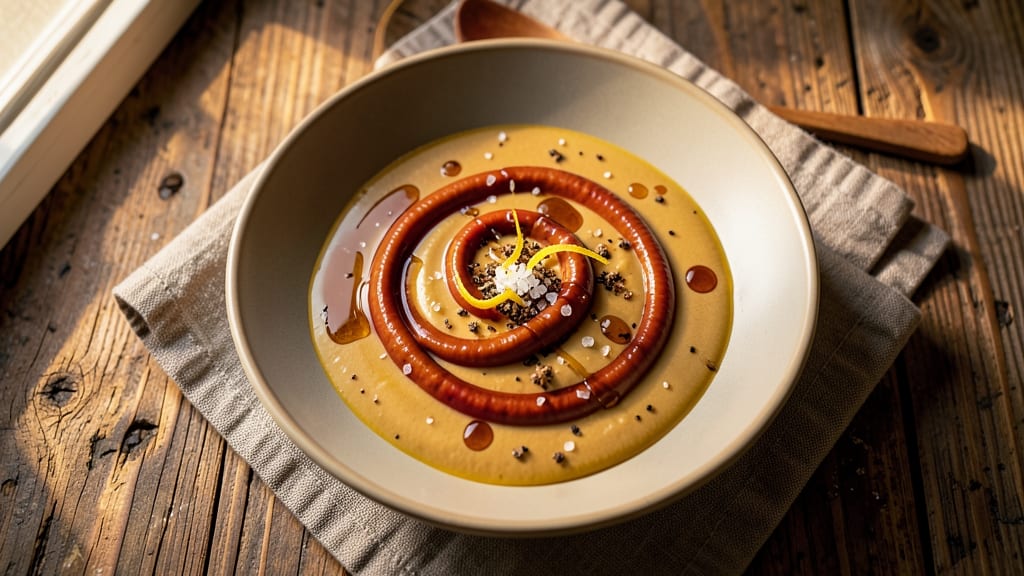
This almond oil salad dressing transforms simple greens into a gourmet experience with its rich, nutty depth and velvety texture. 🌿 Unlike store-bought versions, this recipe uses high-quality almond oil for a luxurious finish while keeping it light enough to coat every leaf.
The secret lies in balancing acidity with the oil’s smoothness, creating a dressing that enhances—not overpowers—your favorite salads.
The base is simple yet sophisticated: almond oil (for that signature nutty aroma), apple cider vinegar (for tang), and a touch of maple syrup to balance flavors without honey. A pinch of Dijon mustard acts as a natural emulsifier, ensuring the dressing stays silky and clings to greens.
This vegan-friendly formula delivers restaurant-quality results in just 5 minutes of whisking.
What makes this dressing truly versatile is its adaptability. Swap in lemon juice for brightness, balsamic vinegar for depth, or fresh herbs like thyme or rosemary for an aromatic twist. The dressing keeps for up to 1 week in the fridge, making it perfect for meal prep.
Whether drizzled over arugula, tossed with roasted vegetables, or paired with grilled chicken, it elevates every bite.
For best results, whisk all ingredients together just before serving to maintain that fresh, vibrant flavor. The almond oil’s delicate nuttiness shines brightest when paired with bold flavors—think charred tomatoes, crispy chickpeas, or tangy goat cheese. Let’s create a dressing that’s as nutritious as it is delicious.
Ingredients for almond oil salad dressing
Six core ingredients plus two optional herbs create this restaurant-worthy almond oil dressing.
| Ingredient | Amount | Notes |
|---|---|---|
| Almond Oil 🫒 | ½ cup | High-quality, cold-pressed preferred |
| Apple Cider Vinegar 🍏 | ¼ cup | Raw and unfiltered for depth |
| Pure Maple Syrup 🍁 | 1 tbsp | Grade B for robust flavor |
| Dijon Mustard 🌿 | 1 tsp | Whole grain for texture |
| Fresh Lemon Juice 🍋 | 1 tbsp | Freshly squeezed for brightness |
| Sea Salt 🧂 | ¼ tsp | Fine grain, Diamond Crystal preferred |
| Fresh Thyme Leaves 🌿 | 1 tsp | Chopped, or dried at 1/3 amount |
| Fresh Rosemary Leaves 🌿 | 1 tsp | Finely chopped, optional aromatic |
| Filtered Water 💧 | 1 tbsp | For thinning if needed |
Almond oil is the star—Whole Foods or Trader Joe's carry the best cold-pressed varieties, but any high-quality brand works. Look for labels that say '100% pure' and avoid anything with additives. The apple cider vinegar should be raw and unfiltered for that tangy depth—Bragg is my go-to, but any organic brand is fine. Maple syrup adds just enough sweetness to balance the acidity without overpowering. Grade B maple syrup has more robust flavor than Grade A, but either works. Dijon mustard is non-negotiable here—it emulsifies the dressing and adds a subtle complexity that regular yellow mustard can't match.
No almond oil? Avocado oil or walnut oil work in a pinch, though the flavor profile shifts slightly. Swap apple cider vinegar for balsamic vinegar if you prefer depth over brightness, but reduce to 1 tablespoon to avoid overpowering. Fresh herbs are ideal, but dried thyme or rosemary at one-third the amount gets you close. The dressing should be silky but not too thin—if it separates, whisk in a splash of filtered water to restore consistency. For extra richness, add 1/2 teaspoon of tahini to the base.
Store in a clean glass jar with a tight-sealing lid in the fridge for up to 1 week. The flavors meld beautifully overnight, so it actually tastes better the next day. For meal prep, portion into small containers—this dressing pairs perfectly with roasted veggies, grain bowls, or grilled proteins. If you make a big batch, freeze half in ice cube trays for single-serving portions. Always whisk before using to distribute flavors evenly.
Why You'll Love This Recipe
- Five-Ingredient Magic: I swear, this dressing comes together in three shakes—literally. Just toss those five pantry staples (plus a squeeze of lemon) in a jar, shake, and you’re done. No blender, no strainer, no mess.
- Nutty-Sweet Balance: Honestly, the maple syrup and Dijon mustard do something wild here—they cut through the richness of almond oil like a bright, tangy hug. It’s sweet but not cloying, rich but not heavy, with that vinegar kick to keep it sharp.
- Lunchbox Hero: Between us, this is my go-to for packed lunches. It keeps greens crisp, adds a glossy finish to grains, and even drizzled over roasted veggies? Chef’s kiss. No reheating, no soggy salads—just flavor that travels.
- Leftovers That Last: I make a big batch on Sundays, and it stays fresh for a week in the fridge. The almond oil doesn’t separate, the lemon keeps it bright, and I’m always reaching for it—on toast, in stir-fries, even as a quick marinade. Zero waste, all win.
Step-by-step instructions for almond oil salad dressing
This dressing comes together in minutes but delivers restaurant-quality depth.
👨🍳 Step 1: Whisk Vinegar and Sweetener
In a medium bowl, combine the 0.25 cup apple cider vinegar and 1 tablespoon pure maple syrup. Whisk vigorously for 30 seconds until the maple syrup fully dissolves and the mixture becomes homogenous. The vinegar should look slightly cloudy with no visible syrup streaks.
This foundational blend creates the perfect balance of tang and sweetness that carries through the entire dressing. I like to use raw, unfiltered apple cider vinegar here—the sediment adds subtle complexity. If you notice any graininess, strain through a fine-mesh sieve before proceeding.
👨🍳 Step 2: Add Mustard and Herbs
To the vinegar mixture, add the 1 teaspoon Dijon mustard, 1 teaspoon chopped fresh thyme leaves, and 1 teaspoon chopped fresh rosemary leaves. Whisk continuously for 1-2 minutes until the mustard is completely emulsified and the herbs are evenly distributed.
Here's where the magic happens—the Dijon mustard acts as our emulsifier, helping the oil and vinegar blend smoothly. The fresh herbs infuse their aromatic oils into the base, creating layers of flavor that develop as the dressing sits. If using dried herbs, reduce to ⅓ teaspoon each—fresh is always better for vibrant flavor.
👨🍳 Step 3: Incorporate Lemon and Seasoning
Stir in the 1 tablespoon fresh lemon juice and 0.25 teaspoon sea salt using a fork or small whisk. The lemon brightens the dressing while cutting through the richness of the almond oil. Taste and adjust seasoning—you might want to add a pinch more salt or lemon depending on your preference.
This is your flavor calibration moment. The dressing should taste balanced between sweet, tangy, herby, and slightly peppery from the mustard. If it tastes too sharp, add a tiny bit more maple syrup. If it's too flat, squeeze in a bit more lemon. Remember, you can always adjust later if needed.
🍳 Step 4: Slowly Emulsify the Almond Oil
With the bowl resting on a stable surface, slowly drizzle in the 0.5 cup almond oil while whisking continuously in a steady, circular motion. This gradual addition is crucial—it allows the mustard to properly emulsify the oil and vinegar, creating that silky texture we want.
I like to pour the oil in a thin, steady stream while whisking vigorously. If you add it too quickly, the dressing will separate. You'll know you're doing it right when the mixture starts to thicken and become glossy. The final texture should be velvety with no visible oil separation. If it breaks, add 1 teaspoon filtered water at a time while whisking until it recombines.
⏰ Step 5: Rest and Adjust
Cover the bowl with plastic wrap and let the dressing rest at room temperature for 10-15 minutes. This resting period allows all the flavors to meld together and the emulsion to fully stabilize. Give it a final taste and adjust seasoning if needed—sometimes the flavors develop more after resting.
The dressing should now have a rich, nutty aroma with bright herbal notes. If it's too thick for your liking, whisk in 1 teaspoon filtered water at a time until it reaches your desired consistency. For best results, use the dressing within 3-4 days when stored in an airtight container in the refrigerator. Shake well before each use to re-emulsify if needed.
Pro Tips For Making Almond Oil Salad Dressing
- Whisk in Stages: Mix the Dijon mustard and maple syrup first—this prevents clumps when you add the almond oil later. I learned this the hard way after scraping globs off my whisk.
- Use Cold Almond Oil: Let the almond oil sit in the fridge for 10 minutes before measuring—it thickens slightly when cold, so you’ll get a smoother, more stable dressing. Trust me, your salad will thank you.
- Skip the Vinegar Shortcut: Don’t grab that cheap balsamic substitute—real apple cider vinegar adds depth that store-brand vinegar can’t replicate. The tang cuts through the richness of the almond oil.
- Shake Before Measuring: Give the maple syrup a quick shake before pouring—settled sediment makes your dressing grainy. A 10-second shake ensures every spoonful is silky. (Yes, even if you’re impatient like me.)
Essential equipment for this dish
Whisk Essentials
A balloon whisk or French whisk is my go-to for this dressing—their fine tines create perfect emulsions. I recommend the OXO Good Grips Balloon Whisk for its sturdy build and comfortable handle.
For smaller batches, a mini whisk (like the West Bend Mini Whisk) works well in a cup. Avoid plastic whisks—they can't handle the vigorous whisking needed for stable emulsions. 🔥
Glass Jars for Storage
Store your dressing in amber or cobalt glass jars to preserve freshness and block light. I prefer Le Parfait 16-ounce jars for their airtight seals and durable lids. Mason jars work too, but ensure they're food-grade and properly sealed.
Label with the date—this dressing keeps for 1 week in the fridge. For meal prep, portion into smaller 4-ounce jars to avoid separating.
Measuring Tools
Precision matters with almond oil—use a liquid measuring cup with clear markings for accurate 0.5 cup measurements. For small quantities like the 1 teaspoon Dijon mustard, a stainless steel measuring spoon is best.
I keep a scale handy too (like the OXO Good Grips Kitchen Scale) for weighing herbs if I'm using dried instead of fresh. A fine-mesh strainer (like the OXO Good Grips Strainer) helps remove any herb stems or sediment.
Optional Immersion Blender
For a smoother texture, an immersion blender (like the Ninja Foodi Blender Stick) can replace whisking. Simply blend all ingredients together in the jar for 10-15 seconds—this method works especially well for thicker variations.
The immersion blender also helps if you accidentally add too much oil, as it can re-emulsify quickly. Just be sure to use a heat-safe jar if blending hot ingredients later.
Herb Scissors
Fresh herbs chop faster and more evenly with herb scissors (like the Norpro Herb Scissors). These stainless steel scissors with a serrated edge make quick work of thyme and rosemary, reducing prep time significantly.
For dried herbs, a mortar and pestle (like the Kuhn Rikon) helps release their aromatic oils more effectively. I keep both tools on hand for flexibility in flavor customization.
Nutrition facts
Frequently asked questions about almond oil salad dressing
Can I substitute almond oil with another oil?
Yes! For a similar nutty profile, try walnut oil or hazelnut oil. If you prefer a lighter flavor, avocado oil or extra virgin olive oil work well too. Just remember that olive oil has a stronger flavor, so reduce to ¼ cup if using. For a neutral base, grapeseed oil is another great option.
Why did my dressing separate?
Separation usually happens when oil is added too quickly or the emulsion isn't stabilized properly. To fix it, whisk in 1 teaspoon filtered water at a time while whisking vigorously. For prevention, always add oil slowly while whisking continuously. If using an immersion blender, blend for 10-15 seconds after adding all ingredients to re-emulsify.
How can I make this dressing thicker or thinner?
For a thicker dressing, reduce the filtered water or add 1 extra teaspoon Dijon mustard to help bind the oil. To thin it out, whisk in ½ teaspoon water at a time until you reach your desired consistency. Remember, the dressing should coat the back of a spoon but still pour smoothly. If it's too thick, it may not distribute evenly on salads.
What are the best salads to pair with this dressing?
This nutty dressing shines with bitter greens like arugula or radicchio, roasted vegetables, or grilled chicken/steak. It also works beautifully with Mediterranean bowls featuring chickpeas, cucumbers, and feta. For a lighter option, try it on green salads with apples and walnuts. The almond oil's richness complements both earthy and bright flavors.
Can I make this dressing without mustard?
Yes, but you'll need another emulsifier. Try 1 teaspoon ground flaxseed mixed with 1 tablespoon water (let it sit for 5 minutes to thicken) or ½ teaspoon xanthan gum. Without an emulsifier, the dressing may separate more easily. For a mustard-free version, also consider adding 1 tablespoon tahini to help stabilize the oil and vinegar.