
Salads
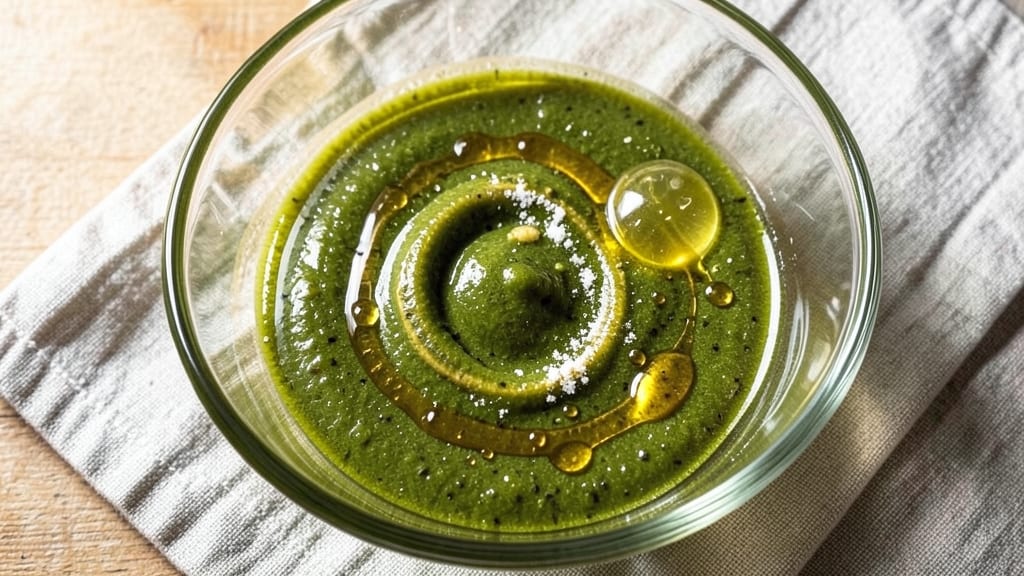
This alkaline salad dressing recipe transforms your greens into a gut-friendly powerhouse while maintaining vibrant flavor and creamy texture.
The secret lies in balancing traditional ingredients like olive oil and citrus with alkaline enhancers—think baking soda, mineral-rich water, and apple cider vinegar—to create a dressing that not only tastes incredible but actively supports pH balance.
I developed this formula after years of experimenting with plant-based dressings that could deliver both bold flavor and functional health benefits without compromising on taste.
The dressing achieves its signature stability through a simple emulsification technique that keeps ingredients perfectly blended, even after storage. Olive oil provides healthy fats, while lemon juice and apple cider vinegar contribute acidity that's gently balanced by the alkaline components.
Fresh garlic, Dijon mustard, and herbs like dill or parsley add depth, ensuring every bite is packed with flavor while supporting digestion. What makes this recipe truly special is how it maintains its integrity—no separation, no clumping—so you can drizzle it confidently over salads, grain bowls, or roasted vegetables.
What you'll end up with is a dressing that's as nourishing as it is delicious, with a bright, tangy profile that enhances rather than overpowers your greens. The alkaline ingredients not only elevate the flavor but also contribute essential minerals that promote gut health and overall wellness.
This isn't just another vinaigrette—it's a functional food that transforms your meals into opportunities for better digestion and balanced pH levels. The best part? It keeps beautifully in the fridge for up to two weeks, making it a staple for health-conscious cooks.
Whether you're prepping meals for the week or simply looking to elevate your salads, this dressing delivers restaurant-quality results with minimal effort. The emulsification process is foolproof, and the ingredient ratios are designed to be flexible—adjust to your taste while maintaining the alkaline benefits.
Here's how to make it, step by step, for a dressing that's as good for you as it is for your taste buds.
Ingredients for alkaline salad dressing
Nine ingredients blend science with flavor for a dressing that nourishes as it satisfies.
| Ingredient | Amount | Notes |
|---|---|---|
| Extra-Virgin Olive Oil 🫒 | ¾ cup | Cold-pressed for maximum alkalinity |
| Fresh Lemon Juice 🍋 | ⅓ cup | Freshly squeezed, no pulp |
| Raw Apple Cider Vinegar 🍎 | ¼ cup | Unfiltered for probiotic benefits |
| Mineral-Rich Water 💧 | ¼ cup | Alkaline spring water preferred |
| Food-Grade Baking Soda 🧂 | ½ tsp | Pure, unscented, fine grain |
| Dijon Mustard 🍯 | 1 tbsp | High-quality, no additives |
| Garlic Cloves 🧄 | 3 cloves | Fresh, minced for potency |
| Fresh Dill 🌿 | ¼ cup | Chopped, stems removed |
| Organic Honey Substitute 🍯 | 1 tbsp | Maple syrup or agave nectar |
| Sea Salt 🧂 | ½ tsp | Fine grain, unrefined |
The olive oil is non-negotiable—cold-pressed extra-virgin with a peppery finish elevates everything. For the mineral water, Evian or Essentia brands are ideal, but any high-mineral spring water works. The baking soda might seem odd, but it's key for that alkaline kick—Bob's Red Mill brand is my go-to for purity. Fresh garlic and dill are best, but if you're using dried, cut the amount to one-third and add a pinch of citric acid to mimic freshness. The Dijon mustard adds depth without overpowering, so don't skip it—Maille is my favorite, but any good-quality brand does the trick.
No maple syrup? Agave nectar or date syrup works just as well for sweetness. Short on dill? Fresh parsley or basil can substitute at the same amount, though the flavor will shift slightly. The lemon juice can be swapped for lime juice if you prefer a tangier profile, but lemon's bright acidity balances the alkalinity perfectly. For a more robust flavor, add a pinch of turmeric—it's alkaline and adds a golden hue. If you're sensitive to baking soda's aftertaste, reduce it to 0.25 tsp and increase the mineral water by 0.125 cup to maintain balance.
This dressing thrives in the fridge—store it in a glass jar with a tight seal for up to two weeks. Before each use, give it a good shake to re-emulsify. For longer storage, divide into ice cube trays, freeze, and transfer to a bag—perfect for portion control. The flavors actually improve after 24 hours as the ingredients meld. If it separates, just whisk vigorously or blend briefly to restore that silky texture. A little goes a long way, so start with 1 tbsp per salad and adjust to taste.
Why You'll Love This Recipe
- Here’s what sold me: that sharp, zesty kick from fresh lemon and raw apple cider vinegar, balanced by the creamy richness of extra-virgin olive oil. The baking soda? It’s subtle—just enough to mellow the acidity without killing the flavor. (Yes, even on a Tuesday night, this dressing makes my greens taste like a restaurant salad.)
- I’ll be real: this dressing costs me pennies to make. A little baking soda and mineral water stretch my olive oil and citrus further than any store-bought version. Plus, I buy vinegar and lemons in bulk, so my grocery bill stays low. Solid move for anyone watching their wallet—or their waistline.
Step-by-step instructions for alkaline salad dressing
This dressing balances pH while delivering vibrant flavor—simple steps for perfect texture and alkalizing benefits.
Whisk Together the Base Ingredients
In a medium bowl, combine the 0.75 cup extra-virgin olive oil with the 0.33 cup fresh lemon juice. Whisk vigorously for 30 seconds until the mixture begins to emulsify slightly. The olive oil should start to break into tiny droplets, creating a creamy base. This step is crucial—the olive oil's healthy fats help stabilize the dressing's alkalinity while adding richness.
Next, add the 0.25 cup raw apple cider vinegar and 0.25 cup mineral-rich water. Continue whisking for another 30 seconds until everything is fully incorporated. The vinegar introduces probiotic benefits, while the mineral-rich water helps maintain the dressing's pH balance. At this point, you'll notice the mixture lighten in color and become slightly more fluid, preparing it for the next flavor layers.
Incorporate the Alkalizing Agent and Seasonings
In a separate small bowl, dissolve the 0.5 teaspoon food-grade baking soda into 1 tablespoon of the mineral-rich water. This creates an alkaline solution that will gently raise the pH of your dressing. Stir until the baking soda is completely dissolved—you should see small bubbles forming, indicating the chemical reaction has begun.
Add this baking soda solution to your dressing bowl along with the 1 tablespoon Dijon mustard, 3 minced garlic cloves, and 0.5 teaspoon sea salt. Whisk continuously for 1 minute until fully combined. The Dijon mustard adds depth, while the garlic and salt enhance flavor without altering the dressing's alkalinity. The mixture should now have a smooth, slightly tangy consistency with a subtle effervescence from the baking soda.
Add Sweetness and Fresh Herbs
Pour in the 1 tablespoon organic honey substitute and whisk for 20 seconds until completely dissolved. This step balances the dressing's acidity with natural sweetness. The honey substitute (like maple syrup or agave) provides alkalizing properties while complementing the dressing's complex flavor profile.
Finally, fold in the 0.25 cup chopped fresh dill using a spatula. Unlike whisking, folding prevents the delicate herb leaves from breaking down. Give the dressing one final taste and adjust seasoning if needed—you may want to add a pinch more salt or a splash of lemon juice to achieve perfect balance. The dill adds a bright, fresh note that pairs beautifully with the dressing's alkaline properties.
Let It Rest and Emulsify
Transfer the dressing to a clean jar with an airtight lid. Let it sit at room temperature for 10-15 minutes before using. This resting period allows the ingredients to fully meld and the dressing to reach its optimal consistency. You'll notice the texture becomes smoother and more cohesive, with the olive oil and other components fully emulsified.
Give the dressing one final shake before using. The gentle alkalizing properties from the baking soda and mineral-rich water will help preserve the dressing in the refrigerator for up to 1 week. This dressing works beautifully with leafy greens, grilled vegetables, or protein-rich salads—its balanced pH makes it particularly gut-friendly while delivering vibrant flavor.
Pro Tips For Making Alkaline Salad Dressing
- Whisk in Stages: Start by mixing the olive oil and lemon juice first—this emulsifies the fats before the baking soda hits. Then add vinegar and mineral water, then slowly sprinkle in the baking soda while whisking like you’re trying to win an egg race. Stop when it thickens but isn’t gluey, or you’ll regret it later.
- Use Cold Vinegar: Chill your apple cider vinegar in the fridge for 10 minutes before mixing—it reacts more predictably with the baking soda. I learned this the hard way when my first batch curdled into a weird, lumpy mess. Trust me, a little patience here saves cleanup time.
- Measure Baking Soda Precisely: A ¼ teaspoon is your max—any more and you’ll end up with a dressing that tastes like soap. Use a tiny spoon and level it off, or grab a digital scale for accuracy. This isn’t the time to eyeball it.
- Shake Before Mixing: Give your mineral-rich water a good shake if it’s cloudy—sediment can make your dressing gritty. Also, strain the lemon juice if you’re using a pulp-heavy variety, or you’ll get a textured mess. A fine-mesh sieve works best.
Essential equipment for great alkaline salad dressing
Emulsification Tools
For this dressing, a whisk with fine wires is my go-to tool—it creates tiny oil droplets that stabilize the emulsion beautifully. I recommend the OXO Good Grips Whisk for its durability and control.
If you prefer a handheld option, a mini immersion blender (like the Magic Bullet Mini) works wonders for achieving a silky texture without overworking the ingredients. 💫
Storage Containers
Store your dressing in a glass jar with an airtight lid—I love the Le Parfait 16-ounce jars for their seal and easy pouring. Glass preserves flavor better than plastic and won’t absorb odors.
For portion control, divide into small glass bottles (like Glasslock containers) and keep them in the fridge. These containers are dishwasher-safe and perfect for travel.
Measuring Essentials
Precision matters for balancing alkalinity and flavor. Use a stainless steel measuring cup set (like KitchenAid) for accurate liquid measurements. A microplane for garlic and herbs ensures fine texture without overpowering the dressing.
For the baking soda, a small digital scale (like the OXO Good Grips) guarantees you use exactly 0.5 teaspoon—too much can make the dressing taste soapy.
Shaking Tools
Before each use, shake the dressing to re-emulsify. A glass jar with a tight-fitting lid (like Ball Mason jars) works best, but if you prefer a bottle, a squeeze-top bottle (such as Glasslock’s 8-ounce version) makes it easy to drizzle directly over salads.
The key is to shake vigorously for 10-15 seconds to restore that creamy consistency.
Optional Add-Ins
For extra convenience, keep a small mortar and pestle (like Kuhn Rikon) handy to crush fresh herbs or garlic on the spot. If you’re experimenting with variations, a fine-mesh strainer helps remove pulp from citrus juices. These tools aren’t essential but elevate the dressing’s freshness and customization potential.
Nutrition facts
Frequently asked questions
Why does this dressing use baking soda?
The 0.5 teaspoon baking soda acts as an alkaline agent that gently raises the dressing's pH level, promoting gut health and mineral absorption when consumed. It also creates a subtle effervescence that helps stabilize the emulsion, preventing separation. The amount is carefully measured to avoid any soapy aftertaste while delivering functional benefits.
Can I make this dressing without baking soda?
Yes, but you'll miss the alkaline benefits. Replace the baking soda with 1 tablespoon mineral-rich water and 0.25 teaspoon citric acid to maintain balance. The dressing will still emulsify well, though the pH-boosting effects will be reduced. For maximum alkalinity, stick with the original recipe.
How do I prevent the dressing from separating?
Always whisk vigorously for at least 1 minute during assembly, then let it rest for 10-15 minutes before storing. Use a glass jar with an airtight lid and shake well before each use. If separation occurs, blend briefly with an immersion blender to restore the emulsion. The baking soda and Dijon mustard work together to maintain stability.
What's the best way to store leftover dressing?
Keep in a glass jar in the fridge for up to 2 weeks. The alkaline ingredients actually help preserve freshness longer than traditional dressings. For extended storage, freeze in ice cube trays, then transfer to a bag. Thaw overnight in the fridge and shake before using to restore texture.
Can I use this dressing on cooked proteins like chicken?
The balanced pH and bright flavors make it perfect for grilled chicken, fish, or tofu. The alkaline properties help tenderize proteins while adding a vibrant finish. Drizzle over warm dishes within 10 minutes of cooking for best results—this prevents the dressing from becoming watery from heat.