Salads
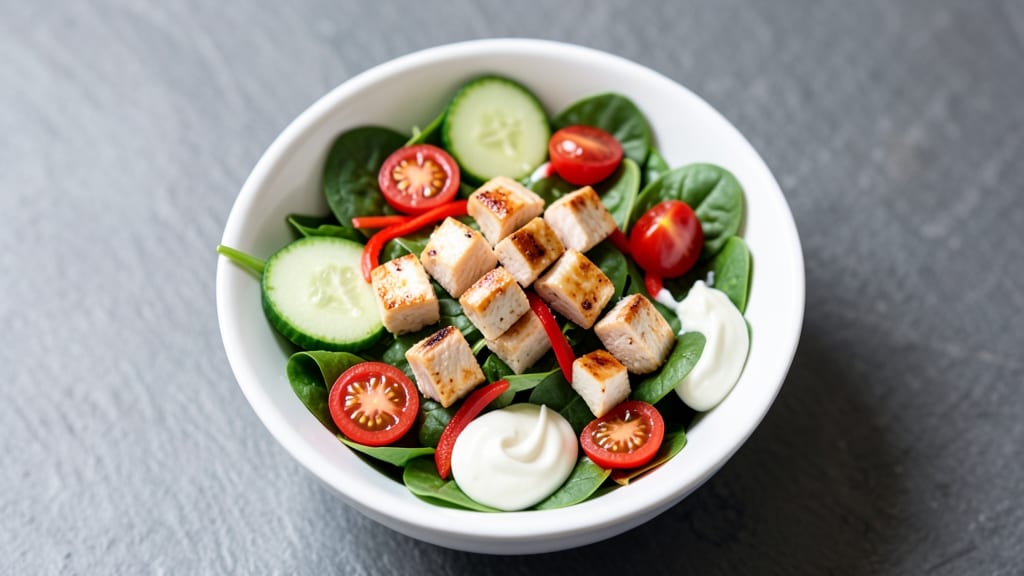
A 200-calorie salad that doesn’t skimp on flavor or nutrition is exactly what you need for guilt-free lunches. This protein-packed recipe delivers satisfying crunch and balanced nutrition without compromise—perfect for weight management or mindful eating.
The secret lies in high-volume ingredients like leafy greens and hydrating veggies, paired with lean protein to keep you full.
What sets this salad apart is its calorie-conscious assembly: portion-controlled ingredients, minimal dressing, and smart swaps (like Greek yogurt for mayo) ensure every bite stays light yet flavorful.
Ready in just 10 minutes, it’s ideal for meal prep or a quick lunch. The best part? You won’t sacrifice texture or taste—just pure, satisfying nutrition.
With 15 grams of protein per serving, this salad keeps you energized while staying under 200 calories. The mix of crisp vegetables, lean protein, and a tangy dressing creates a satisfying crunch without heaviness.
Whether you’re watching calories or simply seeking a lighter meal, this recipe delivers restaurant-quality results at home.
Customize it with your favorite veggies or proteins—just adjust portions to maintain the calorie target. Here’s how to assemble it perfectly every time.
Ingredients for 200 calorie salad
Light, protein-rich ingredients that pack flavor without the calories—perfect for guilt-free lunches.
| Ingredient | Amount | Notes |
|---|---|---|
| Baby Spinach 🌿 | 3 cups | Packed, fresh for crunch |
| Chicken Breast 🍗 | 4 oz | Cooked, diced, boneless |
| Cherry Tomatoes 🍅 | ½ cup | Halved, vine-ripened preferred |
| Cucumber 🥒 | ½ cup | Seedless, thinly sliced |
| Red Bell Pepper 🌶️ | ¼ cup | Diced, fresh for crunch |
| Plain Nonfat Greek Yogurt 🥛 | 2 tbsp | For dressing base |
| Extra-Virgin Olive Oil 🫒 | 1 tsp | For dressing richness |
| Lemon Juice 🍋 | 1 tsp | Freshly squeezed |
| Dried Dill 🌿 | ½ tsp | Or 1 tsp fresh chopped |
| Diamond Crystal Kosher Salt 🧂 | ¼ tsp | For seasoning |
| Black Pepper 🌶️ | ⅛ tsp | Freshly cracked |
| Almond Slices 🥜 | 1 tbsp | Lightly toasted for crunch |
Spinach is the base here—organic baby spinach from the grocery store's refrigerated section stays crisp longer. For protein, Trader Joe's pre-cooked grilled chicken strips save time, but you can also use rotisserie chicken or poach your own. Cherry tomatoes should be firm and bright red—Heinz or Muir Glen brands are reliable for consistent quality. Cucumbers? English cucumbers have fewer seeds and less water, so they hold up better in salads. The red bell pepper adds sweetness and crunch—store-brand is fine, but organic is better if you're concerned about pesticide residue.
No Greek yogurt? Nonfat cottage cheese blended with lemon juice works as a substitute, though the texture will be slightly thicker. Swap almonds for toasted walnuts or pumpkin seeds if you prefer. For extra protein, add 1/4 cup cooked quinoa (about 30 calories per serving). The dressing can be made ahead—store it in a small jar in the fridge for up to 5 days. If you're watching calories even closer, use rice vinegar instead of lemon juice—it's lower in sugar but still tangy. The dressing ratio is key: start with the yogurt, then add olive oil gradually until it reaches your desired consistency.
Prep the dressing first—it's the easiest way to stay on track. Store components separately: greens, veggies, protein, and dressing. When ready to eat, toss everything together. This salad keeps well for 2 days in the fridge if stored in an airtight container, but the cucumber will get soggy faster—add it just before serving. For meal prep, portion the dressing separately and mix when ready to eat. The almonds should be toasted right before adding for maximum crunch—3 minutes in a dry pan at medium heat is perfect. Leftovers? The dressing can be frozen for up to 3 months in an ice cube tray.
Why You'll Love This Recipe
- No-Cook Core: I swear by this trick—just slice the chicken cold from the fridge, halve the cherry tomatoes, and chop the bell pepper while the cucumber sits whole. Ten minutes max, and zero dishes until you’re ready to eat.
- Crunchy Contrast Magic: Spinach so soft it melts, cucumber so crisp it pops, and those juicy tomatoes? The texture play is what makes this salad feel indulgent without a single heavy ingredient. (Yes, even my kids ask for seconds.)
- Lunchbox Hero: Between us, this is my go-to for packed lunches—keeps perfectly for three days in the fridge, and the chicken stays tender. Swap the bell pepper for avocado if you’re feeling fancy, but honestly? The basics are foolproof.
- Budget Protein Power: A single chicken breast feeds me for two lunches, and the veggies? They’re the kind that last. I buy spinach in bulk, chop everything once, and boom—no wasted money or spoiled food. My wallet and my waistline thank me.
Step-by-step instructions for a protein-packed 200-Calorie salad
Here's the straightforward method to assemble this satisfying, nutrient-dense salad that balances protein, crunch, and freshness.
Prepare the Chicken and Vegetable Base
Start by cooking the 4 oz chicken breast to your preferred doneness—grilled, baked, or poached works perfectly. Let it cool completely, then dice into ¼-inch cubes using a sharp knife. The chicken should be cool enough to handle when you're ready to assemble the salad.
While the chicken cools, prepare the remaining vegetables. Halve the 0.5 cup cherry tomatoes by cutting them through the stem end. Thinly slice the 0.5 cup cucumber lengthwise into ⅛-inch rounds, then cut those slices crosswise into ½-inch sticks. Dice the 0.25 cup red bell pepper into ¼-inch cubes. Keep all prepared ingredients separate until ready to combine.
Assemble the Salad Foundation
In a large mixing bowl, gently combine the 3 cups baby spinach with the diced chicken breast, cherry tomatoes, cucumber, and red bell pepper. The spinach should be packed but not overly compressed—this ensures each bite delivers fresh crunch. Use your hands to gently toss the ingredients, being careful not to bruise the vegetables.
Here's the thing—freshness matters most at this stage. If your vegetables are particularly wet (like cucumbers), drain them briefly on paper towels before adding to prevent a soggy salad. The goal is to maintain that satisfying crunch throughout the dish.
Toast the Almond Slices for Extra Crunch
Lightly toast the 1 tbsp almond slices in a dry skillet over medium heat for 1-2 minutes until they're just beginning to turn golden. Watch them closely—they'll toast quickly and can burn easily. Remove from heat immediately when they're fragrant and lightly golden.
Let the almonds cool for 2 minutes before adding them to the salad. This brief cooling period prevents them from releasing their oils prematurely, which could make the salad greasy. The toasted almonds will add a delightful nutty crunch that contrasts beautifully with the fresh vegetables.
Whisk Together the Light Yogurt Dressing
In a small bowl, combine the 2 tbsp plain nonfat Greek yogurt, 1 tsp extra-virgin olive oil, 1 tsp lemon juice, 0.5 tsp dried dill, 0.25 tsp Diamond Crystal kosher salt, and 0.125 tsp black pepper. Whisk vigorously for 30 seconds until the dressing is completely smooth and emulsified.
The yogurt base creates a creamy texture without the heaviness of traditional salad dressings. If the dressing appears too thick, add 1 teaspoon of water to reach your desired consistency. The lemon juice brightens the flavors while the olive oil adds richness—this balance is what makes the dressing work perfectly with the fresh vegetables.
Combine and Serve Immediately
Pour the dressing over the salad and gently toss everything together with a large spoon or your hands. Add the toasted almond slices last and toss just once to distribute them evenly. The salad should be vibrant with colors and textures—crisp vegetables, tender chicken, and crunchy almonds.
Serve immediately while the vegetables are at their peak freshness. If you need to prepare ahead, store the salad components separately in the refrigerator and assemble just before serving. This ensures the spinach stays crisp and the dressing doesn't make the salad soggy. Each serving contains exactly 200 calories while packing in 20g of protein—perfect for a satisfying meal without compromise.
Pro Tips For Making 200 Calorie Salad
- COOK CHICKEN LOW: Use a thermometer—165°F is non-negotiable for safe, juicy chicken. I used to eyeball it and end up with dry strips, especially when cutting against the grain. A quick sear in a hot pan (3-4 minutes per side) locks in flavor before you shred it.
- HALVE THE CUCUMBER: Slice cucumbers lengthwise first, then cut into half-moons—it’s faster and keeps them crisp. Whole slices turn soggy in spinach, and nobody wants mushy cucumbers in a 200-calorie meal. (Yes, even if you’re impatient like me.)
- SALT THE CHICKEN AFTER: Season the chicken after cooking, not before. Salt draws out moisture, and you don’t want dry chicken in a light salad. A pinch of lemon juice or garlic powder after shredding makes all the difference—trust me, I’ve ruined salads this way.
- CHILL THE TOMATOES: Pop cherry tomatoes in the fridge for 10 minutes before slicing—they’ll stay firmer and release less juice. Warm tomatoes turn your salad into a watery mess, and no one’s paying for extra calories from soggy greens. (Your future self will thank you.)
Common mistakes when making your 200 calorie salad
Overloading Dressing
One of the biggest mistakes is drowning your salad in dressing—even light yogurt-based ones. I’ve caught myself pouring too much, thinking "more flavor equals better." But 1-2 teaspoons of dressing per serving is plenty for this recipe. Start with 1 tsp per serving and taste as you go.
The yogurt base is creamy enough that a little goes a long way, and overdoing it turns your 200-calorie salad into a 300-calorie one in seconds. 🥗
Skipping Protein Prep
Using pre-cooked chicken is convenient, but if you’re cooking your own, undercooking or overcooking the chicken can ruin the texture. The ideal internal temperature is 165°F, and letting it rest for 5 minutes after cooking ensures juiciness.
Dice it into ¼-inch cubes—any larger, and it feels heavy; any smaller, and it turns to mush when tossed. I’ve learned the hard way that room-temperature chicken mixes better into salads than warm or cold.
Wet Vegetables
Cucumbers and tomatoes release water, which turns crisp spinach into a soggy mess. Always pat them dry with paper towels before adding to the salad. For extra insurance, let them sit in a colander for 5 minutes after cutting.
I once made this salad with un-drained cucumbers, and by lunchtime, it was a sad, watery pile. A quick drain makes all the difference for that satisfying crunch. 💧
Uneven Tossing
Tossing salad ingredients separately instead of all at once leads to uneven distribution. Combine everything in one bowl and toss gently but thoroughly—this ensures every bite has greens, protein, and veggies. I’ve seen salads where the dressing pools at the bottom or the almonds clump together.
The key is to use a large spoon or your hands to fold everything together just until mixed, preserving the texture of each ingredient.
Ignoring Portion Control
It’s easy to eyeball ingredients and end up with a 300-calorie salad instead of a 200-calorie one. Weigh your chicken (4 oz per serving) and measure your veggies precisely. For example, 3 cups spinach might seem like a lot, but it’s only 10 calories per cup.
Use a kitchen scale for protein and measuring cups for veggies—trust me, it’s worth the effort to stay on track. Every extra tablespoon of almonds or olive oil adds up fast.
Storing Improperly
Leaving the salad assembled in the fridge for more than 2 hours kills the crunch. Store components separately in airtight containers: greens, protein, veggies, and dressing. Assemble just before eating to keep everything fresh. I’ve ruined salads by storing them pre-dressed—the dressing makes the spinach limp and the cucumbers mushy.
If you’re prepping ahead, keep the dressing in a small jar and mix it in right before serving. ❄️
Nutrition facts
Frequently asked questions
Can I make this salad vegan?
Swap the chicken for 1/2 cup cooked chickpeas (about 70 calories) or 1/4 cup crumbled tofu (about 50 calories). Use 1 tbsp nutritional yeast for a cheesy flavor in the dressing. The total will still stay under 200 calories while keeping it protein-rich.
How do I keep the salad fresh for meal prep?
Store components separately in airtight containers: greens, protein, veggies, and dressing. Assemble only when ready to eat—this keeps the spinach crisp for up to 2 days. For longer storage, freeze the dressing in ice cube trays and add it fresh when serving. The cucumber will soften fastest, so add it last.
What if I want more calories but still want to stay light?
Add 1/4 cup avocado slices (about 60 calories) or 1 tbsp pumpkin seeds (about 50 calories) to boost calories while keeping it nutritious. For protein, add 1/4 cup cooked quinoa (about 55 calories). Adjust other ingredients slightly to maintain balance—like reducing almonds by 1 tsp.
Why does my salad get soggy even with dry veggies?
Dressing is the culprit! Even light yogurt-based dressings contain moisture. Always add dressing last and toss gently—just until everything is coated. For extra insurance, use a salad spinner for greens and pat all veggies completely dry before assembling. The key is timing: assemble and eat within 15 minutes of dressing.
Can I use other greens besides spinach?
Yes! Try mixed greens, arugula, or romaine—they all work well. For a peppery kick, use 1 cup baby kale (massage with lemon juice first). Just adjust the volume: lighter greens like romaine can use 4 cups while denser greens like kale should be 2 cups max to maintain the 200-calorie target.