Salads
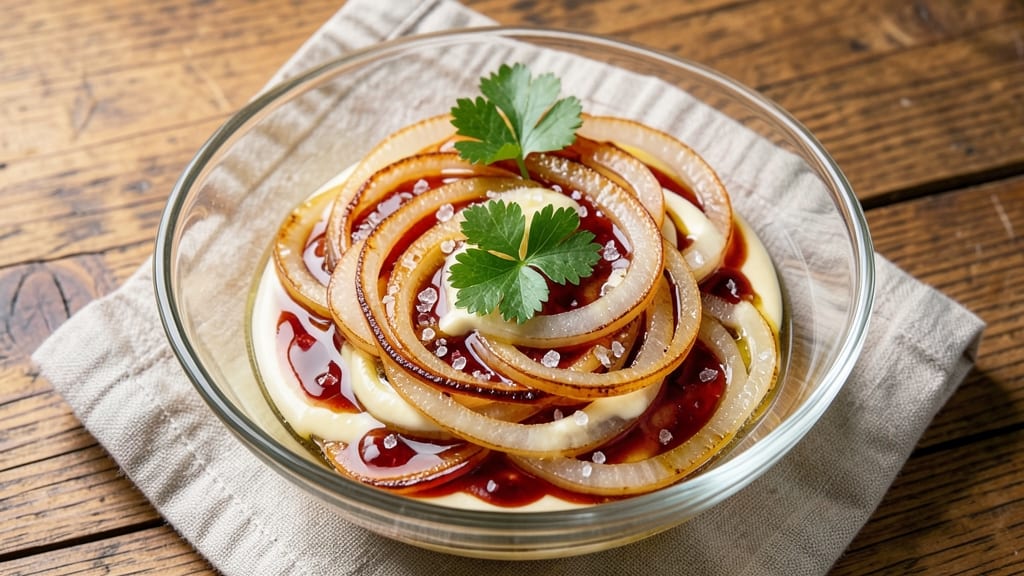
This sweet onion vinaigrette salad dressing transforms simple greens into a vibrant, tangy masterpiece without a single drop of mayo. The secret lies in caramelized sweet onions that add natural sweetness while balancing sharp vinegar and robust olive oil—perfect for elevating any salad in minutes.
I developed this recipe after realizing store-bought dressings never quite hit the mark, and it’s become my go-to for everything from crisp romaine to hearty grain bowls.
The beauty of this dressing is its simplicity: just six ingredients combine to create a bright, balanced flavor that stays fresh for up to a week in the fridge. The onions caramelize gently in a light pan, deepening their sweetness without burning, while Dijon mustard adds a subtle kick.
Olive oil and red wine vinegar create that classic vinaigrette tang, but the sweet onion base makes it uniquely addictive.
What sets this apart is how it enhances every bite—crunchy vegetables stay crisp, proteins shine, and even bland greens transform into a flavorful experience. The dressing clings beautifully to mixed greens, roasted veggies, or grilled chicken, making it versatile for any meal.
No blenders or fancy techniques required; just whisk and taste as you go.
For best results, let the dressing sit for 10 minutes before serving—this allows the flavors to meld perfectly. Double the batch and store in a sealed jar; it keeps its bright zing for up to a week, ready to elevate your salads whenever inspiration strikes.
The tangy-sweet balance is impossible to resist, and once you try it, you’ll never go back to store-bought again.
Ingredients for sweet onion vinaigrette salad dressing
Six simple ingredients transform into a tangy, caramelized dressing that makes salads irresistible.
| Ingredient | Amount | Notes |
|---|---|---|
| Sweet Onions 🧅 | 1 ½ lb | Yellow or Vidalia, thinly sliced |
| Extra-Virgin Olive Oil 🫒 | ¾ cup | High quality, fruity flavor |
| Red Wine Vinegar 🍷 | ⅓ cup | Dry, not sweet variety |
| Dijon Mustard 🍯 | 1 tbsp | Mild or hot preferred |
| Granulated Sugar 🍚 | 1 tbsp | White or brown sugar |
| Kosher Salt 🧂 | ½ tsp | Diamond Crystal preferred |
| Black Pepper 🌶️ | ¼ tsp | Freshly ground preferred |
The sweet onions are the star—Vidalia or yellow onions caramelize beautifully, adding natural sweetness that balances the tang. I grab mine from the produce section at Whole Foods when they're in season, but any grocery store's sweet onion works. Look for firm, vibrant onions with no soft spots. Thinly slice them (a mandoline makes this easy) and cook them low and slow until golden—don't rush this step. The deeper the caramelization, the richer the flavor. For a shortcut, use pre-sliced onions, but you'll miss that perfect texture.
No red wine vinegar? Apple cider vinegar or balsamic vinegar works in a pinch, though the flavor will be slightly different. Substituting Dijon mustard? Yellow mustard at double the amount gives similar tang, but you'll lose that subtle depth. Running out of sugar? Honey or maple syrup adds moisture, but adjust to taste since they're sweeter. The olive oil matters here—avoid the cheap stuff. A good extra-virgin oil (like California Gold or Bertolli) makes all the difference. If you're sensitive to heat, skip the black pepper or use white pepper instead.
This dressing keeps beautifully—up to 1 week in the fridge in a sealed jar. The flavors actually improve as it sits, so make extra. I usually double the batch and store it in two small jars: one for salads and one for quick marinades. If it thickens, just whisk in a splash of water. The caramelized onions add great texture, so I sometimes keep a small jar of just the onions on hand for topping burgers or hot dogs. Freezes well too if you're planning ahead—3 months in the freezer, though the texture changes slightly when thawed.
Why You'll Love This Recipe
- Five-Ingredient Magic: I swear, this is the kind of dressing where you measure, whisk, and boom—flavor explosion. No fancy techniques, just sweet onions caramelized in vinegar, mustard for that tangy kick, and olive oil to tie it all together. Even my "I-can't-cook" friends nail it.
- Sweet Heat Balance: That caramelized onion depth? It’s like a hug for your taste buds. The sugar softens the sharpness of the vinegar while the Dijon mustard adds this just-right bite—smooth enough for a summer salad but bold enough to stand up to grilled chicken or crusty bread.
- Weeknight Workhorse: I keep a jar in my fridge for everything—tossed with greens, drizzled over roasted veggies, or even as a marinade for steak. Honestly, it’s my go-to when I’m too tired for fancy dressings but still want something that feels special. (Yes, even on a Tuesday night.)
- Dollar Stretch Wonder: Sweet onions are cheap, vinegar lasts forever, and you only need a splash of olive oil. A little goes a long way, so this recipe stretches into three or four meals without breaking the bank. Plus, the leftovers? They actually improve overnight—like a secret flavor upgrade.
Step-by-step instructions for sweet onion vinaigrette salad dressing
Here's how to make this bright, tangy dressing that brings sweetness and depth to any salad.
Thinly Slice the Sweet Onions
Start by peeling and cutting the 1.5 lb sweet onions into quarters, then slice each quarter into paper-thin rings. I like to use a sharp chef's knife and rock the blade gently for even slices—aim for about ⅛-inch thickness. The thinner the slices, the more they'll soften and release their natural sweetness into the dressing.
Place the sliced onions in a medium bowl and sprinkle with ½ teaspoon kosher salt. Let them sit for 10 minutes while you prepare the rest. This salting step draws out moisture and helps prevent the dressing from becoming watery later. You'll see the onions start to soften and release their juices—this is exactly what we want.
Whisk Together the Base Ingredients
In a separate bowl, combine the 0.33 cup red wine vinegar, 1 tablespoon Dijon mustard, and 1 tablespoon granulated sugar. Whisk vigorously for about 30 seconds until the sugar fully dissolves and the mixture becomes smooth. The sugar will help balance the acidity of the vinegar while adding just enough sweetness to complement the onions.
Here's the thing—don't rush this step. The sugar needs time to fully integrate, and the mustard should be completely incorporated. If you see any graininess, keep whisking until everything blends smoothly. This base forms the flavor foundation of your dressing, so take your time getting it right.
Gradually Add the Olive Oil
With the whisk still in the bowl, very slowly drizzle in the 0.75 cup extra-virgin olive oil while continuing to whisk. Start with just a few drops at first, then gradually increase the flow as the mixture begins to emulsify. This slow addition prevents the dressing from separating—you want a smooth, creamy texture, not a split between oil and vinegar.
Keep whisking for about 2-3 minutes after all the oil is incorporated. You'll notice the dressing thicken slightly and become glossy. If it starts to look too thick, add 1-2 teaspoons of water to loosen it up. The consistency should be like heavy cream—thick enough to coat the back of a spoon but still pourable.
Fold in the Onions and Season
Drain any excess liquid from the onions using a fine-mesh strainer or paper towels—you want to keep the dressing from becoming watery. Then, gently fold the onions into the dressing using a rubber spatula. Be careful not to overmix; just combine everything until the onions are evenly distributed throughout.
Taste the dressing and adjust the seasoning if needed. Add a pinch more kosher salt if it needs more depth, or a splash more red wine vinegar if it tastes too mild. Finish with a generous crack of ¼ teaspoon black pepper—this adds a nice contrast to the sweetness and acidity. The dressing should be bright, tangy, and perfectly balanced.
Rest and Store Properly
Transfer the dressing to a clean jar with a tight-fitting lid. Let it sit at room temperature for at least 30 minutes before using. This resting time allows all the flavors to meld together beautifully. The onions will continue to soften slightly, and the dressing will develop a more cohesive taste.
Store any unused dressing in the refrigerator for up to 1 week. Before each use, give it a good stir—especially if the onions have settled at the bottom. This dressing works beautifully on mixed greens, grain bowls, or even as a marinade for grilled vegetables. The sweetness of the onions pairs wonderfully with the tangy vinegar, creating a dressing that's truly special.
Pro Tips For Making Sweet Onion Vinaigrette Salad Dressing
- Cook Onions Low: Sweet onions caramelize best at 275°F (135°C)—not high heat. I learned this the hard way when mine burned in 10 minutes instead of developing that deep, jammy sweetness in 20. Use a heavy pan, stir occasionally, and resist the urge to rush.
- Whisk Mustard First: Mix the Dijon mustard with vinegar and sugar before adding oil—this emulsifies the dressing right from the start. I used to just dump everything in, and the dressing always broke. A quick 30-second whisk here saves you from shaking the bottle later.
- Don’t Skimp on Oil: Use at least ¼ cup extra-virgin olive oil per 2 tablespoons vinegar—less makes the dressing clingy and dull. I was cheap once and ended up with a watery mess. Trust me, the richness is worth the extra splash.
- Strain for Smoothness: After cooking the onions, strain them through a fine-mesh sieve to remove strings and grit—it’s tedious, but the texture is night and day. I skipped this once and got a gritty bite that ruined the whole dish. (Yes, even if you’re impatient like me.)
Dietary considerations for this dish
Gluten-Free Friendly
This dressing is naturally gluten-free since it relies on simple ingredients like olive oil, vinegar, and mustard—just ensure your mustard is certified gluten-free (most Dijon brands are). I always double-check labels when using store-bought Dijon, as some brands may process in shared facilities.
The sweet onions and other ingredients are inherently gluten-free, so you can enjoy this dressing worry-free on salads, grain bowls, or as a marinade. 🌱
Low-Sugar Adaptation
If you're watching sugar intake, reduce the granulated sugar to ½ tablespoon or swap it for ½ tablespoon honey, which adds subtle floral notes. The caramelized onions already provide natural sweetness, so you may not need sugar at all—taste as you go!
For a completely sugar-free version, omit it entirely and rely on the onions' inherent sweetness after caramelizing them longer (about 15-20 minutes on low heat).
Dairy-Free & Vegan
This recipe is already 100% dairy-free and vegan, making it perfect for plant-based diets. The olive oil, vinegar, and mustard are all vegan staples, and the sweet onions provide a hearty texture without any animal products.
I’ve used this dressing as a marinade for tofu and grilled vegetables without any issues—just ensure your mustard is vegan-friendly (most Dijon mustards are).
Allergen Considerations
For those with mustard allergies, skip the Dijon and replace it with 1 teaspoon maple syrup or 1 teaspoon agave nectar to help emulsify the dressing. The texture will be slightly thinner, but it’ll still coat your salad beautifully.
If you’re avoiding onions due to allergies, swap them for finely diced celery or roasted red peppers (about ½ cup) for a similar sweet, savory depth. Always check ingredient labels for cross-contamination warnings.
Low-Fat Option
To reduce fat content, replace half of the olive oil with ½ cup unsweetened almond milk or apple cider vinegar. The dressing will be lighter but still tangy and flavorful.
I’ve found this works well for drizzling over soups or using as a light dressing for delicate greens like arugula. Keep in mind the texture will be slightly thinner, so adjust other ingredients to taste—add a pinch more salt or a splash of vinegar if needed. 💡
Nutrition facts
Frequently asked questions
Can I make this dressing without caramelizing the onions?
You can absolutely skip caramelizing, but you'll lose that rich, sweet depth! Use ½ cup finely chopped raw sweet onions instead of caramelized, and increase the sugar to 2 tablespoons to compensate. The flavor will still be bright and tangy, just with less complexity. For best results, let the raw onions sit in the dressing for 10 minutes before serving to soften slightly.
How much dressing should I use per salad?
Start with 1-2 tablespoons per serving for a light coating on greens, and increase to 2-3 tablespoons for heartier salads with grains or proteins. The dressing clings beautifully, so less is often more—taste as you go! For grain bowls, drizzle generously (about ¼ cup per bowl) to create a flavorful base. Store leftovers in the fridge for up to 1 week.
Why did my dressing separate?
Separation usually happens when oil and vinegar aren't properly emulsified. To fix it, whisk vigorously for 1-2 minutes with a splash of warm water (about 1 teaspoon). For prevention, always add oil slowly while whisking continuously. If it happens again, try using 1 teaspoon honey instead of sugar—it helps bind the mixture better. Store in a sealed jar to maintain consistency.
Can I use this dressing as a marinade?
Yes! This dressing makes an excellent marinade for chicken, fish, or tofu. Use ½ cup dressing per pound of protein and marinate for 30 minutes to 2 hours (no longer for fish). The sweet onions add incredible flavor to grilled items. For extra tenderness, add 1 tablespoon soy sauce to the marinade. Always discard used marinade to avoid cross-contamination.