
Salads
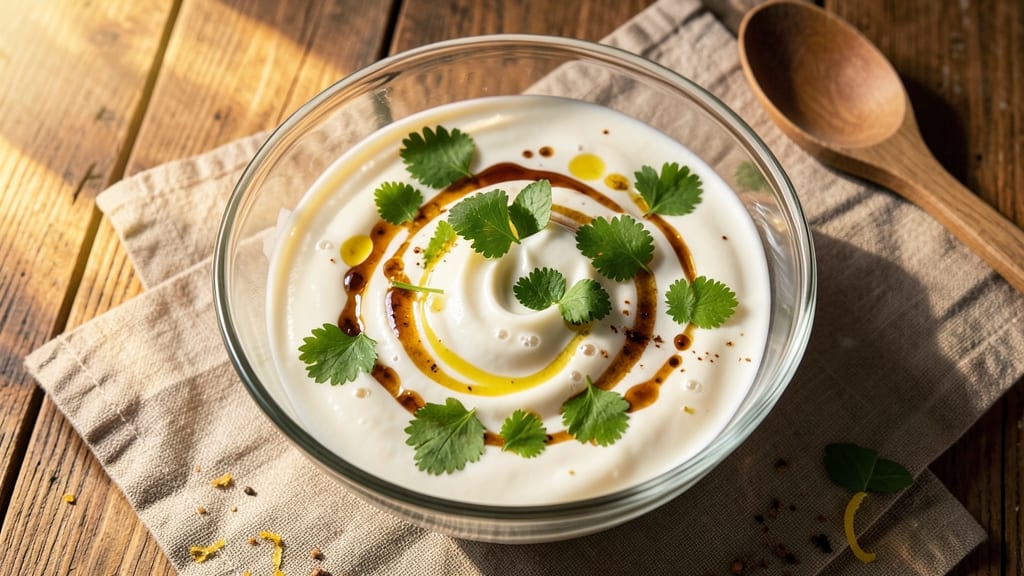
This coconut salad dressing recipe transforms simple greens into a vibrant, tropical experience without a single drop of mayo. The secret lies in blending coconut milk with citrus and herbs to create a naturally emulsified dressing that's rich, creamy, and packed with island-inspired flavor. I developed this after craving something lighter than traditional creamy dressings but still satisfyingly velvety.
The magic happens when coconut milk's natural fats combine with lemon juice and a touch of maple syrup, creating a dressing that clings beautifully to lettuce, grains, or roasted vegetables.
Unlike store-bought versions, this one stays fresh for up to a week in the fridge and delivers that authentic coconut aroma that transports you to a beachside café. The texture is perfectly balanced—creamy enough to coat but light enough to let the ingredients shine.
What makes this dressing truly special is its versatility. Drizzle it over fresh spring salads for a bright contrast, toss it with quinoa bowls for added richness, or use it as a marinade for grilled shrimp.
The citrus notes cut through coconut's sweetness, while fresh herbs add freshness that keeps the flavor profile complex. Each batch yields about 1 cup, perfect for 4-6 servings.
Best of all, this dressing comes together in just 5 minutes with basic pantry staples. No special equipment is needed—just a blender or whisk—and the ingredients are likely already in your kitchen.
Once you try this tropical creation, your salad game will never be the same again. Let's make this dressing!
Ingredients for coconut salad dressing
Pantry staples meet tropical flavors in this creamy, vibrant coconut dressing.
| Ingredient | Amount | Notes |
|---|---|---|
| Full-Fat Coconut Milk 🥥 | ½ cup | Canned, well-shaken before use |
| Fresh Lemon Juice 🍋 | ¼ cup | Freshly squeezed, no pulp |
| Pure Maple Syrup 🍯 | 1 tbsp | Grade B for depth of flavor |
| Extra-Virgin Olive Oil 🫒 | ¼ cup | Light fruity variety preferred |
| Fresh Cilantro Leaves 🌿 | ¼ cup | Stems removed, loosely packed |
| Fresh Mint Leaves 🌿 | ⅛ cup | Loosely packed, stems removed |
| Garlic Cloves 🧄 | 2 cloves | Peeled and roughly chopped |
| Sea Salt 🧂 | ½ tsp | Fine grain preferred |
| Black Peppercorns 🌶️ | ¼ tsp | Freshly cracked, not ground |
| Filtered Water 💧 | ¼ cup | Room temperature preferred |
The coconut milk is the star here—full-fat canned coconut milk (not the carton kind) gives that authentic creaminess. Grab the Thai Kitchen brand at most grocery stores, or any store-brand canned coconut milk. Look for cans with no additives or preservatives. Fresh herbs are a must for that bright, island vibe—cilantro and mint work perfectly together, but if you're short on one, parsley in a pinch keeps it fresh. The garlic adds depth without overpowering, so don't skip it. For the olive oil, California Avocado Ranch or Kirkland Signature are my go-tos—they're light enough not to overpower the coconut flavor.
No fresh herbs? Dried cilantro or mint at half the amount works in a bind, though it won't be as vibrant. Swap the maple syrup for agave nectar if you prefer, but the maple gives that perfect balance of sweetness and earthiness. Running low on coconut milk? Cashew cream (blend soaked cashews with water) makes a great substitute—just add a splash of coconut extract for that authentic aroma. The dressing thickens when chilled, so if it's too thin right after blending, let it sit for 10 minutes before adjusting with a splash of water or more coconut milk. And if you're worried about the garlic flavor being too strong, roast the garlic cloves first—mild and sweet, no bitterness.
This dressing keeps beautifully—1 week in the fridge in an airtight jar. The flavors actually deepen over time, so it's perfect for making ahead. For longer storage, freeze up to 3 months in ice cube trays—just thaw in the fridge overnight. I like to keep a jar in my fridge at all times for quick salads or as a marinade. If the top layer separates, just give it a good whisk before using. And if you find yourself with leftover coconut milk after making this, blend it with lime juice and chili powder for a quick spicy coconut dip—trust me, it's amazing.
Why You'll Love This Recipe
- Five-Ingredient Magic: I swear by this combo—just coconut milk, lemon, maple syrup, olive oil, and cilantro. No fancy tools, no stress, and no measuring cups that make you question your life choices.
- Bright & Creamy Balance: The maple syrup cuts through the coconut’s richness while the lemon keeps it from feeling heavy. Honestly, it’s the kind of dressing that makes you pause mid-bite and think, “Wait, why haven’t I done this before?”
- Works Everywhere: Drizzle it over grain bowls, toss it with shrimp, or use it as a dip for veggies. I’ve even used it in smoothies when I’m lazy. (Yes, even on a Tuesday night.)
- Leftovers That Last: This dressing keeps in the fridge for weeks—no weird texture changes, no spoilage. Between us, that’s a win for my wallet and my sanity when I forget to make a new batch.
Step-by-step instructions for tropical coconut salad dressing
This creamy, vibrant dressing comes together in minutes with no mayo—just fresh flavors and simple blending.
Blend the Base Ingredients
In a high-speed blender, combine the 0.5 cup full-fat coconut milk, 0.25 cup fresh lemon juice, 1 tablespoon pure maple syrup, 0.25 cup extra-virgin olive oil, and 0.25 cup filtered water. I always shake the coconut milk can well before opening to ensure a smooth texture—this prevents graininess in the final dressing.
Blend on high for 30 seconds until completely smooth. The mixture should look pale and creamy, with no visible separation. If you notice any oil floating on top, pulse briefly to re-emulsify it. This base creates the rich, velvety texture that makes this dressing stand out without mayo.
Add Herbs and Aromatics
Add the 0.25 cup fresh cilantro leaves, 0.125 cup fresh mint leaves, 2 cloves garlic, 0.5 teaspoon sea salt, and 0.25 teaspoon black peppercorns to the blender. I like to use a mix of cilantro and mint for a bright, herbal note that pairs perfectly with tropical flavors. The garlic adds depth without overpowering.
Blend again for 20-30 seconds until the herbs are finely chopped and incorporated. You want the dressing to look uniformly green with no visible herb chunks. If it's too thick, add 1 tablespoon water at a time until it reaches a pourable consistency—it should coat the back of a spoon smoothly.
Taste and Adjust
Transfer the dressing to a bowl and taste immediately. You might find it needs more brightness or sweetness. If it tastes too mild, add another ½ teaspoon lemon juice or ½ teaspoon maple syrup. For extra zing, I sometimes add a pinch of red pepper flakes or a few drops of lime zest.
The dressing should balance sweet, tangy, and herbal notes with a creamy finish. If it separates slightly after blending, simply give it a quick stir before using—this happens occasionally with coconut milk-based dressings, but it doesn't affect flavor or texture.
Chill and Serve
Cover the dressing and refrigerate for at least 30 minutes before serving. This chilling time allows the flavors to meld beautifully and the dressing to thicken slightly, making it perfect for drizzling or tossing. I like to shake it gently before using to redistribute any settled ingredients.
This dressing works wonderfully on tropical salads, grain bowls, or even as a marinade for grilled chicken. The coconut milk adds richness without heaviness, while the herbs and citrus keep it fresh and vibrant. Store any leftovers in an airtight container for up to 5 days—it only gets better as the flavors develop!
Pro Tips For Making Coconut Salad Dressing
- STRAIN THE COCONUT MILK: I learned this the hard way—using canned coconut milk straight from the can leaves a gritty texture that ruins the dressing’s silkiness. Shake the can first, then pour it through a fine-mesh sieve lined with cheesecloth to catch all the sediment. Yes, it takes 30 seconds, but your dressing will taste like it came from a Thai street cart, not a can.
- WHISK IN STAGES: Don’t dump all the lemon juice and maple syrup into the coconut milk at once—you’ll end up with a gloppy, unbalanced mess. Start by whisking in half the lemon juice, then the olive oil, then the syrup. Taste after each addition; this way, you can adjust the tang and sweetness without overcorrecting. (Your first attempt will probably be too sweet—trust me.)
- USE COLD COCONUT MILK: Room-temperature coconut milk turns greasy when mixed with olive oil, no matter how much you whisk. Pop the can in the fridge for 10 minutes before opening, or even better, use the refrigerated carton version. Cold fat emulsifies better, and your dressing will stay creamy instead of separating like a sad vinaigrette.
- CHOP CILANTRO FINE: Big cilantro chunks make the dressing look like it was thrown together in a food processor. Pulse the stems and leaves together in a mini chopper (or finely dice by hand) so they distribute evenly. The stems add depth, but if you skip this, you’ll end up with a dressing that tastes like cilantro and cilantro stems—overkill.
Flavor customization for coconut salad dressing
Citrus Variations
Swap the lemon juice for lime juice to intensify the tropical vibe—it pairs beautifully with mango or papaya salads. For a subtler tang, try orange juice (about 0.2 cup) and add 1 teaspoon grated orange zest for brightness.
I’ve also made a yuzu-infused version using 0.1 cup yuzu juice (or sub with grapefruit juice) for a floral, slightly bitter contrast. 🍋
Herb Swaps
Need a different herbal profile? Swap mint for basil (use 0.1 cup) for a Mediterranean twist, or try thai basil for a licorice note. If cilantro isn’t your thing, use flat-leaf parsley (0.25 cup) or dill (0.2 cup) for a fresh, bright alternative.
For a smoky depth, add 0.5 teaspoon dried oregano to the blend—it works surprisingly well with coconut’s creaminess.
Spicy Kick Options
For heat lovers, add 1 teaspoon sriracha or 0.5 teaspoon chili paste to the blend. For a more nuanced spice, infuse 1 tablespoon fresh ginger or 0.5 teaspoon ground turmeric while blending.
I’ve also experimented with 1 teaspoon toasted cumin seeds (lightly crushed) for a warm, earthy depth. Always taste first—spices can intensify after chilling.
Sweetness Adjustments
Reduce the maple syrup to 0.5 tablespoon if your fruit is naturally sweet (like pineapple or mango). For a caramelized note, swap in 0.5 tablespoon coconut sugar and warm it with 1 tablespoon water before blending.
Honey lovers can use 0.5 tablespoon raw honey (though it’s not vegan). The key is balance—too much sweetness overpowers the citrus and herbs.
Texture Tweaks
For a chunkier texture, lightly pulse the herbs instead of blending them smooth. For extra creaminess, stir in 1 tablespoon tahini or 0.5 tablespoon coconut cream after chilling. If the dressing separates, whisk in 1 teaspoon Dijon mustard to help re-emulsify.
I’ve also thickened it with 1 teaspoon arrowroot powder (mixed with water) for a glossy finish on grain bowls.
Nutrition facts
Frequently asked questions
Can I make this coconut dressing without coconut milk?
Yes! For a lighter version, substitute with 0.5 cup cashew cream (blend soaked cashews with water) or 0.5 cup Greek yogurt (for a non-vegan option). Add ½ teaspoon coconut extract to mimic the aroma. The texture will be slightly thinner but still delicious.
Why did my dressing separate? How do I fix it?
Coconut milk dressings sometimes separate due to natural fat separation. Simply whisk vigorously or blend briefly to re-emulsify. For prevention, chill the dressing for 30 minutes before using—this helps stabilize the texture. A splash of Dijon mustard can also help bind ingredients.
What salads pair best with this dressing?
This tropical dressing shines on mango avocado salads, quinoa bowls, or Asian-inspired slaws with shredded cabbage and carrots. It also works beautifully drizzled over grilled shrimp or as a marinade for tofu. The citrus notes cut through rich ingredients perfectly.
How do I make it spicier?
Add 1 teaspoon sriracha or ½ teaspoon chili paste while blending. For smoky heat, try ½ teaspoon smoked paprika or a pinch of cayenne. Always taste first—spices intensify when chilled. A dash of lime zest can also brighten the heat.
Can I use this dressing as a marinade?
This dressing makes an excellent marinade for chicken, shrimp, or tofu. Let proteins marinate for 30 minutes (chicken) or 15 minutes (seafood) before cooking. The coconut and citrus create tender, flavorful results. For extra tenderness, add 1 tablespoon apple cider vinegar to the marinade.