
Salads
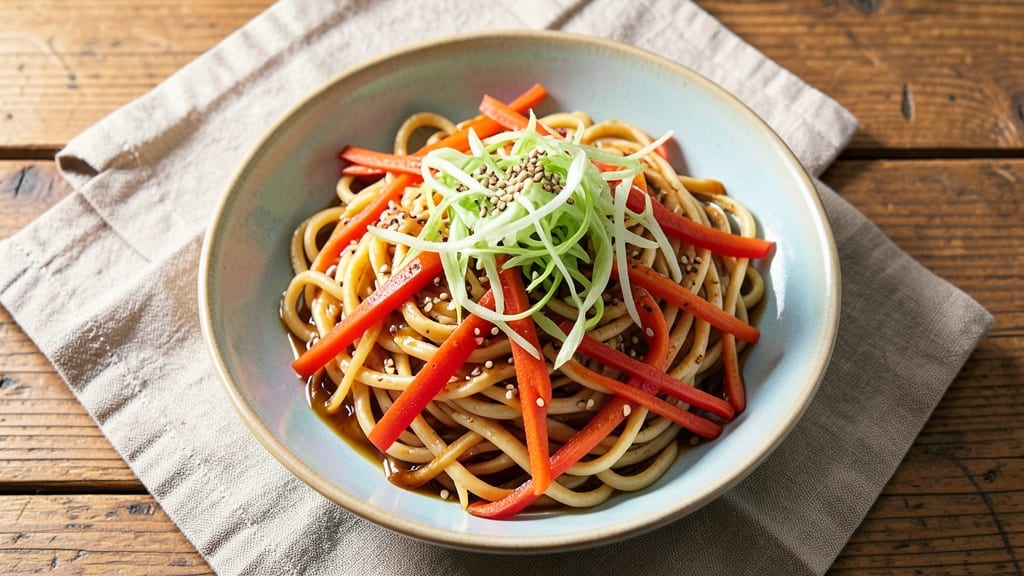
This chow mein noodle salad recipe delivers the perfect balance of crispy wok-tossed noodles and tangy sesame dressing in every bite. The secret lies in high-heat stir-frying the noodles until they achieve that signature crisp-tender texture, then tossing them with a dressing that's both sweet and savory.
I've tested countless variations, and this one consistently delivers restaurant-quality results at home.
The foundation starts with wide egg noodles, which hold up better to high heat than thin rice noodles. You'll stir-fry them in a hot wok or skillet until they're golden and slightly crispy around the edges but still tender inside.
This technique transforms ordinary noodles into something that feels special and satisfying.
What sets this recipe apart is the dressing—a perfect marriage of soy sauce, rice vinegar, sesame oil, and a touch of honey. The combination creates a flavor that's tangy, slightly sweet, and deeply aromatic, with a nutty depth from the toasted sesame seeds.
The vegetables add freshness and crunch, while optional protein keeps it hearty.
Serve this salad immediately after tossing to maintain that perfect crispness, or enjoy it as a make-ahead meal that tastes even better the next day. It's equally at home as a light lunch or a refreshing side dish for Asian-inspired dinners. Let's get started!
Ingredients for chow mein noodle salad
Crispy noodles meet tangy dressing—here’s what you’ll need for restaurant-style chow mein salad.
| Ingredient | Amount | Notes |
|---|---|---|
| Wide Egg Noodles 🍜 | 8 oz | Dried, uncooked, for stir-frying |
| Carrots 🥕 | 2 medium | Shredded or julienned (about 1 cup) |
| Green Cabbage 🥬 | 3 cups | Shredded, thinly sliced |
| Red Bell Pepper 🌶️ | 1 medium | Thinly sliced, seeds removed |
| Sesame Oil 🫒 | 2 tbsp | Toasted, for aroma and flavor |
| Soy Sauce 🥢 | 3 tbsp | Low-sodium preferred |
| Rice Vinegar 🍶 | 2 tbsp | Seasoned or unseasoned |
| Honey 🍯 | 1 tbsp | For sweetness balance |
| Toasted Sesame Seeds 🌰 | 2 tbsp | For garnish and crunch |
| Neutral Oil 🫒 | 2 tbsp | Vegetable or canola for stir-frying |
| Garlic Cloves 🧄 | 3 cloves | Minced, for aromatic base |
| Ginger 🌿 | 1 tbsp | Fresh, grated, for zing |
| Optional Protein 🍗 | 1 cup | Cooked chicken or tofu, cubed |
| Salt 🧂 | ½ tsp | Adjust to taste |
| Black Pepper 🌶️ | ¼ tsp | Freshly ground |
The egg noodles are non-negotiable—wide egg noodles hold up to high heat like nothing else. Kirkland Signature or Martini are my go-tos at the grocery store, but any brand labeled 'egg noodles' works. Look for the thickest ones you can find (about 1/4-inch wide). The carrots and cabbage should be crisp and fresh—skip the pre-shredded bags (they wilt fast). For the bell pepper, red or yellow works best—green gets bitter when cooked. If you're using optional protein, chicken breast or firm tofu both cook up nicely, but chicken adds that classic chow mein flavor.
No sesame oil? Toasted peanut oil works in a pinch, but it’ll lack that nutty depth. Short on rice vinegar? Apple cider vinegar at half the amount gives similar tang. The honey can be swapped for maple syrup or agave if you're avoiding it. For the ginger, fresh is ideal, but powdered at one-third the amount gets you close. If you’re making this ahead, store the dressing separately—toss the noodles and veggies with just a little oil to keep them crisp. The dressing can wait until serving.
This salad is best eaten immediately after tossing—the crispness fades fast. But if you’re prepping ahead, store the noodles and veggies separately in the fridge for up to 2 days. Keep the dressing in a jar and shake before using. For leftovers, reheat the noodles in a dry skillet for 2-3 minutes to restore crispness. The dressing? Just stir it up—no reheating needed. Garnish with extra sesame seeds right before serving, or they’ll get soggy.
Why You'll Love This Recipe
- No-Chop Nightmare: I swear by this when I’m too tired to julienne. Just shred the cabbage roughly—no knife skills required—and toss it with the pre-sliced bell pepper and shredded carrots. The noodles? Cooked in 5 minutes, then chilled. That’s it. Done.
- Sesame Oil Magic: One teaspoon of sesame oil transforms this from "salad" to "ridiculously good." It’s nutty, warm, and lingers like a whisper of takeout—no soy sauce overload here. Honestly, that’s the secret ingredient. (Yes, even on a Tuesday night.)
- Lunchbox Hero: Between us, this keeps perfectly for four days. Pack it in jars with the dressing on top (so everything stays crisp), and you’ve got a crunchy, satisfying meal that’s cheaper than delivery. My kids’ favorite? The bell pepper strips—colorful, fun, and no one picks them out.
- Budget Crunch Saver: Wide egg noodles are my pantry MVP—cheap, sturdy, and they hold up to the cabbage’s moisture like a champ. Add in seasonal veggies (hello, dollar-store carrots) and a splash of sesame oil, and you’ve got a meal that feeds four for under $8. That’s dinner, folks.
Step-by-step instructions for crispy wok-tossed chow mein noodle salad
Here's how to make this restaurant-style noodle salad with perfect texture and bold flavors.
Prepare All Vegetables and Protein
Start by shredding the 2 medium carrots using a julienne peeler or mandoline for thin, even strips. I like to cut them into 3-inch lengths for easy tossing. Next, thinly slice the 3 cups green cabbage and remove the core, then slice the 1 medium red bell pepper into matchsticks—seeds and white membranes removed. If using the 1 cup optional protein, cook it separately according to package instructions and let it cool completely.
Keep everything in separate bowls until ready to use. The key here is uniformity—the vegetables should be cut to similar sizes so they cook evenly during the wok toss. I always chop everything while listening to music; it makes the prep go faster and keeps me from getting bored.
Cook the Noodles Al Dente
Boil 8 oz wide egg noodles in salted water according to package directions, but reduce cooking time by 1 minute for al dente texture. Drain immediately and rinse under cold water for 10 seconds to stop the cooking process. This prevents the noodles from becoming mushy when tossed later.
Spread the drained noodles on a clean kitchen towel and gently press to remove excess water. The noodles should be completely dry to the touch—this ensures they'll crisp up beautifully during the wok toss. I like to work quickly here because damp noodles can make the final salad soggy.
Create the Tangy Sesame Dressing
In a small bowl, whisk together the 3 tbsp soy sauce, 2 tbsp rice vinegar, 1 tbsp honey, 2 tbsp sesame oil, 0.5 tsp salt, and 0.25 tsp black pepper. This dressing should be smooth and glossy—if it looks too thick, add 1 teaspoon of warm water to loosen it. Set aside while you prepare the wok.
Here's the thing—don't skip the honey. It balances the acidity of the rice vinegar and adds just enough sweetness to complement the savory soy sauce. I always taste the dressing before combining everything to ensure the seasoning is right.
Wok-Toss for Crispy Texture
Heat a large wok or skillet over high heat until it's smoking hot. Add the 2 tbsp neutral oil and swirl to coat. Working quickly, add the minced 3 cloves garlic and 1 tbsp grated ginger, stirring constantly for 30 seconds until fragrant but not browned. Add the prepared vegetables and toss vigorously for 2-3 minutes until they begin to wilt and develop a slight char on the edges.
This is where the magic happens—high heat and constant tossing create that signature crisp-tender texture. If you notice the vegetables sticking, add a splash of water and keep tossing. The goal is to develop a light char while keeping the vegetables still slightly crisp.
Combine and Finish
Add the cooked noodles and 1 cup optional protein to the wok and toss everything together for another 2 minutes, using tongs to lift and flip the ingredients. Pour the dressing over the noodles and toss once more to coat everything evenly. Transfer to a large serving bowl and sprinkle with the 2 tbsp toasted sesame seeds.
Let the salad sit for 5 minutes before serving—this allows the flavors to meld together. The noodles should be crispy around the edges with a satisfying bite, while the vegetables remain tender-crisp. Serve immediately while still warm for the best texture contrast.
Pro Tips For Making Chow Mein Noodle Salad
- COOK NOODLES AL DENTE: Wide egg noodles should have just a bite—no mushy, overcooked sludge. Taste one at 2 minutes, then check every 30 seconds after. They’ll finish cooking in the cold salad, so pull them when they’re still slightly firm. (I learned this the hard way after serving a bowl that tasted like glue.)
- SHRED CABBAGE FINE: Skip the rough chop—this salad needs texture, not mouthfuls of crunchy board. Use a mandoline or sharp knife to slice cabbage into paper-thin shreds. Toss it with a pinch of salt immediately to soften the edges slightly before adding to the mix. (Your future self will thank you.)
- CHAR THE PEPPER: Toss sliced red bell pepper in a dry pan over medium-high heat for 3–4 minutes until blackened in spots. Cool, then chop—this adds smoky depth the raw version can’t match. (Yes, it looks dramatic, but it’s the thing that makes this salad taste like a real takeout dish.)
- DRESS NOODLES SEPARATELY: Toss the cooked noodles with half the sesame oil and dressing first, then mix in the raw veggies. This ensures every bite has flavor, not just the outer layer. (I used to dump everything together, and half the cabbage stayed bland—don’t make my mistake.)
Serving suggestions for this recipe
Garnish Like a Pro
Toast your 2 tbsp sesame seeds in a dry skillet over medium heat for 1 minute until golden and fragrant. Sprinkle them over the salad just before serving—they add nutty crunch and visual appeal.
For extra flair, I like to add thinly sliced scallions or cilantro leaves for freshness. A drizzle of extra sesame oil right before eating enhances aroma and ties all flavors together. 🌟
Serving Bowls Matter
Use wide, shallow bowls to showcase the colorful components of your salad. I prefer ceramic or glass bowls because they keep the dish warm longer and look elegant. For a casual meal, divide the salad into individual ramekins and serve family-style.
If you're hosting, consider a long wooden serving board for an Asian-inspired presentation that's easy to share. 🍽️
Pair with Complementary Sides
Serve your chow mein salad with steamed dumplings or egg rolls for a full Chinese takeout experience. For a lighter option, pair it with cucumber salad or edamame with sea salt.
I love adding hot mustard greens on the side—they cut through the richness beautifully. The contrast of temperatures (warm salad with cool greens) makes every bite more satisfying. 💛
Make It a Meal
Turn this salad into a complete meal by adding steamed jasmine rice or wonton cups on the side. For protein lovers, include grilled shrimp skewers or teriyaki-glazed chicken. I often serve it with fortune cookies for a fun dessert touch.
The key is balancing textures—keep one element crispy (like the noodles) and another soft (like rice) to round out the meal. 🍴
Leftovers Strategy
Store leftovers in an airtight container for up to 2 days, but keep the dressing separate. Reheat the noodles and veggies in a dry skillet for 2-3 minutes to restore crispness, then toss with fresh dressing.
For extra flavor, add a splash of water or chicken broth while reheating. Garnish with fresh sesame seeds and serve with pickled ginger or soy sauce packets on the side. 🔥
Dietary Adaptations
For a vegetarian version, skip the optional protein or use extra-firm tofu pressed and pan-fried. Gluten-free? Swap soy sauce for tamari or coconut aminos and ensure your noodles are certified gluten-free.
To make it vegan, use vegan honey and check that sesame oil is processed in a plant-based facility. The salad remains just as flavorful with these adjustments! 🌱
Nutrition facts
Frequently asked questions
Can I use regular spaghetti instead of wide egg noodles?
Regular spaghetti won't work well—it's too thin and won't hold up to the high-heat stir-frying. Wide egg noodles are essential for that signature crisp-tender texture. If you're out of egg noodles, try udon noodles (cooked al dente) or fettuccine (cut into 2-inch pieces) as substitutes, but the texture will differ slightly.
How do I prevent the salad from getting soggy?
Keep the dressing separate until the very end and toss the noodles and veggies with just a little oil while they're hot. Store leftovers in an airtight container with the dressing on the side—reheat the noodles in a dry skillet for 2-3 minutes to restore crispness before adding fresh dressing.
What's the best way to make this vegetarian? Skip the chicken or use extra-firm tofu pressed and pan-fried with a little soy sauce and cornstarch for crispiness. For extra protein, add edamame or crispy baked chickpeas. The salad stays just as satisfying without meat—just
Can I make this ahead of time?
Prep the vegetables and cook the noodles, then store them separately in the fridge for up to 2 days. Keep the dressing in a jar and shake before using. When ready to serve, reheat the noodles in a dry skillet for 2 minutes, toss with veggies, and add fresh dressing. The flavors actually meld better after resting!
Why does my dressing taste too strong?
Start with the basic ingredients, then adjust to taste. If it's too salty, add a little more honey or rice vinegar. Too tangy? Balance with a pinch of sugar or more soy sauce. Always taste the dressing before tossing with the noodles—you can easily adjust it at that point. The key is starting with the right proportions first!