
Salads
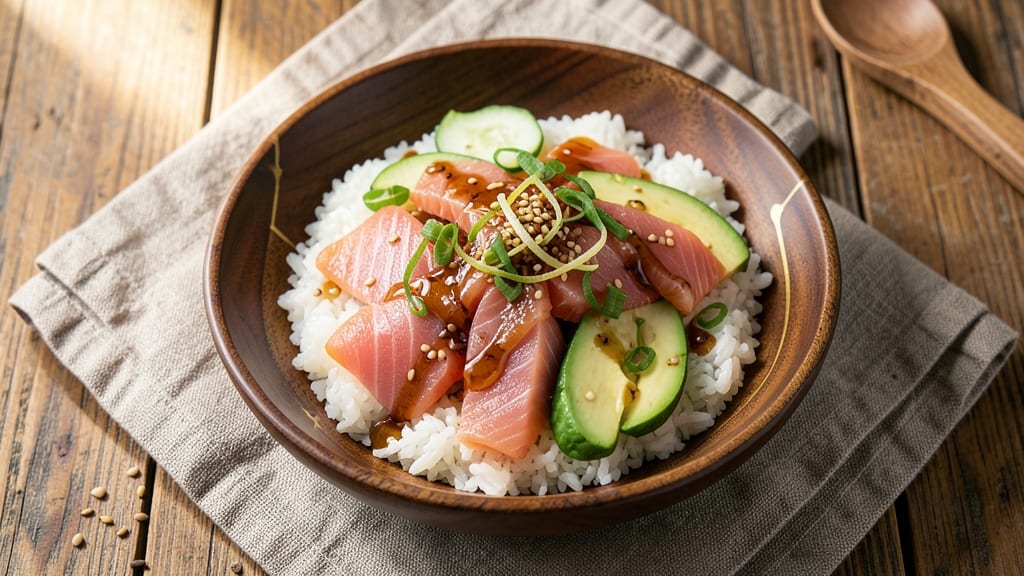
This chirashi sushi salad transforms simple rice into a vibrant, customizable bowl that captures the essence of Japanese bento boxes. The foundation is perfectly seasoned sushi rice, topped with fresh toppings that balance textures and flavors—crisp vegetables, tender fish, and delicate egg slices.
What sets this dish apart is its adaptability: whether you're using sashimi-grade salmon or marinated tofu, the technique remains the same, making it equally perfect for seafood lovers and vegetarians alike.
The beauty of chirashi lies in its simplicity—no rolling required, just a thoughtful arrangement of ingredients that come together in minutes. Start with short-grain rice cooked to just the right consistency, then layer on toppings that add color, crunch, and protein.
Traditional toppings like tamagoyaki (sweet rolled omelet) or pickled ginger cut through the richness, while modern additions like avocado or edamame bring freshness. The key is balancing flavors: salty, sweet, umami, and fresh all in one bowl.
What you’ll end up with is a visually stunning dish that’s as satisfying to eat as it is to assemble. The rice stays warm and fluffy, the toppings add texture contrast, and the overall presentation feels restaurant-quality without the fuss.
This isn’t just a salad—it’s a complete meal that’s light yet filling, perfect for lunch or a light dinner. The best part? Every bite is customizable to your taste, making it a versatile favorite for any occasion.
For those short on time, prepped toppings and pre-cooked rice can be stored separately, then combined just before serving. Whether you’re feeding a crowd or treating yourself to a solo meal, this recipe delivers a fresh, flavorful experience that’s impossible to resist. Let’s get started—your rice bowl awaits.
Ingredients for chirashi salad
Fresh rice, vibrant toppings, and bold flavors—this customizable bowl brings Japanese bento magic to your table.
| Ingredient | Amount | Notes |
|---|---|---|
| Short-Grain Sushi Rice 🍚 | 2 cups | Uncooked, Japanese short-grain preferred |
| Rice Vinegar 🍶 | ¼ cup | Seasoned or plain, high quality |
| Sugar 🍚 | 2 tbsp | Granulated or white sugar |
| Salt 🧂 | 1 tsp | Diamond Crystal preferred |
| Sashimi-Grade Salmon 🐟 | 8 oz | Thinly sliced, skinless |
| Avocado 🥑 | 1 whole | Ripe, sliced into thin pieces |
| Cucumber 🥒 | ½ whole | English or Persian, thinly sliced |
| Carrot 🥕 | 1 whole | Baby carrots or julienned |
| Pickled Ginger 🍶 | ¼ cup | Thinly sliced, for garnish |
| Sesame Seeds 🌾 | 1 tbsp | Toasted, white or black |
| Soy Sauce 🍶 | 2 tbsp | For drizzling, preferably reduced |
| Wasabi 🌶️ | 1 tsp | Fresh or high-quality paste |
| Nori Strips 🍣 | 4 whole | For garnish, optional |
| Extra-Virgin Olive Oil 🫒 | 1 tbsp | For drizzling, fruity variety |
The rice is everything here. Japanese short-grain is non-negotiable—it stays sticky and fluffy, not mushy. Koshihikari or Calrose are the gold standards, and you’ll find them at Asian markets or specialty grocery stores like Whole Foods. If you’re using day-old rice, spread it out to dry slightly before reheating—this prevents a gummy bowl. For the toppings, sashimi-grade salmon is ideal, but high-quality store-bought sushi-grade works too. Trader Joe’s often carries pre-sliced salmon that’s perfect for this. Avocados should be ripe but firm—press gently, and if they yield slightly, they’re ready. For extra crunch, quick-pickled cucumbers (tossed in rice vinegar and sugar for 10 minutes) elevate the dish instantly.
No sashimi-grade fish? Smoked salmon or marinated tofu works beautifully—just ensure it’s thinly sliced for that delicate texture. Swap avocado for mango or kiwi if you’re craving something tropical. Pickled ginger is a must for that bright, tangy contrast, but if you can’t find it, quick-pickled red onions are a great sub. For the rice seasoning, skip the sugar if you prefer less sweetness—just use vinegar and salt. Sesame seeds can be toasted in a dry pan for 30 seconds to deepen their nutty flavor. And if you’re feeling fancy, drizzle with a touch of mirin (just 1 tsp) for extra umami depth. The wasabi? Fresh is best, but if you’re using paste, add a pinch of sugar to balance the heat.
Prep ahead like a pro: Cook the rice and store it in an airtight container for up to 2 days—reheat gently with a splash of water. Toppings like salmon and avocado keep best in the fridge for 1 day, while cucumbers and carrots stay crisp for 3 days. Pickled ginger lasts for 2 weeks in the fridge, so stock up. Assemble bowls just before serving to keep everything vibrant. Leftovers? Store toppings separately and reheat rice with a splash of water—it’s even better the next day as flavors meld. For a crowd, double the rice and prep toppings in advance—this dish scales effortlessly. And trust me, a sprinkle of furikake (Japanese seasoning) right before serving takes it to the next level.
Why You'll Love This Recipe
- I’ll be real: sushi rice and fresh salmon don’t sound cheap, but they stretch further than you’d think. A single batch feeds two for two meals, or one very happy person for three. Plus, the dressing costs pennies. It’s fancy enough for date night, but practical enough for when you’re eating cereal for dinner.
- No Rice Cooker? No Problem: I swear by this method—just cook the rice in a pot with a tight lid, stir once, and let it steam. The salmon takes five minutes max to slice, and the dressing? Three ingredients, two minutes. That’s it. Honestly, it’s the kind of recipe where you’ll wonder why you ever overcomplicated meals.
- Salmon So Fresh It Cries: The first time I tried this with sashimi-grade salmon, I nearly dropped my chopsticks. That buttery, melt-in-your-mouth texture paired with the vinegar’s tang? It’s like a party in your mouth. And between us, the rice soaks up the flavor so well you’ll forget it’s just rice.
- Lunch for Days: Here’s what sold me—this keeps perfectly for three days in the fridge. Toss in some quick-pickled veggies or leftover shrimp the next day, and it’s a whole new bowl. My go-to for busy mornings, because I’m not reheating sad rice again.
Step-by-step instructions for chirashi sushi salad
Transform simple rice into a vibrant, restaurant-worthy bowl with this fresh, customizable approach.
Prepare the Sushi Rice for Perfect Texture
Rinse the 2 cups short-grain sushi rice in a fine-mesh strainer under cold water until the water runs completely clear. This removes excess starch that would make the rice gummy. Drain well and transfer to a pot with 2 cups fresh water, 1 tsp salt, and 2 tbsp sugar. Bring to a boil over high heat, then immediately reduce to low heat and cover tightly with a lid.
Simmer for 15 minutes without lifting the lid—this steaming method creates fluffy, separate grains. Turn off the heat and let it rest for 10 minutes, still covered. Then, gently fold in the 0.25 cup rice vinegar using a wooden spoon. The vinegar adds brightness and prevents the rice from drying out. Spread the rice on a tray to cool slightly before assembling your bowls.
Arrange the Fresh Toppings with Artistic Precision
Slice the 1 whole avocado into thin, even pieces and arrange them in a circular pattern on the bottom of each bowl. Next, thinly slice the 0.5 whole cucumber and 1 whole carrot using a mandoline for uniform strips. Layer these vegetables in alternating colors around the avocado, creating a visually appealing base. The crisp texture contrasts beautifully with the soft rice.
For the salmon, carefully place the 8 oz sashimi-grade salmon slices on top of the vegetables, fanning them out like petals. The key here is to work quickly—salmon oxidizes fast, so keep everything chilled until the last moment. A light drizzle of 1 tbsp extra-virgin olive oil over the salmon adds richness without overpowering the delicate flavor.
Build Flavor Layers with Strategic Garnishes
Sprinkle the 1 tbsp toasted sesame seeds evenly over the salmon, pressing them gently into the rice to create texture. This step adds nutty depth and visual contrast. For acidity, arrange the 0.25 cup pickled ginger slices in a small circle near the center of the bowl—its bright pink color pops against the green and white toppings.
Drizzle 2 tbsp soy sauce in a zigzag pattern over the entire bowl, allowing it to pool slightly in the rice. Add a dollop of 1 tsp wasabi mixed with a tiny bit of water to the center—this creates a spicy focal point that guests can mix into their bites. The wasabi should be vibrant green and spreadable, not dry or crumbly.
Assemble and Serve with Presentation in Mind
Gently mound the cooled sushi rice into the center of each bowl, creating a small well to hold the toppings. The rice should be at room temperature—too hot will steam the delicate fish. Place 4 whole nori strips around the perimeter of the bowl, slightly overlapping, to frame the dish elegantly. These strips add a subtle seaweed aroma and visual balance.
Serve immediately while everything remains crisp. The perfect chirashi bowl should have contrasting temperatures—cool rice, room-temperature fish, and fresh vegetables—along with a balance of textures from creamy avocado to crunchy cucumber. Each bite should deliver layers of flavor: the vinegared rice, the umami of soy sauce, the spicy kick of wasabi, and the clean sweetness of the vegetables.
Pro Tips For Making Chirashi Salad
- STEAM THE RICE RIGHT: The rice-to-water ratio is 1:1.1, but the real trick is spreading it evenly in the pot—no clumps—and letting it sit covered for 10 minutes after cooking. I learned this the hard way: uneven steam means uneven texture, and nobody wants dry bits in their chirashi.
- CHILL THE SALMON FIRST: Pat the salmon very dry with paper towels, then refrigerate it uncovered for 20-30 minutes. The cold surface firms it up, making slices cleaner and more precise—no mushy edges when you cut. (Yes, even if you're impatient like me.)
- ACIDIFY THE VINEGAR MIX: Combine rice vinegar, sugar, and salt at least 30 minutes before using. The sugar needs time to fully dissolve, and the acidity mellows out. I used to just toss it together last-minute, and the dressing always tasted sharp and unfinished.
- USE SLICED SALMON IMMEDIATELY: If you’re prepping toppings ahead, slice the salmon last—it oxidizes fast. For extra flair, add a pinch of flaky salt right before serving. The contrast with the vinegar dressing makes all the difference, but only if it’s fresh.
Wine and beer pairings for chirashi salad
Light and Crisp Whites
Chirashi’s delicate balance pairs beautifully with dry, crisp whites that won’t overpower the dish. A Japanese sake like Dassai Junmai (13% ABV) is my go-to—its clean, slightly floral notes complement the rice vinegar and salmon without competing.
For a more accessible option, Pinot Grigio from Italy’s Alto Adige region offers bright acidity that cuts through the richness of avocado and sesame. Serve slightly chilled to enhance the refreshing contrast. 🍷
Light-Bodied Reds
If you prefer red wine, opt for light-bodied options like Pinot Noir from Oregon or Beaujolais (Gamay grape). These wines have enough fruitiness to stand up to the soy sauce and wasabi while remaining light enough to avoid clashing with the fresh toppings.
A 2020 Domaine Serene Pinot Noir (13.5% ABV) is a reliable choice—its red berry notes harmonize with the salmon and pickled ginger. Decant for 15-20 minutes to soften tannins and let it breathe. 🍇
Japanese Craft Beers
For beer lovers, Japanese lagers or saisons elevate the dish with their clean profiles. Sapporo Premium Beer (4.5% ABV) is a classic—its crisp, slightly malty finish pairs perfectly with the umami of soy sauce and the freshness of cucumber.
Alternatively, BrewDog Punk IPA (6.5% ABV) adds a hoppy contrast that works surprisingly well with the spicy wasabi, especially if you’re serving it to adventurous eaters. Keep the beer well-chilled to maintain its crispness. 🍺
Non-Alcoholic Pairings
Don’t overlook sparkling options for a refreshing, alcohol-free match. San Pellegrino Aranciata (blood orange soda) adds a citrusy brightness that mirrors the pickled ginger, while Yakult (a probiotic drink) balances the meal’s richness with its tangy, creamy profile.
For something more substantial, green tea (hot or iced) enhances the dish’s umami notes and keeps the palate clean. A matcha latte with a touch of honey adds a subtle sweetness that rounds out the flavors. 💚
Seasonal Adaptations
Summer calls for chilled sake cocktails like Umeshu Spritz (plum wine mixed with soda water), which pairs wonderfully with the dish’s fresh ingredients. In winter, a warmer option like Hojicha latte (roasted green tea) complements the toasted sesame seeds and adds comforting warmth.
For a festive touch, sparkling yuzu juice (a Japanese citrus) brings a zesty, celebratory note that’s perfect for gatherings. 🍶
Nutrition facts
Frequently asked questions
What makes chirashi different from regular sushi?
Unlike traditional sushi rolls, chirashi is all about the open rice bowl concept. The rice is the star, topped with fresh ingredients rather than wrapped in nori. This style lets you customize toppings—think sashimi, veggies, or even marinated tofu—while keeping the meal light and visually appealing. It's essentially a deconstructed bento box!
Can I make chirashi without raw fish?
This dish is incredibly adaptable. Swap sashimi-grade salmon for grilled shrimp, marinated tofu, or seared scallops. Vegetarians can use avocado, pickled vegetables, and tamagoyaki (Japanese omelet)—the same principles apply. The key is balancing textures and flavors in each bite.
How do I keep the rice from getting soggy?
Prevent soggy rice by cooling it completely before assembling and keeping toppings separate until serving. If using day-old rice, spread it on a tray to dry slightly before reheating with a splash of water. For extra insurance, place bowls in the fridge for 10 minutes before serving to firm up the rice.
What's the best way to store leftovers?
Store components separately: rice in an airtight container (up to 2 days) and toppings in the fridge (fish 1 day, veggies 3 days). Reheat rice gently with water, then reassemble with fresh toppings. The flavors actually improve overnight as the rice absorbs the vinegar seasoning!
Can I make chirashi ahead of time?
Yes! Prep all toppings and cook the rice 1-2 days ahead, then store separately. The magic happens in the final assembly—arrange toppings just before serving to maintain crispness. For a crowd, use individual bowls—this keeps everything fresh and portion-controlled.