
Salads
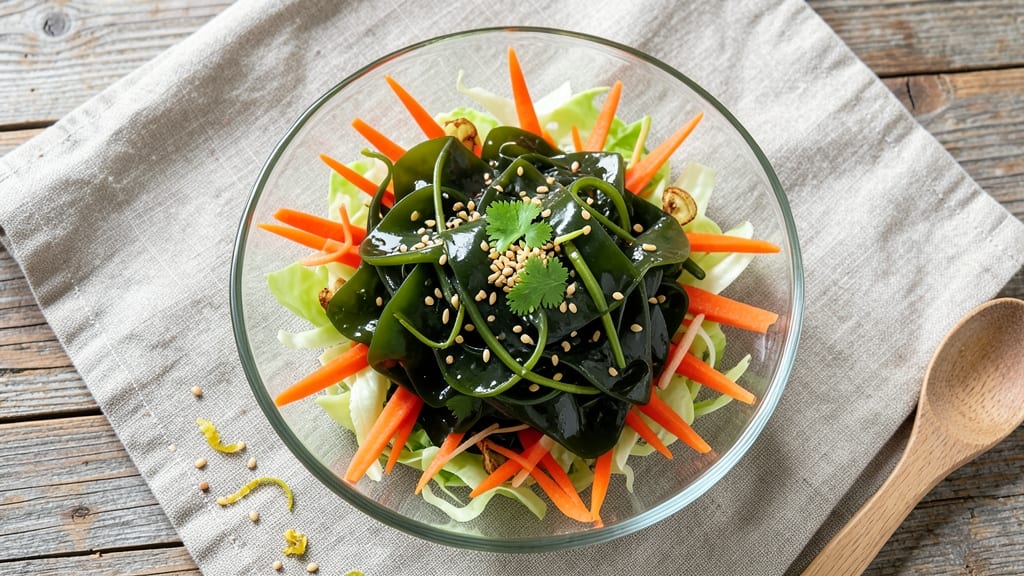
This Chinese seaweed salad recipe delivers crispy umami bites that pack a flavor punch without any meat—perfect for vegan meals or light lunches.
The secret lies in properly soaking the seaweed until it achieves that signature crisp-tender texture, then balancing it with a tangy sesame dressing that cuts through the saltiness. I developed this after years of experimenting with traditional Chinese techniques while keeping it simple enough for weeknight dinners.
The magic happens in the preparation: thinly julienned vegetables for texture contrast, toasted sesame seeds for nutty depth, and a dressing that marries soy sauce, rice vinegar, and sesame oil into a harmonious zing.
What makes this dish special is how it transforms humble ingredients—seaweed, cabbage, and carrots—into something restaurant-worthy with minimal effort. The key is timing: soak the seaweed just long enough to soften without losing its structure, then toss everything together while still vibrant.
By the time you plate this salad, you'll have a dish that's crispy at the edges, tender in the center, and bursting with layers of flavor—savory from the seaweed, bright from the dressing, and crunchy from the fresh vegetables.
It's the kind of salad that makes you want to eat it straight from the bowl, no fork required. Serve it as a refreshing starter or a satisfying main course with steamed rice.
The best part? This recipe scales beautifully for parties or meal prep—just double the dressing and store components separately until ready to assemble. The flavors actually improve after sitting for an hour, as the seaweed absorbs the dressing and becomes even more addictive.
Let's get started on creating your perfect bowl of crispy, tangy goodness.
Ingredients for chinese seaweed salad
Crispy seaweed meets vibrant veggies in this restaurant-quality dish—just 12 ingredients for bold umami zing.
| Ingredient | Amount | Notes |
|---|---|---|
| Dried Wakame Seaweed 🌊 | 2 oz | High-quality, thin strips preferred |
| Green Cabbage 🥬 | 4 cups | Thinly julienned, crisp variety |
| Carrots 🥕 | 2 medium | OR 1 cup grated (organic preferred) |
| Sesame Seeds 🥜 | 2 tbsp | Toasted, for nutty crunch |
| Rice Vinegar 🍶 | ⅓ cup | Seasoned preferred for depth |
| Sesame Oil 🫒 | 2 tbsp | Toasted, not flavored |
| Tamari or Soy Sauce 🍶 | 2 tbsp | Gluten-free tamari preferred |
| Fresh Ginger 🧄 | 1 tbsp | Finely grated, aromatic |
| Maple Syrup 🍁 | 1 tbsp | For subtle sweetness |
| Sesame Dressing Oil 🫒 | ¼ cup | Light, neutral oil for blending |
| Red Chili Flakes 🌶️ | ½ tsp | Adjust for heat preference |
| Sea Salt 🧂 | ½ tsp | Diamond Crystal preferred |
Seaweed quality makes or breaks this dish. Wakame should be thin, uniform strips—avoid thick, chewy varieties. I always grab mine from Asian markets or the refrigerated section at Whole Foods. Look for packaging that says 'dried' or 'for salads'—the pre-soaked kind won't give you that perfect crisp-tender texture. For the cabbage, green cabbage holds its crunch better than red, but use whichever you prefer. Carrots? Organic if possible—they're less likely to be waxed, which can make the salad taste artificial. Toast your sesame seeds in a dry pan over medium heat for 2-3 minutes until fragrant—game-changer for flavor.
No tamari? Regular soy sauce works in a pinch, but it'll be slightly saltier. Fresh ginger too strong? Substitute 1 tsp ground ginger, but you'll lose that bright aroma. Sesame oil smell too overpowering? Use only 1 tbsp and boost the rice vinegar to 0.5 cup. For the carrots, if you can't find organic, peel them to remove wax. The dressing ratio is key—start with the amounts listed, then adjust to taste. Want more crunch? Add 1 cup shredded napa cabbage. Need extra protein? Toss in 1/2 cup edamame after soaking.
Seaweed soaks best in cold water for 10-15 minutes—don't over-soak or it'll turn mushy. Store prepped veggies in airtight containers with paper towels to absorb moisture for up to 3 days. The dressing keeps for 1 week in the fridge, but the seaweed absorbs it best when mixed fresh. For meal prep, store components separately and toss just before serving. Flavors actually improve after sitting for 1 hour—the seaweed gets happier with the dressing. Double the dressing if making for a crowd, but keep the veggie ratio the same.
Why You'll Love This Recipe
- Five-Minute Soak: I swear by that 5-minute wakame soak—just toss the dried sheets in warm water, and boom, they’re tender and briny. No waiting, no fuss, just instant texture that makes every bite satisfying.
- Umami-Packed Crunch: The wakame’s oceanic punch pairs perfectly with the crunch of shredded cabbage and carrots—like a fresh, tangy contrast. A sprinkle of toasted sesame seeds? That’s the cherry on top, trust me.
- Lunchbox Hero: Between us, this salad keeps perfectly for days in the fridge. Pack it for work, stuff it in bento boxes, or serve it cold at picnics—it’s my go-to when I need something reliable that won’t wilt.
- Budget Brightener: A single bag of dried wakame stretches forever, and cabbage and carrots are dirt cheap. For under $5, I’ve got a salad that feels fancy but costs next to nothing—smart, right?
Step-by-step instructions for Chinese seaweed salad
Here's how to transform delicate seaweed into crispy, umami-packed bites with a tangy sesame finish.
Rehydrate and Prepare the Wakame
Place the 2 oz dried wakame seaweed in a heatproof bowl and cover it completely with hot water (about 2 cups). Let it soak for 10-15 minutes until it expands to about 3-4 times its original size and becomes tender but still holds its shape. Drain thoroughly using a fine-mesh strainer, pressing gently to remove excess water.
Real talk: Don't skip this step. Proper rehydration ensures crispy texture later—not mushy. If you're using high-quality thin strips, they'll crisp beautifully. For extra flavor, I like to rinse the rehydrated wakame under cold water to remove any bitterness before proceeding.
Prep and Massage the Vegetables
Cut the 4 cups green cabbage into thin julienne strips (about 1/8-inch thick). Using your hands, massage the cabbage with 1 tbsp freshly grated ginger and 0.5 tsp sea salt for 2-3 minutes until it softens slightly and releases moisture. This step is crucial—it breaks down the fibers for that signature tender-crisp texture.
Next, peel and julienne the 2 medium carrots into matchstick-sized strips. Add them to the cabbage mixture and toss gently. The carrots should remain crisp but will soften slightly from the cabbage's moisture. If the mixture looks too dry, add 1-2 tablespoons of cold water and massage again until just combined.
Create the Tangy Sesame Dressing
In a small bowl, whisk together the 0.33 cup rice vinegar, 2 tbsp tamari or soy sauce, 1 tbsp maple syrup, 0.5 tsp red chili flakes, and 2 tbsp toasted sesame oil. Taste and adjust seasoning—this is your flavor foundation. The dressing should be balanced between sweet, salty, and slightly spicy with a bright acidity.
In a separate small bowl, combine 0.25 cup sesame dressing oil with the 2 tbsp toasted sesame seeds. Set aside—this will add nutty crunch and richness to the final salad. Here's the thing: The sesame oil should be light and neutral, not flavored, so it doesn't overpower the delicate wakame flavor.
Assemble and Crisp the Salad
In a large bowl, combine the prepared cabbage-carrot mixture with the rehydrated wakame. Drizzle half of the sesame dressing over the vegetables and toss gently to coat evenly. Let it sit for 5 minutes to allow the flavors to meld—this is where the magic happens. The wakame will start absorbing the dressing, intensifying its umami profile.
Transfer the salad to a large serving platter or individual plates. Sprinkle the remaining sesame dressing lightly over the top, then scatter the sesame seed mixture evenly across the surface. For maximum crispiness, I recommend serving this immediately—don't let it sit too long before eating, or the wakame may soften.
Serve with Crunch and Contrast
Garnish with an additional sprinkle of toasted sesame seeds and a few extra red chili flakes for heat lovers. The contrast between the crispy wakame, tender cabbage, and crunchy seeds creates the perfect textural experience. Serve immediately while everything is at its peak—this salad is best enjoyed fresh.
For an elevated presentation, arrange the salad on a chilled platter and serve with a side of steamed rice or grilled fish. The crispy umami bites will shine against the neutral canvas, making every bite a flavor revelation. And remember: The longer you let it sit after tossing, the softer the wakame becomes—so eat it while it's still crisp!
Pro Tips For Making Chinese Seaweed Salad
- SOAK WAKAME 10 MINUTES: I used to eyeball this and end up with either mushy seaweed or crunchy bits—neither works. Wakame triples in size, so soak it in cold water for exactly 10 minutes, then drain. No need to rinse after; the excess salt is fine, and it’ll balance with the vinegar later.
- SHRED CABBAGE THIN: Thick strips make this salad look like a sad office lunch. Use a sharp knife or mandoline to slice cabbage paper-thin—about 1/16-inch. The more surface area, the better it’ll absorb the dressing without getting soggy.
- DRESS IT LAST MINUTE: Mix the rice vinegar, sesame seeds, and any other dressing ingredients right before tossing. The acid will soften the carrots and cabbage if you wait, and the sesame seeds lose their crunch fast. Toss, taste, then add more vinegar if needed—no take-backs.
- JULIENNE CARROTS FAST: Skip the peeler—it’s slow and uneven. Use a knife to cut carrots into matchsticks: slice lengthwise into 4 sticks, then stack and cut into 1/8-inch pieces. Done in 30 seconds, and they’ll stay crisp longer than pre-shredded bags.
Health benefits of this recipe
Low-Calorie Powerhouse
This salad is a nutritional powerhouse with just 120-150 calories per serving, making it perfect for health-conscious eaters. The wakame seaweed delivers 10% of your daily iodine needs in one serving, supporting thyroid function and metabolism.
The combination of cabbage and carrots adds vitamin C and fiber, while the sesame seeds contribute healthy fats and calcium. It's a complete meal in a bowl without the guilt! 💪
Rich in Antioxidants
The seaweed in this salad is packed with antioxidants like fucoxanthin, which helps combat oxidative stress and inflammation. Carrots contribute beta-carotene, converted to vitamin A for eye health, while the ginger adds gingerol, a compound with anti-inflammatory properties.
This salad is like a vitamin cocktail in every bite! 🌿
Supports Heart Health
The omega-3 fatty acids in wakame seaweed help lower cholesterol levels and reduce the risk of heart disease. The low sodium tamari or soy sauce keeps blood pressure in check, while the sesame seeds provide magnesium, which supports cardiovascular function. It's a heart-smart choice that tastes amazing! ❤️
Digestive Benefits
The fiber-rich vegetables and seaweed in this salad promote healthy digestion and gut health. The prebiotic properties of wakame support beneficial gut bacteria, while the ginger aids digestion and reduces bloating. It's a gentle yet effective way to keep your digestive system happy! 🌱
Vegan and Gluten-Free
This salad is naturally vegan and can easily be made gluten-free by using tamari instead of soy sauce. It's free from dairy, eggs, and meat, making it suitable for various dietary restrictions. The absence of gluten and animal products also makes it easier to digest for many people! 🌎
Blood Sugar Regulation
The low glycemic index of this salad helps stabilize blood sugar levels, making it an excellent choice for those managing diabetes or watching their blood sugar. The fiber and healthy fats slow down carbohydrate absorption, preventing spikes in blood glucose. It's a smart choice for maintaining steady energy levels! 💡
Nutrition facts
Frequently asked questions
Can I use other types of seaweed instead of wakame?
Wakame is ideal for this recipe because of its mild, slightly sweet flavor and perfect texture when rehydrated. For alternatives, try arame (soak for 5-7 minutes) or dulse (soak for 10 minutes), but avoid thick seaweed like kombu—it won't achieve the same crisp-tender bite. Always check package instructions for soaking times, as varieties differ significantly.
Why does my seaweed turn mushy after soaking?
Over-soaking is the most common culprit! Wakame should soak for 10-15 minutes—any longer and it loses its structure. Use hot water (not boiling) and drain immediately after soaking. For extra crispiness, rinse the rehydrated seaweed under cold water before using. If you're short on time, try the quick-soak method: cover with cold water and microwave for 1 minute (check package instructions).
How can I make this salad spicier or sweeter?
Adjust the heat by adding 0.25-0.5 tsp more red chili flakes to the dressing or a dash of Sriracha after tossing. For sweetness, increase the maple syrup by 0.5 tbsp or add 1 tsp honey to the dressing. Pro tip: Balance any extra sweetness with a splash more rice vinegar (1 tsp) to maintain the tangy brightness. Taste as you go—flavors meld better after sitting for 5 minutes.
Can I prepare this salad ahead of time?
Store the rehydrated wakame, julienned veggies, and dressing separately in airtight containers for up to 3 days. Toss everything together just before serving to maintain crispness. The seaweed absorbs the dressing better after sitting for 1 hour, so if prepping ahead, assemble 30 minutes before eating. For meal prep, double the dressing and store it separately—it keeps for 1 week in the fridge.
What's the best way to serve this salad?
This salad shines as a refreshing starter or light main course. For an elevated presentation, arrange it on a chilled platter with steamed rice or grilled fish. Garnish with extra sesame seeds and chili flakes for visual appeal. It also works beautifully as a side dish for sushi or Asian-inspired bowls. Serve immediately for maximum crispiness—wakame softens as it sits, so eat it while the texture is perfect!