
Sauces & Condiments
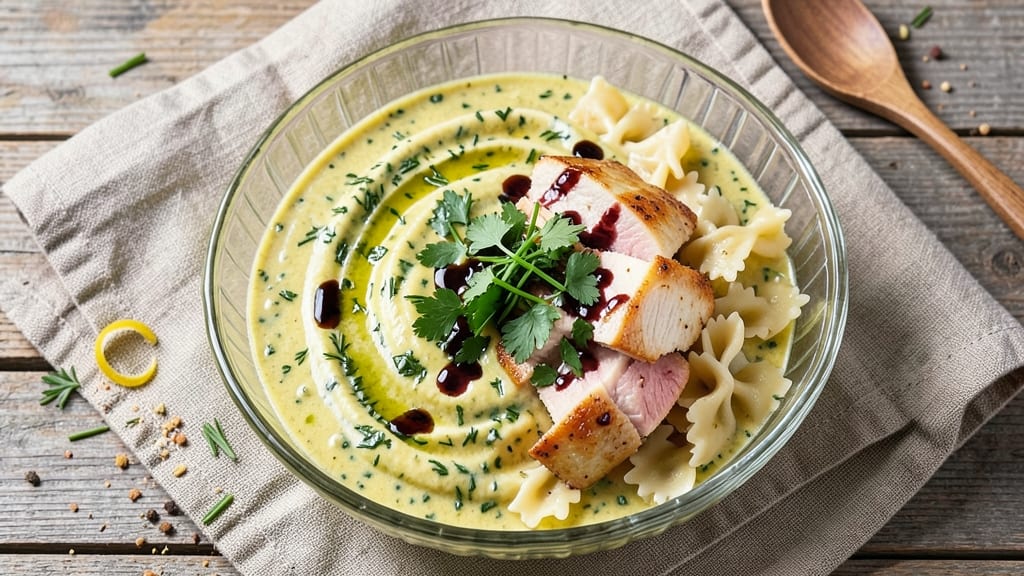
This chicken pasta salad dressing recipe transforms ordinary salads into vibrant, flavor-packed meals with just a few simple ingredients. The secret lies in an herb-infused oil base that delivers a perfect balance of tangy crunch and freshness—no cooking required.
I developed this dressing after realizing most store-bought versions lack the depth and texture that elevate a simple pasta salad into something truly special.
The foundation is a light olive oil base infused with fresh herbs like parsley, dill, and chives, which add bright, aromatic notes without overpowering the dish. A touch of red wine vinegar provides the tangy kick, while Dijon mustard and a hint of garlic create complexity.
The dressing clings beautifully to pasta and chicken, enhancing every bite rather than drowning it.
What makes this dressing stand out is its versatility—it works equally well on warm or chilled pasta salads, and the ingredients are easy to find. No complicated techniques are needed; just whisk together the components and let the flavors meld for 10 minutes.
The result is a dressing that’s light yet flavorful, ensuring your chicken pasta salad is anything but boring.
Perfect for meal prep, potlucks, or a quick weeknight dinner, this dressing turns a basic salad into a restaurant-worthy dish. The key is balancing the acidity with the richness of the oil, so the flavors complement rather than compete. Let’s dive into the simple steps to create this game-changing dressing.
Ingredients for chicken pasta salad dressing
Light olive oil base meets fresh herbs and tangy acidity for a dressing that elevates chicken pasta salad.
| Ingredient | Amount | Notes |
|---|---|---|
| Extra-Virgin Olive Oil 🫒 | ¾ cup | High-quality, fruity variety |
| Fresh Flat-Leaf Parsley 🌿 | ½ cup | Stems removed, finely chopped |
| Fresh Dill 🌿 | ¼ cup | Chopped, stems removed |
| Fresh Chives 🌱 | ¼ cup | Finely chopped, including green parts |
| Red Wine Vinegar 🍷 | ¼ cup | Dry, robust variety |
| Dijon Mustard 🌶️ | 1 tbsp | High-quality, smooth Dijon |
| Garlic Cloves 🧄 | 2 cloves | Peeled, finely minced |
| Granulated Sugar 🍚 | 1 tbsp | Balances acidity |
| Sea Salt 🧂 | ½ tsp | Fine grain preferred |
| Fresh Lemon Juice 🍋 | 1 tbsp | Freshly squeezed |
The olive oil is the heart of this dressing—look for extra-virgin with a fruity, peppery finish at stores like Whole Foods or Trader Joe's. Their bulk bins often have the best quality at reasonable prices. Fresh herbs make all the difference: parsley for brightness, dill for depth, and chives for subtle onion notes. If you can't find fresh chives, sub with more parsley. The garlic should be freshly minced—pre-minced jars lose flavor quickly. For the vinegar, Bartles & Jaymes or Cupcake Vinegar brands add complexity without overpowering.
No fresh dill? Dried dill at one-third the amount works in a pinch, but fresh is ideal. Short on chives? Green onion tops (white parts removed) give a similar mild onion flavor. The Dijon mustard is non-negotiable—it adds body and prevents the dressing from separating. If you're avoiding gluten, ensure your Dijon is labeled gluten-free. For extra richness, add 1 tbsp of vegan mayo to the finished dressing. The lemon juice can be omitted if you prefer, but it brightens the whole dish—especially important if using a bold vinegar.
This dressing keeps beautifully—up to 1 week in an airtight jar in the fridge. The flavors actually improve over time as everything melds. For meal prep, make a double batch and store in small glass jars with tight lids. Before using, give it a quick whisk to redistribute any settled herbs. If the dressing separates, just shake vigorously or whisk until emulsified again. It's perfect for dressing both warm and chilled pasta salads, and the herbs stay vibrant even after refrigeration.
Why You'll Love This Recipe
- No-Chop Needed: I swear by this—just toss those fresh herbs into the blender with the olive oil and vinegar. No knife skills required, and the dressing still tastes like I spent hours in the garden.
- Herb-Packed Brightness: That trio of parsley, dill, and chives? It’s the secret weapon. The parsley adds freshness, the dill brings that tangy depth, and the chives? They’re the little flavor bombs that make every bite sing.
- Picnic to Potluck: This dressing works just as well in a mason jar for a beach picnic as it does drizzled over a hot plate of pasta for a weeknight dinner. Honestly, I’ve used it for both—and no one’s ever questioned my choices.
- Dressing That Stays: Between us, most vinaigrettes turn sad after a day. Not this one. The olive oil and vinegar combo keeps it fresh for at least three days in the fridge, and I’ve even used it after five without complaint. Budget-friendly? Check. Time-saving? Double check.
Step-by-step instructions for herb-infused pasta salad dressing
This dressing transforms ordinary pasta salad into a vibrant, herb-forward dish with balanced tanginess.
Finely Chop All Fresh Herbs
In a medium bowl, combine the 0.5 cup fresh flat-leaf parsley, 0.25 cup fresh dill, and 0.25 cup fresh chives from the ingredients list. Use a sharp chef's knife to chop them into an even, fine texture—about 1/8-inch pieces. The stems should be completely removed for maximum flavor without bitterness.
I like to work in batches if needed, but keep all chopped herbs together in one bowl. This ensures even distribution throughout the dressing. The herbs should look like confetti when finished—this texture prevents clumping and creates a visually appealing salad.
Whisk Vinegar, Mustard, and Sweetener
In a separate bowl, whisk together the 0.25 cup red wine vinegar, 1 tablespoon Dijon mustard, and 1 tablespoon granulated sugar until fully combined. The sugar helps balance the acidity of the vinegar, creating a more complex flavor profile. Let this mixture sit for 2 minutes to allow the sugar to slightly dissolve.
This step is crucial for creating the dressing's foundation. The mustard adds depth while the sugar prevents the vinegar from being overly sharp. If you prefer a sweeter dressing, you can increase the sugar slightly, but start with the recipe amount for perfect balance.
Combine Wet Ingredients
Add the minced 2 cloves garlic, 0.5 teaspoon sea salt, and 1 tablespoon fresh lemon juice to the vinegar mixture. Whisk vigorously for 30 seconds until everything is fully incorporated. The garlic should be completely dissolved—no visible flecks remain. This ensures even flavor distribution throughout the dressing.
Here's the thing—don't rush this step. The garlic needs to fully emulsify with the other ingredients. If you see any undissolved bits, whisk for another 10-15 seconds. The lemon juice brightens the flavors and prevents the dressing from becoming too heavy.
Gradually Incorporate Olive Oil
With the motor running on low speed in a blender or using a whisk, slowly drizzle in the 0.75 cup extra-virgin olive oil while continuing to blend or whisk. This gradual approach is key—adding the oil too quickly creates a separated dressing. You want a smooth, emulsified texture that coats the pasta evenly.
After adding all the oil, blend or whisk for another 30 seconds to ensure complete emulsification. The dressing should have a creamy, velvety consistency with no visible separation. If you notice any oil pooling on top, whisk vigorously for another 10 seconds to re-emulsify.
Fold in Fresh Herbs and Rest
Transfer the dressing to a clean bowl and gently fold in the chopped herbs using a spatula. Be careful not to overmix—just enough to distribute the herbs evenly. The dressing should look vibrant green with visible herb flecks throughout. Cover the bowl and let the dressing rest at room temperature for 15-20 minutes before using.
This resting period allows all the flavors to meld together. The herbs will release their essential oils, and the dressing will develop its full complexity. If you're making this ahead of time, you can refrigerate it for up to 3 days, but bring it to room temperature before using to ensure proper texture.
Pro Tips For Making Chicken Pasta Salad Dressing
- Chop Herbs Coarse: Tiny parsley and dill bits disappear into the oil—your dressing ends up looking like a sad, green sludge. Chop them just slightly smaller than the pasta pieces (about ¼-inch chunks) so they stay visible and pack flavor punch. I used to pulse them in a food processor, but that’s a rookie move—hand-chopping keeps texture and makes the salad look intentional.
- Whisk Vinegar Last: Adding red wine vinegar to olive oil too soon causes it to separate like a diva refusing to mingle. Mix the herbs and half the oil first, let them sit 5 minutes to bloom, then whisk in the vinegar and remaining oil. This guarantees a silky emulsion that won’t break when tossed with warm chicken.
- Use Cold-Oil Shock: Warm chicken and hot pasta will turn your dressing into a greasy mess. After cooking, immediately transfer the chicken to an ice bath for 10 minutes—this stops it from steaming and lets the dressing cling instead of pooling. (Yes, it’s extra work, but your salad won’t taste like a cafeteria tray.)
- Salt the Vinegar: Plain red wine vinegar tastes sharp and one-dimensional. Dissolve ½ teaspoon kosher salt into it before mixing—this rounds out the acid and makes the dressing taste deeper. I learned this from a French chef who called it "the lazy chef’s secret," and he wasn’t wrong.
Serving suggestions for chicken pasta salad dressing
Garnish Like a Pro
Top your chicken pasta salad with toasted pine nuts or slivered almonds (about 2 tbsp) for a satisfying crunch. I like to toast them in a dry skillet over medium heat for 3-4 minutes until golden—just watch them closely to avoid burning.
For extra flair, add edible flowers like nasturtiums or borage, which add a delicate floral note and stunning visual contrast. 🌸
Crunchy Add-Ons
For texture lovers, fold in ½ cup diced cucumber or ¼ cup thinly sliced radishes right before serving. These veggies stay crisp even after the dressing coats them.
If you prefer something heartier, add ¼ cup croutons (I recommend Trader Joe's garlic & herb variety) or crispy fried shallots for an umami punch. The key is adding crunchy elements just before eating so they maintain their texture.
Cheese Pairings
For a richer profile, crumble ¼ cup feta cheese over the top—its salty tang cuts through the dressing beautifully. If you want something creamier, try ¼ cup goat cheese dollops that soften slightly when mixed with the warm pasta.
For a vegetarian-friendly option, use vegan parmesan (like Follow Your Heart brand) for a nutty finish. Sprinkle just before serving to prevent the cheese from absorbing too much dressing.
Herb Garnish Twist
Instead of just tossing herbs into the dressing, try making a herb garnish—finely chop 1 tbsp fresh basil and 1 tbsp fresh mint separately, then sprinkle over the top tablespoon by tablespoon. This adds a bright, fresh finish that contrasts with the dressing's depth.
For a smoky touch, add ½ tsp smoked paprika to the dressing and garnish with crumbled bacon bits (about 2 tbsp) for a Southern-inspired twist. 💫
Serving Containers
Serve this salad in glass mason jars for a rustic, portable presentation—layer the dressing at the bottom, followed by pasta, chicken, and veggies. When ready to eat, simply pour the jar and contents onto a plate.
For a more elegant touch, use ceramic salad bowls with a lemon wedge—squeeze it over the top just before serving to brighten all the flavors. If you're bringing it to a potluck, use disposable foil trays lined with parchment paper for easy transport and serving.
Meal Prep Tips
Store the dressing separately in an airtight container—this keeps the herbs fresh and prevents sogginess. When ready to assemble, mix the dressing with the pasta salad just before serving. For extra convenience, prep individual portion containers with dressing at the bottom, followed by salad ingredients.
Seal tightly and refrigerate for up to 4 days. When ready to eat, just shake or stir gently to redistribute the dressing. 📅
Nutrition facts
Frequently asked questions
Can I make this dressing without fresh herbs?
Yes, but the flavor will be less vibrant. Use 1 tbsp dried parsley, 1 tsp dried dill, and 1 tsp dried chives—these are about 1/3 the amount of fresh herbs. For best results, crush the dried herbs between your fingers to release their oils before adding to the dressing. If you're avoiding dried herbs entirely, try 1 tsp dried basil or ½ tsp onion powder for a similar aromatic profile.
How do I prevent the dressing from separating?
Add the olive oil very slowly while whisking continuously on low speed. If separation occurs, whisk vigorously for 30 seconds to re-emulsify. For extra stability, add ½ tsp xanthan gum (common in gluten-free baking) to the wet ingredients before blending. The key is patience—never pour oil in all at once. A quick fix for separated dressing is to add 1 tsp Dijon mustard and whisk until smooth.
Can I use this dressing on other salads?
This dressing works wonderfully on grain salads, potato salads, or even green salads with hearty greens. For a lighter version, reduce the olive oil to ½ cup and add 2 tbsp water to create a vinaigrette-style dressing. The herb profile pairs beautifully with roasted vegetables too—try it on asparagus or Brussels sprouts for a fresh twist.
What's the best way to store leftover dressing?
Transfer to an airtight glass jar and refrigerate for up to 1 week. The flavors actually improve as they meld! Before using, give it a good whisk to redistribute any settled herbs. For longer storage, freeze in ice cube trays—thaw overnight in the fridge and whisk to restore texture. The oil may solidify slightly in the freezer, but it returns to normal consistency when brought to room temperature.
Can I make this dressing spicier?
Add ½ tsp red pepper flakes or 1 tsp hot sauce (like Frank's RedHot) to the wet ingredients. For a smoky kick, replace the regular Dijon with 1 tbsp smoked paprika mixed into the mustard. If you love heat, try ½ tsp cayenne pepper—start small and adjust to taste. The herbs will help balance the spice beautifully.