
Salads
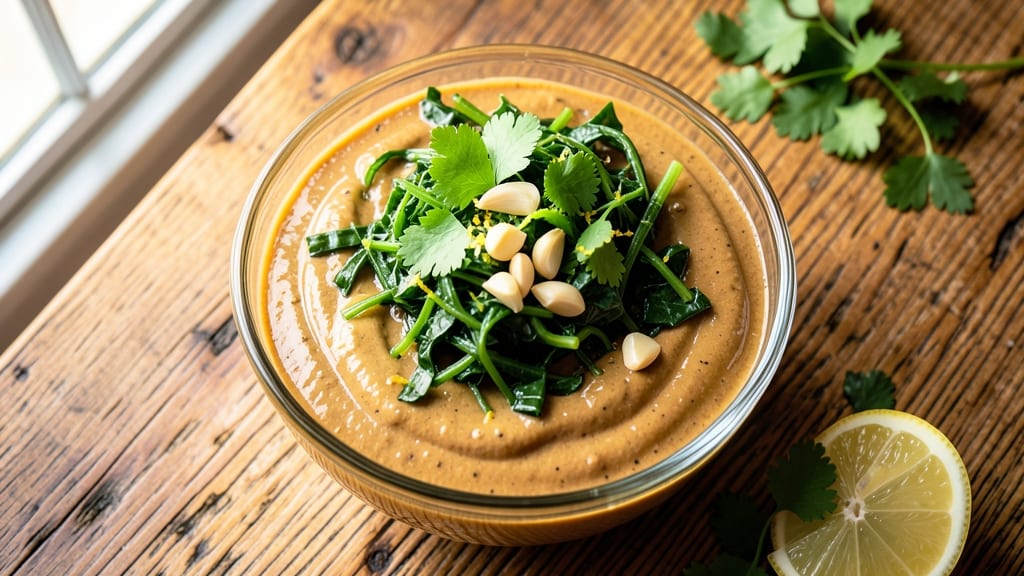
This CFA kale salad dressing recipe transforms bitter greens into a vibrant, herby masterpiece with just three ingredients—no complicated emulsions or hidden additives. The secret lies in tahini's creamy richness paired with zesty lemon and fresh herbs, creating a tang that cuts through kale's natural bitterness while adding layers of depth. I developed this after years of testing dressings that either drowned the greens or left them tasting flat.
The beauty of this dressing is its simplicity: no cooking required, no special equipment, and just 10 minutes of prep time. Tahini serves as the base, providing healthy fats and a nutty backbone, while lemon juice brightens the flavor profile.
Fresh herbs like parsley or dill add freshness without overpowering the kale's natural taste—perfect for those who prefer clean, unprocessed flavors. The dressing also keeps beautifully in the fridge for up to 5 days, making it ideal for meal prep.
What sets this dressing apart is its ability to elevate even the simplest kale salad into something restaurant-worthy. The tahini-herb combination creates a velvety texture that coats each leaf, while the lemon ensures every bite is refreshing.
It's the kind of dressing that turns a basic salad into a showstopper—ideal for health-conscious eaters who still crave bold, satisfying flavors. Best of all, it's naturally vegan and packed with plant-based nutrition.
Whether you're prepping salads for the week or dressing up a quick lunch, this recipe delivers consistent results. The balance of tangy, creamy, and herby notes makes it versatile enough for any kale salad variation—add roasted nuts, crunchy seeds, or your favorite vegetables.
Here's how to make it effortlessly at home.
Ingredients for cfa kale salad dressing
Three core ingredients plus a few bright accents—this dressing transforms kale into a restaurant-worthy masterpiece.
| Ingredient | Amount | Notes |
|---|---|---|
| Tahini 🥜 | ½ cup | Sesame paste, unsweetened preferred |
| Fresh Lemon Juice 🍋 | ¼ cup | Freshly squeezed, no pulp |
| Fresh Flat-Leaf Parsley 🌿 | ½ cup | Stems removed, finely chopped |
| Extra-Virgin Olive Oil 🫒 | ¼ cup | Light fruity variety for balance |
| Garlic Cloves 🧄 | 2 cloves | Minced, fresh preferred |
| Water 💧 | ¼ cup | Room temperature for smooth texture |
| Maple Syrup 🍯 | 1 tbsp | Pure grade B for depth |
| Diamond Crystal Kosher Salt 🧂 | ½ tsp | Fine grain for even dissolving |
| Fresh Dill 🌿 | ¼ cup | Optional, finely chopped |
Tahini is the star here, so don't cut corners—look for sesame paste in the international aisle or bulk bins at Whole Foods or Trader Joe's. The good stuff has a rich, nutty aroma and no artificial additives. I always grab Al Yaman or Soom brand when I can find them, but any unsweetened tahini works. Fresh lemon juice is non-negotiable—bottled juice lacks the complexity. For the herbs, parsley is your base, but dill adds a bright Mediterranean twist that pairs perfectly with kale. If you're using dill, chop it fine so it blends seamlessly.
No tahini? Substitute with equal parts peanut butter and water, but the flavor won't be as refined. Short on lemon? Lime juice works at half the amount, but it'll be more tart. The olive oil can be swapped for avocado oil if you prefer a milder taste. For the maple syrup, agave or date syrup are good substitutes, though maple has the best depth. If you're making this ahead, add the water last—it keeps the dressing thinner for easier pouring. The garlic is optional but adds a subtle depth that makes this dressing truly special.
This dressing keeps beautifully in the fridge for 5 days—perfect for meal prep. Store it in a small glass jar with a tight seal, and give it a quick shake before each use. For longer storage, freeze it in ice cube trays and transfer to a bag. Thickens naturally when chilled, so just add a splash of water to thin it out. I always make a double batch—one for salads, one to drizzle over roasted veggies. The flavors actually improve after sitting overnight as everything melds together.
Why You'll Love This Recipe
- No Blender Needed: I blend this in a jar—just shake until smooth. No extra tools, no fuss, and zero cleanup. The tahini and olive oil emulsify like magic once you give it a good mix.
- Tahini Magic: That nutty, rich tahini base turns this dressing into something special. It’s creamy but bright, with the lemon cutting through like a fresh breeze—honestly, it’s the kind of flavor that makes you want to drizzle it on everything.
- Meal-Prep MVP: This keeps for days in the fridge, so I make a big batch and toss it on salads, roasted veggies, or even grilled chicken. No last-minute scrambling—just grab and go.
- Budget-Friendly Luxury: Tahini and olive oil might sound fancy, but a little goes a long way. I stretch it over multiple meals, and the parsley and garlic add freshness without breaking the bank. (Yes, even on a Tuesday night.)
Step-by-step instructions for herby lemon-tahini dressing
This vibrant dressing comes together in minutes with bold, balanced flavors—no fancy techniques required.
Whisk Tahini and Lemon Juice Until Smooth
In a medium bowl, combine the 0.5 cup tahini and 0.25 cup fresh lemon juice. Using a whisk or fork, stir vigorously for 2-3 minutes until completely smooth—you'll see the mixture transform from grainy to silky. The lemon juice cuts through the richness of the tahini while adding bright acidity. If it thickens too much, add 1 tablespoon of the room temperature water to loosen it slightly.
Here's the thing—tahini can be stubborn. If you notice any separation or lumps after whisking, simply press the back of a spoon against the mixture to emulsify it further. This step is crucial for that velvety texture that makes this dressing so special.
Add Garlic, Maple Syrup, and Salt
To the tahini-lemon mixture, add the 2 minced garlic cloves, 1 tablespoon maple syrup, and 0.5 teaspoon kosher salt. Stir well to combine, letting the garlic infuse its aromatic punch into the dressing. The maple syrup here isn't just for sweetness—it rounds out the acidity and adds subtle depth that balances the herbal notes.
Taste at this stage. You should notice a bright, garlicky sweetness with a touch of saltiness. If it needs more acidity, add another ½ teaspoon of lemon juice. If it's too sharp, a tiny pinch more salt will help. This is where you adjust the foundation before adding the fresh herbs.
Incorporate Fresh Herbs and Olive Oil
Add the 0.5 cup finely chopped parsley and 0.25 cup fresh dill (if using) to the bowl. Stir gently to distribute the herbs evenly. Next, slowly drizzle in the 0.25 cup extra-virgin olive oil while whisking continuously. This gradual addition prevents the dressing from breaking and creates a beautifully emulsified texture.
The herbs should be finely chopped—visible stems make the texture uneven. If you're using the optional dill, this is where its fresh, slightly fishy aroma shines. The olive oil adds a luxurious mouthfeel while keeping the dressing from being too heavy. Keep whisking until the dressing looks homogeneous and glossy.
Thin to Desired Consistency
Add the remaining 0.25 cup water one tablespoon at a time while whisking continuously. The dressing should coat the back of a spoon but still pour easily. If it's too thick, add more water; if too thin, whisk in another ½ teaspoon of tahini to thicken it back up. The ideal consistency clings lightly to greens without pooling at the bottom of the bowl.
Let the dressing sit for 5 minutes before tasting again. This resting period allows the flavors to meld completely. At this point, it should be tangy, herby, and just sweet enough to complement kale's earthiness. If it needs more brightness, a splash of lemon juice will wake it up. If it's too sharp, a touch more maple syrup will soften the edges.
Store and Use Within 5 Days
Transfer the dressing to an airtight jar and refrigerate. It will keep for up to 5 days, though the flavors intensify slightly each day. Before using, give it a good stir—it may thicken slightly in the fridge. If it separates, simply whisk vigorously to re-emulsify.
This dressing works beautifully on massaged kale salads, grain bowls, or even drizzled over grilled chicken. The tahini base gives it a rich, nutty depth that pairs perfectly with the bright herbs and citrus. Serve immediately for the freshest experience, but even after a day in the fridge, it remains vibrant and full of flavor.
Pro Tips For Making Cfa Kale Salad Dressing
- Whisk the Tahini First: I learned this the hard way—dumping tahini into lemon juice or oil makes a stubborn, grainy mess. Instead, start by whisking tahini with a splash of warm water (about 1-2 tablespoons) until it’s smooth. Then add the rest. This isn’t just about texture; it’s the only way to guarantee that rich, silky consistency.
- Pulse Garlic Twice: One quick pulse in a food processor and you’ll end up with garlic paste that tastes like it’s been sitting in a jar for a month. Do two short pulses—first to break it down, then another to refine it into a fine, almost invisible powder. The flavor blends better, and your dressing won’t have those annoying little specks.
- Strain the Parsley: Chopping parsley finely is a must, but skipping the strain makes your dressing look like it’s hiding a secret. After blending, press the mixture through a fine-mesh sieve to catch any stubborn bits. It’s a little extra work, but the result is a dressing that looks as polished as it tastes—no one wants to see parsley chunks in their salad.
- Balance Oil Last: I used to eyeball the olive oil and end up with a dressing that’s either too heavy or not emulsified. Instead, add the oil slowly—about 1 teaspoon at a time—while whisking vigorously. You’re aiming for a ratio where the dressing clings to the kale but doesn’t overwhelm it. Taste as you go; it’s the only way to nail it.
Make-ahead tips for cfa kale salad dressing
Batch Prep for Meal Prep
Make a double batch of this dressing to have it ready for the week—it's perfect for prepping ahead. Store it in a small glass jar with a tight lid, and keep it in the fridge.
The flavors actually deepen over time, making it taste even better after a day or two. I usually make two 1.5-cup batches on Sunday so I have it ready for salads throughout the week. 💡
Freezing for Long-Term Use
For longer storage, freeze the dressing in ice cube trays. Once frozen, transfer the cubes to a ziplock bag and label it with the date. This method preserves the texture and flavor perfectly.
When you're ready to use it, thaw a few cubes in the fridge overnight and whisk to re-emulsify. I've kept this dressing frozen for up to 3 months without losing its vibrant taste. ❄️
Thickening for Storage
If your dressing thickens in the fridge, simply add 1-2 tablespoons of water and whisk until smooth. The tahini base naturally thickens when chilled, but this is easily fixed. For extra insurance, store it in a glass jar with a wide mouth—it's easier to whisk directly in the container.
I always keep a small jar of this dressing in my fridge for quick salads, and it never disappoints. 🥫
Portioning for Convenience
Divide the dressing into small, reusable containers for easy grab-and-go use. A 4-ounce portion is perfect for one salad serving. I like using amber glass containers because they protect the dressing from light, which can degrade the herbs' freshness over time.
Label each container with the date so you can track freshness—this keeps your salads tasting their best. 📅
Reviving Separated Dressing
If your dressing separates after storage, don't toss it! Just whisk vigorously for 1-2 minutes to re-emulsify. For stubborn separation, add 1 teaspoon of water and whisk again. The tahini and lemon juice will come back together beautifully.
I've revived dressings that looked completely broken, and they always come back to life with a little patience. 💪
Using Leftover Dressing
Don't limit this dressing to just salads—it's fantastic on roasted vegetables, grain bowls, or even as a dip for crudités. The tahini-herb combo adds a rich, nutty depth to any dish.
I often drizzle it over massaged kale salads with roasted sweet potatoes or use it as a marinade for tofu. The versatility makes it a staple in my kitchen. 🌱
Nutrition facts
Frequently asked questions
Why does tahini work so well in kale salad dressing?
The tahini creates a creamy, nutty base that balances kale's bitterness while providing healthy fats for better flavor absorption. Its emulsifying properties also help the dressing cling beautifully to greens without pooling. Plus, it adds plant-based protein that makes this dressing more satisfying than traditional vinaigrettes.
Can I make this dressing without tahini?
Yes! Substitute with 0.5 cup peanut butter (unsweetened) plus 2 tbsp water for a similar texture, though the flavor will be less refined. For a lighter option, try 0.5 cup Greek yogurt or vegan mayo mixed with 1 tbsp lemon juice. The herbs and citrus will still shine, but the richness will change slightly.
How much dressing should I use per salad?
Start with 1-2 tablespoons per serving—this dressing is potent! For a standard salad bowl, 2-3 tablespoons works perfectly. Taste first—you can always add more, but it's hard to fix if you overdo it. The tahini base means less is often more for vibrant flavors.
Will this dressing work with other greens besides kale?
It pairs beautifully with arugula, spinach, or mixed greens. The lemon-tahini combo brightens milder greens while adding depth. For heartier greens like Swiss chard, use slightly less dressing (1 tbsp per serving) since they hold up better to bold flavors.
What if my dressing separates after refrigeration?
This happens occasionally with tahini-based dressings. Simply whisk vigorously for 1-2 minutes—the tahini and lemon will re-emulsify. For stubborn separation, add 1 teaspoon of water while whisking. The dressing will come back together perfectly, and you won't lose any flavor! Store in a wide-mouth jar next time for easier whisking.