
Salads
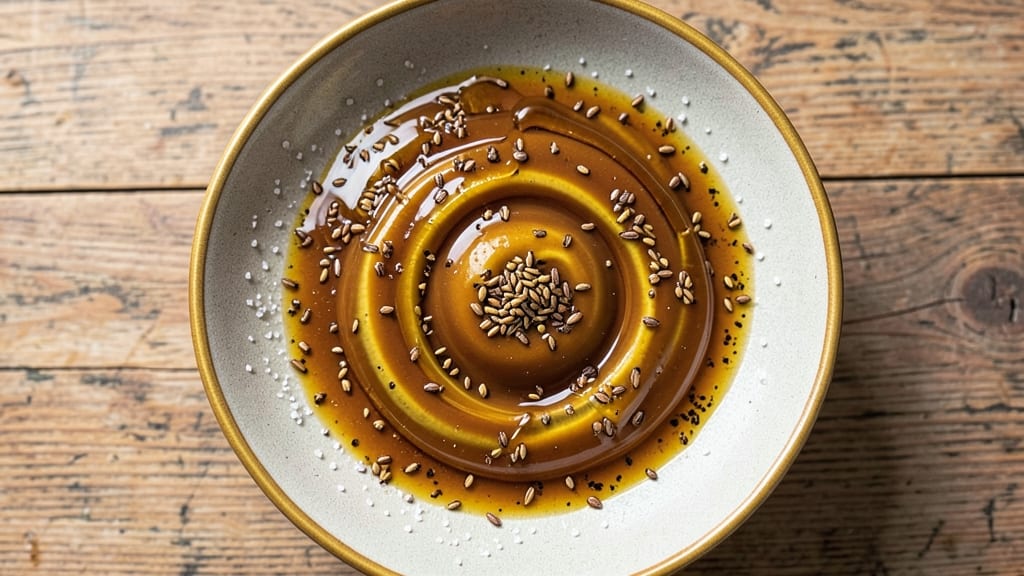
This celery seed salad dressing recipe transforms simple greens into a gourmet experience with its unique earthy depth and balanced flavor. The secret lies in a perfect blend of celery seeds, Dijon mustard, and apple cider vinegar that creates a smooth, tangy dressing without overpowering the salad's natural flavors.
Unlike store-bought versions, this recipe uses fresh ingredients and a simple emulsification technique to ensure every drop coats evenly.
The dressing begins with toasted celery seeds, which unlock their aromatic potential without bitterness. Combined with olive oil, vinegar, and a touch of honey, the flavors meld into a harmonious balance—earthy yet bright, savory yet refreshing.
The Dijon mustard acts as both an emulsifier and flavor enhancer, ensuring the dressing stays creamy and clings to every leaf.
What makes this dressing truly special is its versatility—it elevates everything from crisp romaine to hearty kale salads. The texture remains silky and consistent, even after shaking, and it keeps well in the refrigerator for up to two weeks.
No special equipment is needed, just a whisk or a jar for shaking.
Once you try this dressing, you’ll never reach for bottled again. The celery seed’s subtle warmth pairs beautifully with sharp cheeses, crunchy nuts, and fresh herbs, making it a game-changer for any salad. Let’s get started—your greens deserve this upgrade.
Ingredients for celery seed salad dressing
Nine simple ingredients transform ordinary salads into gourmet masterpieces with earthy celery depth.
| Ingredient | Amount | Notes |
|---|---|---|
| Celery Seeds 🌿 | 1 ½ tbsp | Toasted lightly for aroma |
| Extra-Virgin Olive Oil 🫒 | ¾ cup | High-quality, fruity variety |
| Apple Cider Vinegar 🍎 | ¼ cup | Raw, unfiltered preferred |
| Dijon Mustard 🍯 | 1 tbsp | Whole-grain preferred |
| Raw Honey 🍯 | 1 tbsp | Local honey for depth |
| Granulated Sugar 🍚 | 1 tbsp | Light brown sugar optional |
| Kosher Salt 🧂 | ½ tsp | Diamond Crystal preferred |
| Freshly Ground Black Pepper 🌶️ | ¼ tsp | Freshly cracked preferred |
| Water 💧 | 1 tbsp | Room temperature |
Celery seeds are the star—toast them lightly in a dry pan for 30 seconds to unlock their aromatic potential. Whole seeds from bulk bins at stores like Whole Foods or Trader Joe's deliver the best flavor. The Dijon mustard isn't just for flavor; it acts as the emulsifier that keeps this dressing silky. Maille brand is my go-to, but any quality whole-grain mustard works. For the olive oil, California avocado oil or Spanish olive oil adds a subtle nutty note that pairs beautifully with celery's earthiness. Don't compromise on quality here—cheap oil will make the dressing taste flat.
No Dijon mustard? Spicy brown mustard at half the amount works in a pinch, though the texture won't be as refined. Running out of apple cider vinegar? White wine vinegar or lemon juice both work, but the flavor profile shifts slightly. The honey can be swapped for maple syrup or agave nectar for a vegan version, though honey's floral notes complement the celery perfectly. For a sweeter dressing, add an extra teaspoon of sugar. If you prefer a thinner consistency, add an extra tablespoon of water—just whisk vigorously to maintain the emulsion. The salt and pepper are non-negotiable for balance, but feel free to adjust to taste after blending.
This dressing stays fresh for up to 2 weeks in the fridge, though the flavor peaks within the first week. Store it in a clean glass jar with a tight seal to prevent oxidation. Before each use, give it a good shake—the ingredients naturally separate, but the mustard emulsifies it right back together. For a restaurant-quality experience, chill the dressing for at least 30 minutes before serving to let the flavors meld. The dressing doubles as a marinade for grilled vegetables or a dip for crudité—just remember it's best used within 3 days for marinating purposes.
Why You'll Love This Recipe
- Five-Ingredient Magic: I swear by this one—just shake it up. Celery seeds add that earthy punch without measuring, and the honey cuts through the vinegar so smoothly. Honestly, I’ve made dressings with 10 ingredients that taste fancier but never hit this level of just right.
- Earthy-Sweet Balance: That first taste of Dijon and honey? It’s like a warm hug for your salad. The celery seeds bring this deep, almost herbal note that pairs perfectly with greens or grilled chicken—no weird aftertaste, just pure flavor.
- Weeknight Workhorse: Between us, this is my go-to for quick lunches or dinner prep. Toss it with roasted veggies, a simple grain bowl, or even as a dip—it’s that reliable. And because it’s vinegar-based, it keeps for ages in the fridge.
- Budget Brightener: Celery seeds are cheap, and a little goes a long way. I buy them in bulk, and this dressing costs pennies per serving. Plus, the olive oil and honey make it feel luxurious without breaking the bank—my wallet and taste buds win.
Step-by-step instructions for celery seed salad dressing
Here's how to blend earthy celery seeds into a balanced dressing that enhances greens without dominating.
Toast the Celery Seeds for Maximum Flavor
In a dry skillet over medium-low heat, toast the 1.5 tablespoons celery seeds for 1-2 minutes until they release their nutty aroma and turn a deeper golden color. Stir constantly to prevent burning—they're done when you smell that distinctive celery-like fragrance, not when they darken.
Toasted seeds develop complex flavors that raw seeds lack. Let them cool for 5 minutes before grinding, as hot seeds can scorch the oil when combined. I like to grind them in a spice grinder or mortar and pestle until they resemble coarse sand—this ensures even distribution without overpowering the dressing.
Whisk Together Wet Ingredients
In a medium bowl, combine the 0.75 cup extra-virgin olive oil, 0.25 cup apple cider vinegar, 1 tablespoon Dijon mustard, 1 tablespoon raw honey, 1 tablespoon granulated sugar, 0.5 teaspoon kosher salt, and 0.25 teaspoon freshly ground black pepper. Whisk vigorously for 2 minutes until the sugar and honey dissolve completely and the mixture emulsifies slightly.
The vinegar and mustard act as emulsifiers here, helping the oil and water-based ingredients blend smoothly. If you notice any separation, add 1 tablespoon water and whisk again—this ensures a stable dressing that won't split in your container. Taste at this stage to check the balance before adding the celery seeds.
Gradually Incorporate Toasted Celery Seeds
Slowly sprinkle the toasted celery seeds into the wet mixture while whisking continuously. The seeds should disperse evenly throughout the dressing, creating a subtle earthy undertone without making the dressing taste like celery alone. Whisk for an additional 1-2 minutes to fully integrate all ingredients.
Here's where the magic happens: the celery seeds should enhance, not overpower. If you're unsure, taste a small amount—you're aiming for a dressing that pairs beautifully with bitter greens like arugula or romaine. The honey and sugar will mellow the seeds' intensity while the vinegar adds brightness to balance the richness of the olive oil.
Adjust Consistency and Seasoning
If the dressing is too thick, gradually add 1-2 teaspoons water at a time while whisking until it reaches your desired consistency—it should coat the back of a spoon but still pour easily. For a thinner dressing, add 1-2 teaspoons more apple cider vinegar. Taste again and adjust seasoning if needed, adding more salt or pepper as necessary.
This dressing works best when used within 5-7 days when stored in an airtight container in the refrigerator. The celery seeds will mellow slightly over time, making the flavor even more subtle. Give it a good shake before each use, as the seeds may settle at the bottom. The perfect dressing should coat greens lightly, enhancing their natural flavors rather than masking them.
Pro Tips For Making Celery Seed Salad Dressing
- TOAST THE SEEDS FIRST: Celery seeds pack more punch when lightly toasted—just dry-toast them in a small pan over medium heat for 30 seconds until fragrant. Skipping this step means your dressing will taste flat; trust me, the aroma alone makes a difference.
- USE COLD OIL: Pour your extra-virgin olive oil cold into the vinegar-mustard mixture, then whisk vigorously—this emulsifies better than adding warm oil. I learned this the hard way after ending up with a split dressing every time.
- MEASURE HONEY BY WEIGHT: Liquid honey varies wildly in thickness; weigh it (or eyeball it in a spoon) instead of guessing by volume. A tablespoon of thick honey will behave very differently from runny honey, and your dressing’s balance will suffer.
- WHISK LIKE YOU MEAN IT: Don’t just stir—give that mustard-vinegar mix a proper whipping with a fork or whisk for 30 seconds before adding oil. The Dijon mustard needs to fully blend with the vinegar to avoid clumps, and lazy whisking leads to regret.
Troubleshooting great celery seed salad dressing
Emulsion Separation Fix
If your dressing suddenly splits into oily and vinegary layers, don’t panic—this happens when the emulsifiers (mustard and vinegar) weaken. Whisk in 1 teaspoon Dijon mustard or 1 tablespoon water while vigorously shaking the jar for 30 seconds.
The mustard’s proteins will rebind the oil and vinegar. For a more permanent fix, add ½ teaspoon xanthan gum (found in baking aisles) dissolved in 1 teaspoon warm water—this thickens the dressing and prevents future separation. 💡
Celery Seed Bitterness
If your dressing tastes overly bitter, it’s likely from over-toasting the seeds or using too much. To fix it, whisk in ½ teaspoon honey or 1 teaspoon maple syrup to balance the flavor.
For a more subtle approach, add 1 teaspoon fresh lemon juice—the acidity mellows the bitterness while adding brightness. Always taste as you go; a pinch of salt can also help round out harsh flavors. 🌿
Grainy Texture Issues
Unevenly ground celery seeds create a gritty texture. If this happens, pulse the seeds in a food processor for 5-10 seconds until they’re finely ground but not powdered. Alternatively, strain the dressing through a fine-mesh sieve to remove any large particles.
For future batches, toast and grind seeds more thoroughly—aim for a consistency similar to coarse sand. This ensures a silky texture without sacrificing flavor. ✨
Oily Aftertaste
A strong olive oil flavor can dominate if the dressing sits too long or if you used a low-quality oil. To fix it, add 1 teaspoon apple cider vinegar or lemon juice to cut through the richness.
For a more dramatic change, whisk in 1 teaspoon fresh dill or tarragon—herbs add freshness that balances the oil. Always use extra-virgin olive oil for the best flavor profile. 🫒
Storage-Related Flavor Loss
If your dressing loses its punch after a week in the fridge, it’s likely oxidized. Store it in a dark glass jar (like a Ball mason jar) to block light, which degrades flavors.
Before using, whisk in ½ teaspoon fresh lemon juice or a pinch of salt to revive it. For best results, make fresh batches every 10-14 days—freshness is key to that bright, earthy flavor. ❄️
Nutrition facts
Frequently asked questions
Can I make this dressing without Dijon mustard?
Yes, but the texture may be less stable. Use 1 teaspoon spicy brown mustard instead, though it won't emulsify as well. For a vegan option, replace the mustard with 1 tablespoon ground flaxseed mixed with 2 tablespoons water (let it thicken for 5 minutes first). The flavor will be subtly different but still delicious.
How do I prevent the celery seeds from making the dressing taste too strong?
Toast the seeds lightly (just until fragrant) and grind them coarsely—not powdered. Start with 1 teaspoon instead of 1.5 tablespoons to test the flavor, then adjust. The honey and vinegar naturally balance the earthiness, so don't skip them! For a milder taste, add ½ teaspoon fresh dill or tarragon to complement the celery.
Can I use this dressing for anything besides salads?
This versatile dressing works as a marinade for grilled vegetables or chicken, a dip for raw veggies, or even a drizzle over roasted potatoes. For marinating, use it within 3 days and toss with proteins for 1-2 hours max. The celery seeds add depth to any dish where you'd normally use a basic vinaigrette.
Why did my dressing separate after a few days?
Separation happens when emulsifiers weaken over time. Fix it by whisking in 1 teaspoon Dijon mustard or shaking vigorously with 1 tablespoon water. For future batches, store in a glass jar (not plastic) and keep it chilled. The mustard and vinegar combo should keep it stable for 2 weeks if stored properly.
What's the best way to store leftovers?
Transfer to a clean, airtight glass jar and refrigerate for up to 2 weeks. Shake well before each use—the seeds may settle. For longer storage, freeze in ice cube trays (thaw overnight in the fridge). The flavor actually improves slightly after 3-4 days in the fridge as the celery seeds mellow.