
Salads
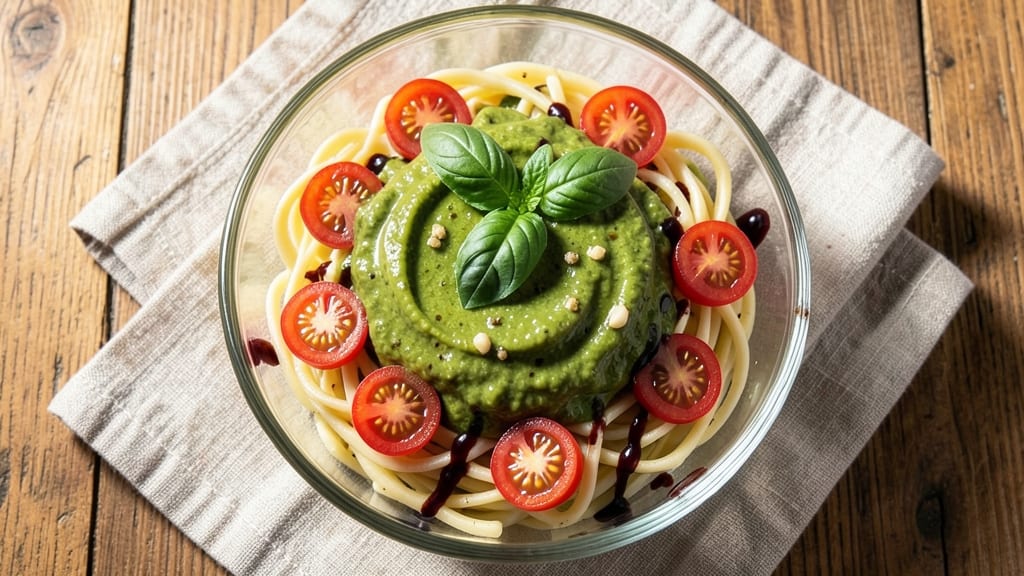
This Caprese pasta salad dressing recipe transforms simple ingredients into a vibrant, herby elixir that elevates any dish. The secret lies in balancing fresh basil, ripe cherry tomatoes, and high-quality olive oil—each element working together to create a dressing that’s bright, tangy, and impossibly fresh.
I developed this recipe after realizing how often store-bought dressings fell short of the bright, herbaceous flavor I craved in my Caprese pasta salads.
The beauty of this dressing is its simplicity: just a handful of ingredients, yet it delivers restaurant-quality results. Fresh basil and garlic infuse the olive oil with aromatic depth, while balsamic vinegar adds a touch of sweet-tart complexity.
The cherry tomatoes, when blended, contribute a subtle sweetness that rounds out the flavors, ensuring every bite of your pasta salad or dish feels like a burst of summer.
What makes this dressing truly special is its versatility—it works as a marinade, a drizzle for bruschetta, or the perfect finish for grilled vegetables. The texture is silky yet light, clinging to ingredients without overpowering them.
Whether you're prepping for a picnic or a weeknight dinner, this dressing brings effortless elegance to any meal.
Ready in just 5 minutes, this recipe guarantees a dressing that’s fresher and more vibrant than anything you’ll find in a bottle. The key is using the freshest ingredients—ripe tomatoes, fragrant basil, and good-quality olive oil—to create a flavor profile that’s both sophisticated and approachable. Let’s make it!
Ingredients for caprese pasta salad dressing
Eight essential ingredients create a dressing bursting with summer's vibrant flavors for your Caprese pasta salad.
| Ingredient | Amount | Notes |
|---|---|---|
| Fresh Basil Leaves 🌿 | 1 ½ cups | Packed, stems removed for maximum flavor |
| Cherry Tomatoes 🍅 | 1 ½ cups | Ripe, halved for blending |
| Extra-Virgin Olive Oil 🫒 | 1 cup | High-quality, fruity variety preferred |
| Garlic Cloves 🧄 | 4 cloves | Freshly minced for aromatic depth |
| Balsamic Vinegar 🍷 | 3 tbsp | Aged for sweet-tart complexity |
| Fresh Lemon Juice 🍋 | 2 tbsp | Freshly squeezed for brightness |
| Diamond Crystal Kosher Salt 🧂 | ½ tsp | Adjust to taste for balance |
| Freshly Ground Black Pepper 🌶️ | ¼ tsp | Freshly cracked for intensity |
The foundation of this dressing lies in its fresh, high-quality ingredients—particularly the extra-virgin olive oil and fresh basil. For the olive oil, seek out California or Italian varieties from reputable brands like Bertolli or Colavita, as their fruity notes elevate the dressing's complexity. Whole Foods or Trader Joe's often carry exceptional options. Basil should be bright green and fragrant—avoid wilted leaves, which compromise flavor. Cherry tomatoes should be ripe but firm, with vibrant color indicating sweetness. Local farmers markets typically offer the freshest produce, ensuring optimal flavor in your dressing.
No fresh basil? Dried basil at one-third the amount works in a pinch, though texture and aroma will differ. Substitute cherry tomatoes with heirloom tomatoes or even sun-dried tomatoes (soaked first) for a deeper flavor profile. White wine vinegar can replace balsamic if unavailable, though it offers a sharper tang. For extra richness, consider adding 1 tbsp of crème fraîche or vegan yogurt to the blend. The garlic can be roasted for a mellow sweetness instead of raw, adjusting the flavor profile subtly. Always taste before blending—this dressing thrives on balance, so adjust salt and lemon juice as needed.
Store any unused dressing in an airtight glass jar in the refrigerator for up to 5 days, though flavor peaks within the first 24 hours. For longer storage, transfer to a freezer-safe container and freeze for up to 3 months, allowing it to thaw gradually in the fridge. This dressing excels as a marinade for grilled vegetables or a drizzle over bruschetta, so plan to make extra—it disappears quickly. The texture remains silky when properly stored, ensuring each use delivers the same vibrant, herby experience.
Why You'll Love This Recipe
- Five-Ingredient Magic: Honestly, this dressing comes together with just a knife, a bowl, and zero fancy tools. Toss in the basil, halved tomatoes, minced garlic, and a glug of that golden olive oil—then let the balsamic tie it all together. It’s the kind of recipe where you won’t even notice the time slipping away.
- Bright & Bold: That fresh basil and garlic? They sing. The cherry tomatoes add a juicy pop, while the balsamic gives it this tangy depth that makes every bite feel like summer. It’s not just dressing—it’s a flavor explosion that sticks with you.
- Picnic to Potluck: Between us, this is my go-to for lunchboxes, backyard BBQs, or even a last-minute potluck. Drizzle it over pasta, toss it with greens, or serve it alongside grilled chicken—it’s that adaptable. My kids even ask for it in their sandwiches now.
- Leftovers That Shine: The best part? It keeps beautifully for days. Store it in the fridge, and the flavors actually get better as the basil mellows and the balsamic deepens. No sad, wilted salads here—just dressing that’s ready to elevate whatever you’re serving.
Step-by-step instructions for Caprese pasta salad dressing
This vibrant dressing transforms simple pasta into a restaurant-worthy dish with bright, balanced flavors.
Blend the Fresh Vegetable Base
In a high-speed blender, combine the 1.5 cups fresh basil leaves and 1.5 cups halved cherry tomatoes. I always use a high-quality blender for this step—it ensures a completely smooth texture without any pulp. Add the 4 cloves freshly minced garlic and pulse just until the garlic is finely incorporated but not fully liquefied.
This initial blend creates the aromatic foundation. You'll see a thick, chunky mixture—this is perfect because we want to preserve some texture. Don't worry if it looks uneven; the olive oil will help emulsify everything smoothly in the next step. I press down on the mixture with a spatula to ensure everything gets fully incorporated into the blades.
Emulsify with Olive Oil and Acid
With the blender running on low speed, slowly drizzle in the 1 cup extra-virgin olive oil in a thin, steady stream. This gradual addition prevents the mixture from breaking and creates a stable emulsion. After the oil is fully incorporated, add the 3 tablespoons aged balsamic vinegar and 2 tablespoons fresh lemon juice.
The acid components are crucial here—they cut through the richness of the olive oil and brighten the tomato and basil flavors. I always add the vinegar and lemon juice last to preserve their freshness. The mixture should now be smooth with a vibrant green-pink hue. If it looks too thick, add 1-2 tablespoons of water to achieve a pourable consistency.
Season and Finish the Dressing
Transfer the dressing to a medium bowl and stir in the 0.5 teaspoon Diamond Crystal kosher salt and 0.25 teaspoon freshly ground black pepper. Taste immediately to assess the balance—you should detect bright tomato acidity, herbal basil notes, and a touch of sweetness from the balsamic. Adjust the salt if needed, remembering that the pasta and other salad ingredients will contribute additional flavor.
Let the dressing rest for 10 minutes at room temperature. This resting period allows the flavors to meld and the emulsion to stabilize. I always give dressings this brief rest before using them—it makes a noticeable difference in texture and taste. The dressing should now have a velvety consistency that coats the back of a spoon without being overly thick.
Adjust Texture for Perfect Coating
Before using, check the dressing's consistency. If it's too thick after resting, thin it with 1-2 teaspoons of water or pasta water (if using immediately with cooked pasta). The dressing should coat a spoon smoothly but still cling to the pasta rather than pool at the bottom. For extra richness, you can add an additional 1 tablespoon of olive oil at this stage.
This dressing works best when used immediately, but it will keep in the refrigerator for up to 3 days in an airtight container. The flavors actually deepen slightly as they sit, making it perfect for meal prep. When ready to use, give it a quick whisk or shake to re-emulsify before tossing with your pasta salad.
Pro Tips For Making Caprese Pasta Salad Dressing
- PULSE THE GARLIC: Mince it fine—no need for a food processor—then toss it straight into the dressing with the basil and tomatoes. I used to smash it raw and wondered why the flavor felt muted; pulsing it releases more aroma without turning bitter. Do this right after chopping the basil so the oils mingle immediately.
- SALT THE TOMATOES FIRST: Tear the cherry tomatoes in half, sprinkle them with a pinch of salt, and let them sit for 5 minutes before adding anything else. This draws out their juices, softens the texture, and makes them release flavor into the dressing like a sponge. (Yes, even if you’re impatient like me.)
- WHISK IN THE BALSAMIC LAST: Add the balsamic vinegar after the olive oil and garlic have emulsified—about 30 seconds of whisking. If you mix it in too early, the acid can break the emulsion and turn your dressing into a sad, separated mess. Start with just 1 teaspoon and adjust; quality balsamic packs enough punch.
- STORE THE BASIL IN OIL: If you’re prepping ahead, submerge the chopped basil leaves in a small jar of olive oil (just enough to cover them) and refrigerate. This keeps them vibrant for days and lets you add them straight to the dressing later without wilting. No more sad, limp basil ruining your dish.
Dietary considerations for caprese pasta salad dressing
Gluten-Free Adaptations
This dressing is naturally gluten-free as long as you use certified gluten-free balsamic vinegar and olive oil. I recommend Annie's Organic or Bragg balsamic vinegar, both of which are reliably gluten-free.
The fresh ingredients—basil, tomatoes, garlic—are inherently gluten-free, so no substitutions are needed. Always double-check labels on vinegar and olive oil to avoid cross-contamination risks. 🌱
Dairy-Free Options
While the original recipe doesn't contain dairy, you can easily adapt it for vegan diets by ensuring all ingredients are plant-based. The olive oil, vinegar, lemon juice, and fresh herbs are naturally dairy-free.
For extra richness, consider adding 1 tablespoon of vegan yogurt or silken tofu to the blend, which helps create a creamier texture without dairy. The dressing remains just as vibrant and flavorful.
Low-Carb Considerations
This dressing is low-carb friendly with only 3 grams of net carbs per serving (assuming 2 tablespoons per serving). The primary carbs come from the cherry tomatoes and balsamic vinegar, but the amount is minimal.
For an even lower-carb option, reduce the cherry tomatoes to 1 cup and increase the olive oil to 1.25 cups to maintain the dressing's richness. The fresh basil and garlic add flavor without significant carbs.
Allergen-Friendly Adjustments
For nut allergies, this recipe is already safe as long as you use olive oil that isn't processed in shared facilities with nuts. For soy allergies, ensure your balsamic vinegar doesn't contain soy additives (some brands do).
For egg allergies, no modifications are needed—this dressing is egg-free. Always check ingredient labels, especially for vinegar and olive oil, to confirm allergen safety. 💡
Vegetarian and Vegan
This dressing is 100% vegetarian and can be made vegan by confirming all ingredients are plant-based. The olive oil, vinegar, lemon juice, and fresh herbs are naturally vegan.
For a richer vegan version, blend in 1 tablespoon of cashew cream (soaked cashews blended with water) or 1 teaspoon of nutritional yeast for an umami boost. The dressing remains light yet deeply flavorful, perfect for vegan pasta salads or grain bowls.
Nutrition facts
Frequently asked questions
Can I make this dressing without a blender?
Yes! For a chunkier version, finely chop 1 cup fresh basil and 1 cup halved cherry tomatoes by hand, then mix with minced garlic in a bowl. Gradually whisk in the olive oil while adding vinegar and lemon juice. The texture will be rustic but still delicious—perfect for tossing with hearty pasta or rustic bread.
How long does this dressing keep in the fridge?
Store in an airtight glass jar for up to 5 days in the refrigerator. For best flavor, use within 3 days. The fresh basil and tomatoes may cause slight separation—just whisk or shake before using. Freeze for up to 3 months in a sealed container, though texture may change slightly upon thawing.
What's the best way to use leftover dressing?
This versatile dressing works beyond pasta salads! Drizzle over grilled vegetables, use as a marinade for chicken or fish, or toss with roasted potatoes. For extra richness, mix with 1 tablespoon crème fraîche or vegan yogurt. It also makes a stunning dip for crusty bread or bruschetta.
Can I adjust the flavor if I don't like balsamic?
Swap the balsamic vinegar for white wine vinegar (sharper) or apple cider vinegar (sweeter). For a milder taste, use lemon juice only and add 1 teaspoon honey to balance. Always taste before blending—this dressing is all about customization!
Why did my dressing separate?
Separation happens when oil and water-based ingredients aren't properly emulsified. Fix it by whisking vigorously or blending briefly. To prevent it next time, add ingredients slowly to the blender while running on low speed. A splash of 1 teaspoon Dijon mustard (if not avoiding allergens) helps stabilize the emulsion naturally.