
Salads
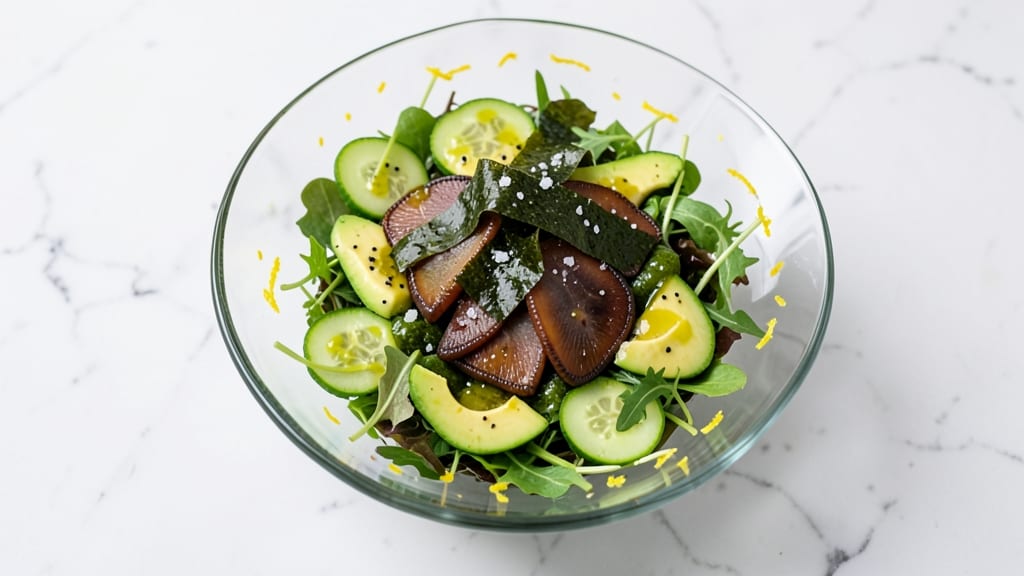
Abalone salad transforms delicate seafood into a restaurant-worthy dish with crisp textures and bright citrus flavors. The key lies in properly cooking the abalone—searing it just until tender—then pairing it with a zesty dressing that cuts through its natural richness.
This recipe balances umami depth with refreshing acidity, creating a dish that feels both elegant and approachable for weeknight dinners or special occasions.
What makes this salad special is the contrast between the abalone's tender, slightly chewy bite and the crunch of fresh vegetables like cucumber, avocado, and edible seaweed. The citrusy dressing—made with lime, yuzu, and a touch of honey—brightens every component while the sesame seeds add a nutty finish.
Unlike traditional seafood salads, this version relies on minimal oil and maximum freshness to keep the flavors vibrant.
The result is a visually stunning dish that delivers on both texture and flavor—each bite offers a harmonious blend of oceanic richness and garden-fresh brightness. Perfect for pescatarians or anyone craving a lighter yet satisfying seafood meal, this salad proves that elegant dining doesn't require complicated techniques.
The preparation is straightforward, but the outcome feels distinctly special.
Serve this abalone salad chilled on a bed of mixed greens or over a crisp lettuce base, garnished with microgreens or thinly sliced scallions for extra freshness.
The dish pairs beautifully with a crisp white wine or sparkling water with lemon, making it ideal for lunches, light dinners, or even as an appetizer for gatherings. Here's how to create it step by step.
Ingredients for abalone salad
Elegant seafood meets vibrant citrus in this carefully balanced abalone salad.
| Ingredient | Amount | Notes |
|---|---|---|
| Fresh Abalone 🦪 | 1 ½ lb | Sliced into 1/4-inch thick pieces |
| Persian Cucumbers 🥒 | 1 whole | Thinly sliced lengthwise |
| Avocados 🥑 | 2 whole | Ripe, pitted and diced |
| Edible Seaweed Sheets 🌿 | 4 pieces | Thinly sliced, toasted lightly |
| Mixed Baby Greens 🥬 | 6 cups | Butter lettuce and arugula blend |
| Lime Zest 🍋 | 1 tbsp | Freshly grated, no pith |
| Yuzu Juice 🍊 | ⅓ cup | Freshly squeezed, substitute lime |
| Extra-Virgin Olive Oil 🫒 | ¼ cup | Light, fruity variety |
| Raw Honey 🍯 | 1 tbsp | Local preferred for floral notes |
| Toasted Sesame Seeds 🌰 | 1 tbsp | Lightly toasted in dry pan |
| Microgreens 🌱 | ¼ cup | Pea shoots or red veined sorrel |
| Scallions 🧅 | 3 whole | Thinly sliced, white and green |
| Diamond Crystal Kosher Salt 🧂 | ½ tsp | For seasoning abalone |
| Freshly Ground Black Pepper 🌶️ | ¼ tsp | Cracked peppercorns preferred |
The abalone is the star, so prioritize quality—look for fresh, sushi-grade pieces at specialty seafood markets like Whole Foods or Trader Joe's. If buying frozen, thaw overnight in the fridge. The seaweed should be bright green and crisp, not wilted; Asian markets carry the best selection. For the greens, a mix of butter lettuce and arugula provides both tenderness and peppery contrast. The avocados should be firm but yielding—never mushy. If prepping ahead, store the abalone and dressing separately to maintain texture.
No yuzu juice? Substitute lime juice with a pinch of salt to mimic the brightness. For the seaweed, dried nori sheets work in a pinch, but toast them briefly to restore crispness. The sesame seeds can be swapped for toasted pumpkin seeds if nut allergies are a concern. If your honey crystallizes, gently warm it in a bowl of hot water to restore liquid form. The dressing should be lightly emulsified—shake it well before using. For extra umami depth, add a dash of soy sauce to the dressing, but keep it subtle to avoid overpowering the delicate abalone flavor.
Store the abalone and dressing separately in airtight containers for up to 2 days in the fridge, but assemble the salad just before serving to preserve crispness. The seaweed and microgreens should be stored in a single layer on paper towels to prevent wilting. This salad reheats poorly, so plan to serve it chilled. For make-ahead convenience, pre-cook the abalone and store it in the fridge for up to 3 days, then sear just before assembling. The dressing keeps for 1 week refrigerated, making it ideal for batch prep.
Why You'll Love This Recipe
- No-Chop Necessary: I swear, this salad comes together faster than I can say "seafood night." The abalone is pre-cooked and ready to slice—just a quick chop of cucumbers and avocado, and you’re done. Honestly, the hardest part is deciding who gets the first bite.
- Umami Bomb: That first forkful? The abalone’s briny sweetness paired with the crisp, cool cucumbers and creamy avocado is ridiculously good. The seaweed sheets add this subtle oceanic depth—like a secret ingredient only the pros know about.
- Lunchbox Hero: Between us, this salad is my go-to for packed lunches or picnic spreads. The seaweed keeps it fresh for days, and the greens stay crisp even after a day in the fridge. (Yes, even on a Tuesday night when I’m too tired to think.)
- Budget Luxe: Fresh abalone might sound fancy, but a single piece stretches across multiple meals when paired with affordable greens and veggies. I’ll be real: it makes a simple salad feel like a restaurant-worthy dish without breaking the bank.
Step-by-step instructions for ocean-inspired abalone salad
This elegant abalone salad balances delicate seafood with vibrant citrus and umami-rich seaweed.
👨🍳 Step 1: Prepare the Abalone for Cooking
Begin by slicing the 1.5 lb fresh abalone into ¼-inch thick pieces using a sharp chef's knife. The abalone should be firm but not rubbery—press gently to test freshness. Pat each slice dry with paper towels to remove any moisture, which helps create a better sear.
Season both sides generously with the 0.5 tsp Diamond Crystal kosher salt and 0.25 tsp freshly ground black pepper. This seasoning enhances the abalone's natural sweetness while preventing it from drying out during cooking. Let the slices sit at room temperature for 10 minutes before cooking to ensure even doneness.
🔥 Step 2: Sear the Abalone to Perfection
Heat a nonstick skillet over medium-high heat until hot but not smoking. Add the abalone slices in a single layer, leaving space between them to prevent steaming. Cook for 2-3 minutes per side until the edges turn opaque and slightly golden—this indicates proper doneness without overcooking.
Remove the abalone from the pan and set aside on a wire rack to cool for 5 minutes. The residual heat will finish cooking the center while allowing the exterior to crisp slightly. If the pan releases any rendered juices, reserve 1 tablespoon for later use in the dressing.
👨🍳 Step 3: Assemble the Salad Base
In a large mixing bowl, combine the 6 cups mixed baby greens with the 0.25 cup microgreens and 3 thinly sliced whole scallions. The baby greens should be dry—if they appear damp, pat them gently with a paper towel to prevent a soggy salad. Add the 2 diced whole avocados and 1 whole thinly sliced Persian cucumber to the bowl.
Gently toss the ingredients with a pair of tongs, being careful not to bruise the avocado or cucumber. The avocado should be ripe but firm enough to hold its shape—if it feels too soft, chill the salad for 10 minutes before assembling to prevent browning.
🥘 Step 4: Create the Citrusy Dressing
In a small bowl, whisk together the 0.33 cup yuzu juice (or lime juice), 0.25 cup extra-virgin olive oil, 1 tbsp raw honey, and 1 tbsp lime zest. The honey and citrus create a bright contrast to the abalone's richness. Add the 1 tbsp toasted sesame seeds and 4 lightly toasted edible seaweed sheets, sliced into thin strips.
Taste the dressing and adjust the balance of sweetness and acidity—you want a tangy, slightly sweet profile that complements the abalone. If the dressing is too thick, add 1-2 teaspoons of water to achieve a pourable consistency.
🥗 Step 5: Combine and Serve
Arrange the abalone slices on top of the greens in an overlapping pattern for visual appeal. Drizzle the dressing evenly over the salad, allowing it to coat the abalone and greens without pooling at the bottom. The abalone should be warm, while the greens remain crisp—this contrast in temperatures enhances the dining experience.
Garnish with an additional sprinkle of toasted sesame seeds and thin seaweed strips for texture. Serve immediately to preserve the abalone's tenderness and the greens' crispness. This salad pairs beautifully with chilled sake or a crisp white wine.
Pro Tips For Making Abalone Salad
- Sear Abalone First: Hit the abalone with a quick sear in a screaming-hot pan—just 30 seconds per side—before slicing it thin. This locks in moisture and gives the salad that restaurant-quality texture. I learned this the hard way when my first batch turned rubbery after sitting in lemon juice too long.
- Dry the Seaweed: Pat those edible seaweed sheets completely dry with paper towels before tearing them into strips. Wet sheets turn mushy in the dressing and ruin the crunch. Sounds tedious, but it’s the thing that keeps your salad from tasting like soggy paper.
- Slice Cucumbers Last: Wait until the very end to slice the Persian cucumbers—right before assembling the salad. Their skin holds up better if you skip peeling, but the flesh bruises fast once cut. I used to prep everything ahead, and the cucumbers always looked sad by serving time.
- Acidify Avocados Early: Toss the avocado slices in half the dressing as soon as you slice them—even if it’s 10 minutes before serving. The acid in the dressing prevents browning and keeps them looking fresh. I know, I know, it’s an extra step, but your salad will thank you.
Regional styles of these flavors
Japanese Coastal Style
In Japan, abalone salad often features a delicate balance of umami and freshness, with ingredients like wakame seaweed and yuzu taking center stage.
For a Japanese-inspired twist, replace the edible seaweed sheets with dried wakame (rehydrated in cold water for 10 minutes), and swap the citrus dressing for a soy-ginger vinaigrette.
Mix 2 tbsp soy sauce, 1 tbsp rice vinegar, 1 tsp grated fresh ginger, and 1 tbsp sesame oil for a lighter, more refined flavor. Garnish with toasted nori strips and thinly sliced shiso leaves for an authentic touch. 🌿
California Coastal Twist
California’s coastal cuisine leans into bold, fresh flavors with a touch of spice. Swap the yuzu for lime and a pinch of chili powder in the dressing, and add diced mango (about ½ cup) to the salad for a tropical contrast.
Top with crumbled feta cheese and toasted almonds for crunch. This version works beautifully with avocado oil instead of olive oil for a lighter, more buttery finish. Serve with a sparkling rosé to complement the bright, citrusy notes. 🍹
Mediterranean-Inspired
For a Mediterranean flair, replace the sesame seeds with toasted pine nuts and the seaweed with thinly sliced radishes and kalamata olives (about ½ cup). Use a lemon-olive oil dressing with 1 tbsp capers and 1 minced garlic clove for a briny depth.
Add cherry tomatoes (halved) and fresh basil leaves for a garden-fresh vibe. This version pairs perfectly with grilled octopus on the side for a full seafood spread. 🍅
Asian Fusion Adaptation
In Asian-inspired versions, goji berries and shredded carrots add color and sweetness. Toss in 1 tbsp dried goji berries (rehydrated) and ½ cup julienned carrots for crunch. Use a sesame-chili dressing with 1 tsp sriracha and 1 tbsp toasted sesame oil for heat.
Garnish with cracked black pepper and thinly sliced scallions for a vibrant finish. This version is especially popular in Hawaii, where abalone is often paired with pineapple for a sweet-savory balance. 🌺
Light Summer Version
For a lighter, summer-friendly adaptation, skip the avocado and use cucumber ribbons (peeled with a vegetable peeler) instead. Add diced watermelon (about 1 cup) for juiciness and mint leaves for freshness.
The dressing can be made with cucumber water (blend and strain ½ cup cucumber with ¼ cup water) for a hydrating twist. Serve in chilled glass bowls with ice cubes on the side for a refreshing, no-cook option. 🍉
Nutrition facts
Frequently asked questions
How do I properly cook abalone for this salad?
Sear abalone slices in a hot pan over medium-high heat for 2-3 minutes per side until edges turn opaque and slightly golden. The key is to avoid overcooking—abalone should remain tender with a slightly crisp exterior. Let them rest for 5 minutes after cooking to finish carrying over heat. Pro tip: Pat slices dry before seasoning to ensure a better sear.
Can I substitute frozen abalone for fresh?
Yes, but thaw it properly first! Place frozen abalone in the refrigerator overnight for even thawing. Never use microwave thawing as it can make the texture mushy. Once thawed, pat dry and cook immediately following the same searing method as fresh abalone. For best results, buy "sushi-grade" frozen abalone from trusted seafood markets.
What's the best way to store leftover abalone salad?
Store components separately in airtight containers for up to 2 days. Keep the cooked abalone, dressing, and greens in separate containers. Reassemble just before serving to maintain crispness. The seaweed and microgreens should be stored in a single layer on paper towels to prevent wilting. For longer storage, freeze the cooked abalone separately for up to 3 months.
How can I make this salad spicier?
Add heat to the dressing by incorporating ½ teaspoon of sriracha or 1 teaspoon of chili flakes into the citrus mixture. For extra kick, sprinkle finely chopped red chili or toasted chili seeds on top before serving. Start with small amounts—abalone's natural richness can be easily overpowered by too much spice.
What wine pairs best with abalone salad?
A crisp Sauvignon Blanc or Albariño complements the citrusy dressing beautifully. For a sparkling option, try Prosecco or dry cava to cleanse the palate between bites. If you prefer red, a light Pinot Noir works well with the umami notes. Always serve wine chilled—around 45-50°F for whites and 50-55°F for reds.