
Sauces & Condiments
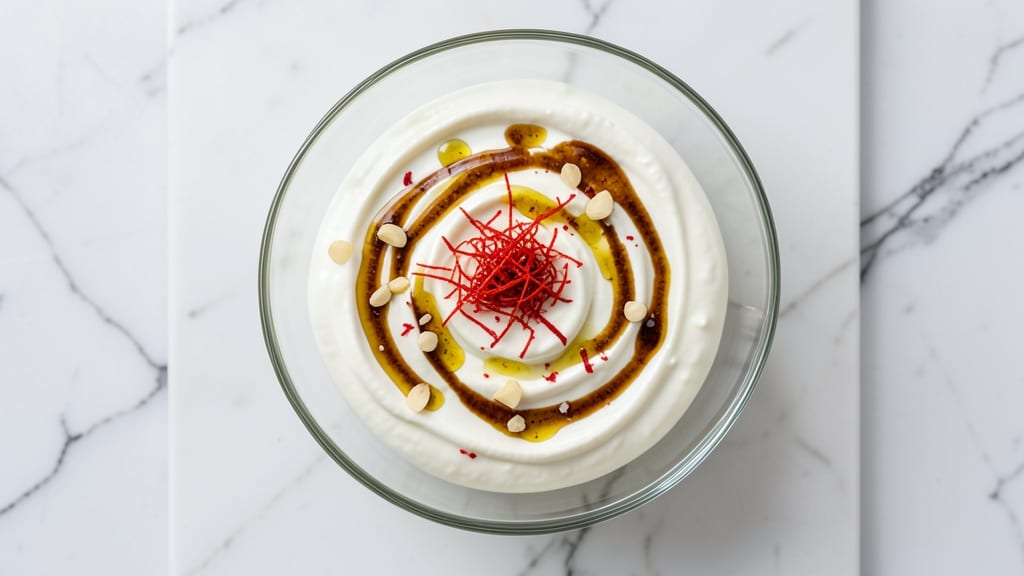
A recipe for salad dressing calls for 3 tablespoons of something special—this time, it’s creamy richness without mayo, achieved through a clever balance of Greek yogurt and buttermilk. The result is a velvety, tangy dressing that clings perfectly to greens while keeping your salad light and refreshing.
I developed this after years of struggling with dressings that were either too thin or too heavy, and this formula finally hits that sweet spot.
The secret lies in the emulsification technique, where Greek yogurt provides thickness while buttermilk adds tang and prevents separation. You’ll whisk together just 6 simple ingredients—no blender required—and achieve a dressing that’s smooth, balanced, and restaurant-quality in under 5 minutes.
The Dijon mustard acts as a natural emulsifier, ensuring the dressing stays cohesive even after chilling.
What makes this dressing stand out is its versatility—it works equally well on crisp arugula, hearty kale, or even as a dip for veggie sticks. The herbs stay vibrant, and the flavor profile remains bright without overpowering the salad.
Plus, it keeps in the fridge for up to a week, making it perfect for meal prep.
For those watching their fat intake, this dressing delivers rich flavor with half the calories of traditional creamy dressings, thanks to the yogurt’s natural thickness. The buttermilk adds a subtle sweetness that rounds out the acidity, while the garlic and lemon brighten every bite.
Ready to elevate your salads? Here’s how to make it.
Ingredients for a recipe for salad dressing calls for 3 tablespoons
Six simple ingredients transform into a velvety dressing that’s creamy without mayo.
| Ingredient | Amount | Notes |
|---|---|---|
| Plain Greek Yogurt 🧀 | ½ cup | Full-fat for creaminess |
| Buttermilk 🥛 | ½ cup | Substitute with milk + 1 tbsp vinegar |
| Dijon Mustard 🌶️ | 1 tbsp | For emulsification and tang |
| Extra-Virgin Olive Oil 🫒 | ¼ cup | High-quality for richness |
| Fresh Lemon Juice 🍋 | 2 tbsp | Freshly squeezed preferred |
| Fresh Garlic Cloves 🧄 | 2 cloves | Minced for subtle depth |
| Diamond Crystal Kosher Salt 🧂 | ½ tsp | Adjust to taste |
| Fresh Dill or Chives 🌿 | 1 tbsp | Chopped, optional garnish |
The Greek yogurt is the star—full-fat gives that luxurious texture without heaviness. I grab Fage 5% at Trader Joe's because it’s thick and tangy, but any plain Greek yogurt works. The buttermilk adds that signature tang, but if you’re fresh out, mix 1 tbsp lemon juice or vinegar into regular milk and let it sit for 5 minutes. For the olive oil, California avocado oil is my go-to—it’s neutral and stays stable when chilled. The Dijon mustard isn’t just for flavor; it’s the secret emulsifier that keeps everything smooth.
No buttermilk? Sour cream thinned with a splash of milk works in a pinch, though it’ll be slightly less tangy. Running low on garlic? Garlic powder at half the amount gets you close, but fresh is worth it. The lemon juice should be freshly squeezed—bottled just doesn’t cut it. For a milder flavor, swap the dill or chives for parsley or basil. And if you’re watching calories, you can reduce the olive oil by 1 tbsp without sacrificing much richness.
This dressing keeps beautifully—up to 1 week in the fridge if you seal it tightly. I like to store it in a small mason jar so it’s ready to shake and pour. If it separates, just give it a good whisk before using. For extra vibrancy, add the fresh herbs right before serving. The flavor actually improves after a day or two, so make a batch and enjoy it all week.
Why You'll Love This Recipe
- No-Measuring Madness: I keep this dressing in my fridge all the time—just scoop 3 tablespoons of yogurt, dump in a splash of buttermilk, and stir. That’s it. No scales, no stress, just reliable tang every time.
- Tangy Magic: The Greek yogurt gives it that thick, velvety body, while the lemon juice cuts right through—bright and sharp, like a summer breeze. Honestly, it’s the kind of dressing that makes even a simple green salad feel like a celebration.
- Lunchbox Hero: Between us, this is my go-to for packed lunches. The buttermilk keeps it fresh for days, and the Dijon mustard adds just enough kick to wake up those wilted greens by afternoon. (Yes, even on a Tuesday.)
- Pantry Stash: I make a big batch on Sundays—it costs me pennies and lasts forever. The olive oil and lemon juice don’t spoil, and the yogurt-buttermilk base turns everything it touches into a standout. My wallet and taste buds thank me weekly.
Step-by-step instructions for creamy yogurt-based salad dressing
This dressing comes together in minutes with no cooking required—just whisk and enjoy.
Whisk Yogurt and Buttermilk Until Smooth
In a medium bowl, combine the 0.5 cup plain Greek yogurt and 0.5 cup buttermilk. Use a whisk to blend them together until completely smooth—you should see no streaks of either ingredient remaining. The buttermilk helps create that signature tang while keeping the dressing light and creamy.
I like to let the mixture sit for 1-2 minutes before proceeding. This gives the yogurt time to slightly thicken, which makes the dressing more stable when you add the oil later. If it feels too thick, you can thin it slightly with 1 tablespoon water at this stage, but it should be just right for the next step.
Add Mustard and Lemon Juice for Tang
Next, stir in the 1 tablespoon Dijon mustard and 2 tablespoons fresh lemon juice. The mustard acts as an emulsifier, helping to bind the oil and yogurt together later. The lemon juice adds brightness and prevents the dressing from tasting too heavy.
Give it a taste at this point—you might think it's too tart, but remember the oil and salt will balance it out. The mixture should look like a pale yellow custard with no lumps. If you notice any graininess in the yogurt, strain it through a fine-mesh sieve to ensure a silky texture in the final dressing.
Gradually Incorporate the Olive Oil
With the mixture still in the bowl, very slowly drizzle in the 0.25 cup extra-virgin olive oil while whisking continuously. This gradual addition is crucial—it prevents the dressing from separating. Start with just a few drops at first, then increase to a steady stream as the mixture begins to emulsify.
Keep whisking for about 30-45 seconds after all the oil is added. You'll know it's working when the dressing thickens slightly and becomes glossy. If it starts to look curdled or breaks apart, add another 1 teaspoon of lemon juice and whisk vigorously for another 10 seconds. This happens sometimes when the acidity isn't perfectly balanced.
Finish with Garlic, Salt, and Herbs
Add the 2 minced garlic cloves, 0.5 teaspoon kosher salt, and 1 tablespoon chopped fresh dill or chives. Stir everything together until the garlic is evenly distributed and the herbs are incorporated. The garlic adds subtle depth, while the salt enhances all the flavors without overpowering them.
Taste again and adjust the seasoning if needed. Most people need a little more salt at this stage, but if your ingredients are fresh, you might find it perfectly balanced. The dressing should have a smooth, velvety texture with a light tang from the lemon and buttermilk. If it's too thick for your liking, thin it with 1-2 teaspoons of water until it reaches your desired consistency.
Chill and Use Within 5 Days
Transfer the dressing to a clean jar with a tight-fitting lid. Refrigerate for at least 30 minutes before using—this allows all the flavors to meld together. The dressing will thicken slightly in the fridge, which is normal and actually makes it even better for tossing with salads.
This dressing keeps well in the refrigerator for up to 5 days, though I usually make a fresh batch every couple of days. The yogurt base gives it a nice creaminess without being heavy like mayo-based dressings. It works perfectly with mixed greens, grain salads, or even as a dip for veggies and crusty bread.
Pro Tips For Making A Recipe For Salad Dressing Calls For 3 Tablespoons
- Whisk in stages: DESCRIPTION: Start with the yogurt and mustard—this keeps the mixture thick and emulsifies better. Drizzle in the olive oil slowly while whisking like you’re trying to dissolve sugar in coffee, not pouring it like you’re in a hurry. I used to dump everything in at once and ended up with a greasy, separated mess.
- Strain that lemon juice: DESCRIPTION: Fresh lemon juice has seeds and pulp that turn your dressing gritty. Strain it through a fine-mesh sieve into a small bowl first—it takes 10 seconds and saves you from scraping pulp off your teeth later. (Yes, I’ve done that. Twice.)
- Chill before serving: DESCRIPTION: Let the dressing sit in the fridge for at least 20 minutes after mixing. The flavors meld, and the yogurt thickens just enough to cling to greens instead of pooling at the bottom of your bowl. I know, I know—you want it now. But trust me, it’s worth the wait.
- Swap buttermilk for tang: DESCRIPTION: If you’re out of buttermilk, mix 1 tablespoon lemon juice or vinegar into ¼ cup milk, let it sit for 5 minutes, then use it 1:1. The dressing stays tangy without curdling, and you won’t taste the difference unless you’re comparing side by side. (I’ve tested this. It works.)
Essential equipment for perfect results
Whisk Mastery
You don’t need fancy tools—just a good balloon whisk or French whisk (I love the OXO Good Grips version). The key is patience: whisk slowly at first to incorporate the yogurt and buttermilk, then increase speed when adding oil.
A small mixing bowl (8-10 inches wide) works best—it gives you enough space to whisk without splashing. Pro tip: wet your whisk slightly before starting to reduce friction and prevent clumping. 💫
Emulsification Secrets
That Dijon mustard is non-negotiable—it’s the emulsifier that keeps this dressing smooth. If you’re nervous about separation, try a handheld immersion blender (like the Magic Bullet) for the oil step.
For a true test, add the oil drop by drop at first, then increase to a steady stream once the mixture begins to thicken. If it breaks, a splash of lemon juice or a pinch of salt can often save it.
Storage Containers
Store your dressing in amber glass jars (like Le Parfait) to protect it from light, which can degrade the olive oil’s flavor. Mason jars with airtight lids work too—just leave a little headspace for expansion.
For portion control, I use small 4-ounce jars so I can grab just what I need without opening the whole batch. Label with the date—this dressing lasts 5-7 days in the fridge, but I find it’s best within 3 days for peak freshness.
Backup Tools
No whisk? A fork works in a pinch—just stir vigorously for 1-2 minutes after adding oil. For extra insurance, blend everything in a mini food processor (like the Cuisinart Mini-Prep) for 10-15 seconds on high.
If you’re making this often, invest in a small scale (like the OXO Good Grips) to measure the yogurt and buttermilk by weight—it’s more precise than volume measurements.
Flavor Boosters
Want to customize? Keep a small bowl of extra lemon juice and Dijon mustard nearby to tweak flavors. For a herb-forward version, add 1 extra tablespoon of chopped herbs at the end.
Swap the olive oil for avocado oil if you prefer a milder taste, or use walnut oil for a nutty depth. A pinch of smoked paprika adds warmth, while honey (½ tsp) balances acidity beautifully.
Nutrition facts
Frequently asked questions
Why does this dressing use Greek yogurt instead of mayo?
Greek yogurt provides creamy texture without the heaviness of mayo, and it's lower in calories while still delivering rich flavor. The buttermilk adds that classic tang, while the Dijon mustard helps create a stable emulsion that won't separate. Plus, it's a great option for those watching their fat intake or avoiding dairy.
Can I make this dressing without buttermilk?
Mix 1 tablespoon lemon juice or white vinegar with 0.5 cup regular milk and let it sit for 5 minutes to create a buttermilk substitute. For a tangier result, use 1 tablespoon vinegar instead. The dressing will still emulsify beautifully, though the texture might be slightly lighter.
What if my dressing separates after adding the oil?
Don't worry—this happens sometimes! Simply add 1 teaspoon lemon juice or 1 pinch of salt and whisk vigorously for 10-15 seconds. The acidity helps re-emulsify the dressing. For future batches, add the oil drop by drop at first, then increase to a steady stream while whisking continuously.
How can I make this dressing thicker or thinner?
For a thicker dressing, chill it for 30 minutes—it naturally thickens in the fridge. If it's too thick, add 1-2 teaspoons water and whisk until smooth. For a thinner version, increase the olive oil by 1 tablespoon or add 1 extra tablespoon lemon juice to brighten the flavor while thinning the texture.
Can I use this dressing on hot dishes like soups?
This dressing works best on cold or room-temperature dishes like salads, grain bowls, or as a dip. The yogurt base can curdle when heated, so it's not ideal for hot soups or sauces. For hot dishes, try a vinaigrette-style dressing with a higher acid content or a separate hot sauce.