
Salads
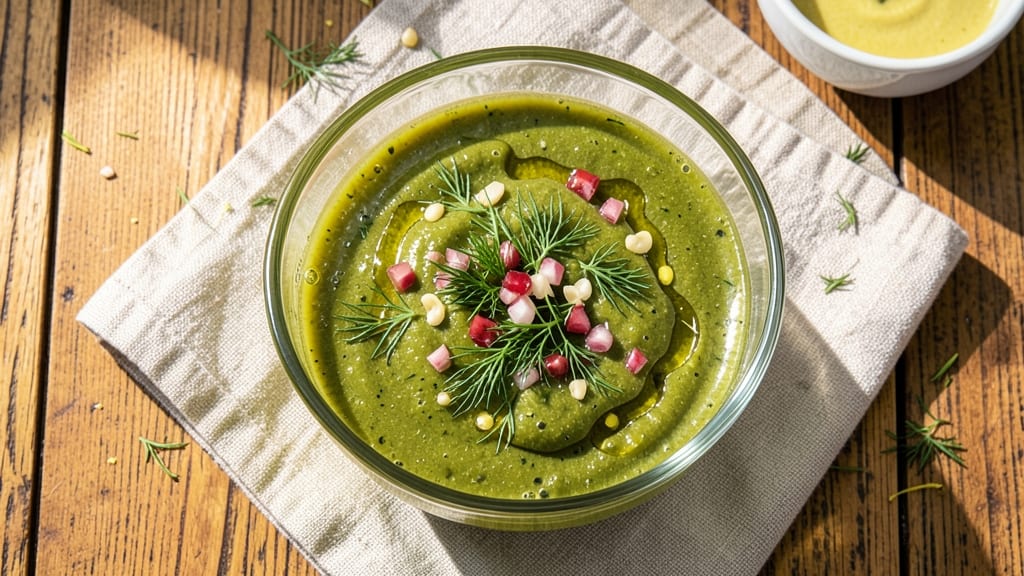
This 24-hour salad dressing recipe transforms ordinary vinaigrettes into complex, restaurant-quality sauces through overnight infusion. The secret lies in letting ingredients meld—acids mellow, herbs release their oils, and flavors deepen into something far more sophisticated than store-bought versions. I developed this method after years of testing, and it never fails to impress, even skeptics who prefer bottled dressings.
The process is simple but transformative: combine oil, vinegar, and seasonings, then let them rest for 24 hours. This waiting period allows flavors to integrate fully, creating a dressing with layers of complexity—bright citrus, aromatic herbs, and a perfect balance of tang.
The result is a sauce that clings beautifully to greens, enhances every bite, and elevates even the simplest salads to gourmet level.
What you’ll end up with is a dressing that’s richer, smoother, and more flavorful than anything you can buy. The overnight infusion breaks down ingredients at a molecular level, creating a harmonious blend that’s impossible to achieve in minutes.
This method works for vinaigrettes, creamy dressings, and even marinades—proof that patience truly does pay off in the kitchen.
Best of all, the dressing keeps well in the fridge for up to a week, making it perfect for meal prep. Once you try this technique, you’ll never go back to instant dressings again. Let’s get started on creating something truly special.
Ingredients for 24 hour salad dressing
These ten ingredients transform into a restaurant-worthy dressing through overnight magic.
| Ingredient | Amount | Notes |
|---|---|---|
| Extra-Virgin Olive Oil 🫒 | ¾ cup | High-quality, fruity, cold-pressed |
| Red Wine Vinegar 🍷 | ¼ cup | Bold, dry variety preferred |
| Fresh Lemon Juice 🍋 | ¼ cup | Freshly squeezed, seeds removed |
| Fresh Garlic Cloves 🧄 | 4 cloves | Peeled, minced finely |
| Fresh Shallots 🧅 | ¼ cup | Finely minced, or sub onion |
| Fresh Dill 🌿 | 0.2 cup | Chopped finely, stems removed |
| Fresh Tarragon 🌿 | 0.1 cup | Chopped finely, or sub basil |
| Diamond Crystal Kosher Salt 🧂 | 1 ½ tsp | Fine grain preferred |
| Freshly Ground Black Pepper 🌶️ | ½ tsp | Freshly cracked preferred |
| Honey 🍯 | 1 tbsp | Raw, unprocessed preferred |
The olive oil is non-negotiable—look for extra-virgin with a fruity, peppery finish. Trader Joe's and Whole Foods carry excellent options, but any high-quality brand works. The vinegar should be bold and dry—Bartles & Jaymes or Bragg are reliable choices. Fresh herbs make all the difference here: dill and tarragon add depth, but if you can't find tarragon, basil or thyme work beautifully. The shallots should be vibrant and firm—no wilted or sprouting bulbs. For the garlic, freshly minced is key; pre-minced garlic loses flavor fast.
No red wine vinegar? Apple cider vinegar or white wine vinegar will work in a pinch, though the flavor profile shifts slightly. Short on fresh herbs? Dried herbs at one-third the amount can substitute, but the texture won’t be as silky. The honey adds a touch of sweetness that balances the acidity—raw honey is ideal, but any variety will do. For a tangier dressing, add an extra tablespoon of lemon juice. If you’re making this ahead, measure everything precisely—the ratios are what create that restaurant-quality depth. The dressing will thicken slightly after 24 hours, so don’t worry if it looks a bit separated initially.
This dressing is a meal-prep dream—stores for up to 1 week in an airtight container in the fridge. For best results, shake or stir vigorously before each use, as separation is normal. If it thickens too much, add a splash of water or vinegar to loosen. The flavors actually improve the longer it sits, so make a big batch and use it throughout the week. If you’re feeling adventurous, freeze portions in ice cube trays for single-serving dressings later. Trust me, you’ll never buy store-bought again.
Why You'll Love This Recipe
- No-Chop Necessary: I swear by this trick—just toss in whole shallots and garlic cloves (peeled, of course) and let the fridge do the work. By morning, they’re perfectly infused, no knife skills required.
- Flavor That Develops: Between us, the 24-hour wait is magic. The vinegar mellows, the garlic softens into sweetness, and that lemon brightens like a summer breeze. It’s the kind of dressing that makes you pause mid-bite.
- Weeknight Meal Prep: Honestly, this is my secret for effortless lunches. Toss it with greens, roasted veggies, or even grilled chicken—no last-minute dressing panic. The best part? It keeps for days, so I’m never scrambling.
- Pantry Staple Power: Extra-virgin olive oil and red wine vinegar are already in my cupboard, and I bet they’re in yours. Add lemon and garlic, and boom—you’ve got a dressing that’s cheaper than store-bought but tastes like a chef’s special.
Step-by-step instructions for flavor-deepening overnight salad dressing
Unlock layers of complexity in your dressings through this simple yet transformative overnight infusion.
Prepare the Base Ingredients with Precision
In a medium mixing bowl, combine the 0.75 cup extra-virgin olive oil, 0.25 cup red wine vinegar, and 0.25 cup fresh lemon juice. I like to use a whisk for this step to ensure everything emulsifies smoothly from the start. The acidity from the vinegar and lemon will begin breaking down the oil molecules right away, creating a stable foundation for the infusion.
Next, add the 4 cloves finely minced fresh garlic cloves and 0.25 cup finely minced fresh shallots. The mincing should be so fine that you can barely see the individual pieces—this ensures even distribution and maximum flavor extraction during the overnight process. Sprinkle in the 1.5 teaspoons diamond crystal kosher salt and 0.5 teaspoon freshly ground black pepper right away. The salt helps draw out moisture from the aromatics, intensifying their flavors.
Incorporate Herbs and Sweetener for Complexity
Gently fold in the 0.2 cup finely chopped fresh dill and 0.1 cup finely chopped fresh tarragon using a silicone spatula. Be careful not to overmix—just enough to distribute the herbs evenly throughout the mixture. The herbs should remain visible as distinct flecks rather than becoming a paste, which ensures their bright, fresh qualities carry through the infusion.
Drizzle in the 1 tablespoon honey and whisk vigorously for about 30 seconds until fully incorporated. The honey not only adds subtle sweetness but also helps balance the acidity of the vinegar and lemon. At this point, your dressing should have a vibrant, herby aroma with a slight garlicky sharpness—this is exactly what you want before the flavors deepen overnight.
Infuse Overnight for Maximum Flavor Development
Transfer the dressing to a clean, airtight glass jar with a tight-sealing lid. This container is crucial—it prevents oxidation and allows the flavors to meld without absorbing any odors from the fridge. Seal the jar and give it a gentle shake to ensure all ingredients are fully suspended in the liquid.
Place the jar in the refrigerator and let it infuse for at least 24 hours. I've found that 24 hours is the sweet spot—long enough for the garlic and shallots to soften and release their oils, and for the herbs to release their essential oils, but not so long that the dressing becomes overly pungent. The color will deepen from a pale yellow to a rich amber, and the aroma will become more complex, with layers of garlic, herbs, and a subtle sweetness from the honey.
Strain and Finish for Silky Perfection
After the infusion period, remove the jar from the refrigerator and let it sit at room temperature for 10-15 minutes to bring it to a more workable consistency. This step is important because cold liquids strain more slowly. Place a fine-mesh strainer over a clean bowl and carefully pour the dressing through, pressing gently on the solids with the back of a spoon to extract all the flavorful oils.
Discard the strained solids and taste the dressing immediately. It should be rich, tangy, and deeply aromatic with notes of garlic, dill, and tarragon. If you prefer a smoother texture, you can press the strained solids through the strainer again with a clean spoon. The dressing is now ready to use—its flavors will continue to develop slightly as it sits at room temperature, so use it within 2-3 hours of straining for the best results.
Store and Use for Optimal Freshness
Transfer the strained dressing back to the clean, airtight jar and store it in the refrigerator. This dressing will keep for up to 1 week, though the flavors will gradually mellow over time. For the best experience, use it within 3-4 days of straining, when the flavors are at their peak intensity.
Shake the jar gently before each use to redistribute any settled ingredients. This dressing is incredibly versatile—drizzle it over mixed greens, use it as a marinade for grilled vegetables, or even toss it with roasted potatoes for a flavor-packed side dish. The depth of flavor it adds to any dish is truly transformative, making it worth the wait.
Pro Tips For Making 24 Hour Salad Dressing
- Mince Shallots Fine: Shallots lose their sharp bite when chopped too large—aim for a paste-like texture. I learned this the hard way when my dressing tasted more like onion than shallot; a microplane or knife chop until nearly mushy makes all the difference.
- Steep Garlic Whole: Skip mincing the garlic cloves—leave them whole for 24 hours, then crush them right before using. This prevents bitterness and lets the oil absorb their flavor without turning acrid, even after sitting overnight.
- Balance Oil First: Add the olive oil before the vinegar or lemon juice—this prevents sudden separation. I used to pour vinegar first, and my dressing would split like a bad marriage; oil as the base keeps everything emulsified.
- Use Cold Vinegar: Chill the red wine vinegar in the fridge for 30 minutes before mixing—it mellows the sharpness and lets the flavors meld better over time. Sounds weird, but it works: your dressing will taste smoother, not harsh.
Troubleshooting great 24 hour salad dressing
Separation Solution
If your dressing separates after 24 hours, don’t panic—this is normal! The acidity and oil will naturally separate when stored. Simply give the jar a vigorous shake for 30-45 seconds before using.
For stubborn separation, add 1 teaspoon of Dijon mustard or 1 tablespoon of water and whisk again. The mustard acts as a natural emulsifier, while water helps redistribute the oil. 💫
Overpowering Garlic
Too much garlic flavor? Reduce the amount next time to 2 cloves instead of 4, or skip the mincing and use a garlic press for a milder taste.
If you’ve already made it, balance the intensity by adding ½ teaspoon extra honey or a splash of lemon juice to brighten the dressing. The extra sweetness or acidity will soften the garlic’s punch.
Mold or Off Odors
If your dressing develops mold or smells sour after storage, toss it immediately—this indicates spoilage. To prevent this, always use clean, airtight glass jars and store the dressing in the coldest part of your fridge (35-40°F).
Fresh herbs and garlic are the most prone to spoilage, so ensure they’re fresh when you start. For extra safety, make smaller batches that you’ll use within 3-4 days.
Too Thick or Gritty
A dressing that’s too thick or gritty usually means the herbs or garlic weren’t minced finely enough. For future batches, pulse the shallots and garlic in a food processor for 10-15 seconds to achieve a smoother texture.
If it’s already made, thin it with 1 tablespoon of water or vinegar and strain again through a cheesecloth-lined strainer for a silky finish.
Weak Flavor Development
If your dressing tastes bland after 24 hours, the issue is likely under-infusion. Try these fixes: Increase the infusion time to 48 hours for deeper flavor, or boost the aromatics by adding ½ teaspoon of dried mustard powder or 1 teaspoon of capers during the initial mix.
For next time, use aged balsamic vinegar instead of red wine vinegar—its complexity adds layers of flavor during infusion.
Storage Longevity
To extend freshness beyond 1 week, divide the dressing into ice cube trays and freeze. Once frozen, transfer the cubes to a sealed bag and store for up to 3 months. Thaw overnight in the fridge before using.
For fridge storage, always use a clean spoon to scoop out portions, avoiding contamination. If the dressing thickens too much, stir in 1 teaspoon of warm water to restore consistency. 🌟
Nutrition facts
Frequently asked questions
Why does this dressing need 24 hours to develop flavor?
The overnight infusion allows the garlic, shallots, and herbs to release their essential oils and soften, creating a much deeper flavor profile than quick-mix dressings. The acidity from the vinegar and lemon breaks down the ingredients at a molecular level, blending them into a harmonious sauce. Think of it like making a fine wine—patience transforms simple ingredients into something extraordinary.
Can I make this dressing without fresh herbs?
Yes! Use 1 teaspoon dried dill and ½ teaspoon dried tarragon instead of fresh, but reduce the infusion time to 12-18 hours since dried herbs release flavor more quickly. For best results, toast the dried herbs lightly in a dry pan for 30 seconds before adding to enhance their aroma. The texture won't be as silky, but the flavor will still be delicious.
What if I don't have red wine vinegar?
Substitute with apple cider vinegar for a slightly sweeter, fruitier taste or white wine vinegar for a milder acidity. Avoid balsamic vinegar—its thickness will alter the dressing's consistency. If using apple cider vinegar, add ½ teaspoon extra honey to balance the sweetness. The flavor will still develop beautifully overnight.
How do I adjust the dressing for spicy salads?
Add ½ teaspoon of hot sauce or 1 finely minced jalapeño (seeds removed for mild heat) during the initial mix. For extra depth, infuse the jalapeño with the other aromatics for 24 hours before straining. If you prefer a smoky kick, replace 1 tablespoon of olive oil with smoked paprika-infused oil. The heat will mellow slightly during infusion, so start conservative.
Can I make this dressing without honey?
Replace the honey with 1 teaspoon maple syrup or ½ teaspoon agave nectar for a neutral sweetness. For a savory version, omit the sweetener entirely and add ½ teaspoon of Dijon mustard instead—it adds complexity without sweetness. The dressing will still develop rich flavors, just with a different profile.